Source Butterfly Lock Flight Case for Machinery, Chemical, Environmental
Explore 30 listings for Butterfly Lock Flight Case options tailored for machinery, chemical industry, and environmental applications. Compare specifications including materials, certifications, and customization features to find the right supplier.
Key considerations
Products List

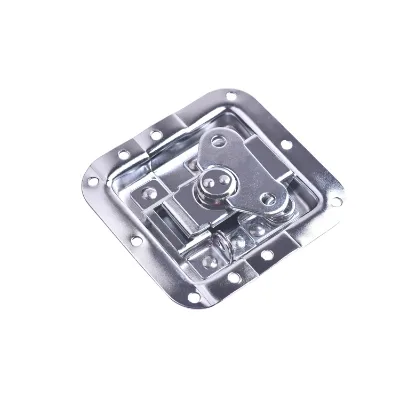
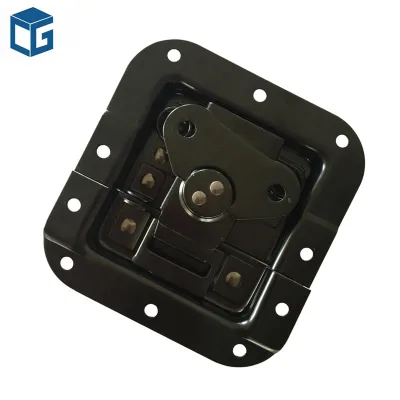
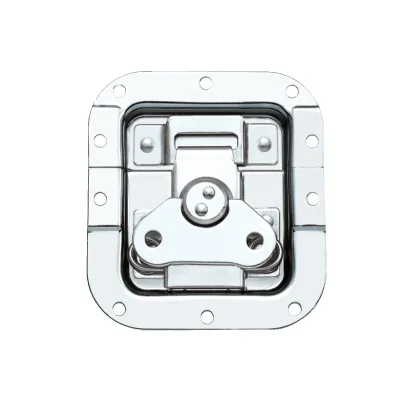
Aluminum Alloy Protective Aviation Flight Case Box Butterfly Latch Lock
$1.15 - $1.23
MOQ: 1000 Pieces


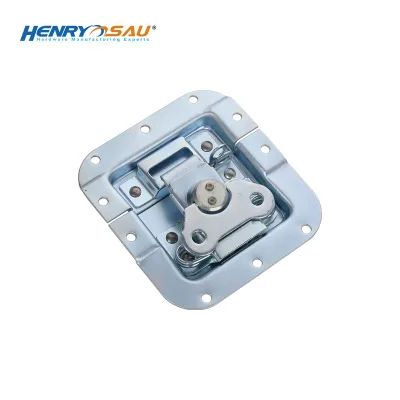
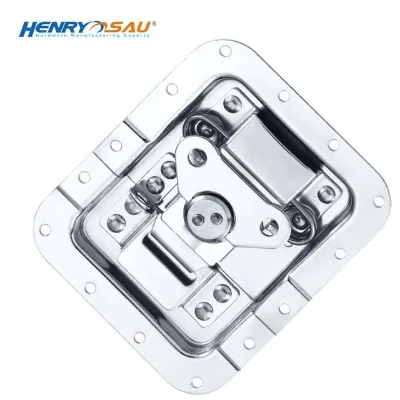
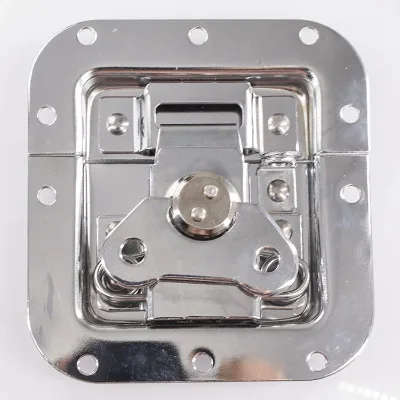

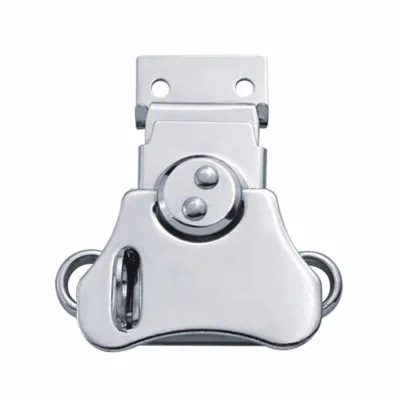
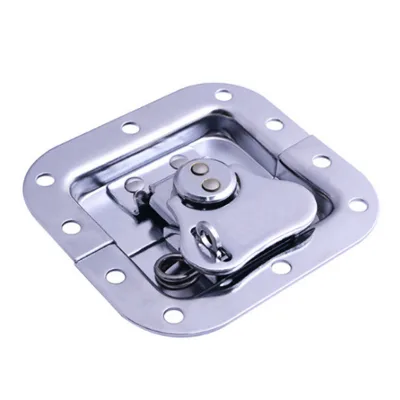
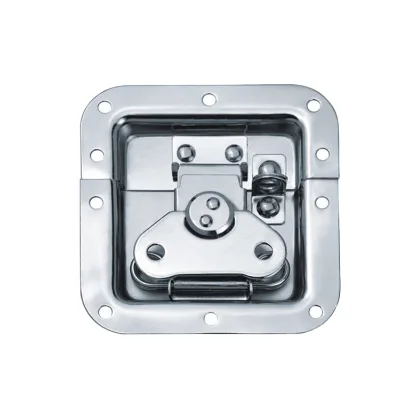
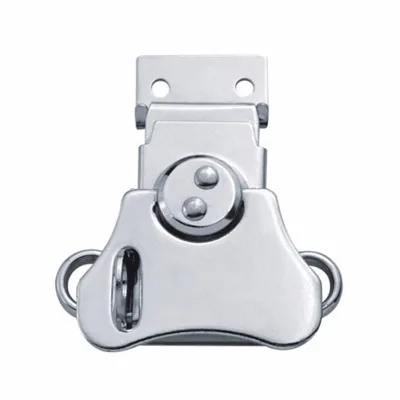
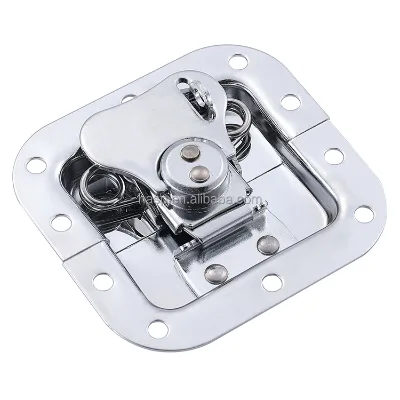
Comprehensive Sourcing Guide
Strategic Sourcing Guide for Butterfly Lock Flight Case Components
Understanding Product Specifications and Material Variations
When sourcing butterfly locks for flight cases, buyers must first navigate a complex landscape of material compositions and dimensional specifications. The core product, often identified by model numbers such as LY001, LY501-12, LY501-15, LY502-15, and LY502-12, represents a specific category of hardware designed for high-security applications. A critical observation in the current market is the divergence in material composition. While the primary structural requirement for flight case hardware often demands high tensile strength, the available data indicates a mix of materials including Steel and Wood. Steel is the predominant choice for the lock mechanisms themselves, ensuring durability against impact and forced entry. However, some listings reference Wood as a material attribute, which may indicate the inclusion of wooden reinforcement plates or specific case body components that integrate with the lock system rather than the lock mechanism itself.
The physical dimensions of these components vary significantly to accommodate different case sizes. Standardized sizes observed include 156125.6mm and 112105.3mm, alongside fully customized options. The "Middle" size category suggests a standard fit for medium-duty cases, while "Customized" sizes allow for integration into specialized aerospace or military-grade equipment. The shape is consistently described as a "Square Shape," which is a standard geometric profile for butterfly locks to ensure a flush fit against the case surface. The functional design is explicitly noted as a "180°Hinge" type, allowing for full rotation and secure latching. Buyers should verify that the specific model selected matches the hinge angle and mounting hole pattern of their existing case inventory to avoid compatibility issues during installation.
Compliance, Certification, and Safety Standards
In the B2B procurement of flight case hardware, compliance is not merely a formality but a critical safety requirement. The market data highlights several certification standards that buyers should prioritize. The most frequently cited certification is ISO9001, with some references to ISO standards in general. This indicates that suppliers operating in this space are expected to adhere to international quality management systems. Additionally, specific fire safety ratings are a non-negotiable aspect for flight cases, particularly those used in aviation or hazardous material transport. The observed "Fire Rating: 94V2" is a specific UL standard for flammability of plastic materials, suggesting that components or the case bodies they secure must meet rigorous fire resistance criteria.
Furthermore, the product attributes list "Fire Resistance" as a key feature, reinforcing the necessity of verifying fire ratings before purchase. Buyers must ensure that the butterfly locks and associated hardware do not compromise the fire integrity of the flight case. The "Surface Treatment" options, including "Plain/Zinc Plated" and "Chrome Plating," also play a role in compliance. Zinc plating offers corrosion resistance, which is vital for equipment transported in varying environmental conditions, while chrome plating provides a harder, more aesthetic finish. The presence of "ISO 9001:2015" in background knowledge suggests that modern suppliers should align with this specific version of the standard, though buyers must confirm the exact certification status on a case-by-case basis. It is essential to request valid certification documents from the supplier rather than relying on general market claims.
Cost Drivers and Pricing Dynamics
The pricing structure for butterfly locks and flight case accessories is influenced by several dynamic factors, including material costs, customization levels, and order volume. The observed price range in the market spans from $0.10 to $2.66 USD per unit. This wide variance is not indicative of a single product tier but rather reflects differences in material quality, plating thickness, and the degree of customization required. The lower end of the price spectrum likely corresponds to standard, off-the-shelf models with basic chrome or zinc plating and minimal customization. Conversely, the higher price points are associated with custom-sized locks, specialized surface treatments, or those requiring specific fire ratings and certifications.
Minimum Order Quantity (MOQ) is another significant cost driver. The observed MOQ range is between 10 and 1500 units. Suppliers with lower MOQs, such as 10 or 200 pieces, may charge a premium per unit to cover setup costs for smaller batches. In contrast, suppliers requiring an MOQ of 1500 units often offer more competitive unit pricing, making them suitable for large-scale industrial procurement. The "OEM/ODM" capability is a major factor in cost; suppliers welcoming custom orders ("Weclome Custom") may have different pricing structures compared to those selling standard inventory. Buyers should also consider the "Delivery Time," which is listed as 7-15 working days. Rush orders or expedited shipping will inevitably increase the total landed cost. Additionally, the "Packing" method, whether "Carton Packaging" or "Carton+Pallet," affects logistics costs, especially for international shipments where palletization is required for efficient handling.
Typical Applications and Functional Requirements
Butterfly locks for flight cases serve a diverse range of applications, extending beyond simple luggage storage. The primary usage is identified as "Transportation," specifically for securing valuable or sensitive equipment during transit. The "Application" field notes "Luggage Bag Accessories," indicating their use in high-end travel gear and protective cases. However, the data also points to industrial applications, with the locks being used in "Machinery, Chemical Industry, and Environmental" sectors. This suggests that these locks are robust enough to withstand harsh environments and secure equipment used in heavy industry or hazardous material handling.
The functional design of the butterfly lock, often categorized under "Cabinet" or "Box" types, makes it ideal for securing toolboxes, instrument cases, and flight cases. The "Adjustable" nature of the product allows for fine-tuning the tension or fit, ensuring a tight seal that protects contents from dust, moisture, and impact. Although the product is listed as "Not Waterproof," this does not preclude its use in outdoor or semi-exposed environments, provided the case itself offers adequate sealing. The "Gender: Unisex" attribute confirms that these locks are universal hardware components suitable for any type of case design. The "Logo Printing" feature is particularly relevant for corporate clients who require branding on their equipment cases, allowing for customization that enhances brand visibility during transport.
Supplier Evaluation and Sourcing Strategy
Evaluating suppliers for butterfly locks requires a rigorous approach to verifying their capabilities and reliability. The origin of these products is predominantly "Nanjing Jiangsu China" and "Jiangsu," a region known for its manufacturing prowess in hardware and metalworking. Buyers should prioritize suppliers who can demonstrate a clear supply chain from raw material sourcing to final packaging. The availability of "Samples" is a critical indicator of supplier confidence; the data mentions "Freely Samples," which allows buyers to physically inspect the quality, finish, and fit of the product before committing to a large order.
When assessing a supplier, buyers should verify their "OEM/ODM" capabilities. The phrase "Weclome Custom" suggests a willingness to adapt products to specific client needs, but the extent of this customization must be clarified. Does the supplier offer custom sizes, or only color and logo variations? The "Customization: Available" attribute is broad, so specific questions regarding design changes, such as the "Buckle" design or "Square Shape" modifications, are necessary. Furthermore, the "Surface Treatment" options, ranging from "Plain/Zinc Plated" to "Chrome Plating," should be evaluated based on the intended use environment. A supplier offering both options provides greater flexibility for different product lines. Buyers should also check the "Delivery Time" consistency, as the stated 7-15 working days is a baseline that must be met reliably to avoid supply chain disruptions.
Quality Control and Long-Term Procurement Considerations
Maintaining high quality standards is essential for butterfly locks, as failure can lead to security breaches or equipment damage. Quality control should begin with the verification of material properties. The "Hardness: Partial Hard" attribute suggests that the metal composition is not uniformly hardened, which may be a design choice for flexibility or a result of the manufacturing process. Buyers must ensure that the hardness level is sufficient for the intended application to prevent deformation under stress. The "Fire Rating: 94V2" and "Fire Resistance" features require regular testing to ensure they remain consistent across production batches.
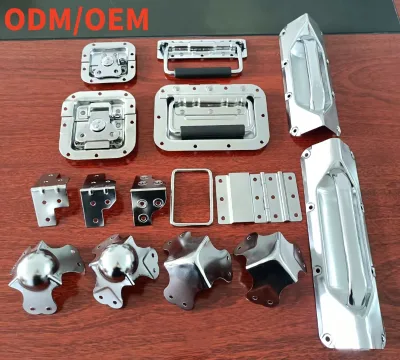
Long-term procurement considerations involve building a relationship with suppliers who can scale with demand. The wide MOQ range (10-1500) allows for a phased approach to purchasing, starting with small orders to test quality and scaling up as confidence grows. However, buyers should be aware that the "Product Name" variations, such as "Tool Box Flight Case Metal Lock Handle" and "Flight Case Accessories," may indicate different product lines within the same supplier's catalog. Consistency in model numbers like LY001 or LY501-12 is crucial for maintaining inventory standardization. Additionally, the "Packing" standards, such as "Carton+Pallet," should be aligned with the buyer's logistics capabilities to minimize damage during transit. Regular audits of the supplier's ISO9001 certification status and adherence to the "Standard" specifications (e.g., 156*125.6mm) will ensure that the procurement strategy remains robust and compliant with industry requirements over time.
Comparative Analysis of Key Product Attributes
To facilitate a clearer decision-making process, the following table summarizes the key attributes observed in the market for butterfly locks and flight case accessories. This comparison helps buyers identify the specific features that align with their operational needs.
| Attribute Category | Observed Values | Procurement Implication |
|---|---|---|
| Material | Steel, Wood, Electrolytic Plate | Verify if "Wood" refers to case integration or lock body; Steel is standard for locks. |
| Surface Treatment | Chrome Plating, Plain/Zinc Plated | Zinc for corrosion resistance; Chrome for aesthetics and hardness. |
| Dimensions | 156125.6mm, 112105.3mm, Customized | Match exact dimensions to case mounting points; "Customized" offers flexibility. |
| Certification | ISO9001, ISO, Fire Rating 94V2 | Mandatory for industrial/aviation use; verify current validity of certificates. |
| MOQ | 10 to 1500 Units | Lower MOQ for prototyping; higher MOQ for cost efficiency in bulk. |
| Lead Time | 7-15 Working Days | Plan production schedules accordingly; verify if this includes shipping. |
| Customization | Logo Printing, OEM/ODM Available | Essential for branding; confirm limits on design changes. |
| Origin | Nanjing Jiangsu China, Jiangsu | Regional manufacturing hub; verify specific factory location for audits. |
By carefully analyzing these attributes and cross-referencing them with specific project requirements, buyers can make informed decisions that balance cost, quality, and compliance. The diversity of options available in the market allows for tailored solutions, but it also demands a disciplined approach to verification and quality assurance to ensure the selected butterfly locks meet the rigorous standards required for flight case applications.
FAQs
What materials are used for butterfly locks?
The primary material is steel, ensuring durability for flight case hardware. Some listings also reference wood, which likely indicates case integration components rather than the lock mechanism itself.
Which certifications do these locks typically hold?
Most products carry ISO9001 certification for quality management. They also often meet fire safety standards like the 94V2 rating to ensure compliance for aviation and hazardous material transport.
How long is the delivery time for orders?
Standard delivery time ranges from 7 to 15 working days. This timeline applies to typical orders, though rush requests or specific customization needs may alter the schedule.
Can I get samples before placing a large order?
Yes, freely available samples are offered to verify product quality. This allows buyers to inspect the finish and fit before committing to bulk purchases with higher minimum order quantities.
What is the price range for these accessories?
Prices typically range from 0.10 to 2.66 USD per unit. The variance depends on material quality, plating thickness, and the level of customization required for the specific model.
Which surface treatments are available for these locks?
Available treatments include chrome plating and plain or zinc plating. Zinc plating offers corrosion resistance for harsh environments, while chrome provides a harder, more aesthetic finish.
Are these locks suitable for industrial machinery use?
Yes, they are designed for use in machinery, chemical industry, and environmental sectors. Their robust construction supports securing equipment in heavy industrial and hazardous material handling applications.