Source Butterfly Flower Shoe Rhinestone Decal for Shoes Bags Garment
Compare 30 listings for Butterfly Flower Shoe Rhinestone Decal featuring flatback and 3D styles with customization options. Buyers can review models A037, A035, and others for applications on shoes, bags, and garments with MOQs from 50 to 10,000 pieces.
Key considerations
Products List


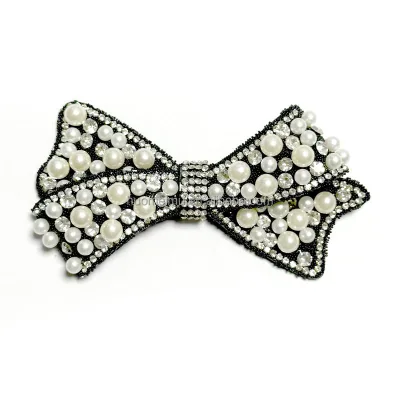
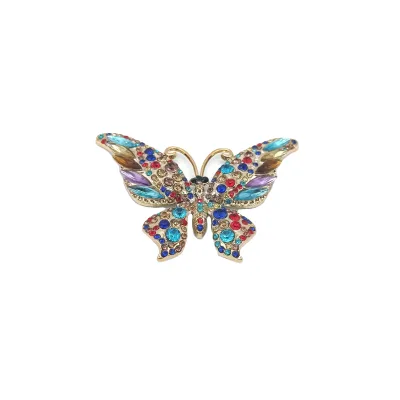
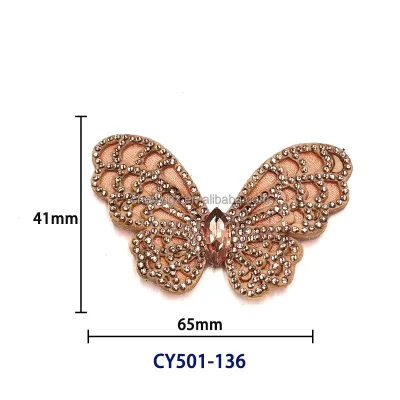
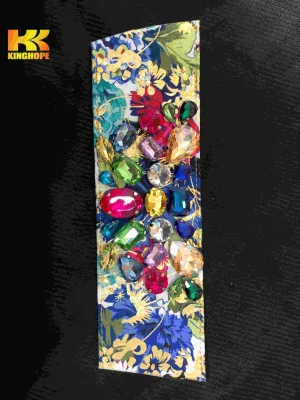
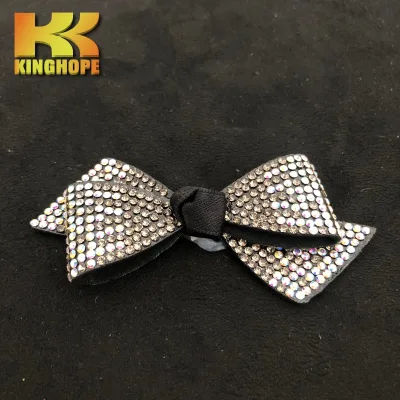
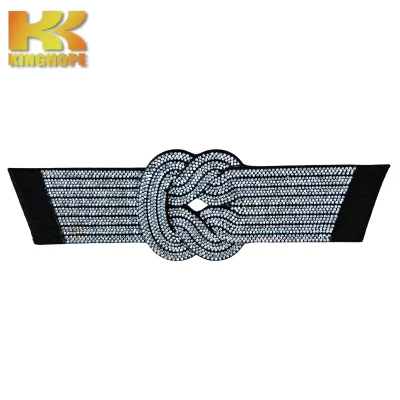
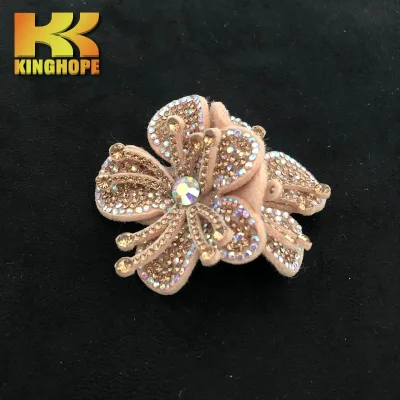
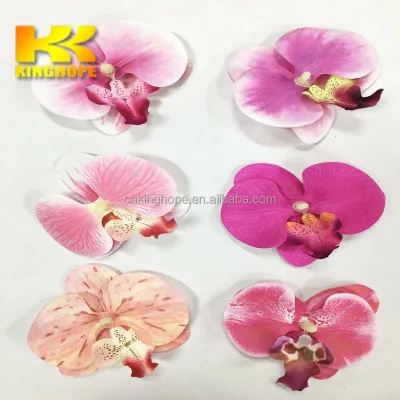
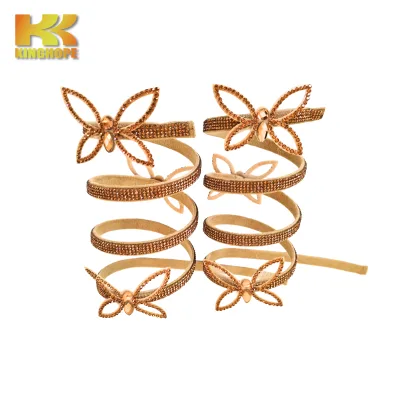
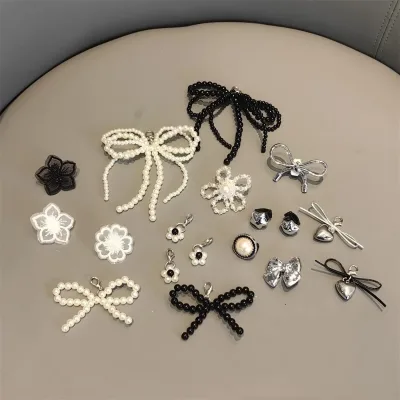


Comprehensive Sourcing Guide
Strategic Sourcing Guide for Butterfly Flower Shoe Rhinestone Decals
Understanding Product Variants and Technical Specifications
When sourcing butterfly flower shoe rhinestone decals, buyers must first navigate a complex landscape of product attributes that define the final application. The core keyword implies a specific aesthetic—a floral motif with butterfly elements, likely utilizing rhinestones for embellishment. However, the available market data reveals significant variation in how these products are categorized and specified. Some listings explicitly identify the product type as "Rhinestones" or "Loose Rhinestones," while others classify them as "PATCHES" or "Applique." This distinction is critical for procurement planning, as loose stones require a separate adhesive or setting process, whereas patches or appliques are often pre-assembled units.
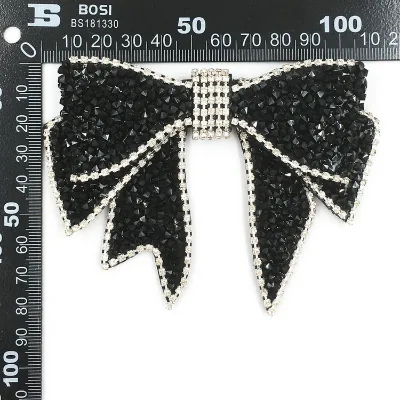
The technical specifications provided in the source data highlight diverse physical dimensions. For instance, one variant is listed with a single package size of 62x45x42 cm, suggesting a bulk carton for larger shipments, while another specifies a compact single package of 7.0x7.0x2.0 cm. Size specifications also vary, with some items listed at 70mm x 70mm and others at 10cm. Buyers must verify the exact dimensions of the butterfly flower motif itself, as the package size often includes protective padding or bulk packaging materials rather than the product footprint. Furthermore, the material composition varies; some entries cite "Crystal" as the primary material, while others list "Rhinestone" or a combination of "fabric & glue" for the backing. The "Plastic Type" is noted as "Resin" in some contexts, indicating the potential for 3D effects, which aligns with the "3 d" feature observed in the data.
The decoration style is another pivotal technical factor. The data mentions "Pleated" and "Rivets" as decoration parts, alongside "Stick-On" and "Flatback" styles. A "Flatback" rhinestone is typically designed for gluing onto a surface, whereas a "Stick-On" variant implies a pre-applied adhesive backing. For shoe applications, the "Vamp" is identified as a specific decoration part, suggesting these decals are often placed on the upper front section of the footwear. Understanding whether the product is a loose stone, a sew-on patch, or a self-adhesive decal is the first step in ensuring the product matches the manufacturing workflow of the buyer's shoe or garment line.
Compliance, Certification, and Safety Verification
In the realm of footwear and garment accessories, compliance and safety are non-negotiable, yet the provided data does not list specific certifications or test results. Buyers must therefore treat the absence of explicit certification data as a requirement for due diligence rather than a statement of non-compliance. The product origin is consistently listed as "Guangdong, China" or "China, Guang Dong," which is a major manufacturing hub but necessitates rigorous supplier vetting to ensure adherence to international safety standards.
For products intended for children's footwear or general consumer goods, buyers should verify compliance with regulations regarding heavy metals, phthalates, and flammability. While the data mentions "Crystal" and "Resin" materials, it does not confirm whether these materials meet specific standards such as ASTM F963 (Standard Consumer Safety Specification for Toy Safety) or EN71 (European safety standards for toys), which are often applied to decorative elements on children's items. Similarly, for general footwear, the adhesive used in "Stick-On" or "Patch" variants must be evaluated for skin safety and durability against sweat and moisture.
Buyers should request specific documentation from potential suppliers regarding the "Main Material" and "Plastic Type." If the product is marketed as "Handmade," as noted in the specifications, the consistency of quality control becomes a compliance risk that must be managed through strict inspection protocols. The "Technics" are listed as "Other" or "Handmade," which suggests a lack of automated standardization. This variability requires buyers to establish clear acceptance criteria for chemical safety and physical durability before placing large orders. Without explicit certification data in the product listing, the procurement strategy must include a mandatory request for third-party test reports from the supplier to validate that the rhinestones and adhesives do not contain prohibited substances.
Cost Drivers and Pricing Structure Analysis
The observed price range for these products spans from $0.03 to $8.93 USD, a wide disparity that reflects differences in material quality, production complexity, and order volume. The lower end of the spectrum likely corresponds to basic "Loose Rhinestones" or simple "Flatback" variants with minimal packaging, while the higher end may reflect complex "3D Crystal Lotus Flowers" or "Applique" units with intricate designs and premium materials like high-grade crystal or resin.
Material costs are a primary driver. The distinction between "Crystal" and generic "Rhinestone" or "Resin" significantly impacts the unit price. Crystal typically commands a higher price due to its clarity and refractive properties, whereas resin or plastic alternatives are more cost-effective but may lack the same aesthetic appeal. Additionally, the "Handmade" technic noted in the data suggests a labor-intensive production process, which can increase costs compared to machine-stamped or automated assembly methods. The "Gross weight per batch" also varies, ranging from 0.05 kg for a single item to 5.0 kg or 8.0 kg for a batch, indicating that shipping costs will be a significant variable in the total landed cost.
Minimum Order Quantity (MOQ) is another critical cost factor. The data shows an MOQ range from 10 to 10,000 units, with specific instances of 50 pcs and 100 pcs. Suppliers offering lower MOQs (e.g., 10 or 50) may charge a premium per unit to cover setup and handling costs, whereas suppliers with higher MOQs (e.g., 1,000 to 10,000) can offer more competitive pricing due to economies of scale. Buyers must balance the need for inventory flexibility against the desire for lower unit costs. The "Selling Units" also vary, with some products sold as single items and others as multiples of 100, which affects the calculation of the total investment required to reach a viable production batch.
Typical Applications and Design Integration
The versatility of butterfly flower shoe rhinestone decals is evident in the listed applications, which include "Garment," "Shoes," "Bags," and "Art." The specific mention of "Vamp" as a decoration part confirms their primary use in footwear design, particularly for adding decorative flair to the upper front of shoes. The "Stick-On" and "Patch" attributes suggest they can be applied to various textiles, making them suitable for fashion garments and handbags as well.
For shoe manufacturers, these decals offer a way to customize designs without the need for complex embroidery or molding processes. The "3 d" feature allows for a textured, dimensional look that enhances the visual appeal of the product. The "Pleated" and "Rivets" decoration options provide additional design flexibility, allowing buyers to create unique textures and finishes. The "Multicolor" availability, with a wide range of color codes listed, enables designers to match specific brand palettes or seasonal trends.
However, the integration of these decals requires careful consideration of the application method. "Flatback" stones require a separate adhesive application, which may add time to the production line. In contrast, "Stick-On" or "Patch" variants can be applied more quickly, potentially increasing production efficiency. The "Usage" category also includes "Art," suggesting that these products can be used for DIY projects or custom art pieces, expanding the potential market beyond traditional footwear manufacturing. Buyers should evaluate their specific production capabilities to determine which application method—gluing, sewing, or sticking—best fits their workflow.
Supplier Evaluation and Quality Control Protocols
Evaluating suppliers for butterfly flower shoe rhinestone decals requires a focus on consistency, especially given the "Handmade" nature of many listed products. The variation in "Single Package Size" and "Package size per batch" indicates that packaging standards may differ between suppliers, which can affect logistics and storage efficiency. Buyers should prioritize suppliers who demonstrate a clear understanding of packaging requirements, such as the "Carton" packing method mentioned in the data, to ensure products arrive in good condition.
Quality control is paramount when dealing with "Rhinestones" and "Applique" products. The "Gross weight per batch" variations (0.05 kg to 8.0 kg) suggest that weight consistency is a key metric for quality assurance. Buyers should implement a sampling protocol to verify that the actual weight and dimensions of the products match the specifications. For "Handmade" items, visual inspection is crucial to ensure that the "3 d" features are consistent and that the "Rhinestones" are securely attached. The "Technics" being listed as "Other" or "Handmade" implies a higher risk of variation, so a robust inspection plan is necessary to filter out defective units.
When selecting a supplier, buyers should also consider the "Lead Time" for sample orders. The data indicates a "7 days sample order lead time" is supported by some suppliers, which is a positive indicator of responsiveness. However, buyers must verify the lead time for bulk production, as this can vary significantly based on order volume and material availability. The "Customization" availability is a key differentiator; suppliers who offer customization can help buyers create unique designs that stand out in the market. Buyers should request samples of customized products to assess the quality of the customization process before committing to a large order.
Long-Term Procurement and Supply Chain Considerations
Sourcing butterfly flower shoe rhinestone decals is not just a one-time transaction but a long-term partnership that requires strategic planning. The "Brand Name" ZSY is mentioned in the data, but buyers should not rely on a single brand for their supply chain. Diversifying suppliers can mitigate risks associated with production delays or quality issues. The "Place of Origin" being consistently "China" suggests that buyers should be prepared for potential logistical challenges, such as shipping delays or customs regulations, and should factor these into their inventory planning.
Long-term procurement also involves managing the relationship with suppliers to ensure consistent quality and pricing. Buyers should establish clear communication channels and regular review meetings to discuss performance metrics, such as defect rates and on-time delivery. The "MOQ" flexibility is another important consideration; buyers should negotiate terms that allow for scaling up or down based on market demand. The "Customization" feature offers an opportunity to build a unique product line, but it requires a reliable supplier who can maintain quality standards across different designs.
Finally, buyers should stay informed about market trends and material innovations. The "Rhinestones Type" and "Material" specifications are likely to evolve, and suppliers who invest in new technologies or materials may offer better value in the long run. By maintaining a proactive approach to supplier evaluation and quality control, buyers can ensure a steady supply of high-quality butterfly flower shoe rhinestone decals that meet their design and production needs.
FAQs
What materials are used for butterfly flower shoe rhinestone decals?
These decals primarily use crystal, rhinestone, or resin materials with fabric and glue backing. Some variants feature handmade techniques while others use flatback styles for easy application on shoes, bags, or garments.
Can I find butterfly flower shoe rhinestone decals with customization options?
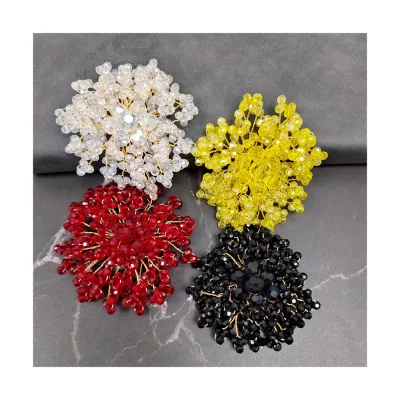
Yes, customization is available for these products to meet specific design needs. Buyers can request variations in decoration parts like pleats or rivets, and choose from multiple color options including black, white, red, and yellow.
Which specifications define the size of butterfly flower shoe rhinestone decals?
Specifications vary significantly, with single package sizes ranging from 7.0x7.0x2.0 cm to bulk cartons of 62x45x42 cm. Individual product sizes are listed as 70mm by 70mm or 10cm depending on the specific model and style.
How does the MOQ affect pricing for butterfly flower shoe rhinestone decals?
Minimum Order Quantities range from 10 to 10,000 units, directly influencing the unit price. Lower MOQs like 50 or 100 pieces often carry higher per-unit costs compared to bulk orders that leverage economies of scale.
What is the lead time for sample orders of butterfly flower shoe rhinestone decals?
Some suppliers support a 7-day sample order lead time for quick evaluation. Buyers should verify bulk production lead times separately as they vary based on order volume and specific customization requirements.
Where are butterfly flower shoe rhinestone decals manufactured?
The products originate from Guangdong, China, a major manufacturing hub for these accessories. Consistent origin data suggests reliable supply chains but requires verification of specific factory locations for quality assurance.