Source Mirror Screws for machinery, chemical, and environmental uses
Compare 30 listings for Mirror Screws from Chinese manufacturers offering carbon steel, high strength steel, and stainless steel options. Buyers can evaluate customization, packaging, and delivery terms for machinery, chemical industry, and environmental applications; compare the available evidence and request quotations based on your requirements.
Key considerations
Products List


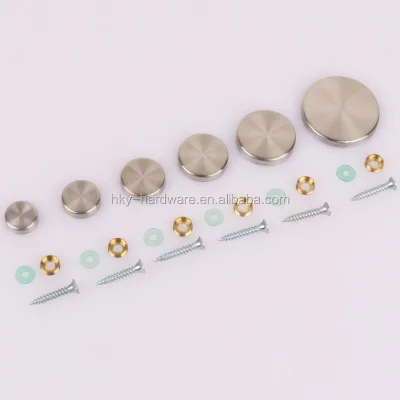


Best Selling Quality Not Easy to Deform Convenient Screws Stainless Steel
$0.01 - $0.01
MOQ: 10000 Pieces
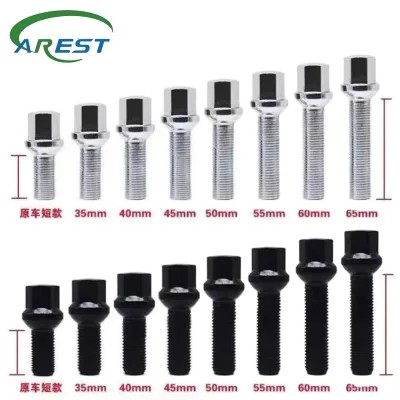
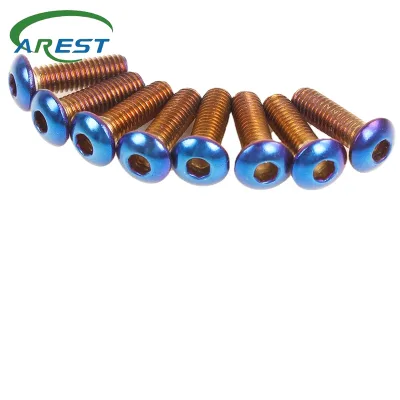


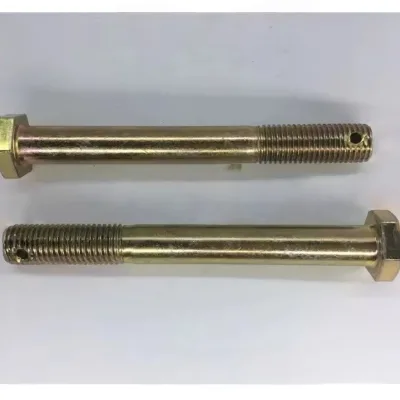
$1.00 - $2.00
MOQ: 100 pieces

Comprehensive Sourcing Guide
Mirror Screws Sourcing Guide
Sourcing Mirror Screws requires a nuanced understanding of fasteners designed for aesthetic visibility and structural integrity in delicate applications. These components are critical for mounting reflective surfaces, acrylic signs, and glass displays where traditional hardware would detract from the visual appeal. Buyers must recognize that these are not standard industrial bolts but specialized items often featuring decorative caps or brushed finishes to blend seamlessly with the mounted material. The primary challenge lies in balancing the mechanical strength required to hold heavy or fragile panels against the need for a pristine, unobtrusive appearance.
Procurement teams should approach this category by distinguishing between functional fasteners and purely decorative elements. While some Mirror Screws serve as self-drilling anchors for direct installation into substrates, others act as concealed connectors that hide behind the mirror or sign face. Understanding the specific mounting mechanism is essential before initiating a supplier search. Buyers must evaluate whether the application demands a visible head style, such as a round or pan head, or a concealed system that relies on adhesive or secondary fastening methods. This distinction dictates the material selection, surface treatment, and overall design of the fastener.
Product Scope and Observed Listing Signals
The observed market for Mirror Screws reveals a diverse range of materials, primarily focusing on stainless steel, carbon steel, and high-strength steel variants. Listings frequently highlight customization options, allowing buyers to specify head diameters ranging from 16mm to 40mm and lengths from 5mm to 200mm. The supply chain is heavily concentrated in China, with Dongguan and Guangdong emerging as key manufacturing hubs. Suppliers often emphasize their ability to produce non-standard steps pins and metric or imperial sizes, catering to both domestic and international project requirements. This geographic concentration suggests a mature ecosystem for precision metalworking and surface finishing.
Packaging and branding signals indicate a strong focus on protection and brand identity during transit. Common packaging methods include PE bags inside cartons, wooden boxes, or standard box packaging, often palletized for bulk shipment. Many suppliers offer OEM and ODM services, enabling buyers to customize head types, such as brushed caps, and surface treatments like natural stainless steel coloring. The presence of specific model numbers, such as HKY-154, and brand names like HKY, suggests that some manufacturers operate with distinct product lines. Buyers should verify if the observed supply ability of millions of pieces per month aligns with their volume requirements and lead time expectations.
Technical Specifications to Verify
Technical verification must begin with the material grade and surface treatment, as these factors directly impact corrosion resistance and aesthetic longevity. Buyers should confirm whether the stainless steel is of a grade suitable for the intended environment, particularly if the installation involves exposure to moisture or chemicals. The surface treatment, often described as natural stainless steel color or brushed finishes, must be inspected for consistency and durability. It is crucial to verify if the fastener is a self-drilling screw or requires pre-drilled holes, as this affects installation speed and substrate compatibility. The head style, whether round, pan, or brushed cap, must match the design specifications of the final assembly.
Dimensional accuracy and standard compliance are equally critical for successful integration. Buyers must verify the diameter range, typically spanning from 2mm to 12mm, and ensure the length range of 5mm to 200mm covers the thickness of the mirror or sign material plus the substrate depth. Standards such as GB, DIN, JIS, ANSI, and ASTM are frequently cited, but buyers should confirm which specific standard applies to their order. The connection type, often described as a common bolt or screw, must be compatible with the mating hardware. Additionally, the technique used, such as cold rolling, influences the tensile strength and thread integrity, so buyers should request technical datasheets to validate these properties.
Compliance and Safety Documentation
Compliance documentation is essential for ensuring that Mirror Screws meet international quality and safety benchmarks. Buyers should request certificates such as ISO9001:2008 to verify that the supplier maintains a robust quality management system. While specific certifications like REACH or ASTM C1036 are mentioned in broader contexts, buyers must confirm if these apply to their specific fastener type and intended use. For applications involving glass or acrylic signs, it is vital to ensure that the fastener materials do not react chemically with the mounted surface, potentially causing staining or degradation over time.
Safety considerations extend beyond material compatibility to include installation safety and structural reliability. Buyers should verify that the screws meet the necessary load-bearing standards for the weight of the mirror or sign being mounted. In commercial or public spaces, fire safety and environmental regulations may also apply, requiring documentation on the flammability or toxicity of any coatings or treatments used. It is advisable to request test reports or material safety data sheets (MSDS) to ensure that the fasteners do not pose health risks during installation or throughout their lifecycle. Clear compliance documentation helps mitigate liability and ensures adherence to local building codes.
Cost Drivers and Commercial Terms
Cost drivers for Mirror Screws are influenced by material selection, customization complexity, and order volume. Stainless steel variants typically command higher prices than carbon steel due to superior corrosion resistance and aesthetic appeal. Customization, such as specific head diameters, lengths, or unique surface treatments, adds to the manufacturing cost. Buyers should also consider the packaging requirements, as specialized packaging like wooden boxes or palletized shipments can increase logistics costs. The supply ability of suppliers, often cited in millions of pieces per month, can offer economies of scale for large orders, reducing the unit price.
Commercial terms, including lead times and payment conditions, vary significantly among suppliers. Lead times for Mirror Screws can range from 20 to 45 days, depending on the complexity of the order and current production capacity. Buyers should negotiate clear delivery schedules and penalties for delays to ensure project timelines are met. Payment terms, such as deposits or letters of credit, should be aligned with the order value and supplier reliability. Additionally, buyers should clarify the port of dispatch, often Shenzhen, and who bears the responsibility for shipping and insurance costs. Understanding these commercial nuances helps in budgeting accurately and avoiding unexpected expenses.
Supplier Qualification and Quality Control
Supplier qualification involves assessing manufacturing capabilities, quality control processes, and past performance. Buyers should verify the supplier’s production capacity, often cited as 10,000 tons per month, to ensure they can meet large order volumes without compromising quality. It is crucial to inspect the supplier’s quality control procedures, including incoming material inspections, in-process checks, and final product testing. Suppliers offering OEM and ODM services should demonstrate a clear process for handling custom specifications and maintaining consistency across batches. Requesting references or case studies from previous clients can provide insights into the supplier’s reliability and responsiveness.
Quality control extends to the consistency of surface treatments and dimensional accuracy. Buyers should implement a rigorous inspection protocol, including random sampling and measurement checks, upon receipt of goods. It is advisable to define acceptable tolerances for head diameter, length, and thread pitch in the purchase agreement. Suppliers should provide detailed inspection reports or certificates of conformity for each batch. Establishing a clear communication channel for addressing defects or discrepancies is essential for maintaining a productive relationship. Regular audits or third-party inspections can further ensure that the supplier adheres to agreed-upon quality standards.
Long-Term Procurement Checks
Long-term procurement checks focus on supplier stability, continuous improvement, and adaptability to changing market conditions. Buyers should monitor the supplier’s financial health and operational consistency to ensure they can sustain long-term partnerships. It is important to evaluate the supplier’s ability to innovate and adapt to new material technologies or design trends. Regular performance reviews, including on-time delivery rates, defect rates, and responsiveness to issues, should be conducted to assess ongoing value. Buyers should also stay informed about changes in industry standards and regulations that may impact the use of Mirror Screws in their applications.
Building a resilient supply chain involves diversifying suppliers and maintaining open lines of communication. Buyers should consider establishing framework agreements with multiple qualified suppliers to mitigate risks associated with single-source dependencies. Regular feedback loops with suppliers can drive continuous improvement in product quality and service levels. Additionally, buyers should periodically review market trends and pricing dynamics to ensure they are receiving competitive rates. By maintaining a proactive approach to supplier management, buyers can secure a reliable supply of high-quality Mirror Screws that meet their evolving project needs.
FAQs
What materials are available for Mirror Screws?
Mirror Screws are available in carbon steel, high strength steel, and stainless steel. These materials support various applications including machinery and chemical industries. Customization options allow buyers to select specific grades like stainless steel for decorative mirror signs or acrylic applications.
Which standards do these screws meet?
The products meet multiple international standards including GB, DIN, JIS, ANSI, and AISI. Non-standard requirements can also be fulfilled upon request. This flexibility ensures compatibility with diverse machinery and environmental applications across different global markets.
Can I customize the head diameter and model?
Yes, the head diameter is customized ranging from 16 to 40mm. The model number can be specified as HKY-154 or other non-standard step pin screws. Buyers can request specific dimensions to fit mirror, acrylic, or glass sign applications precisely.
How are the screws packaged for shipment?
Packaging details include PE bags placed inside carton boxes, which are then palletized. Some options also feature paper boxes or wooden boxes. This standard packaging ensures protection during transit from the Dongguan origin to the Shenzhen dispatch port.
What is the lead time for delivery?
Delivery typically takes between 20 to 45 days after order confirmation. The supply ability reaches 6 million pieces per month, ensuring timely fulfillment for large orders. This capacity supports both single item and bulk procurement needs efficiently.
Do you offer OEM and ODM services?
Yes, OEM and ODM services are available for custom branding and design. Buyers can request specific surface treatments like natural stainless steel color. This allows for tailored solutions for decorative Mirror Screws with caps or other specialized head types.
What certifications do the products hold?
The products hold ISO9001:2008 certification for quality management. This ensures consistent manufacturing standards for all screw types including self-drilling and common bolt varieties. Buyers can rely on these certified processes for machinery and chemical industry applications.