Source Canine Shampoo for Dogs, Cats, and Pet Grooming
Find 30 Canine Shampoo options tailored for dogs and cats. Compare herbal, natural ingredient formulas with cleansing and moisturizing features. Source OEM or branded pet cleaning products from verified manufacturers in China.
Key considerations
Products List


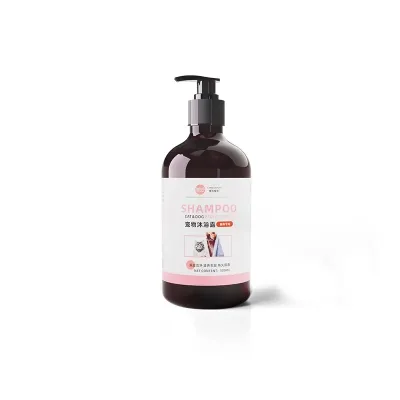
Pet Shampoo for Dogs Natural Hypoallergenic Shampoo Puppy and Dog Shampoo
$0.40 - $0.56
MOQ: 3000 Pieces



Comprehensive Sourcing Guide
Canine Shampoo Sourcing Guide
The global market for canine grooming products has expanded significantly, driven by the increasing recognition of pet health and the rising trend of professional pet care services. Sourcing high-quality shampoo for dogs requires a clear understanding of the specific formulation needs, ranging from basic cleansing to specialized treatments for sensitive skin or bacterial removal. Buyers must navigate a landscape where products are often marketed as "herbal" or "eco-friendly," yet the actual ingredient profiles and safety standards vary widely between manufacturers. This guide focuses on the critical verification steps necessary to ensure that the selected shampoo meets both regulatory requirements and the specific grooming needs of the target canine demographic.
Procurement decisions for Canine Shampoo hinge on balancing performance attributes with commercial viability. The observed product range includes formulations designed for all hair types and various sizes, from small to large breeds, with features emphasizing cleansing, moisturizing, and antibacterial properties. Buyers should prioritize suppliers who offer customization options, as the market demands specific scents, such as fruity or natural flavors, and packaging sizes that align with retail or wholesale distribution models. Understanding the distinction between general pet cleaning products and specialized grooming items is essential for selecting the right supplier who can deliver consistent quality across different product lines.
Product Scope and Observed Listing Signals
When evaluating product listings, buyers should look for specific signals that indicate the product's intended use and formulation type. The available data indicates a strong focus on pet cleaning and grooming, with products explicitly labeled for dogs and cats. Key attributes to verify include the physical form, which is predominantly liquid or gel, and the packaging type, which ranges from pet bottles to cartons with specific case dimensions. The presence of "herbal" or "natural" ingredient claims should be treated as observations rather than guaranteed facts, requiring further verification of the actual ingredient list to ensure safety and efficacy for canine skin.
Commercial signals in the market also reveal significant variability in minimum order quantities (MOQ) and pricing structures. While some listings suggest an MOQ as low as 10 units, others indicate a standard threshold of 5,000 pieces, reflecting the difference between sample orders and bulk production runs. Buyers must carefully assess the "free sample" offers, noting that express shipping fees are typically borne by the buyer, which can impact the initial cost of evaluation. Additionally, the observed price range of $0.20 to $4.98 USD suggests a wide spectrum of product tiers, necessitating a clear definition of quality expectations before engaging with suppliers to avoid mismatches in product specification and budget.
Technical Specifications to Verify
Technical verification begins with the physical and chemical properties of the shampoo, which directly impact its performance and safety. Buyers must confirm the pH level, as the observed data notes a "little alkaline" characteristic, which is a critical factor for canine skin health. The product specifications often include volume ranges from 125ml to 1L, with specific models like PS-002 and PS-006 indicating distinct packaging and size configurations. It is essential to verify that the selected model matches the intended application, whether for home use or professional grooming, and to ensure the packaging is robust enough to prevent leakage during transit.
Formulation details and application methods are equally critical for technical compliance. The products are generally designed for manual operation and are suitable for a wide range of canine sizes, from small to medium breeds. Buyers should verify the specific "Detergent Use" classification to ensure the product is intended for pet cleaning and grooming rather than general household use. Furthermore, the "Operation Type" being manual implies that the product must be easy to dispense and rinse, which is a key usability factor. Confirming the exact model number and its associated specifications, such as the 500ml/PCS packing size and case dimensions, ensures that the logistics and storage requirements are accurately planned.
Compliance and Safety Documentation
Regulatory compliance is a non-negotiable aspect of sourcing Canine Shampoo, particularly given the direct contact with animal skin and the potential for ingestion during grooming. The observed standards include ISO, SGS, and GMPC (ISO 22716: 2007), which are recognized benchmarks for cosmetic and personal care product manufacturing. Buyers must request current certification documents from suppliers to verify that the production facilities adhere to these specific standards. The presence of these certifications indicates a commitment to quality management and safety, but they should be validated against the specific batch of products being ordered to ensure ongoing compliance.
Safety documentation also extends to ingredient transparency and environmental impact claims. While many products are marketed as "eco-friendly" or containing "most natural ingredients," buyers should demand a detailed breakdown of the ingredient list to confirm the absence of harmful chemicals. The "Character" attribute of being eco-friendly should be supported by verifiable data regarding biodegradability and sourcing practices. Additionally, the "Brand Name" options, such as Huiji or OEM, require clear agreements on labeling and trademark usage to avoid legal disputes. Ensuring that all safety data sheets and compliance certificates are up-to-date and specific to the product model is essential for market entry and consumer trust.
Cost Drivers and Commercial Terms
Understanding the cost drivers in the Canine Shampoo market involves analyzing the relationship between product complexity, packaging, and order volume. The MOQ of 5,000 pieces for many suppliers suggests that economies of scale play a significant role in pricing, with lower unit costs achievable at higher volumes. Buyers should evaluate the trade-off between custom packaging, such as specific carton sizes or branded bottles, and the standard packaging options to optimize costs. The "prod_packing" attribute, which can be customized according to customer demand, introduces variable costs that must be factored into the total landed cost calculation.
Commercial terms regarding samples and shipping are also critical components of the procurement strategy. The "Sample" attribute indicates that while the product itself may be free, the express shipping fee is paid by the buyer, which can be a hidden cost in the initial evaluation phase. Buyers should negotiate clear terms for sample delivery and ensure that the cost of shipping is accounted for in the budget. Furthermore, the "prod_packing" details, such as the case size of 4431.530cm for 500ml units, directly impact freight costs and storage efficiency. Establishing a clear understanding of these logistical factors helps in creating a realistic total cost of ownership model.
Supplier Qualification and Quality Control
Supplier qualification requires a rigorous assessment of the manufacturer's capabilities, location, and production history. The observed data points to suppliers located in Hangzhou and Zhejiang, China, which are known manufacturing hubs for cosmetic and pet care products. Buyers should verify the supplier's production capacity and their ability to meet the specific MOQ requirements, which can range from 10 to 10,000 units depending on the product line. It is also important to confirm the supplier's experience with OEM services, as many buyers require private labeling and custom formulation to differentiate their products in the market.
Quality control processes must be integrated into the procurement workflow to ensure consistent product performance. Buyers should request a detailed quality control plan that includes in-process inspections and final product testing. The "prod_standard" attributes, such as ISO and GMPC, provide a baseline for quality, but on-site audits or third-party inspections may be necessary to verify adherence to these standards. Additionally, the "Feature" attributes like cleansing, moisturizing, and antibacterial properties should be validated through performance testing to ensure they meet the claimed specifications. Establishing a strong quality control partnership with the supplier is essential for maintaining product integrity and brand reputation.
Long-Term Procurement Checks
Sustaining a successful procurement relationship for Canine Shampoo requires ongoing monitoring of supplier performance and market trends. Buyers should establish regular review cycles to assess the supplier's ability to maintain consistent quality, meet delivery schedules, and adapt to changing regulatory requirements. The "prod_origin" and "prod_standard" attributes should be re-verified periodically to ensure that the manufacturing processes have not deviated from the agreed-upon standards. Long-term checks also involve monitoring the supply chain for potential disruptions, such as raw material shortages or logistical challenges, which could impact the availability of the product.
Strategic planning for future procurement should include evaluating the potential for product innovation and expansion. As the market evolves, buyers should look for opportunities to introduce new formulations, such as those with enhanced natural ingredients or specialized scents, to meet changing consumer preferences. The "Customization" attribute offers a pathway for developing unique products that can differentiate the brand in a competitive market. By maintaining a proactive approach to supplier management and product development, buyers can ensure a steady supply of high-quality Canine Shampoo that meets the evolving needs of pet owners and grooming professionals.
FAQs
Can I get a free sample of this Canine Shampoo?
Yes, free samples are available for quality verification. However, the express shipping fee must be paid by the buyer. This allows you to test the herbal formula and moisturizing features before committing to a bulk order of 5000 pieces.
What certifications do the pet shampoo manufacturers hold?
The production facilities adhere to ISO, SGS, and GMPC standards, specifically ISO 22716: 2007. These certifications ensure that the manufacturing process meets international quality and safety requirements for cosmetic and pet care products, providing assurance for your sourcing needs.
What is the minimum order quantity for this product?
The standard minimum order quantity is 5000 pieces. This MOQ applies to the customizable pet shampoo options. Buyers should consider this volume when planning their initial procurement strategy, as it ensures efficient production runs and cost-effective pricing for the herbal formula.
Where are these Canine Shampoo products manufactured?
These products originate from Hangzhou, Zhejiang, China. The manufacturing location supports efficient logistics and supply chain management. Buyers can rely on this established industrial base for consistent quality and timely delivery of the pet cleaning and grooming solutions.
Is the pet shampoo suitable for all hair types?
Yes, the formula is designed for all hair types and is unisex. It features herbal ingredients that provide cleansing, moisturizing, and antibacterial benefits. The product is safe for both dogs and cats, making it a versatile choice for various pet grooming requirements.
What packaging options are available for bulk orders?
Packaging can be customized according to product requirements or customer demands. Options include pet bottles with cartons or specific carton sizes like 500ml per piece. This flexibility allows buyers to tailor the presentation to their brand identity and distribution channels.