Source Capacitive PNP Proximity Switch Sensor for Automation
Compare 30 available Capacitive PNP Proximity Switch Sensor models from verified Chinese manufacturers. Buyers can evaluate specifications like detection distance, voltage, and output types to select the right sensor for industrial automation applications.
Key considerations
Products List


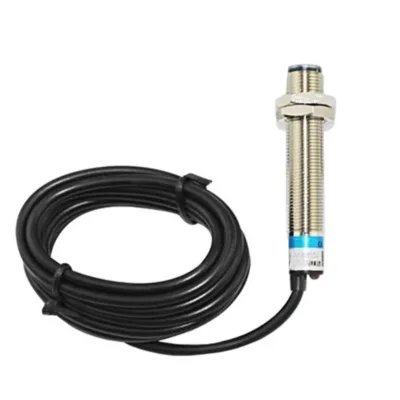
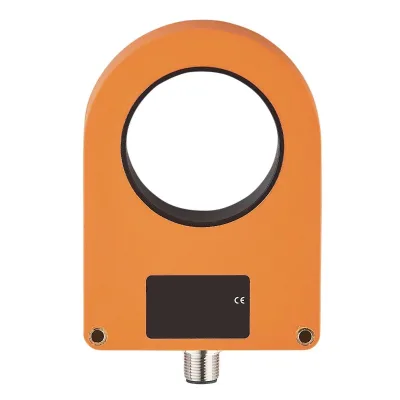
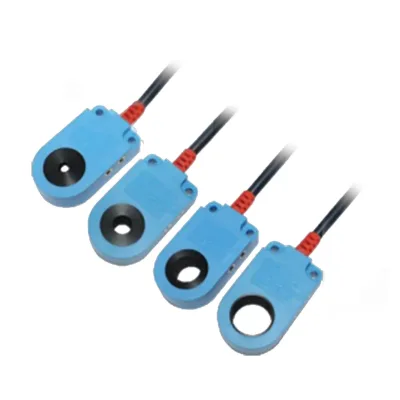
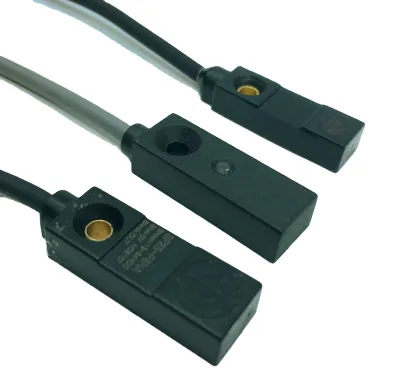
Comprehensive Sourcing Guide
Strategic Sourcing Guide for Capacitive PNP Proximity Switch Sensors
Understanding the Core Technology and Operating Principles
When sourcing a Capacitive PNP Proximity Switch Sensor, buyers must first distinguish the underlying operating principle from other sensor types. The core keyword implies a device that detects the presence of an object without physical contact, specifically utilizing the change in capacitance to trigger a switching action. Unlike inductive sensors that are limited to metallic objects, capacitive sensors are uniquely capable of detecting non-metallic objects, including liquids, powders, wood, and plastics. This capability makes them indispensable in packaging, food processing, and chemical industries where the target material varies widely.
The "PNP" designation refers to the output transistor configuration. In a PNP (Positive-Negative-Positive) output, the sensor source current to the load when activated. This is often preferred in modern PLC (Programmable Logic Controller) systems that require a positive voltage signal to trigger an input. The supplied product data confirms that these devices operate on a switching principle with an output signal type defined as "Switching Type." The electrical interface typically involves a three-wire configuration, as observed in the data, with a standard cable length of 2 meters. This wiring setup simplifies integration into existing control panels while ensuring a robust connection.
The sensing mechanism relies on the formation of an electric field. When a target object enters this field, the capacitance changes, causing the internal oscillator to trigger the output transistor. The observed data indicates a detection distance of approximately 10mm to 13mm, with some models offering adjustable sensing distances. This adjustability is a critical feature for buyers, as it allows for fine-tuning the sensor to the specific thickness or density of the material being detected, minimizing false triggers from background noise or nearby structures.
Technical Specifications and Performance Parameters
Evaluating the technical specifications is the most critical step in ensuring the sensor will function reliably in the intended environment. The supplied facts highlight a specific voltage supply range of 12-24 VDC. This wide operating voltage window provides flexibility for integration with various industrial power supplies, though buyers must verify that their specific power source remains stable within this range to prevent erratic switching. The power supply requirement is consistent across the observed product models, ensuring compatibility with standard industrial control voltages.
Performance metrics such as response time and frequency are vital for high-speed automation lines. The data indicates a response time of 0.5ms and a frequency of 200Hz. These figures suggest the sensor is suitable for applications requiring rapid detection cycles, such as counting items on a fast-moving conveyor belt. However, buyers should note that the actual usable frequency may be lower depending on the load current and the specific wiring length used in the field. The load current is specified as 100mA, which is a standard rating for driving small relays or PLC inputs directly, but buyers must ensure the total load does not exceed this limit to avoid damaging the output transistor.
Physical dimensions and material composition also play a significant role in the selection process. The sensors are available in various shapes, including square housings measuring 501020mm, and are constructed from materials such as plastic or PBT (Polybutylene Terephthalate). PBT is a high-performance engineering plastic known for its chemical resistance and thermal stability, making it suitable for harsh environments. Some models feature a metal case, which may offer additional mechanical protection but could influence the sensing distance for metallic objects. The weight of the unit is approximately 40g, indicating a compact design that is easy to mount in tight spaces.
Environmental Ratings and Protection Standards
Industrial environments often present challenges such as dust, moisture, and temperature extremes. The protection degree, or IP rating, is a primary indicator of a sensor's durability. The observed data lists IP67 and IP66 ratings. An IP67 rating implies the device is dust-tight and can withstand temporary immersion in water, while IP66 indicates protection against powerful water jets. Buyers must select the rating that matches their specific application; for example, a sensor used in a wash-down area requires at least IP67, whereas a sensor in a dry, dusty factory might only need IP66.
Operating temperature ranges are equally critical for long-term reliability. The supplied specifications show an operating temperature range of -25°C to 70°C, with some models rated from -20°C to 70°C. This range covers most standard industrial applications, but buyers working in extreme climates, such as unheated warehouses in winter or outdoor installations in summer, must verify that the ambient temperature stays within these limits. Exceeding the maximum temperature can degrade the internal electronics, while temperatures below the minimum can affect the response time or cause condensation issues.
The sensing object material is another environmental factor. The data explicitly notes that these sensors are designed for non-metallic objects, with a standard sensing object size of 30*30mm for non-metallic targets. This confirms the capacitive nature of the device. However, the presence of nearby metallic structures can still affect the electric field and alter the sensing distance. Buyers should account for this in their installation planning, ensuring adequate clearance from other conductive materials to maintain the specified 10mm to 13mm detection range.
Compliance, Certification, and Regulatory Adherence
In the global B2B market, compliance with international standards is non-negotiable. The product data confirms that the sensors carry CE and RoHS certifications. The CE marking indicates conformity with health, safety, and environmental protection standards for products sold within the European Economic Area. RoHS (Restriction of Hazardous Substances) compliance ensures that the sensor does not contain specific hazardous materials, such as lead or mercury, which is a requirement for electronics in many jurisdictions.
Beyond these specific marks, buyers should verify that the supplier adheres to the "Standard" classification mentioned in the product attributes. This implies the device meets general industry norms for electrical safety and performance. The data also lists "ISO" as a certification attribute, suggesting the manufacturing process may be ISO-certified, though the specific ISO standard (e.g., ISO 9001 for quality management) is not detailed. Buyers should request documentation to confirm the exact scope of the ISO certification to ensure it aligns with their own quality assurance requirements.
The origin of the product is listed as Hunan, China, or generally China. While the country of origin is a logistical detail, it is important for buyers to understand that the manufacturing standards in the region can vary. The presence of CE and RoHS marks is a strong indicator that the manufacturer has undergone testing to meet these specific regulatory requirements. However, buyers should remain vigilant and request test reports or certificates of conformity to validate these claims, especially when importing into regions with strict regulatory oversight.
Cost Drivers and Procurement Economics
The cost of capacitive PNP proximity sensors is influenced by several factors, including the material of the housing, the protection rating, and the level of customization. The observed price range in the market is between 0.1 and 45 USD, a wide spectrum that reflects the diversity of product configurations. Lower-cost units typically feature plastic housings with standard IP ratings and fixed sensing distances. Higher-cost units may include metal cases, higher IP ratings (such as IP67), adjustable sensing distances, or specialized certifications.
Minimum Order Quantity (MOQ) is another significant economic factor. The data indicates an MOQ range of 1 to 100 units. This flexibility allows buyers to order small quantities for prototyping or testing purposes without a significant financial commitment. However, for large-scale production runs, negotiating a lower unit price by increasing the order volume is a standard practice. Buyers should also consider the packaging, which is listed as "Carton" or "1PCS in Plastic Bag." Bulk packaging can reduce shipping costs and handling time, making it a consideration for large orders.
Customization is a key driver of cost and lead time. The product attributes confirm that customization is available, with options for specific models like FKCN2210-P or Fkct10-P. Custom orders may involve changes to cable length, connector type, or sensing distance. While this adds value, it typically increases the unit cost and extends the lead time. Buyers must balance the need for specific features against the budget and timeline constraints of their project.
Supplier Evaluation and Quality Assurance
Selecting the right supplier is as important as selecting the right product. Buyers should evaluate suppliers based on their ability to provide consistent quality and reliable after-sales support. The data mentions a warranty period of 18 months, which is a positive indicator of the manufacturer's confidence in their product. However, buyers should verify the terms of this warranty, including what is covered and the process for claims.
Quality control should be a priority during the procurement process. The production process is described as "Integration," suggesting a streamlined manufacturing approach. Buyers should request information on the supplier's quality control procedures, such as in-process testing and final inspection protocols. The repeat accuracy of the sensor is listed as less than 2% of the sensing distance, a metric that indicates high precision. Buyers should ask for test data to verify this claim, especially if the application requires high repeatability.
The connection method and wiring are also points of evaluation. The standard wiring is three wires with a 2-meter cable length. Buyers should confirm that the cable material is suitable for their environment, particularly if the sensor will be exposed to chemicals or abrasion. The mounting method, listed as "PNP No" in some contexts, likely refers to the output type rather than the physical mounting. Buyers should clarify the physical mounting options, such as flush or non-flush mounting, to ensure compatibility with their machinery.
Long-Term Procurement and Application Strategy
For long-term success, buyers must consider the lifecycle of the sensor and the availability of replacement parts. The standard sensing object size of 30*30mm and the adjustable sensing distance provide a degree of versatility that can extend the useful life of the sensor in changing production environments. However, buyers should also consider the obsolescence risk. The specific model numbers, such as FKCN2210-P and FKCN2210-N, suggest a defined product line. Buyers should inquire about the supplier's policy on product discontinuation and the availability of future replacements.
The application scope is broad, ranging from detecting non-metallic objects to level sensing in tanks. The capacitive principle allows for the detection of materials that inductive sensors cannot, making these devices a versatile choice for diverse industries. Buyers should map out their specific use cases and ensure the sensor's specifications, such as the 12-24 VDC supply and 100mA load current, align with their system requirements.
Finally, buyers should plan for maintenance and troubleshooting. The contactless nature of the sensor reduces wear and tear, but the electronic components can still fail due to environmental stress. Establishing a relationship with a supplier who offers technical support and spare parts is essential. The 18-month warranty provides a safety net, but proactive maintenance and regular inspection of the sensor's condition can prevent unexpected downtime. By carefully evaluating the technical specifications, compliance, and supplier capabilities, buyers can secure a reliable supply of capacitive PNP proximity switch sensors that meet their operational needs.
Comparative Analysis of Sensor Configurations
To assist in decision-making, the following table summarizes the key variations observed in the product data. This comparison highlights the differences in output type, material, and protection ratings that buyers should consider.
| Feature | Configuration A | Configuration B | Configuration C |
|---|---|---|---|
| Output Type | PNP | NPN | PNP or NPN |
| Housing Material | Plastic / PBT | Metal | Plastic |
| Protection Degree | IP67 | IP66 | IP66 |
| Sensing Distance | 10mm | 13mm Adjustable | 10mm Adjustable |
| Sensing Object | Non-Metallic | Non-Metallic | Non-Metallic |
| Voltage Supply | 12-24 VDC | 12-24 VDC | 12-24 VDC |
| Wiring | 3 Wires, 2m | 3 Wires | 3 Wires |
| Certification | CE, RoHS, ISO | CE, RoHS | CE, RoHS |
This table illustrates that while the core technology remains consistent, the specific configuration can vary significantly. Buyers must match these attributes to their specific application requirements to ensure optimal performance and longevity. The availability of both PNP and NPN outputs, along with adjustable sensing distances, provides the flexibility needed for complex industrial environments. By carefully analyzing these factors, buyers can make informed decisions that align with their procurement goals and operational standards.
FAQs
What is the operating voltage for these sensors?
These sensors operate on a 12-24 VDC supply voltage. This wide range ensures compatibility with standard industrial power supplies, though buyers must verify their specific power source remains stable within this range to prevent erratic switching.
Which objects can these capacitive sensors detect?
These sensors detect non-metallic objects such as liquids, powders, wood, and plastics. They utilize a change in capacitance to trigger a switching action, making them suitable for packaging and food processing industries where target materials vary widely.
How long is the response time for this sensor?
The response time is 0.5 milliseconds with a frequency of 200Hz. These figures suggest the sensor is suitable for high-speed automation lines, such as counting items on a fast-moving conveyor belt requiring rapid detection cycles.
What protection degree do these sensors have?
The sensors feature IP67 or IP66 protection degrees. An IP67 rating implies the device is dust-tight and can withstand temporary immersion in water, while IP66 indicates protection against powerful water jets for harsh environments.
Can these sensors be customized for specific needs?
Customization is available for these sensors, including specific models and cable lengths. Custom orders may involve changes to sensing distance or connector type, which typically increases the unit cost and extends the lead time for the buyer.
What certifications do these sensors carry?
The sensors carry CE and RoHS certifications. The CE marking indicates conformity with health and safety standards for the European Economic Area, while RoHS compliance ensures the device does not contain specific hazardous materials like lead or mercury.