Source SMD Board Mount Temperature Sensors for Electronics
Find 30 SMD Board Mount Temperature Sensors from China. Compare digital and analog options with PT100 or NTC elements. Evaluate IP ratings, temp ranges, and customization for reliable thermal monitoring; compare the available evidence and request quotations based on your requirements.
Key considerations
Products List


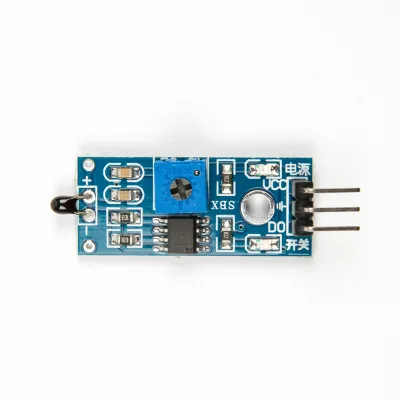


High Sensitive High Temperature Resistance Temperature Sensor Thermal Sensor
$5.00 - $65.00
MOQ: 5 Pieces


Temperature and Pressure Sensors Medical Grade Precision Detection Sensors
$1.00 - $4.00
MOQ: 1000 Pieces


Comprehensive Sourcing Guide
SMD Board Mount Temperature Sensors Sourcing Guide
Procuring surface-mount device (SMD) temperature sensors requires a clear understanding of the distinct technological families available in the current market. Buyers must distinguish between resistive elements, such as the PT100 and NTC variants observed in listings, and thermocouple-based solutions. Each type offers different trade-offs regarding linearity, sensitivity, and operating temperature ranges. For instance, resistive sensors often provide high accuracy within specific limits, while thermocouples may offer broader range capabilities but require cold-junction compensation. Understanding these fundamental differences is the first step in aligning sensor selection with the thermal profile of the target electronic assembly.
The physical form factor and mounting method are equally critical for successful integration into printed circuit boards. Surface-mount technology demands components that can withstand reflow soldering profiles without degrading performance or structural integrity. Buyers should verify the mechanical stability of the sensor element, particularly when dealing with ceramic or resin-based housings. The choice between standard packaging and customized configurations will impact both the assembly process and the final reliability of the device. Ensuring that the sensor footprint matches the design layout prevents costly re-spins and ensures consistent thermal contact with the monitored surface.
Product Scope and Observed Listing Signals
Market listings for SMD temperature sensors reveal a diverse range of product models and material compositions. Observations indicate the presence of ceramic-based sensors capable of withstanding higher thermal stresses, alongside resin surface-mount variants designed for general-purpose applications. The observed temperature ranges vary significantly, with some units rated for -200 to 850°C and others limited to -30 to 105°C. This disparity highlights the importance of matching the sensor’s thermal rating to the specific operational environment of the end product. Buyers must carefully review the stated temperature limits to avoid premature failure due to thermal overload.
Signal output types also differ across the observed product spectrum, including both digital and analog options. Resistive sensing elements like PT100 and NTC typically require external conditioning circuits, whereas digital outputs may simplify integration into microcontroller-based systems. Additionally, some listings mention specific pressure resistance and voltage withstand capabilities, which are crucial for robust industrial applications. The presence of customization options suggests that suppliers can tailor cable lengths, shell dimensions, and other physical attributes to meet unique design constraints. This flexibility allows for optimized integration but requires precise communication of requirements during the sourcing phase.
Technical Specifications to Verify
Accuracy and precision are paramount when selecting temperature sensors for critical applications. Buyers should verify the accuracy class, such as 1/3B, A, B, or 2B, which defines the permissible deviation from the true temperature value. These classes determine the suitability of the sensor for high-precision measurement tasks versus general monitoring. It is essential to confirm whether the stated accuracy applies across the entire operating range or only within a specific subset. Misinterpreting accuracy specifications can lead to significant measurement errors in quality control or safety-critical systems.
Electrical characteristics and environmental ratings must also be rigorously evaluated. Parameters such as voltage resistance, typically tested at 1000V AC for 60 seconds, indicate the insulation quality and safety margin of the component. The IP rating and pressure resistance, often cited as less than 0.5MPa for certain resin models, provide insight into the sensor’s durability against moisture and mechanical stress. Buyers should also consider the life cycle, with some sensors rated for 100,000 cycles, to ensure long-term reliability. Verifying these technical details against the application’s environmental conditions prevents unexpected field failures.
Compliance and Safety Documentation
Regulatory compliance is a non-negotiable aspect of sourcing electronic components for global markets. Buyers must ensure that suppliers provide relevant certifications, such as ISO standards, which indicate adherence to quality management systems. While specific product certifications may vary, the presence of ISO certification suggests a structured approach to manufacturing consistency and traceability. It is crucial to request documentation that confirms the materials used are free from restricted substances, aligning with international environmental regulations. This due diligence protects the buyer from legal liabilities and ensures market access in regulated regions.
Safety standards related to electrical insulation and thermal performance should be explicitly confirmed. Although specific standards like IEC 60751 are mentioned in background contexts, buyers should verify if the supplier’s products meet the latest revisions of such standards. Documentation should include test reports for voltage withstand and insulation resistance, providing evidence of compliance with safety requirements. Additionally, understanding the shipping and handling guidelines is important, as improper storage can affect sensor performance. Ensuring that all safety documentation is up-to-date and readily available simplifies the approval process for end customers.
Cost Drivers and Commercial Terms
Pricing for SMD temperature sensors is influenced by several factors, including material composition, accuracy class, and customization level. The observed price range of 0.1 to 381 USD reflects the diversity in product complexity and performance capabilities. Basic resistive sensors may be available at lower price points, while specialized thermocouples or high-accuracy digital sensors command higher premiums. Buyers should analyze the total cost of ownership, considering not just the unit price but also the cost of integration and potential failure rates. Bulk purchasing often reduces unit costs, but minimum order quantities (MOQs) can range from 1 to 1000 units, impacting inventory management.
Commercial terms such as payment methods and shipping options also play a significant role in the procurement process. Suppliers may offer various payment options, including PayPal, TT, and Trade Assurance, which provide different levels of security for both parties. Shipping via carriers like DHL, UPS, or FedEx ensures timely delivery but adds to the overall cost. Buyers should negotiate clear terms regarding lead times, packaging standards, and return policies. Understanding these commercial dynamics helps in budgeting accurately and maintaining a stable supply chain, especially when dealing with customized or high-volume orders.
Supplier Qualification and Quality Control
Evaluating supplier capability is essential for ensuring consistent quality and reliable supply. Buyers should assess the supplier’s production processes, such as injection molding for resin components or ceramic processing for high-temperature sensors. A robust quality control system should include incoming material inspection, in-process monitoring, and final product testing. Suppliers with ISO certification are likely to have established procedures for maintaining product consistency. It is advisable to request samples for initial testing to verify performance against specifications before committing to larger orders.
Communication and responsiveness are also key indicators of supplier reliability. Suppliers that offer customization options demonstrate flexibility and a customer-centric approach. Buyers should evaluate the supplier’s ability to provide technical support and address queries promptly. Clear documentation of product models, packing standards, and origin details, such as Guangdong, China, aids in traceability and accountability. Establishing a strong relationship with a qualified supplier can lead to better pricing, priority production, and collaborative problem-solving, ultimately enhancing the competitiveness of the buyer’s final product.
Long-Term Procurement Checks
Continuous monitoring of supplier performance is necessary to maintain quality and supply stability. Buyers should regularly review key performance indicators such as defect rates, delivery times, and responsiveness to issues. Periodic audits or requests for updated test reports can help verify that the supplier’s quality management system remains effective. Additionally, staying informed about changes in industry standards or material regulations ensures ongoing compliance. Proactive engagement with suppliers can facilitate early detection of potential supply chain disruptions or quality drifts.
Technological advancements and market trends should also be considered for future sourcing decisions. As electronic devices become more compact and efficient, the demand for smaller, more accurate sensors may increase. Buyers should explore new product offerings from their suppliers, such as updated models with improved accuracy or digital interfaces. Maintaining a diversified supplier base can mitigate risks associated with single-source dependencies. By regularly reassessing procurement strategies and supplier capabilities, buyers can ensure that their temperature sensor supply chain remains robust, cost-effective, and aligned with evolving product requirements.
FAQs
What sensing types are available for these temperature sensors?
Available sensing types include thermocouple and resistive options. The product list shows specific models like PT100 and NTC sensors. Some units feature digital output signals while others provide analog signals. This variety supports different industrial measurement needs across various temperature ranges.
Which temperature ranges do these sensors cover?
The sensors cover ranges from -200 to 850 degrees Celsius for high-temperature applications. Other models operate between -30 and 105 degrees Celsius for general use. Specific ranges depend on the sensor element type and shell construction materials used in the manufacturing process.
Can I request custom specifications for these sensors?
Yes, customization is available for many product attributes. Buyers can specify cable lengths of 500, 1000, or 2000 millimeters. Shell dimensions like width and length can also be tailored to specific project requirements while maintaining standard production processes.
What certifications do these temperature sensors hold?
Some products carry ISO certification as a standard quality assurance measure. The manufacturing process follows established standards to ensure reliability. Buyers should verify specific certification documents for each model when sourcing from different suppliers in the region.
How are these sensors packaged for shipment?
Standard packaging is used for most items, with some models packed at 200 pieces per carton. Shipping options include major carriers like DHL, UPS, and FedEx. The packaging ensures protection during transit from the origin location in China to the destination.
What is the typical voltage resistance rating?
The sensors typically withstand 1000 volts AC for 60 seconds at 50Hz. Current during this test remains less than 1 milliampere. This rating ensures safety and reliability in electrical environments where high voltage isolation is required for proper operation.
Which materials are used in sensor construction?
Ceramics are a primary material used in the production process for these sensors. The shell and internal components utilize ceramic materials for durability. This material choice supports high-temperature resistance and stable performance in demanding industrial environments.
What is the minimum order quantity for these sensors?
The minimum order quantity ranges from 1 to 1000 units depending on the supplier. Single item selling units are available for small trials. Bulk orders may offer better pricing while maintaining the standard production capacity and lead times.