Source Greenhouse Soil Humidity Controller for Farms, Greenhouses, and Nurseries
Find 30 verified products for the Greenhouse Soil Humidity Controller to compare specifications like accuracy, power supply, and installation types. Buyers can evaluate options ranging from wall-mounted sensors to integrated systems for commercial and household use; compare the available evidence and request quotations based on your requirements.
Key considerations
Products List


Carbon Dioxide Controller for Greenhouse, Hydroponics and Indoor Plant.
$76.80 - $92.40
MOQ: 50 Pieces


Greenhouse Temperature Controller Digital Temperature Controller Thermostat
$3.69 - $11.99
MOQ: 200 Pieces


RS485 3 Layers Soil Moisture Sensor 5 Layers Temperature and Humidity Transmitter
$150.00 - $200.00
MOQ: 1 Pieces


Smart Greenhouse Ventilation Controller for Enhanced Efficiency and Performance
$25.00 - $30.00
MOQ: 1 Square Meters


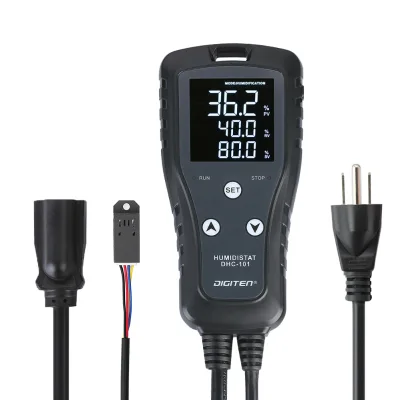

Temperature Humidity Controls for Greenhouses Climate Control Panel Single Span Greenhouse
$3.00 - $5.90
MOQ: 120 Square Meters


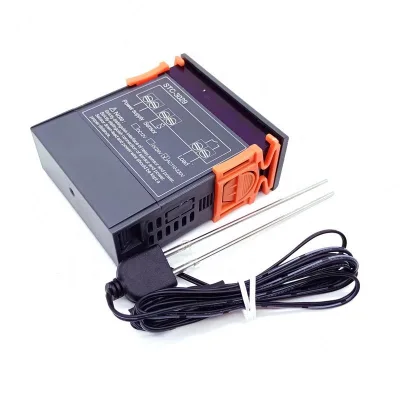


up to 2 Channel Enclosure Tempearature and Humidity Controller with Sensor
$15.00 - $30.00
MOQ: 1 Pieces


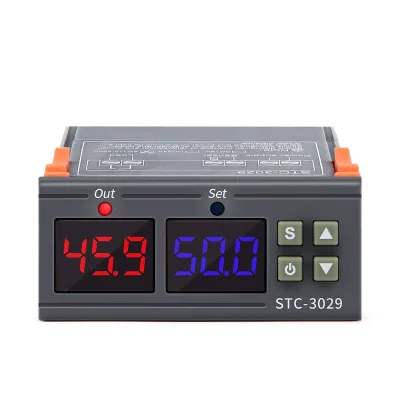


Digital Soil Sensor for Greenhouse Climate and Irrigation Management
$10.00 - $15.00
MOQ: 100 Square Meters
Comprehensive Sourcing Guide
Greenhouse Soil Humidity Controller Sourcing Guide
Procuring reliable environmental control systems for agricultural operations requires a clear understanding of the specific hardware capabilities and integration requirements. Buyers must distinguish between general atmospheric sensors and specialized soil moisture monitoring devices to ensure accurate data collection. The selection process involves evaluating sensor accuracy, power supply compatibility, and installation methods to match the specific needs of the greenhouse infrastructure.
This guide focuses on the technical and commercial aspects of sourcing these critical components. It addresses the verification of product specifications, compliance documentation, and supplier qualifications. By adhering to structured procurement practices, buyers can mitigate risks associated with equipment failure and ensure long-term operational efficiency in controlled environment agriculture.
Product Scope and Observed Listing Signals
The market for greenhouse environmental controls includes a diverse range of devices, from simple digital thermometers to complex integrated sensor networks. Observed listings indicate a wide price range, reflecting variations in sensor precision, material quality, and additional features such as digital displays or wireless connectivity. Buyers should carefully review product models and packing standards to identify units suitable for harsh greenhouse environments.
Specific product attributes highlight the importance of customization and installation type. Many available units offer wall-mounted configurations and support DC power supplies, which are common in industrial settings. The presence of soil-specific sensors and high-precision semiconductor technology suggests that buyers can find specialized tools for monitoring both atmospheric and ground-level conditions within the same procurement cycle.
Technical Specifications to Verify
Verifying technical parameters is essential for ensuring that the selected controllers meet the operational demands of the greenhouse. Key attributes to confirm include temperature and humidity accuracy, probe working ranges, and power supply requirements. For instance, some units specify a temperature accuracy of ±0.5℃ and humidity accuracy of ±3%Rh, which are critical for maintaining optimal growing conditions.
Buyers must also assess the physical specifications and material composition of the devices. Features such as LCD displays, digital interfaces, and specific probe dimensions influence usability and installation complexity. Additionally, checking the sensor type, such as high-precision semiconductor sensors, helps determine the device's responsiveness and long-term stability in varying environmental conditions.
Compliance and Safety Documentation
Ensuring that all purchased equipment meets relevant safety and certification standards is a fundamental requirement for professional procurement. Certifications such as CE mark the compliance with European health, safety, and environmental protection standards, which is often a prerequisite for importing and operating electronic devices in many markets. Buyers should request valid certification documents from suppliers to verify legal compliance.
Beyond certifications, warranty and after-sales service terms provide crucial protection for the buyer. Standard warranties of one year and defined after-sales support structures indicate a supplier's confidence in their product quality. These terms should be clearly documented in the purchase agreement to ensure that any potential defects or malfunctions are addressed promptly without additional cost to the buyer.
Cost Drivers and Commercial Terms
The total cost of ownership for greenhouse controllers is influenced by several factors, including unit price, minimum order quantities, and shipping methods. Observed data shows a broad price spectrum, allowing buyers to select options that fit their budget while meeting technical requirements. Understanding the relationship between price and specifications helps in making informed purchasing decisions that balance cost and performance.
Commercial terms such as MOQ and packaging standards also impact the overall procurement strategy. Suppliers may offer different packing options, from single items to bulk shipments, which affect logistics and storage requirements. Buyers should negotiate clear terms regarding delivery schedules and payment methods to avoid unexpected costs and ensure a smooth transaction process.
Supplier Qualification and Quality Control
Evaluating supplier qualifications is vital for establishing a reliable supply chain for greenhouse equipment. Buyers should verify the supplier's production capabilities, including their manufacturing processes and quality control measures. Suppliers located in key manufacturing regions, such as Shandong, China, often have established infrastructure for producing electronic sensors and control panels.
Quality control practices, such as the use of ESD antistatic bags for sensitive components, demonstrate a supplier's attention to detail and product protection. Buyers should inquire about the supplier's experience in the industry and their ability to provide customized solutions. Establishing a strong relationship with a qualified supplier ensures consistent product quality and reliable support throughout the procurement lifecycle.
Long-Term Procurement Checks
Long-term success in sourcing greenhouse controllers depends on continuous monitoring of product performance and supplier reliability. Buyers should implement regular checks to ensure that the equipment continues to meet accuracy and durability standards over time. Tracking performance metrics, such as sensor drift or power consumption, helps identify potential issues before they affect greenhouse operations.
Maintaining open communication with suppliers for feedback and updates is also crucial. Buyers should stay informed about new technologies and improvements in sensor technology that could enhance their greenhouse management systems. By proactively managing their procurement strategy, buyers can optimize their operations and achieve better crop yields through precise environmental control.
FAQs
How is the temperature accuracy defined for this controller?
The temperature accuracy is defined as ±0.5℃ at 25℃. This precision ensures reliable monitoring within the probe working temperature range of -40℃ to +80℃ for stable greenhouse conditions.
What humidity accuracy can be expected from the sensor?
The humidity accuracy is specified as ±3%Rh at 60%Rh and 25℃. The sensor operates effectively across a humidity range of 0%Rh to 100%Rh for precise environmental control.
Which power supply voltage is required for operation?
The device requires a DC 10-30V power supply to function correctly. This voltage range supports the integration process and ensures stable performance for wall-mounted installation types in commercial greenhouses.
Can the product be customized for specific needs?
Yes, customization is available for this product. Buyers can request specific configurations while the standard model remains RS-WS-*-2D-*-T, ensuring flexibility for various greenhouse soil humidity control applications.
What certification does the product hold for safety?
The product holds CE certification, indicating compliance with relevant safety standards. This certification applies to the sensor and controller units manufactured in Shandong, China, ensuring quality for international buyers.
How is the product packed for shipping?
Packaging options include single items, ESD antistatic bags, or color boxes depending on the specific model. Standard dimensions vary, with some units packed in boxes measuring 155*70*30mm for safe transport.
What is the minimum order quantity for this item?
The minimum order quantity is 200 pieces for certain models. This MOQ applies to the high-precision semiconductor sensor units designed for commercial greenhouse usage and requires standard after-sales service coverage.