Source Pnp Three-Wire Inductive Proximity Sensor for Automation
Find reliable Pnp Three-Wire Inductive Proximity Sensor options for factory automation, packaging lines, and CNC machinery. Compare 30 available models featuring M18 heads, IP67 ratings, and 12-24V DC power supplies to identify the best fit for your industrial sensing needs.
Key considerations
Products List


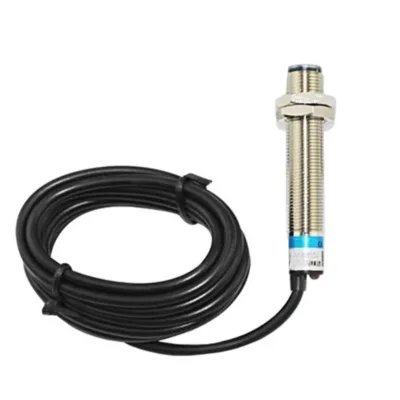
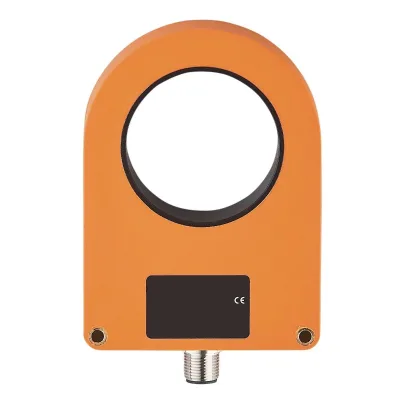
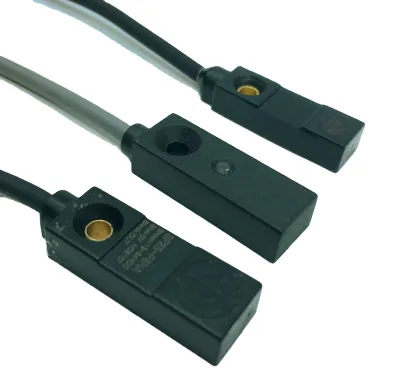
Comprehensive Sourcing Guide
Pnp Three-Wire Inductive Proximity Sensor Sourcing Guide
Procuring a PNP three-wire inductive proximity sensor requires careful alignment between the sensor's output logic and the control system's input requirements. While the provided product data highlights several NPN configurations, buyers must specifically verify the presence of PNP output options to ensure compatibility with standard PLC inputs that source current. The distinction between NPN and PNP is critical, as a mismatch can lead to immediate system failure or the need for complex external wiring adapters.
Buyers should scrutinize the product specifications for explicit mentions of PNP logic, as the observed listings frequently default to NPN types. The core keyword search often yields mixed results, necessitating a direct confirmation of the output transistor type before finalizing any order. This verification step prevents costly integration errors and ensures the sensor can correctly signal the presence of a metallic target to the automation controller without additional signal conditioning hardware.
Product Scope and Observed Listing Signals
The observed market listings for inductive proximity sensors reveal a diverse range of sensing distances, from 2mm to 8mm, catering to various precision requirements in industrial automation. The product data indicates that standard sensing objects are typically defined as iron cubes of specific dimensions, such as 8x8x1mm or 10x10x1mm, which serves as a baseline for evaluating sensor performance claims. Buyers must understand that the actual detection distance can vary significantly based on the target material and size, requiring empirical testing for critical applications.
Listing signals also show variations in housing materials, including SUS304 stainless steel and ABS plastic, which dictate the environmental durability of the sensor. The presence of shielded and non-shielded variants suggests that electromagnetic interference is a known factor in the selection process, influencing the choice of sensor for high-noise environments. Procurement teams should prioritize sensors with IP67 waterproof ratings to ensure reliability in harsh industrial settings where dust and water exposure are common operational hazards.
Technical Specifications to Verify
Technical verification must begin with the operating voltage range, as the supplied data consistently cites a 12-24V DC supply requirement with a tolerance of 10%. Buyers need to confirm that their power supply units can maintain stable voltage within this range to prevent erratic sensor behavior or premature failure. Additionally, the load current capacity, often listed around 100mA at 24V, must be sufficient to drive the connected load without exceeding the sensor's internal limits, which could lead to overheating or damage.
Response frequency and reaction time are equally critical parameters that determine the sensor's suitability for high-speed production lines. The observed data includes response frequencies ranging from 600Hz to 800Hz and reaction times as fast as 0.5ms, which are essential for detecting rapidly moving objects. Procurement specialists should validate these figures against the specific cycle times of their machinery to ensure the sensor can reliably detect targets without missing pulses or causing signal lag in the control loop.
Compliance and Safety Documentation
Compliance documentation is a non-negotiable aspect of sourcing industrial sensors, with the observed listings frequently citing ISO, RoHS, and CE certifications. These certifications indicate that the products meet international standards for environmental safety and electromagnetic compatibility, which is often a prerequisite for exporting goods or operating in regulated markets. Buyers should request valid certification certificates from suppliers to verify that the specific batch of sensors adheres to these standards, rather than relying solely on general product descriptions.
Safety features such as polarity reversal protection are vital for preventing damage during installation errors or wiring faults. The provided facts confirm that many units include this protection, which safeguards the internal electronics if the positive and negative power lines are accidentally swapped. Procurement teams must ensure that the selected sensors explicitly state this feature in their datasheets, as it significantly reduces the risk of field failures and minimizes downtime associated with component replacement.
Cost Drivers and Commercial Terms
Cost drivers for inductive proximity sensors are heavily influenced by the housing material and the level of customization required. Stainless steel models, such as those made from SUS304, typically command a higher price point compared to plastic or ABS variants due to the superior durability and corrosion resistance they offer. Buyers should evaluate whether the application environment justifies the premium for metal housings or if a plastic alternative provides adequate protection at a lower cost, balancing performance needs with budget constraints.
Commercial terms, including minimum order quantities and lead times, vary significantly across suppliers and must be negotiated clearly before placing an order. The observed data suggests a lead time of usually seven days after payment, but this can fluctuate based on stock availability and production schedules. Procurement managers should establish clear agreements on delivery timelines and payment terms to avoid supply chain disruptions, ensuring that the sensors arrive just in time for production schedules without incurring unnecessary storage costs.
Supplier Qualification and Quality Control
Supplier qualification involves verifying the manufacturer's origin and their ability to maintain consistent quality across production batches. The product data indicates origins in China, including specific regions like Hunan, which suggests a concentration of manufacturing capabilities in that area. Buyers should assess the supplier's track record for delivering products that match the specified technical parameters, such as the exact sensing distance and material composition, to ensure reliability over the long term.
Quality control processes must be robust enough to handle the specific requirements of inductive sensors, including rigorous testing of sensing distances and waterproof ratings. The observed listings mention IP67 waterproof degrees, which implies that the sensors undergo sealing tests to prevent water ingress. Procurement teams should request quality assurance reports or third-party test results to confirm that the sensors consistently meet these environmental standards before committing to large-scale orders.
Long-Term Procurement Checks
Long-term procurement checks require a focus on the consistency of product attributes and the availability of spare parts for future maintenance. Buyers should monitor the stability of key specifications, such as the 12-24V DC operating voltage and the 800Hz frequency response, to ensure that future orders match the performance of the initial batch. Any deviation in these parameters could indicate a change in manufacturing processes that might affect the overall system reliability.
It is also essential to maintain a relationship with the supplier to facilitate quick responses to any quality issues or supply chain disruptions. The observed lead times and customization availability suggest that suppliers can adapt to changing needs, but this flexibility must be backed by a commitment to quality. Procurement strategies should include regular performance reviews of the supplier to ensure they continue to meet the stringent requirements of industrial automation applications over the lifespan of the equipment.
FAQs
What is the sensing distance for the F3C-18ks08-N/D sensor?
The F3C-18ks08-N/D sensor features an 8mm sensing distance for reliable object detection. It utilizes an inductance principle with a shield design to ensure stable performance. The unit operates on 12-24V DC power and includes polarity reversal protection. This model is suitable for detecting stainless steel and iron objects within its specified range.
Can the F3N-11TN04-P R2M sensor detect small iron objects?
Yes, the F3N-11TN04-P R2M sensor can detect small iron objects with a 2mm sensing distance. It is designed for standard sensing objects measuring 10x10x1mm. The device operates on 12-24VDC with a 10% tolerance and features a white box packing style. This compact sensor is ideal for precise positioning tasks in industrial automation.
Which certification standards do these inductive proximity sensors meet?
These inductive proximity sensors meet ISO, RoHS, and CE certification standards. The certifications ensure compliance with international safety and environmental regulations. Products are manufactured in China, with some originating from Hunan. These standards support global sourcing requirements and provide assurance of quality and regulatory adherence for industrial applications.
What is the typical lead time for ordering these sensors?
The typical lead time is usually 7 days after payment is completed. This timeframe applies to standard orders for inductive proximity sensors. Buyers should account for this duration when planning production schedules. The lead time reflects the manufacturing and preparation process before shipment, ensuring quality control is maintained throughout the production cycle.
How is the F3C-14WSM04-N sensor powered and wired?
The F3C-14WSM04-N sensor is powered by 12-24 VDC supply voltage. It uses a two-wire configuration for simple integration into control circuits. The sensor features a reaction time of 0.5ms for fast response. It is constructed from copper nickel plating and PBT material, offering durability and reliable performance in various industrial environments.
What is the operating temperature range for these sensors?
The operating temperature range is -25 to 70 degrees Celsius. This wide range ensures reliable performance in diverse environmental conditions. The sensors are designed to withstand temperature fluctuations common in industrial settings. This specification allows for consistent operation without degradation in performance, making them suitable for both indoor and outdoor applications.