Source Capybara Doll Pop Ring for Parties, Gifts, and Retail
Compare 30 verified listings for the Capybara Doll Pop Ring, featuring solid fruit-flavored lollipops and soft plush accessories. Buyers can evaluate certifications like FDA and ISO, packaging options, and customization availability to find suitable suppliers for toy and candy departments.
Key considerations
Products List








Comprehensive Sourcing Guide
Strategic Sourcing Guide for Capybara Doll Pop Ring Products
Understanding Product Categories and Core Attributes
The search term "Capybara Doll Pop Ring" indicates a convergence of two distinct product categories: confectionery items and soft plush toys. In the current B2B marketplace, buyers must carefully distinguish between these variations to ensure they source the correct inventory. The supplied data reveals that products fitting this descriptive keyword often appear under the "Toy Candy" or "Lollipop" department classifications. Specifically, there are documented items such as the "Capybara Ring Lollipop Candy" and "Capybara Nipple Pop Candy," which are solid-form confections with fruit flavors. These items are typically packaged in bottles or cartons, with a shelf life of 12 months when stored at room temperature or refrigerated.
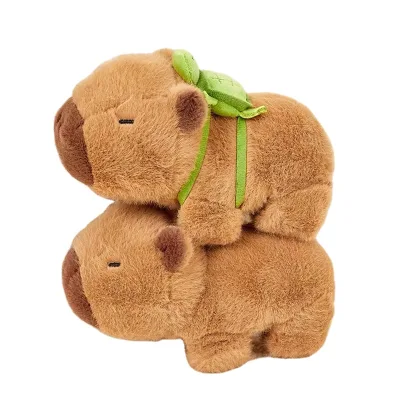
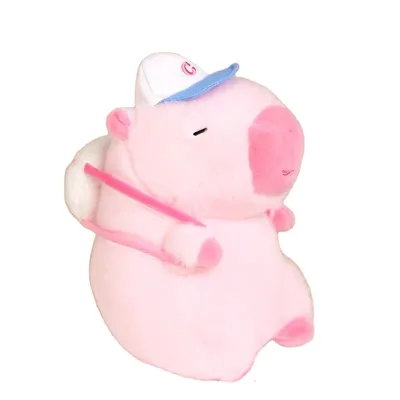
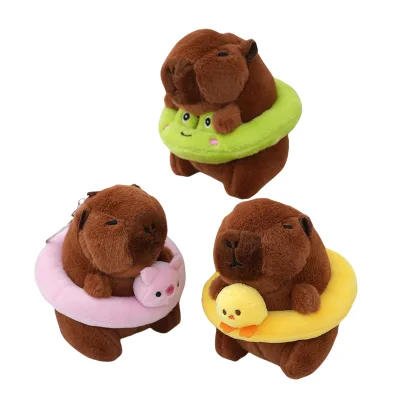
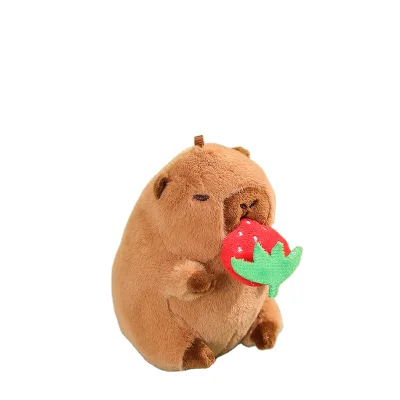
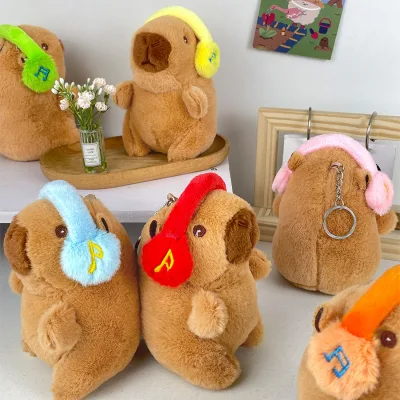
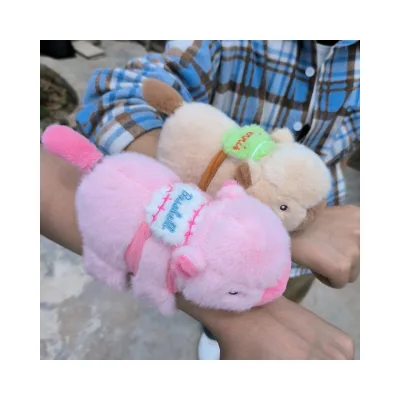
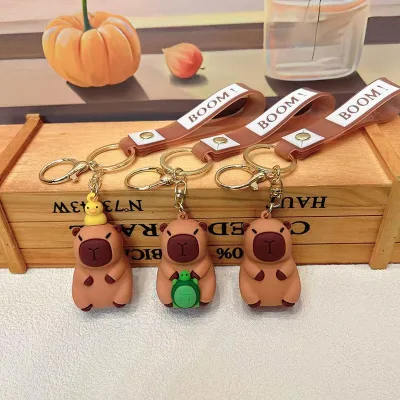
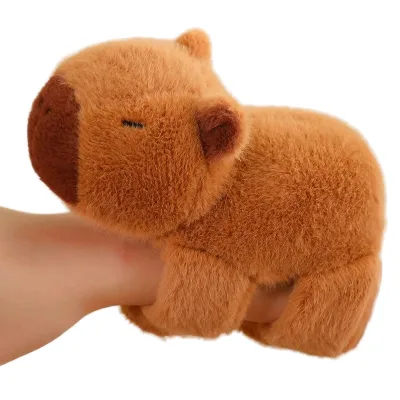
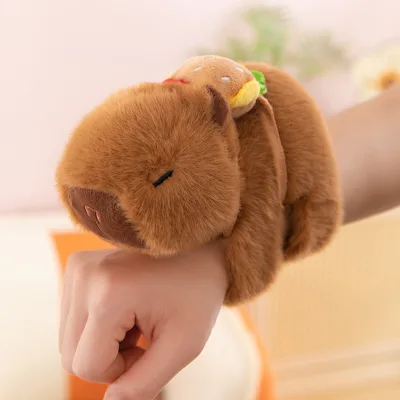
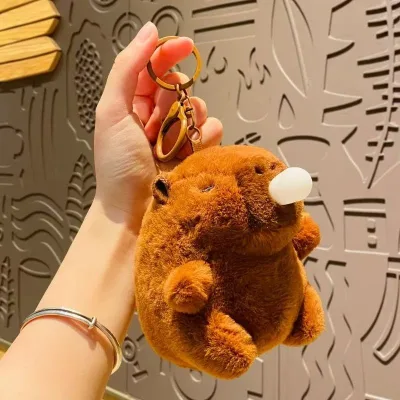
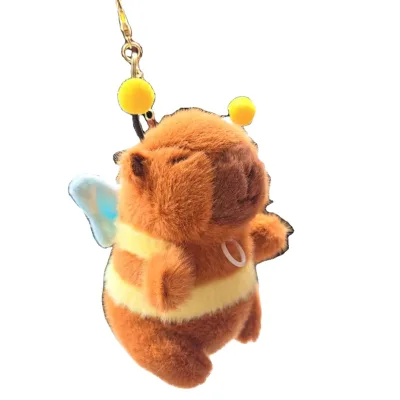
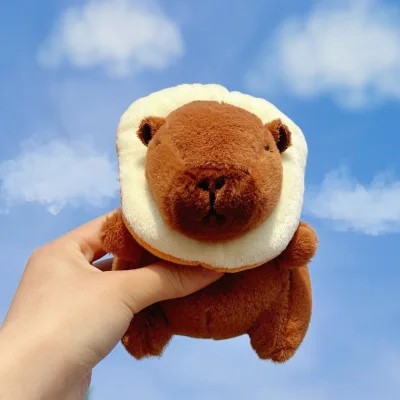
Conversely, the "doll" aspect of the keyword points toward soft plush merchandise. The data confirms the existence of "Soft Plush Cartoon Pendant" products featuring capybara designs. These items are constructed from soft plush and plush cotton materials, filled with PP cotton to ensure a soft texture. They are designed as accessories or playing items, often categorized under "Soft toy, Cartoon, Animal" styles. These plush variants are suitable for various occasions, including casual daily use, holidays, birthdays, and leisure time. The distinction is critical because the supply chain, regulatory requirements, and target demographics for a candy ring differ significantly from those of a plush doll ring. Buyers must verify whether the specific product listing they are evaluating is a consumable item or a non-consumable toy, as the procurement strategy for each varies fundamentally.
Technical Specifications and Product Standards
When evaluating the technical specifications of capybara-themed products, buyers should focus on the detailed attributes provided in the product data. For the confectionery segment, the standard specification often follows a precise packaging format, such as "10g30pcs20jars/ctn" for the ring lollipop model (CH-T1412) or "3g30pcs20boxes/ctn" for the nipple pop candy (CH-N775). These models originate from Guangdong, China, and are characterized by multi-colored or multiple-colored appearances. The instruction for use is straightforward: open the package and eat directly. The packaging material is primarily plastic, with carton packing used for bulk transport.
For the plush toy segment, the technical profile differs. The model numbers identified include SRC01 and CGG01, with a specific product name of "Soft Plush Cartoon Pendant" (Model ML-P-532). The main material is listed as "super soft plush," and the lining material is customizable. The surface finishing is also customizable, allowing for specific aesthetic requests. These items are produced via machine production techniques and are classified as finished goods. The packaging for these plush items can vary, with options including boxes, bags, or OPP bags. The gender classification is unisex, and the age group is typically targeted at children aged 8 to 13 years, though this may vary based on specific design complexity. The function is listed as "Playing" or "Accessories," indicating their use as decorative items or playthings rather than functional tools.
Compliance, Certification, and Regulatory Checks
Navigating the compliance landscape is essential for importing capybara-themed products, particularly given the dual nature of the market. The supplied facts explicitly list several high-confidence certifications associated with the product properties, including HACCP, FDA, ISO, and HALAL. These certifications are primarily relevant to the edible "Capybara Ring Lollipop Candy" and "Capybara Nipple Pop Candy" lines. HACCP (Hazard Analysis and Critical Control Points) and FDA compliance are critical for food safety, ensuring that the manufacturing process meets international hygiene standards. ISO certification indicates adherence to quality management systems, while HALAL certification is vital for markets with significant Muslim populations.
For the plush toy segment, the data does not explicitly list specific toy safety certifications like ASTM F963 or EN71 in the high-confidence section. While these standards are mentioned in the low-confidence background, buyers should not assume they are automatically met. Instead, procurement teams must verify that the supplier can provide valid test reports confirming compliance with the specific safety standards of the destination country. For toys intended for children, verifying that the materials (soft plush, PP cotton) are free from harmful substances is a mandatory step. Buyers should request documentation proving that the "super soft plush" and "plush cotton" materials meet the flammability and chemical safety requirements of the target market. The presence of "Customized" attributes for color, lining, and surface finishing also implies that any customizations must not introduce new compliance risks, such as the use of non-compliant dyes or fillings.
Cost Drivers and Pricing Dynamics
The pricing structure for capybara-themed products is influenced by several factors derived from the observed data. The observed listed price range in USD spans from $0.01 to $23.61. This wide variance reflects the difference between individual low-cost candy units and higher-value plush accessories or bulk carton orders. The Minimum Order Quantity (MOQ) ranges from 1 to 2000 units, offering flexibility for both small-scale retailers and large distributors. The "Small Orders: Accepted" attribute suggests that suppliers are willing to accommodate lower volume purchases, which can impact the unit cost due to the lack of economies of scale.
Cost drivers for the confectionery items include the complexity of the molding for the capybara shape, the flavoring agents used, and the packaging requirements (bottles and cartons). The standard packaging of 30 pieces per jar or box suggests that bulk pricing will be more favorable for buyers purchasing full cartons. For the plush toys, the cost is driven by the material quality (super soft plush vs. standard cotton), the complexity of the stuffing (PP cotton filling), and the customization level. Customized colors, linings, and surface finishes will generally increase the unit price. Additionally, the origin location, Guangdong, China, is a major manufacturing hub, which typically offers competitive labor and material costs, but logistics and shipping fees will vary based on the weight and volume of the order. Buyers should note that while the MOQ can be as low as 10 pieces for some plush items, the unit price for such small orders will likely be at the higher end of the observed range.
Supplier Evaluation and Selection Criteria
Selecting the right supplier for Capybara Doll Pop Ring products requires a rigorous evaluation process based on the available data points. Buyers should prioritize suppliers who can demonstrate the high-confidence certifications mentioned, particularly for food items. The presence of HACCP, FDA, ISO, and HALAL certifications in the product properties is a strong indicator of a supplier's commitment to quality and safety. For plush toys, the evaluation should focus on the supplier's ability to handle customization requests, as the data indicates that color, lining, and surface finishing are customizable.
The origin of the products is consistently listed as China, specifically Guangdong. This concentration of manufacturing in a specific region suggests a mature supply chain, but buyers should verify the specific factory's capacity and reputation. The "Brand Name: YT" is mentioned in the data, which could be a specific manufacturer or a private label. Buyers should investigate whether this brand is well-established or if they are dealing with an OEM/ODM provider. The "Commodity attribute: Finished goods" and "Original package: Yes" attributes suggest that the supplier provides ready-to-sell products, which reduces the need for secondary packaging or assembly. However, buyers must confirm that the "Customization" options do not compromise the structural integrity of the product, especially for the plush items where the "Soft" feature is a key selling point.
Quality Control and Inspection Protocols
Implementing a robust quality control (QC) protocol is vital for maintaining the integrity of capybara-themed products. For the edible ring lollipops, QC should focus on visual inspection for color consistency (multi-colored), weight verification against the standard specifications (e.g., 10g per piece), and packaging integrity to ensure the shelf life of 12 months is not compromised. The storage method requires normal conditions, but buyers should ensure that the transport and storage conditions during transit do not expose the candy to excessive heat or moisture, which could affect the texture and flavor.
For the plush capybara dolls, QC should verify the softness and durability of the "super soft plush" material. Inspectors should check for loose stitching, uneven PP cotton filling, and the quality of the surface finishing. Since the color is often customized, color matching against the buyer's reference sample is a critical step. The "Machine production" technique implies a high degree of consistency, but human inspection is still necessary to catch any defects in the final assembly. For both product types, the "Instruction for Use" and packaging labels must be accurate and compliant with local language and safety regulations. Buyers should consider hiring third-party inspection agencies to conduct pre-shipment inspections, particularly for large orders where the risk of batch inconsistencies is higher.
Long-Term Procurement and Market Considerations
Sourcing Capybara Doll Pop Ring products for the long term requires an understanding of market trends and supply chain stability. The "Capybara" theme has gained significant popularity in recent years, driven by social media and cultural trends. This suggests a potentially high demand for these specific designs. However, buyers should be aware that trends can be fleeting, and inventory management is crucial to avoid overstocking. The "Occasion" attributes listed, such as "Party," "Birthday," and "Holiday," indicate that these products are often purchased as gifts or party favors. Buyers should align their procurement cycles with these seasonal peaks to maximize sales potential.
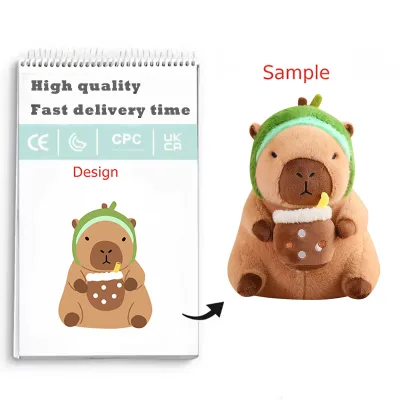
The "Customization" feature offers a strategic advantage for long-term partnerships. By working with suppliers who can offer customized colors, packaging, and designs, buyers can differentiate their offerings in a crowded market. However, customization often involves longer lead times and higher MOQs. Buyers should negotiate flexible terms that allow for adjustments in order volume based on market demand. The "Small Orders: Accepted" attribute provides a safety net for testing new designs before committing to large-scale production. Finally, maintaining a relationship with suppliers who hold the necessary certifications (HACCP, FDA, ISO) ensures that the supply chain remains compliant with evolving global regulations, protecting the buyer from potential legal and reputational risks.
FAQs
How is the Capybara Doll Pop Ring candy stored?
Store the candy at room temperature or in a refrigerator to maintain freshness. The product has a shelf life of 12 months when kept in normal storage conditions without exposure to extreme heat or moisture.
What certifications do the edible capybara ring lollipops have?
The edible capybara ring lollipops hold HACCP, FDA, ISO, and HALAL certifications. These credentials ensure the product meets international food safety and hygiene standards for manufacturing and distribution.
Which materials are used for the soft plush capybara doll?
The soft plush capybara doll is made from super soft plush and plush cotton materials. It is filled with PP cotton to ensure a soft texture suitable for children aged 8 to 13 years.
Can I customize the color of the capybara plush toy?
Yes, the color of the capybara plush toy is available for customization. Buyers can request specific color schemes, lining materials, and surface finishes to match their brand or design requirements.
What is the minimum order quantity for the capybara ring candy?
The minimum order quantity for the capybara ring candy ranges from 1 to 2000 units depending on the specific product model. Small orders are accepted, allowing flexibility for retailers testing new inventory.
How are the capybara lollipops packaged for bulk shipment?
The capybara lollipops are packaged in plastic bottles or boxes and then placed in cartons for bulk transport. Specific standards include 30 pieces per jar or box within a larger carton unit.
Where are the Capybara Doll Pop Ring products manufactured?
These products are manufactured in Guangdong, China. The region is a major hub for both confectionery and plush toy production, ensuring efficient supply chain management for these specific items.