Source Capsule Manicure Pedicure Chair for salons, spas, and clinics
Explore 30 listings for the Capsule Manicure Pedicure Chair, comparing features like adjustable height, material options, and customization. Buyers can evaluate fixed or rotary models suitable for beauty salons and spa equipment needs.
Key considerations
Products List


Nail Beauty Salon Furniture Manicure Foot Wash SPA Chair Massage Pedicure Chairs
$800.00 - $950.00
MOQ: 5 Pieces


Nail Salon Furniture Manicure Pedicure Massage Chair for Sales SPA Chair
$1050.00 - $1200.00
MOQ: 1 Pieces

Factory Wholesale Chair Nail Beauty Salon Furniture Manicure Foot Wash Pedicure Chair
$800.00 - $1040.00
MOQ: 5 Pieces


Luxury Nail Salon Equipment Foot SPA Manicure Chair Modern Massage Pedicure Chair
$1290.00 - $1320.00
MOQ: 1 Sets


Beauty Equipment Furniture Foot SPA Nail Manicure Modern Pedicure Chair
$700.00 - $1300.00
MOQ: 1 Pieces


Modern Nailsalon Furniturefoot SPA Manicure Chairno Plumbingmassagepedicure Chair
$600.00 - $750.00
MOQ: 2 pieces
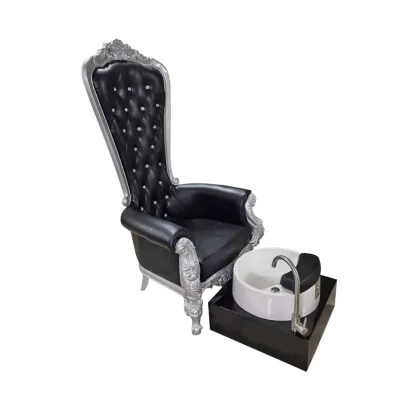
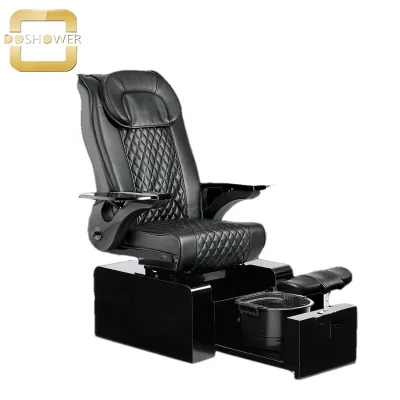
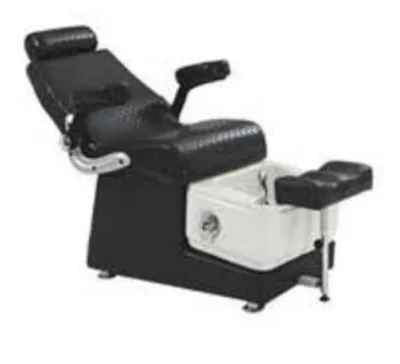
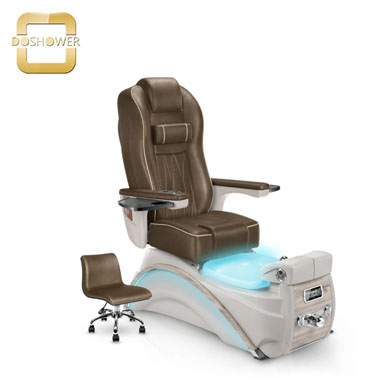
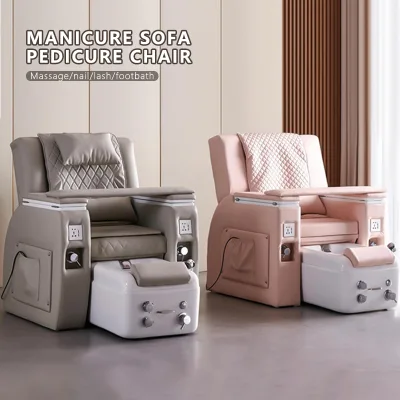
Comprehensive Sourcing Guide
Capsule Manicure Pedicure Chair Sourcing Guide
Sourcing specialized nail furniture requires a clear understanding of the distinct functional categories available in the market, particularly the difference between standard manicure stations and integrated pedicure units. The term "Capsule Manicure Pedicure Chair" often refers to compact, self-contained units designed for beauty salons where space efficiency and multifunctionality are paramount. Buyers must distinguish between chairs that are purely cosmetic seating and those that include integrated plumbing or electrical systems for foot spas. The observed product landscape includes items explicitly labeled as "Pedicure Chair No Plumbing," indicating a significant segment of the market focuses on dry, mechanical, or hydraulic systems rather than water-based spa treatments. This distinction is critical for procurement decisions, as it determines the infrastructure requirements at the point of installation.
Procurement teams must also navigate the variety of materials and customization options presented by suppliers. The available inventory features a mix of metal frames, synthetic leather upholstery, and plastic components, with color options ranging from standard black and white to vibrant hues like purple, blue, and green. Some listings highlight "Resisted Acetone PU Leather," a specific material property relevant to salon hygiene and durability against chemical exposure. Furthermore, the presence of "Customized" and "OEM" attributes suggests that buyers have the opportunity to tailor dimensions, colors, and branding to match their salon’s aesthetic. However, these customizations may impact lead times and minimum order quantities, requiring careful negotiation before finalizing purchase orders.
Product Scope and Observed Listing Signals
The current market signals indicate a diverse range of product models, each serving slightly different operational needs within a beauty salon environment. For instance, the model DP-3506 is identified as a "Nail Furniture Manicure Chair" with a fixed structure, while the SK-8030-3014 is described as a "Multifunctional Foot SPA" pedicure chair suitable for adults. Another notable entry, the E-UPC-54, is marketed as a "Pedicure SPA Chair" with an unfixed configuration, suggesting mobility or modular design features. These variations highlight the importance of verifying the specific function of the chair, whether it is intended for dry manicures, wet pedicures, or a combination of both, as this directly influences the chair’s mechanical complexity and maintenance requirements.
Weight and dimensional specifications provide further insight into the build quality and spatial requirements of these units. The DP-3506 model, for example, has a net weight of 28 kg and a gross weight of 30 kg, with dimensions of 606065cm, indicating a relatively compact footprint suitable for smaller stations. In contrast, the E-UPC-54 model measures 1238588cm, suggesting a larger, more substantial unit that may accommodate additional features or provide greater comfort for extended sessions. Buyers should pay close attention to these dimensions to ensure the chairs fit within their designated salon layout, especially if they are planning to install multiple units in a confined area. The presence of armrests and foldable options in some listings also offers flexibility for storage and transport.
Technical Specifications to Verify
When evaluating technical specifications, buyers must prioritize the structural integrity and adjustability of the chair. The loading capacity is a critical safety metric, with some listings specifying a maximum load of 220kgs, which ensures the chair can safely support a wide range of users. Additionally, the height adjustment range, noted as approximately 12cm for certain models, is essential for ergonomic positioning during manicure and pedicure procedures. Buyers should verify whether the adjustment mechanism is hydraulic, pneumatic, or manual, as this affects the smoothness of operation and long-term reliability. The distinction between "Fixed" and "Unfixed" configurations also impacts stability, with fixed units generally offering more robust support for heavy-duty use.
Material composition and upholstery quality are equally important for durability and hygiene. The use of "Resisted Acetone PU Leather" is a significant feature for pedicure chairs, as it provides resistance to common salon chemicals like acetone, which can degrade standard leather or vinyl. Buyers should confirm the thickness and grade of the synthetic leather to ensure it can withstand frequent cleaning and exposure to moisture. For chairs without plumbing, the focus shifts to the mechanical components, such as the footrest mechanisms and recline functions. It is advisable to request detailed diagrams or videos of the adjustment mechanisms to assess their ease of use and potential points of failure.
Compliance and Safety Documentation
Safety and compliance are non-negotiable aspects of sourcing salon equipment, particularly for chairs that involve mechanical adjustments and potential electrical components. Buyers should request documentation that verifies the structural safety of the chair, including load-bearing tests and stability assessments. While specific certifications like CE or RoHS are mentioned in background data, buyers must verify the current validity and scope of these certifications for the specific models they intend to purchase. This is especially important for chairs with electrical features, such as massage functions or integrated lighting, which must comply with local electrical safety standards in the destination country.
Warranty and after-sales service terms provide a layer of protection against manufacturing defects and premature wear. Most observed listings offer a one-year warranty, which is a standard industry benchmark. However, buyers should clarify what is covered under this warranty, including parts, labor, and shipping costs for replacements. The availability of after-sales service, such as technical support or spare parts supply, is crucial for minimizing downtime in a busy salon. Buyers should inquire about the supplier’s response time for service requests and the availability of local technicians or service centers in their region.
Cost Drivers and Commercial Terms
The price range for capsule manicure pedicure chairs varies significantly, from $95 to $1600, reflecting differences in materials, features, and brand positioning. Lower-priced items may be basic models with minimal adjustability and standard upholstery, while higher-priced units likely offer advanced features such as hydraulic systems, premium leather, and integrated spa functions. Buyers should analyze the cost per feature to determine the best value for their specific needs. For example, the inclusion of a foot spa function or acetone-resistant leather may justify a higher price point for salons that prioritize hygiene and client comfort.
Minimum order quantities (MOQ) and lead times are key commercial terms that impact procurement planning. While some suppliers offer an MOQ of just one piece, others may require orders of 10 pieces or more, which can be a barrier for small salons or individual buyers. Lead times, such as the two-week delivery time mentioned for some models, should be factored into the procurement schedule to avoid delays in salon opening or renovation projects. Buyers should also consider the packaging details, such as the use of K=K cartons and foam padding, which affect shipping costs and the risk of damage during transit. Negotiating favorable terms on packaging and shipping can reduce overall procurement costs.
Supplier Qualification and Quality Control
Supplier qualification is a critical step in ensuring the reliability of the sourced products. Buyers should verify the supplier’s manufacturing capabilities, including their production capacity and quality control processes. The origin of the products, primarily China and Henan, indicates a concentration of manufacturing hubs, but buyers should still conduct due diligence to assess the supplier’s reputation and track record. Requesting references from previous clients or visiting the factory, if possible, can provide valuable insights into the supplier’s operational standards.
Quality control measures should be implemented throughout the procurement process, from sample approval to final inspection. Buyers should request pre-production samples to verify the quality of materials, stitching, and mechanical functions. During production, regular inspections can help identify and address any defects early. Upon delivery, a thorough inspection of the received goods is essential to ensure they match the agreed specifications and are free from damage. Establishing a clear communication channel with the supplier for addressing any issues post-delivery is also important for maintaining a good business relationship.
Long-Term Procurement Checks
Long-term procurement success depends on the ability to monitor product performance and supplier reliability over time. Buyers should establish a system for tracking the performance of the chairs in their salons, including feedback from staff and clients. This feedback can inform future purchasing decisions and help identify any recurring issues with specific models or suppliers. Regular reviews of warranty claims and service requests can also provide insights into the durability and maintenance needs of the products.
Building a strong relationship with suppliers can lead to better pricing, priority service, and access to new products. Buyers should maintain open communication with their suppliers, sharing feedback and discussing potential improvements. Participating in industry trade shows or online forums can also help buyers stay informed about market trends and new technologies. By staying proactive and engaged, buyers can ensure that their procurement strategy remains aligned with the evolving needs of their salon business.
FAQs
Can I find capsule manicure pedicure chairs with armrests?
Yes, models with armrests are available for this product category. The observed listings include options featuring armrests, suitable for beauty salon environments where client comfort is a priority during manicure and pedicure services.
What materials are used for capsule manicure pedicure chairs?
These chairs are constructed from metal frames combined with synthetic leather or plastic components. Specific listings indicate the use of acetone-resistant PU leather, ensuring durability and ease of cleaning in professional beauty and spa settings.
Which models offer customized color options for the chair?
Customized color options are available for many models in this category. Buyers can select from a wide range including purple, blue, green, yellow, grey, pink, coffee, red, white, and black to match their salon decor.
How long is the delivery time for capsule manicure pedicure chairs?
The standard delivery time for these chairs is typically two weeks. This lead time applies to orders placed with suppliers who have confirmed stock or production capacity for the requested specifications and quantities.
Can I order capsule manicure pedicure chairs with a low MOQ?
Yes, some suppliers offer a minimum order quantity of just one piece. While other listings show an MOQ of 10 pieces, flexible sourcing options exist for buyers seeking smaller initial inventory volumes for testing or small salons.
What is the warranty period for capsule manicure pedicure chairs?
A one-year warranty is commonly provided for these pedicure chairs. This coverage typically includes after-sales service to address potential defects or issues, ensuring reliability for beauty salon equipment investments.
Which specifications define the size of capsule manicure pedicure chairs?
Dimensions vary by model, with standard sizes ranging from approximately 55 inches by 28 inches to 123 cm by 85 cm. Specific models like DP-3506 and SK-8030-3014 have defined standard measurements for fitting salon spaces.
Can I find fixed or rotary capsule manicure pedicure chairs?
Both fixed and rotary options are available in the current market listings. Buyers can choose between stationary units for stability or rotary models that offer adjustable positioning for enhanced functionality during beauty treatments.