Source Car Battery Charge Level Indicator for Forklifts, E-Bikes, and UPS
Find reliable Car Battery Charge Level Indicator solutions for industrial and mobile applications. Compare 30 products featuring DC voltmeters, LED indicators, and multi-functional meters for forklifts, e-bikes, and UPS systems. Source from verified manufacturers in China with customizable options and various voltage ratings.
Key considerations
Products List
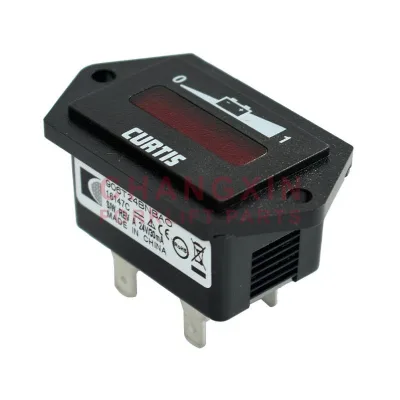
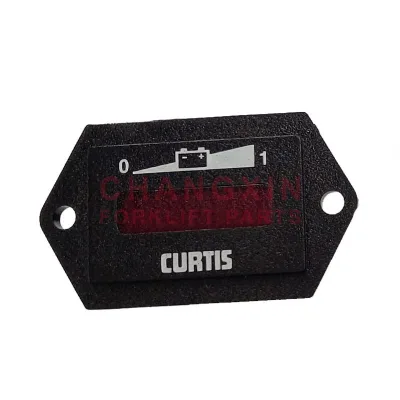


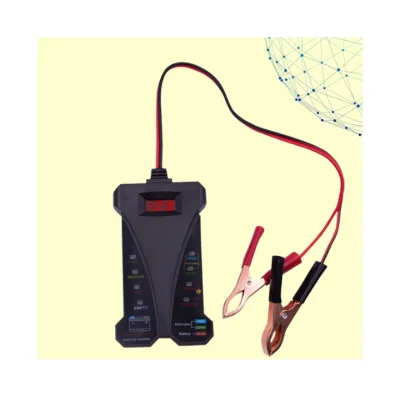
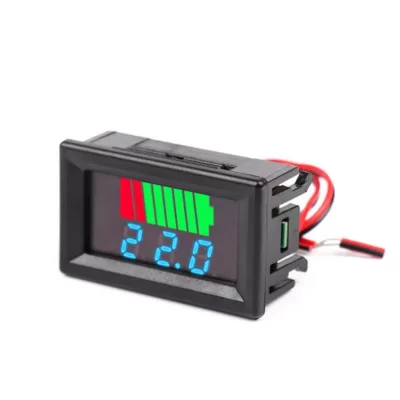
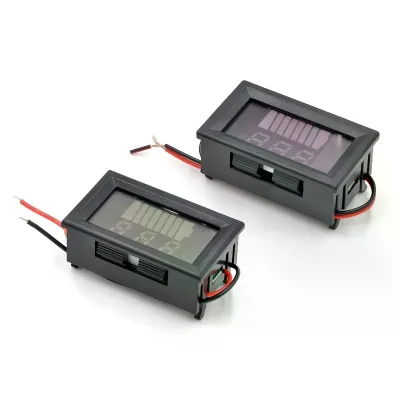

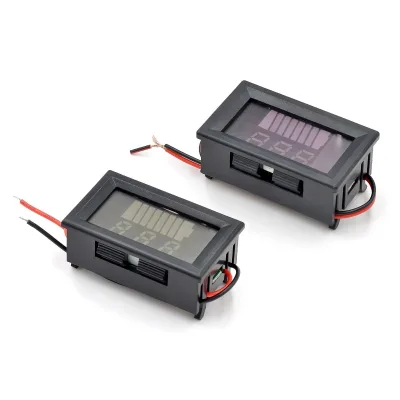

Comprehensive Sourcing Guide
Car Battery Charge Level Indicator Sourcing Guide
Procuring a Car Battery Charge Level Indicator requires distinguishing between general voltage monitoring tools and specialized devices designed for specific vehicle architectures. The market offers a diverse range of units, from simple electrostatic DC voltmeters to multi-functional energy meters capable of tracking maximum demand for industrial and home use. Buyers must first identify whether their application demands a finished battery tester for lead-acid systems or a digital display unit integrated into a larger power management ecosystem.
The observed product landscape includes devices with varying installation methods, such as direct connected models and those requiring specific sealing diameters for secure mounting. While some units are marketed for general UPS, car, or e-bike functions, others are tailored for specific battery chemistries like lead-acid. Understanding these distinctions is critical, as the working voltage range, typically observed between 8 and 63V, dictates compatibility with the target vehicle's electrical system and ensures the indicator functions reliably under load.
Product Scope and Observed Listing Signals
Buyers should scrutinize the specific model numbers and series designations to ensure the device matches the intended vehicle type. Listings frequently reference distinct series such as the B, C, and D series, alongside specific model identifiers like 906T or TD16, which often correlate with different physical dimensions and functional capabilities. The presence of dual dial colors, such as white and black, or LED indicators in green and blue, suggests varying user interface options that may influence the final selection based on visibility requirements in different lighting conditions.
Commercial signals also reveal the flexibility of the supply chain regarding customization and packaging. While some products are listed as non-customized with neutral packing, others explicitly offer customization services and are packaged in cartons or sealed bags to protect sensitive components during transit. The selling units often appear as single items, yet the observed minimum order quantities can range significantly, requiring buyers to align their procurement volume with the supplier's production capacity and inventory strategies.
Technical Specifications to Verify
Technical verification must begin with the main circuit rating, as the current and voltage specifications define the operational limits of the indicator. Devices observed in the market often feature a main circuit rating current of 150A and support main circuit rating voltages of 12V or 24V, which are standard for many automotive applications. However, buyers must confirm that the specific unit's working voltage range, such as 8 to 63V, aligns with the vehicle's actual electrical output to prevent measurement errors or device failure under fluctuating power conditions.
Physical dimensions and installation requirements are equally critical for successful integration into vehicle dashboards or battery compartments. Specifications often include precise size metrics, such as 57.52016.5mm or 482516mm, and head thickness measurements that must fit within the designated mounting space. Additionally, the sealing diameter, which can vary between 19.16mm and 20.77mm, must be matched to the vehicle's battery terminals or housing to ensure a secure, vibration-resistant connection that maintains signal integrity over time.
Compliance and Safety Documentation
Safety compliance is a non-negotiable aspect of sourcing automotive electrical components, particularly those involving direct connections to vehicle power systems. Buyers should verify that the product carries recognized safety certifications such as CE, RoHS, SGS, VDE, and CCC, which indicate adherence to international standards for electrical safety and environmental protection. These certifications are essential for ensuring that the indicator does not introduce fire hazards or electromagnetic interference that could disrupt other vehicle electronics.
Documentation regarding the test region and performance theory provides further assurance of product reliability. Products often undergo testing in specific charge and discharge regions to validate their accuracy as finished battery testers or induction meters. The theory of operation, whether based on electrostatic or electromagnetic principles, must be clearly documented to confirm that the device can accurately measure multi-functional energy parameters, including multi-rate watt-hour data, without compromising the safety of the lead-acid battery system it monitors.
Cost Drivers and Commercial Terms
Cost structures for car battery charge level indicators are heavily influenced by the complexity of the internal circuitry and the level of customization requested. Units featuring digital displays, multi-functional capabilities, and specific LED color options often command higher prices than basic analog or single-function voltmeters. The observed price range in the market is vast, extending from low-cost components to high-value specialized units, reflecting the diversity in manufacturing quality, component sourcing, and the inclusion of advanced features like maximum demand metering.
Commercial terms, including minimum order quantities and packaging requirements, significantly impact the total cost of ownership. While some suppliers offer single-item selling units with an MOQ of just one piece, others may require orders up to 10,000 units to achieve optimal pricing tiers. Packaging methods, ranging from neutral packing to sealed bags with shielding, also affect logistics costs and must be factored into the budget, especially for buyers requiring bulk shipments to international destinations where shipping weight and volume are critical cost drivers.
Supplier Qualification and Quality Control
Supplier qualification should focus on the manufacturer's origin and their established track record in producing electrical testing equipment. Many suppliers are located in specific regions such as Jiangxi, Jiujiang, or generally in China, which are known hubs for battery and electrical component manufacturing. Buyers should verify the supplier's ability to provide consistent quality control, particularly regarding the sealing diameter and head thickness tolerances, to ensure that every unit meets the strict dimensional requirements necessary for automotive applications.
Quality control processes must extend beyond the final assembly to include rigorous testing of the product's performance under various conditions. Suppliers should demonstrate the capability to test units in charge and discharge regions to validate their accuracy as finished battery testers. The warranty period, often observed as one year, serves as a baseline for supplier confidence, but buyers should also inquire about the specific test results and the standard operating procedures used to maintain product consistency across different production batches.
Long-Term Procurement Checks
Long-term procurement success depends on establishing a reliable supply chain that can accommodate future customization needs and volume fluctuations. Buyers should assess the supplier's flexibility regarding product models, such as the ability to switch between B, C, and D series configurations, and their capacity to adjust production lead times as demand changes. The availability of customization services is a key indicator of a supplier's ability to adapt to evolving vehicle designs and specific customer requirements over the product lifecycle.
Continuous monitoring of product performance and warranty claims is essential for maintaining high standards in the field. Buyers should track the durability of the indicator's display, the stability of the LED colors, and the longevity of the sealing components under real-world operating conditions. Regular reviews of the supplier's adherence to standards like CE and RoHS, along with the consistency of the warranty fulfillment, will help mitigate risks and ensure a stable supply of high-quality charge level indicators for ongoing fleet or vehicle maintenance needs.
FAQs
What is the main circuit rating current for this indicator?
The main circuit rating current is 150a. This specification ensures the device can handle significant electrical loads without failure. It is designed for robust industrial applications where high current stability is required for accurate monitoring and safe operation of connected systems.
Can the device operate with both AC and DC power?
Yes, the power source supports both AC and DC. This dual capability allows for versatile installation in various environments. It ensures reliable performance whether connected to standard grid power or direct current systems, making it suitable for diverse industrial and commercial setups.
Which certifications does the product comply with?
The product complies with CE, RoHS, SGS, VDE, and CCC standards. These certifications verify safety and quality for international markets. Buyers can trust that the device meets rigorous regulatory requirements, ensuring compliance and reliability for deployment in regulated industrial and commercial sectors.
What is the warranty period for this unit?
The warranty period is 1 Year. This coverage provides assurance against manufacturing defects. Buyers receive support for a full year after purchase, ensuring peace of mind and protection for their investment in this reliable electrical monitoring equipment for various battery and power applications.
Is customization available for this battery tester?
Customization is available for specific requirements. Buyers can request tailored solutions to fit unique operational needs. This flexibility allows for adjustments in specifications or features, ensuring the product aligns perfectly with particular industrial applications or specific battery testing protocols required by the end user.
What is the minimum order quantity for this item?
The minimum order quantity is 1 PC. This low MOQ allows for easy sampling and small-scale testing. Buyers can order single units to verify quality and performance before committing to larger bulk purchases, reducing risk and facilitating efficient procurement for various project sizes.