Source Skid Plate UHMWPE Sheet for Mining, Marine, and Food Processing
Source Skid Plate UHMWPE Sheet from 30 verified listings. Compare tensile strength, thickness, and customization options to find the right material for industrial applications.
Key considerations
Products List


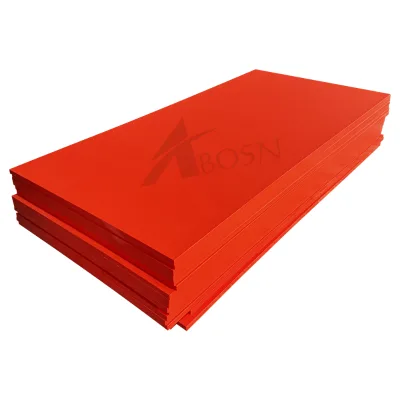


UHMWPE Plate Pressure and Impact Resistance U Self Lubrication Wear Resistance
$147.06 - $151.52
MOQ: 30 Pieces


Comprehensive Sourcing Guide
Skid Plate UHMWPE Sheet Sourcing Guide
Procuring high-performance polyethylene sheets for skid plate applications requires a nuanced understanding of material grades, mechanical tolerances, and supply chain reliability. Ultra-high-molecular-weight polyethylene (UHMWPE) is widely recognized for its exceptional impact resistance, low friction coefficient, and chemical inertness, making it a preferred material for industrial wear components. However, the market is saturated with varying grades of polyethylene, ranging from standard HDPE to true UHMWPE, which can lead to significant performance discrepancies if not carefully distinguished during the sourcing process. Buyers must navigate a landscape where product listings often use generic terminology, necessitating rigorous verification of material composition and physical properties to ensure the final component meets the demanding operational requirements of skid plates.
The following guide provides a structured approach to sourcing UHMWPE sheets specifically tailored for skid plate manufacturing. It focuses on interpreting observed market signals, verifying critical technical specifications, and establishing robust commercial and quality control frameworks. By adhering to these evidence-based procurement strategies, sourcing professionals can mitigate the risks associated with material substitution, dimensional inaccuracies, and inconsistent manufacturing processes. This guide is designed to empower buyers with the knowledge to evaluate suppliers effectively, ensuring that the selected UHMWPE sheets deliver the durability and longevity required for heavy-duty industrial applications.
Product Scope and Observed Listing Signals
The current market for UHMWPE sheets exhibits a wide variance in product descriptions, with listings frequently highlighting customization capabilities and specific mechanical attributes. Observed data indicates that suppliers offer sheets with tensile strengths ranging from 3040MPa up to 81130MPa, suggesting a broad spectrum of material densities and molecular weights available to buyers. This variation is critical for skid plate applications, as higher tensile strength often correlates with better resistance to deformation under load. Additionally, water absorption rates are reported between <0.01% and 0.3%, a key indicator of the material’s stability in moist or submerged environments, which is common in many industrial settings where skid plates are deployed.
Color options and surface finishes also vary significantly across listings, with white, red, yellow, grey, blue, transparent, and black being commonly observed. Some suppliers specify a milled surface finish, which can influence the friction characteristics and aesthetic appeal of the final skid plate. The standard sizes mentioned, such as 45002000mm and 30002500mm, alongside customized dimensions, indicate that manufacturers are equipped to handle large-format orders. Buyers should note that while "Factory Price" is a common claim, the actual cost will be heavily influenced by the chosen thickness, color, and order volume, requiring careful negotiation and comparison of total landed costs rather than just unit prices.
Technical Specifications to Verify
Thickness is a primary determinant of a skid plate’s structural integrity and wear life, with observed specifications ranging from 1-200mm to 6-300mm. Buyers must verify the exact thickness tolerance, as deviations can affect the fit and function of the assembled skid plate. The density of the material is another crucial parameter, with some listings citing 0.98g/cm3, which is consistent with high-quality UHMWPE. This density ensures that the sheet is lightweight yet durable, a balance essential for applications where weight savings are important without compromising strength. Verification of these physical properties through third-party testing or supplier-provided certificates of analysis is recommended to ensure consistency across batches.
Contraction percentage and tensile strength are interrelated factors that influence the dimensional stability and load-bearing capacity of the sheet. A contraction percentage of <0.4% suggests minimal shrinkage during cooling or machining, which is vital for maintaining precise dimensions in complex skid plate designs. Tensile strength values observed between 5180MPa and 81130MPa indicate different grades of UHMWPE, with higher values generally offering greater resistance to pulling forces. Buyers should align these specifications with the specific mechanical demands of their application, ensuring that the selected sheet can withstand the expected stresses without failure. Additionally, the kind of plastic sheet, whether classified as engineering plastic or color plastic, should be confirmed to match the intended use case.
Compliance and Safety Documentation
While specific certification statuses are not universally disclosed in all listings, buyers should inquire about adherence to recognized industry standards such as API and DIN, which are mentioned in some supplier profiles. These standards often govern the quality and performance of plastic components used in industrial piping and structural applications, providing a benchmark for reliability. For skid plates, compliance with material safety data sheets (MSDS) is essential to ensure that the UHMWPE sheets do not contain harmful additives or contaminants that could pose risks during handling or in the event of a fire. Buyers should request these documents to verify the chemical composition and safety profile of the material.
Temperature classification is another important consideration, with some listings noting suitability for high-temperature piping applications. Although UHMWPE generally has a lower melting point compared to other engineering plastics, understanding the thermal limits of the specific sheet is crucial for applications involving heat generation or exposure. Buyers should verify the maximum operating temperature to prevent deformation or degradation of the skid plate under thermal stress. Additionally, inquiries into the manufacturing process, such as pressing processes, can provide insights into the material’s internal structure and potential weaknesses, helping buyers assess the long-term durability of the product in their specific environment.
Cost Drivers and Commercial Terms
The cost of UHMWPE sheets is influenced by several factors, including material grade, thickness, color, and order volume. Observed minimum order quantities (MOQs) range from 1 to 1000 units, with some suppliers specifying an MOQ of 50, which offers flexibility for smaller procurement needs. Buyers should consider the trade-off between unit price and order volume, as larger orders may yield better pricing but require greater storage capacity and capital investment. The packing method, whether in wooden cases, pallets, cartons, or plastic bags, also impacts the total cost, as robust packaging is necessary to prevent damage during transit, especially for large and heavy sheets.
Lead times and payment terms are critical components of the commercial agreement, although specific lead times are not detailed in the observed data. Buyers should negotiate clear delivery schedules and payment conditions to manage cash flow and production planning effectively. The availability of OEM and ODM services allows for customization of logos and specifications, which may incur additional costs but can enhance brand identity and product differentiation. Buyers should evaluate the total cost of ownership, including shipping, handling, and potential rework costs, to make informed decisions that align with their budgetary constraints and operational requirements.
Supplier Qualification and Quality Control
Supplier qualification is a vital step in ensuring the reliability of UHMWPE sheet procurement. Buyers should verify the supplier’s origin, with many listings indicating production in China, particularly in regions like Shandong, which is known for its manufacturing capabilities. Assessing the supplier’s production capacity, quality management systems, and past performance is essential to mitigate the risk of receiving substandard materials. Requesting samples for testing before placing large orders is a prudent strategy to validate the material’s properties and consistency. Buyers should also inquire about the supplier’s ability to provide customized solutions, such as specific colors or sizes, to meet unique application needs.
Quality control measures should be clearly defined in the procurement contract, including inspection protocols and acceptance criteria. Buyers should specify the required tolerances for thickness, density, and mechanical properties, and request that the supplier conduct pre-shipment inspections. The use of advanced manufacturing techniques, such as laser or CNC machining for logo application, indicates a level of precision and professionalism that can be indicative of overall quality standards. Establishing a clear communication channel with the supplier for addressing any quality issues or discrepancies is crucial for maintaining a productive and reliable business relationship.
Long-Term Procurement Checks
Long-term procurement success depends on continuous monitoring of supplier performance and market trends. Buyers should regularly review supplier deliveries for consistency in quality, timeliness, and responsiveness to issues. Establishing key performance indicators (KPIs) such as defect rates, on-time delivery percentages, and customer satisfaction scores can help quantify supplier performance and identify areas for improvement. Regular audits or site visits, if feasible, can provide deeper insights into the supplier’s manufacturing processes and quality control practices, ensuring that they continue to meet the buyer’s standards over time.
Market dynamics and technological advancements in UHMWPE production should also be monitored to ensure that the buyer remains competitive. Staying informed about new material grades, processing techniques, and industry standards can help buyers make proactive decisions about their sourcing strategies. Building a diversified supplier base can mitigate risks associated with single-source dependencies, providing flexibility in case of supply chain disruptions. By maintaining a strategic approach to procurement, buyers can secure a reliable supply of high-quality UHMWPE sheets for their skid plate applications, supporting long-term operational efficiency and cost-effectiveness.
FAQs
What is the tensile strength of UHMWPE sheets?
The tensile strength ranges from 30 to 130 MPa depending on the specific grade and manufacturing process. Some products offer values between 81 and 130 MPa, while others provide 30 to 40 MPa or 51 to 80 MPa for different engineering applications.
Can I customize the color of the UHMWPE sheet?
Yes, customization is available for colors including white, red, yellow, grey, blue, transparent, and black. Buyers can also request specific customized colors to match their project requirements or branding needs.
What is the minimum order quantity for these sheets?
The minimum order quantity varies between 1 and 1000 units depending on the supplier and specific product configuration. Some listings indicate a standard MOQ of 50 units for general procurement needs.
How thick can the UHMWPE sheet be made?
Thickness options range from 1 mm up to 300 mm to accommodate various industrial thickness requirements. Specific nominal thicknesses often fall between 5 and 60 mm for standard piping or sheet applications.
Where are these UHMWPE sheets manufactured?
These sheets originate from China, with specific production facilities located in Shandong. The products are typically packed in wooden cases, pallets, or cartons for safe international shipping.
What is the water absorption rate of the material?
Water absorption is extremely low, typically ranging from less than 0.01% to 0.3% depending on the specific product grade. This low absorption rate ensures stability in wet or humid environments.
Does the supplier offer OEM or ODM services?
Yes, the supplier provides both OEM and ODM services to meet specific client design and manufacturing needs. Customization options include logo application via laser or CNC machines and tailored packaging solutions.