Source Carbon Fibre Portable Soccer Goal for Training
Find 30 Carbon Fibre Portable Soccer Goal options for training, entertainment, and racing. Compare models like 6x4ft and 12x6ft sizes, featuring powder-coated iron or PVC materials, waterproof designs, and foldable structures for easy outdoor use; compare the available evidence and request quotations based on your requirements.
Key considerations
Products List


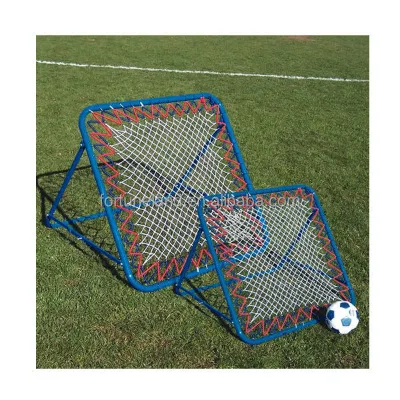
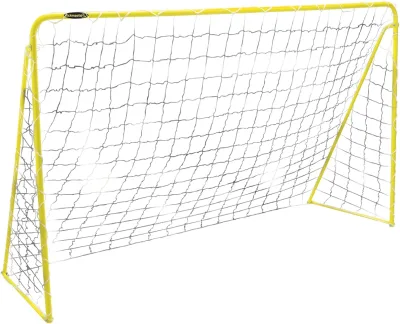
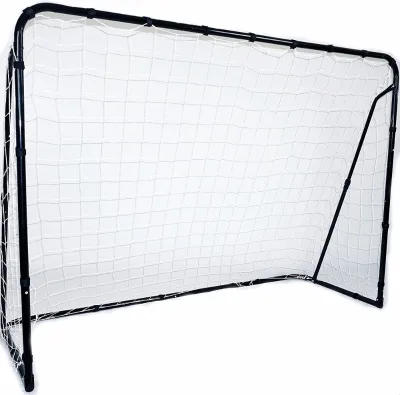

Portable Football Goal with Net Soccer Training Goal for Backyard Hot Sale
$599.00 - $899.00
MOQ: 1 Pieces

Aluminum Movable Full Size Football Goals Portable Soccer Goal for Sale
$599.00 - $899.00
MOQ: 1 Pieces


New Outdoor Sports Folding Soccer Goal Mini Gate Net Portable Football Goal
$4.50 - $6.20
MOQ: 10 Pieces


Wholesale High Quality Portable Football Soccer Goal for Outdoor Training
$29.50 - $32.90
MOQ: 1000 Sets


Wholesale Custom Metal Portable Soccer Goal Football Goal for Outdoor Sports
$8.90 - $9.60
MOQ: 1000 Sets

Wholesale Custom Metal Portable Football Soccer Goal for Outdoor Sports Training
$8.90 - $9.60
MOQ: 1000 Sets
Comprehensive Sourcing Guide
Carbon Fibre Portable Soccer Goal Sourcing Guide
The market for portable soccer goals presents a diverse range of materials and configurations, though the specific keyword "carbon fibre" requires careful verification against actual inventory. While the observed product list includes goals made from rubber, PVC, and iron, true carbon fibre construction is not explicitly confirmed in the provided high-confidence facts. Buyers must distinguish between marketing terms and actual material composition, as many listed items utilize steel tubes with powder-coated finishes or inflatable PVC structures rather than advanced composite materials.
Procurement decisions should prioritize the intended application environment, as the observed data indicates usage ranging from children's entertainment to professional racing and outdoor activities. The presence of foldable designs and portable features suggests a strong demand for lightweight, easy-to-transport units suitable for schools and community events. However, buyers must verify if the specific lightweight properties attributed to carbon fibre are present, as many listed alternatives rely on aluminum or steel frames with varying tube diameters to achieve portability.
Product Scope and Observed Listing Signals
Current listings reveal a wide spectrum of goal dimensions, with observed standards including 6x4 feet, 12x6 feet, and metric equivalents like 155cm x 100cm. This variability indicates that suppliers offer modular sizing to accommodate different age groups, from children to adults, and varying field requirements. The presence of customizable size specifications suggests that buyers can request specific dimensions, but the core structural material must be confirmed to ensure it meets the durability expectations associated with carbon fibre products.
Packaging and shipping attributes vary significantly across the catalog, ranging from master cartons to safety four-layer packages and color boxes. Some units are listed as single sets per carton, while others specify detailed single package sizes and gross weights, such as 7.8 kg for specific models. These logistical details are critical for calculating freight costs and storage requirements, especially when sourcing portable goals that need to be moved frequently between locations for entertainment or training sessions.
Technical Specifications to Verify
Material composition is the primary technical differentiator, with observed listings featuring rubber, PVC, and iron as the dominant materials. Buyers seeking carbon fibre must explicitly request material certificates, as the current data does not confirm the presence of composite fibers in the standard inventory. Verification should include checking the diameter of tubes, which are listed in ranges like 251.0mm or 221.0mm, to ensure the structural integrity matches the lightweight claims often associated with advanced composite goals.
Finish types and surface treatments also play a vital role in longevity and performance, with powder coating observed on metal frames and waterproof features noted for inflatable or plastic variants. The presence of gas leak-proof attributes in some listings points to inflatable models, which differ fundamentally from rigid carbon fibre structures. Buyers must clarify whether the goal is a rigid frame or an inflatable unit, as the maintenance and repair protocols for these two distinct technologies are entirely different.
Compliance and Safety Documentation
Safety standards for portable goals are essential, particularly when the equipment is used by children or in public entertainment spaces. While specific certification names are not listed in the provided facts, the observation of "Safety 4 Layer Package" implies a focus on secure transport and protection during shipping. Buyers should request documentation regarding structural stability and tip-over resistance, ensuring the goal meets local safety regulations for sports equipment used in schools and community centers.
Environmental and material safety certifications are equally important, especially given the variety of materials from PVC to metal. The listed features include waterproof capabilities and gas leak-proof designs, which suggest compliance with basic durability standards for outdoor use. Procurement teams must verify that any chemical treatments or coatings used on the goal frames do not contain hazardous substances, ensuring the product is safe for prolonged contact with players of all ages.
Cost Drivers and Commercial Terms
Pricing in this category shows a broad range, with observed values spanning from $1.1 to $1450, reflecting the diversity from simple inflatable models to heavy-duty metal frames. The minimum order quantity (MOQ) varies from single units to 1000 pieces, with some specific models requiring a baseline of 300 pieces. Buyers must align their order volume with supplier MOQs to optimize unit costs, as smaller orders may incur higher per-unit prices or require special handling fees.
Customization options significantly influence the final commercial terms, with the data confirming that customization is available for logos, sizes, and potentially materials. The ability to print logos and customize dimensions allows for branding opportunities but often extends lead times and increases production complexity. Buyers should negotiate clear terms regarding the cost impact of these customizations, ensuring that the added value of branding does not disproportionately inflate the total procurement budget.
Supplier Qualification and Quality Control
Supplier origins are predominantly listed as China, with specific mentions of Zhejiang as a production hub. This concentration suggests a mature supply chain for sports equipment, but buyers must verify the specific factory capabilities regarding carbon fibre or advanced composite manufacturing. Relying solely on general origin data is insufficient; due diligence should include assessing the supplier's history with similar high-performance materials and their capacity to maintain consistent quality across large batches.
Quality control processes should be rigorously defined, focusing on the consistency of tube diameters, finish quality, and assembly stability. The observation of various packing methods, from color boxes to safety layers, indicates that suppliers have different internal standards for product protection. Buyers should implement pre-shipment inspections to verify that the physical attributes, such as the foldable nature and portability features, match the specifications promised in the product listing.
Long-Term Procurement Checks
Sustainability and lifecycle management are critical for portable goals that face frequent transport and outdoor exposure. The observed materials, including rubber and PVC, may have different environmental impacts compared to carbon fibre, requiring buyers to assess end-of-life disposal options. Long-term contracts should include clauses regarding the availability of replacement parts, such as specific tube sizes or netting, to ensure the goals remain operational for years rather than being discarded after minor damage.
Performance tracking over time will reveal whether the chosen materials withstand the intended usage patterns of racing, entertainment, or training. Buyers should monitor the condition of the powder-coated finishes and the integrity of the folding mechanisms to identify early signs of wear. Establishing a feedback loop with the supplier allows for continuous improvement in product design, ensuring that future orders better align with the specific durability and performance needs of the organization.
FAQs
What sizes are available for a Carbon Fibre Portable Soccer Goal?
Listings on this page cover several common sizes, including 6 by 4 feet, 8 by 5 feet, 12 by 6 feet, and a compact 5ft by 3ft model measuring 155cm by 100cm with a 74cm depth. Size can often be customized when you order in volume. Confirm the exact dimensions and net depth with the supplier before placing an order.
Can I customize the size and logo of a portable soccer goal?
Yes, customization is available from listed suppliers, and one listing states that size can be customized and the logo is printable. Custom orders typically require higher volumes, with one listed MOQ set at 300 pieces. Provide your artwork and size requirements early so the supplier can quote tooling, printing, and per-unit pricing accurately.
What materials are used in these portable soccer goals?
Listed products use materials such as PVC and iron, with tube diameters specified at 25x1.0mm, 22x1.0mm, and 19x1.0mm on one model. Iron frames often carry a powder-coated finish in silver for corrosion resistance. Rubber components appear on smaller models. Ask each supplier for the exact frame and net material specification for the size you need.
How are portable soccer goals packed for shipping?
Packing options observed across listings include master cartons, color boxes with one set per carton, and a safety four-layer package for fragile shipments. One model ships in a single package of 102.5x7.5x102.5cm with a gross weight of 7.8kg. Confirm the packing method and carton count per set so freight costs and protection levels match your channel.
Which features make these goals suitable for outdoor use?
Listed features include waterproof construction, gas leak-proof build on inflatable-style models, and foldable frames that carry easily, making them suited to outdoor activities, racing events, and entertainment use. They serve children, teens, and adults. For permanent outdoor installation, verify the frame finish and net UV resistance with the supplier for your climate.
What is the typical MOQ and where are these goals made?
Observed MOQs on this page range from 1 piece to 1000 pieces, with one listing specifying 300 pieces for customized orders. Products originate from China, with one supplier located in Zhejiang. Low MOQs suit trial orders, while customized size or logo work generally requires larger quantities. Confirm current MOQ terms directly with each supplier before ordering.