Source Carbon Fibre Outdoor Patio Heater for Patios, Gardens, and Restaurants
Source 30 Carbon Fibre Outdoor Patio Heater models with varying power ratings and installation options. Buyers can compare specifications like IP65 ratings, heating areas, and certifications to find suitable units for indoor and outdoor use; compare the available evidence and request quotations based on your requirements.
Key considerations
Products List


Best Selling Outdoor Heater Patio Heater Electric Heater with Infrared Lamp
$1.00 - $110.00
MOQ: 1 Pieces


High Quality Outdoor Patio Heater with Aluminum Reflector and Big Tank Housing
$150.00 - $160.00
MOQ: 240 Pieces


New Style Patio Heater Waterproof Half Cover /Customized Dimension Accepted
$2.00 - $7.00
MOQ: 500 Pieces

2023 New Design Portable Outdoor Heater Gas Fire Pit Garden Fire Pit Warmer
$180.00 - $220.00
MOQ: 200 Pieces


Free Standing Outdoor Patio Heater with Ods&Tile Device with Adjustable Flame
$160.00 - $180.00
MOQ: 200 Pieces




Comprehensive Sourcing Guide
Carbon Fibre Outdoor Patio Heater Sourcing Guide
Procurement of carbon fibre outdoor patio heaters requires distinguishing between electric infrared units and gas-fueled alternatives, as the supplied data indicates a mix of product types including electric models with specific wattage ratings and gas grill configurations. Buyers must verify that the carbon fibre element is integral to the heating mechanism, as some listings describe generic electric heaters or patio usage without explicitly confirming the carbon fibre material composition in the core heating element.
The observed product range includes electric units with power ratings spanning from 850W to 2500W, alongside specific models rated at 48000BTU which suggests gas compatibility. Sourcing strategies should prioritize suppliers who can clearly differentiate between electric infrared panels and gas-fueled units, ensuring the selected product matches the intended fuel source and installation environment, whether indoor or outdoor, as indicated by the varied application areas in the data.
Product Scope and Observed Listing Signals
Buyers should scrutinize the listed power specifications, as the market data reveals a wide variance from 850W to 2500W for electric models, with some units offering dual voltage support at 120V or 240V. This variation directly impacts the heating area, which is typically cited between 10 to 15 square meters for the lower wattage units, requiring careful calculation to ensure the selected heater provides adequate warmth for the specific patio or indoor space intended for use.
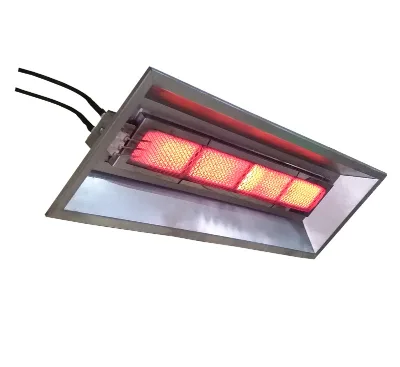
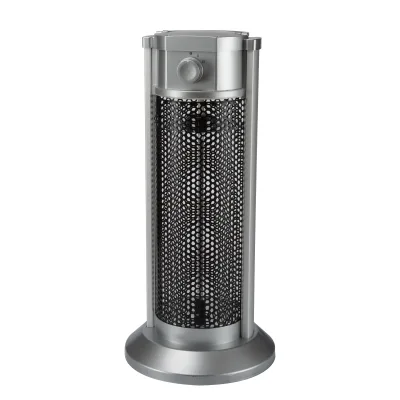
Installation flexibility is a critical signal, with observed options including ceiling, wall-mounted, portable, and free-standing configurations. While some listings specify wall-mounted or ceiling-only installations, others offer versatile mounting solutions, and buyers must confirm that the physical dimensions, such as the 556x130x175mm or 574x100x145mm profiles, align with the structural constraints of the intended installation site before finalizing a purchase order.
Technical Specifications to Verify
Verification of the IP rating is essential for outdoor durability, with the data confirming an IP65 standard for water and dust resistance in specific models. Buyers must ensure that any unit marketed for outdoor use explicitly carries this IP65 certification, as this rating guarantees protection against low-pressure water jets, which is a non-negotiable requirement for equipment exposed to rain or moisture in patio environments.
The service life and ventilation requirements present another critical verification point, with some units boasting a 5000-hour lifespan while others specify ventilation with or without active systems. Procurement teams must confirm whether the selected model includes ventilation features, as this impacts safety and efficiency, particularly for enclosed spaces, and must align with the specific energy type, whether electric or gas, to prevent operational failures or safety hazards.
Compliance and Safety Documentation
Safety compliance is paramount, and the observed listings include a range of certifications such as CB, CE, GS, RoHS, UL, and ETL. Buyers should demand proof of these specific certifications for the exact model number being sourced, as the presence of multiple certifications in the data suggests that different batches or models may meet varying regional safety standards, and a single document should not be assumed to cover all product variants.
The warranty period is another key documentation element, with the data consistently indicating a two-year guarantee period for the products. Procurement contracts must explicitly reference this two-year coverage to ensure that the buyer receives the promised protection against manufacturing defects, and it is advisable to verify if the warranty covers both the heating element and the electrical components separately to avoid coverage gaps.
Cost Drivers and Commercial Terms
The minimum order quantity (MOQ) is a significant commercial driver, with observed ranges extending from a single unit up to 2000 pieces, and specific listings citing an MOQ of 500 pieces for certain models. Buyers must negotiate these thresholds carefully, as high MOQs can tie up capital in inventory, while low MOQs may result in higher per-unit costs, requiring a balance between volume discounts and storage capabilities.
Pricing and packaging also influence the total cost of ownership, with observed prices ranging from 1 to 260 USD and packaging options including cartons or polybags. The material composition, such as aluminum, stainless steel, or steel, and the specific model dimensions will drive the base price, so buyers should request detailed cost breakdowns to understand how material choices and packaging methods affect the final landed cost per unit.
Supplier Qualification and Quality Control
Supplier origin is a known variable, with the data confirming that products originate from China, which necessitates rigorous quality control protocols to ensure consistency. Buyers should implement pre-shipment inspections that specifically test the IP65 rating and verify the actual power output against the stated 1500W or 2000W specifications to mitigate risks associated with manufacturing variances common in high-volume production environments.
Quality assurance must also extend to the customization capabilities, as the data indicates that customization is available for these products. Procurement teams should engage suppliers early to define custom requirements, such as specific color options like silver, black, or white, and ensure that any customizations do not compromise the structural integrity or safety certifications of the final product before mass production begins.
Long-Term Procurement Checks
Long-term viability depends on the availability of spare parts and the consistency of the service life claims, which are listed as 5000 hours for lamps and general units. Buyers should establish a relationship with the supplier to secure a supply chain for replacement parts, ensuring that the heating elements and electrical components remain available throughout the product's operational lifespan to minimize downtime.
Finally, buyers must monitor the product standard compliance over time, as the data lists specific dimensions and standards like 630x100x132mm or 465x100x160mm that may vary between models. Regular audits of the production line are recommended to ensure that the physical dimensions and material specifications remain consistent with the initial samples, preventing discrepancies that could affect installation or performance in the field.
FAQs
What power options are available for these patio heaters?
These patio heaters offer versatile power configurations including 850W, 1500W, 2000W, and 2500W models. The 1500W and 2000W variants are commonly available for indoor and outdoor use. Higher wattage options like 2500W provide enhanced heating capacity for larger spaces, ensuring efficient warmth delivery across different application areas.
Can these heaters be installed in various locations?
Yes, installation flexibility is a key feature with options for ceiling, wall-mounted, portable, and free-standing setups. This adaptability allows for seamless integration into diverse environments. Whether for commercial patios or residential interiors, the multiple mounting choices ensure optimal placement for effective heat distribution and space utilization.
What certifications do these electric heaters hold?
These heaters typically hold major safety certifications including CB, CE, GS, RoHS, and UL. Some models also feature ETL certification. These credentials ensure compliance with international safety and environmental standards, providing buyers with confidence in product reliability and regulatory adherence for global distribution and market acceptance.
What is the expected service life of these units?
The standard service life for these heaters is approximately 5000 hours. This duration applies to general operation and lamp longevity. Buyers should consider regular maintenance to maximize this lifespan. The 5000-hour benchmark offers a reliable estimate for long-term usage in both indoor and outdoor commercial or residential settings.
Are these heaters suitable for outdoor use?
Yes, these heaters are designed for both indoor and outdoor applications. Many models feature an IP65 waterproof rating, protecting against dust and water jets. This durability ensures safe operation in various weather conditions, making them ideal for patios, terraces, and covered outdoor areas where reliable heating is essential.
What materials are used in construction?
Construction materials typically include aluminum, stainless steel, and steel. These durable metals ensure structural integrity and resistance to corrosion. The choice of material depends on the specific model and intended environment. High-quality metal components contribute to the heater's longevity and aesthetic appeal in both modern and traditional settings.