Source Cartoon Character Sculptures for Home, Office, and Gifts
Source 30 Cartoon Character sculptures crafted from PVC and polyresin. Compare hand-made and cast options suitable for home decoration, office displays, and business gifts. These colorful, UV-stable models feature human and animal shapes with full-color logo printing capabilities; compare the available evidence and request quotations based on your requirements.
Key considerations
Products List


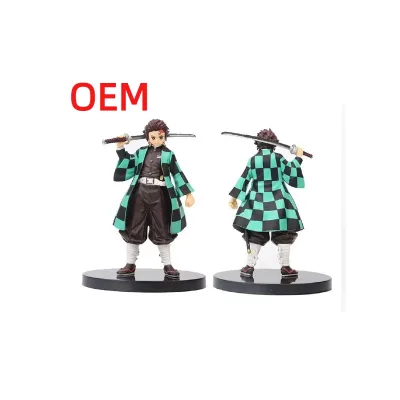
Custom Cartoon Image Miniature Figure Cartoon Character Miniature Figure
$0.15 - $0.20
MOQ: 3000 Pieces


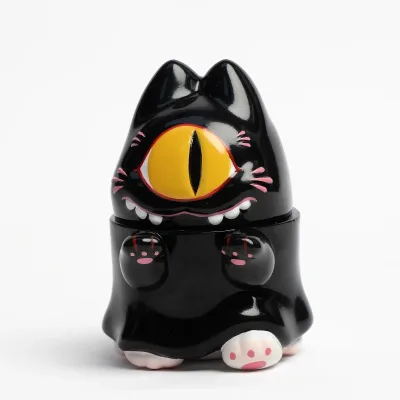
Personalized Action Figures Wholesale Promotion Gift Figurine Plastic Toys
$0.80 - $1.50
MOQ: 3000 Pieces



Comprehensive Sourcing Guide
Cartoon Character Sourcing Guide
Buyers seeking Cartoon Character figurines must first distinguish between the diverse material profiles observed in the current market, specifically noting the prevalence of PVC and polyresin options. The data indicates that PVC models often feature hand-made processing with a focus on realistic human or animal shapes, while polyresin variants typically utilize casting techniques for natural styling. Understanding this material distinction is critical, as it dictates the appropriate application, ranging from business gifts and holiday promotions to art collections and home decoration.
Procurement decisions should also account for the specific customization capabilities available, as many listings confirm that full-color logo printing and silk printing are standard services. Buyers must verify whether the supplier offers mold development for unique designs, noting that lead times for molds can extend up to 25 days, while 3D modeling may require seven days. This timeline impact directly influences the feasibility of urgent promotional campaigns, requiring early engagement to align production schedules with marketing launch dates.
Product Scope and Observed Listing Signals
The observed product range spans from small 7cm models to larger 25-30cm sculptures, catering to varied display needs in offices and homes. Listings frequently highlight features such as UV stability and high-quality finishes, ensuring durability for both indoor and outdoor promotional use. The shape diversity includes human figures and animals, with styles ranging from model toys to naturalistic sculptures, allowing buyers to select items that align precisely with their brand identity or thematic requirements.
Commercial signals indicate a wide MOQ spectrum, with some items requiring as few as 3,000 units while others may accommodate smaller orders. Buyers should note that packaging varies significantly between simple cartons and protective styrofoam combinations, which affects shipping costs and damage risk. The presence of specific model numbers like JH-P13 or F3432232 suggests a catalog-driven approach, where verifying the exact SKU is essential to ensure the received goods match the intended design specifications and feature set.
Technical Specifications to Verify
When evaluating technical specifications, the physical dimensions and material composition must be cross-referenced against the intended display environment. For instance, polyresin items often come with specific height measurements like 25.3cm, whereas PVC figures might be standardized at 7cm or 4 inches. Buyers should explicitly confirm the surface treatment, as painted finishes are common but require verification to ensure colorfastness and resistance to wear, particularly for items marketed as "very real" or intended for high-traffic promotional events.
The processing method, whether hand-made or casting, significantly impacts the final texture and detail fidelity of the Cartoon Character. Hand-made PVC pieces often emphasize unique artistic qualities, while casting processes on polyresin allow for consistent replication of complex natural styles. Procurement teams must validate that the selected model number corresponds to the correct standard, such as the 25-30cm range for larger sculptures, to avoid receiving items that are too small for their intended shelf or counter placement.
Compliance and Safety Documentation
Safety compliance is a non-negotiable aspect of sourcing, with observed listings citing ENASTM and CE certifications as key indicators of regulatory adherence. Buyers must request current test reports to verify that the PVC and polyresin materials meet international safety standards for toys and decorative items, especially when the products are marketed for children or general household use. The presence of these certifications suggests a baseline of quality control, but independent verification is necessary to ensure the specific batch being ordered maintains these standards.
Documentation should also cover the specific usage claims made by the supplier, such as suitability for business gifts, holiday promotions, or art collections. While the data confirms these applications, buyers must ensure that the product's physical properties, such as UV stability and color retention, are backed by performance data rather than marketing assertions. This verification protects the buyer from liability issues and ensures that the promotional items remain visually appealing and safe throughout their intended lifecycle in the market.
Cost Drivers and Commercial Terms
Cost structures in this category are heavily influenced by the complexity of the mold creation and the chosen material, with polyresin and PVC carrying different price points. The observed advantage of factory pricing suggests that direct sourcing can yield competitive rates, but buyers must account for the upfront investment in custom molds, which can take up to 25 days to complete. Understanding the MOQ requirements, such as the 3,000-unit threshold for certain models, is essential for calculating the unit cost and determining the financial viability of the order.
Payment terms and logistics also play a pivotal role in the total cost of ownership, with T/T being a standard requirement for these transactions. Buyers should negotiate clear terms regarding the packing method, as the choice between color boxes and styrofoam-plus-carton combinations directly impacts freight charges and potential damage claims. Additionally, the lead time for production and shipping must be factored into the budget, ensuring that the commercial timeline aligns with the promotional calendar and that cash flow is managed effectively to meet the supplier's payment schedule.
Supplier Qualification and Quality Control
Supplier qualification should focus on their ability to deliver consistent quality across the observed range of customization and processing methods. The availability of full-color logo printing and silk printing indicates a mature production capability, but buyers must implement strict quality control checks to ensure that the "superior quality" claims are met in every unit. This includes verifying the accuracy of the human or animal shapes and the integrity of the painted surfaces, which are critical for maintaining the brand's professional image.
Quality control protocols must also address the specific risks associated with the materials used, such as the potential for color fading or structural weakness in PVC and polyresin. Buyers should request pre-shipment samples that match the exact model number and standard specifications to validate the physical attributes before committing to a large order. Establishing a clear communication channel for addressing defects and ensuring that the supplier adheres to the agreed-upon standards for packing and handling is essential for minimizing supply chain disruptions.
Long-Term Procurement Checks
Sustaining a successful procurement relationship requires regular audits of the supplier's ability to maintain the observed standards over time. Buyers should monitor the consistency of the certification status, ensuring that ENASTM and CE compliance remains current for all future production runs. This ongoing verification is crucial for maintaining market trust and ensuring that the Cartoon Character products continue to meet the safety and quality expectations of the end consumers.
Long-term checks should also include an evaluation of the supplier's responsiveness to design changes and their ability to manage lead times effectively. As the market evolves, the demand for new shapes, styles, or materials may shift, requiring the supplier to adapt their hand-made or casting processes accordingly. Establishing a framework for periodic performance reviews will help buyers identify potential issues early and ensure that the partnership remains aligned with the strategic goals of the business.
FAQs
What materials are used for Cartoon Character sculptures?
These sculptures are primarily made from PVC and polyresin materials. The products feature high-quality construction with UV stability and colorful designs suitable for home decoration or business gifts.
Can I request custom logos on these cartoon figures?
Yes, full color logo printing and silk print options are available for customization. Buyers can specify unique designs while maintaining the high quality and superior finish expected from factory direct sources.
What certifications do these Cartoon Character products hold?
The products carry ENASTM and CE certifications to ensure safety and compliance. These standards apply to the manufacturing process and final output for both office and home decoration applications.
How long does it take to produce custom molds?
Production of custom molds typically requires 25 days to complete. The overall lead time for 3D models is around 7 days, depending on the specific model and order volume requirements.
What is the minimum order quantity for these items?
The minimum order quantity starts at 3000 units for specific models. However, general listings show an MOQ range from 1 to 5000 units depending on the customization and product type selected.
Are these cartoon characters suitable for office decoration?
Yes, the products are suitable for both home and office environments. They serve well as art collections, holiday gifts, or promotional items with a natural or model toy style.