Source cartoon animal wooden yo-yo ball for gifts, events, and play
Explore 30 listings for the cartoon animal wooden yo-yo ball to compare materials, sizes, and customization options. Buyers can evaluate features like eco-friendly attributes and age suitability across various suppliers.
Key considerations
Products List
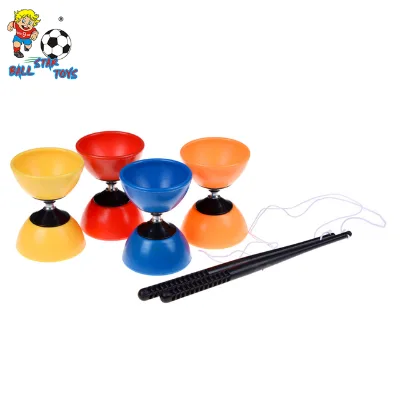

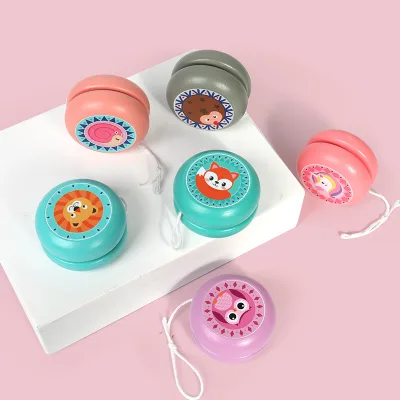

Cheap Cartoon Animal Puzzle Beech Wood Yoyo for Professional Wooden Toy Ball
$0.58 - $0.60
MOQ: 3000 Pieces

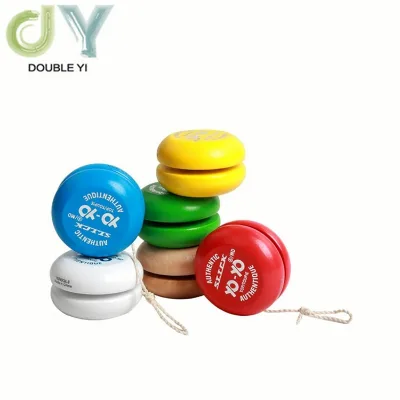
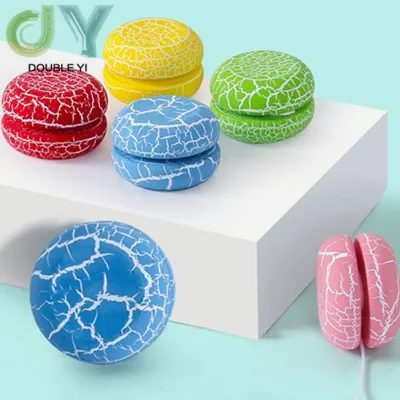
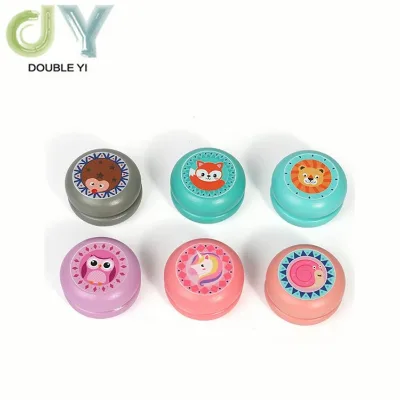
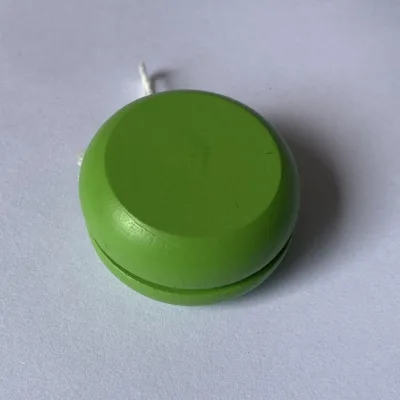


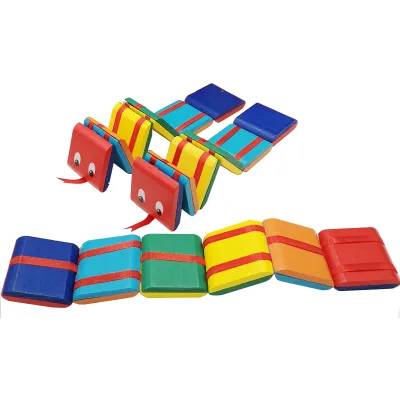
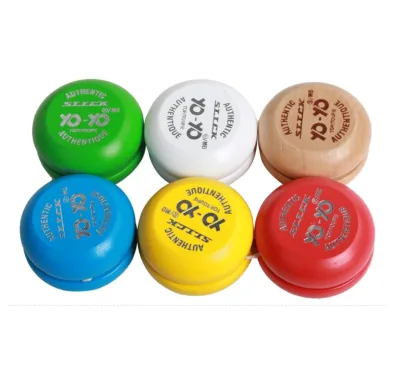
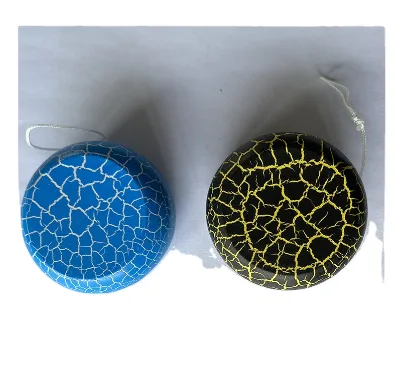
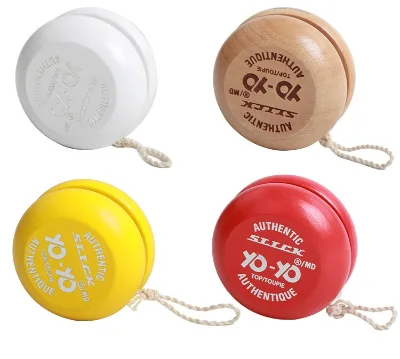
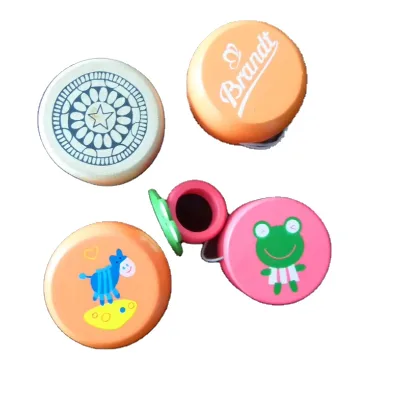
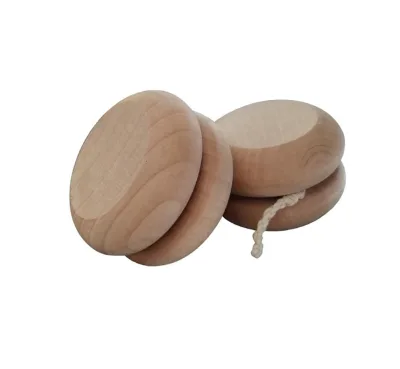


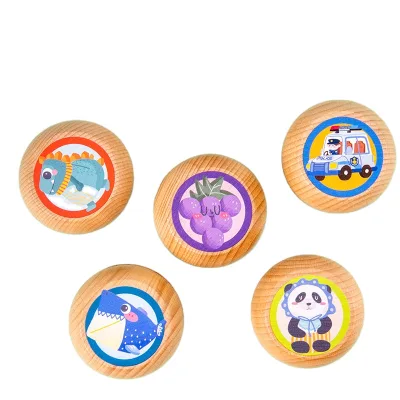
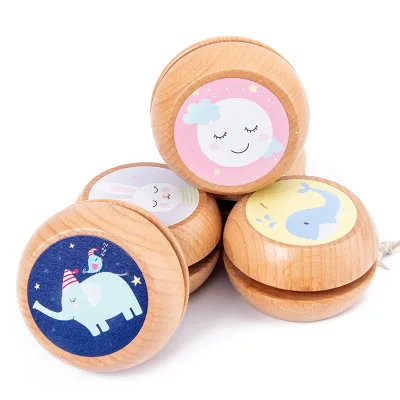

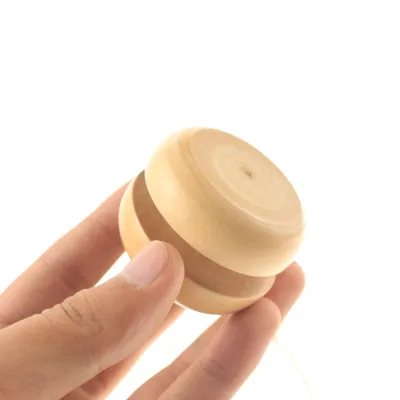
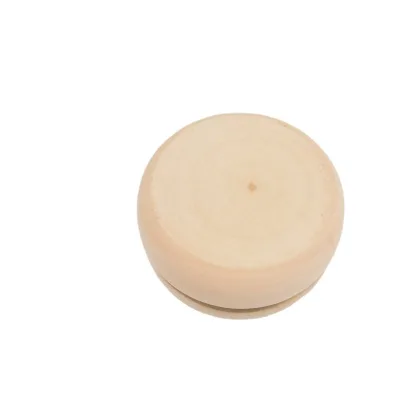
Custom Educational Unfinished Natural Wooden Balls for Crafts and DIY Projects
$0.01 - $0.01
MOQ: 10000 Pieces


Comprehensive Sourcing Guide
Strategic Sourcing Guide for Cartoon Animal Wooden Yo-Yo Balls
Understanding Product Specifications and Material Composition
When sourcing a cartoon animal wooden yo-yo ball, the primary distinction lies in the material composition and the specific design intent. While the core keyword specifies "wooden," market listings often reveal a complex landscape where plastic variants coexist with genuine wooden constructions. A critical observation from current product data indicates that while some items are explicitly labeled as "Wooden Yo-Yo Ball" with a model number like UC507, other listings in the same category specify "Plastic" as the material with model numbers such as PA0031. This discrepancy requires buyers to exercise extreme diligence during the specification phase. The wooden variant is typically associated with educational functions, targeting children aged 3 and up, whereas plastic versions often cater to a broader age range including 5 to 7 years, 8 to 13 years, and even teenagers.
The physical dimensions of these toys vary significantly based on the manufacturer and intended use. Data points show a wooden model with a size of 6*4 cm and a single package size of 6X6X4 cm, weighing approximately 0.3 kg. In contrast, plastic promotional toys may have a single package size of 18X15X15 cm and a gross weight of 0.280 kg. The "cartoon animal" aspect is a stylistic feature rather than a technical specification, meaning the animal design is applied to the wooden or plastic body. Buyers must verify if the cartoon design is molded into the material or printed on the surface, as this affects durability and safety. The packaging details also differ; wooden toys often come in color boxes or custom boxes, while plastic promotional items may be shipped in simple PE bags or polybags. Understanding these variances is the first step in ensuring the procurement matches the intended product definition.
Compliance Standards and Safety Certification Verification
Safety is paramount when sourcing toys for children, particularly those made from wood or plastic intended for the 3+ age demographic. The regulatory landscape for toy safety is stringent, and buyers must verify that suppliers possess valid certifications before placing orders. Observed product data explicitly lists certifications such as EN71, ASTM, CE, and CPSC. These standards cover mechanical safety, flammability, and chemical migration limits. EN71 is the European standard, while ASTM F963 is the American standard. CE marking indicates conformity with health, safety, and environmental protection standards for products sold within the European Economic Area. CPSC refers to the U.S. Consumer Product Safety Commission regulations.
However, it is crucial to note that not every listed product in a search result will carry these certifications. Some listings may only mention "Customized" standards or lack specific certification details entirely. Buyers should not assume that a product labeled "Eco-Friendly" or "Educational" automatically meets international safety compliance. The presence of a "Certificate" field in a supplier's listing is a positive indicator, but it must be validated. For wooden toys, the finish and paint used to create the cartoon animal design must be non-toxic and free from heavy metals. For plastic variants, the material must be BPA-free and meet specific flammability tests. Procurement teams should request copies of current test reports from the supplier and verify the testing laboratory's accreditation. Relying on a supplier's claim of compliance without documented proof poses a significant risk of product seizure or legal liability in the destination market.
Cost Drivers and Pricing Structure Analysis
The pricing structure for cartoon animal wooden yo-yo balls is influenced by several variable factors, including material costs, customization complexity, and order volume. The observed price range in the market spans from $0.01 to $2.55 USD. This wide disparity is not indicative of a single product type but rather reflects the difference between mass-produced plastic promotional items and handcrafted or higher-quality wooden toys. The lower end of the price spectrum typically corresponds to plastic juggling balls or simple promotional novelties with minimal customization. The higher end, approaching $2.55, is more likely associated with wooden toys that feature detailed cartoon animal designs, eco-friendly materials, and specific packaging like color boxes.
Material cost is a primary driver. Wood, particularly high-quality, sanded, and finished wood, is generally more expensive than injection-molded plastic. The "Eco-Friendly" attribute often commands a premium, as it implies the use of sustainably sourced timber and non-toxic, water-based paints. Customization is another significant cost factor. Suppliers offering logo printing, custom shapes, or unique cartoon animal designs will charge more than those selling standard off-the-shelf inventory. The "Customized" attribute in product listings suggests that buyers can request specific modifications, but this inevitably increases the unit cost. Additionally, packaging costs play a role; products shipped in individual color boxes or custom cartons will have a higher landed cost compared to those in simple OPP bags or PE bags. Buyers must balance the desire for high-quality, safe, and customized products against the budget constraints, understanding that the lowest price point may compromise on material safety or durability.
Typical Applications and Market Segmentation
Cartoon animal wooden yo-yo balls serve diverse applications across different market segments, ranging from educational tools to promotional giveaways. The "educational" and "kids learning" attributes highlight their utility in early childhood development. These toys help children develop fine motor skills, hand-eye coordination, and concentration. The wooden material provides a tactile experience that is often preferred in Montessori and Waldorf educational settings. The "cartoon animal" design adds an element of novelty and engagement, making the learning process more enjoyable for children aged 3 to 13 years.
Beyond the educational sector, these products are frequently utilized as promotional toys. The "Promotional Toy" style and "Festival" occasion attributes indicate their use in marketing campaigns, trade shows, and holiday events. In this context, the product serves as a brand ambassador, carrying a company logo or a specific cartoon character to increase brand visibility. The "Unisex" gender classification ensures broad appeal, making them suitable for a wide demographic. The "Outdoor" usage attribute suggests that these toys are durable enough for play outside, although the wooden construction may require protection from excessive moisture. The "Novelty Product" classification also points to their use as party favors or gifts. Understanding these applications helps buyers determine the appropriate product specifications; for instance, a promotional item may prioritize low cost and logo customization, while an educational toy must prioritize safety certifications and material quality.
Supplier Evaluation and Origin Verification
Evaluating suppliers for wooden yo-yo balls requires a careful assessment of their geographic location and production capabilities. The supplied data indicates that products originate from various regions in China, including Guangdong, Zhejiang, and Ningbo. Each region has its own manufacturing strengths. Guangdong is known for a diverse range of toy manufacturing, including both plastic and wooden items. Zhejiang is often associated with wooden toy production, leveraging local timber resources and traditional craftsmanship. Ningbo is a major port city with a strong logistics network, making it a hub for export-oriented manufacturers.
When evaluating a supplier, buyers should verify the "Place of Origin" claim against the supplier's actual factory location. A supplier claiming to be from Zhejiang but operating a factory in Guangdong may have different quality control standards. The "Brand Name" field in product listings, such as "ballstar" or "JoRay," can provide insight into the supplier's market positioning. Established brands often have more rigorous quality control processes, but they may also have higher minimum order quantities (MOQ). The data shows an MOQ range from 1 to 10,000 pieces. Small buyers or those testing a new product line may find suppliers with low MOQs, such as 1 or 3000 pieces, more suitable. However, suppliers with high MOQs often offer better unit pricing. Buyers should also check the "Sample" availability; some suppliers offer free samples, which is a valuable opportunity to inspect the product quality, finish, and safety before committing to a large order. The "Logo: OEM" attribute indicates that the supplier is capable of custom branding, a crucial feature for businesses looking to create their own product line.
Quality Control and Long-Term Procurement Strategy
Implementing a robust quality control (QC) strategy is essential for maintaining product integrity, especially when dealing with wooden toys that involve painting and assembly. QC should begin at the raw material stage, verifying that the wood is free from splinters, knots, and harmful chemicals. The finishing process, including the application of cartoon animal designs, must be inspected for color consistency, adhesion, and non-toxicity. For plastic variants, the molding process should be checked for flash, burrs, and structural integrity. The "Single gross weight" and "Single package size" data points can be used to verify that the product matches the agreed specifications; deviations in weight or dimensions may indicate material substitution or poor quality control.
Long-term procurement considerations involve building a sustainable relationship with suppliers who can consistently deliver high-quality products. The "Customization: Available" and "Customized" attributes suggest that suppliers are willing to adapt to buyer needs, but this requires clear communication and detailed specifications. Buyers should establish a standard operating procedure for quality inspections, including pre-shipment inspections and random sampling. The "Samples Time" of 5-7 days indicates that suppliers can provide samples relatively quickly, but buyers should factor in the time required for shipping and evaluation. The "Shipping" options, including air, sea, and express, offer flexibility in managing inventory levels and lead times. For long-term contracts, buyers should negotiate terms that include quality guarantees and penalties for non-compliance. Additionally, considering the "Eco-Friendly" feature, buyers should look for suppliers who are committed to sustainable practices, as this aligns with growing consumer demand for environmentally responsible products. By focusing on these aspects, buyers can ensure a steady supply of high-quality cartoon animal wooden yo-yo balls that meet safety standards and market expectations.
Comparative Analysis of Product Variants
To assist in decision-making, the following table summarizes the key differences between observed product variants based on the supplied data. This comparison highlights the trade-offs between material, certification, and packaging.
| Feature | Wooden Yo-Yo Variant | Plastic Promotional Variant |
|---|---|---|
| Material | Wood | Plastic |
| Model Number | UC507, JR-1140 | PA0031 |
| Brand Name | JoRay | ballstar |
| Age Range | 3+ | 5-7, 8-13, 14+ |
| Primary Function | Educational, Kids Learning | Promotional, Juggling |
| Packaging | Color Box, Custom Box | PE Bag, Polybag |
| Certifications | EN71, ASTM, CE, CPSC | Not explicitly listed |
| Weight | 0.3 KG | 0.280 kg |
| Origin | Zhejiang, Ningbo | Guangdong |
| MOQ | 3000 PCS (typical) | 1 - 10000 |
This table illustrates that wooden variants are generally positioned as higher-value educational tools with stricter safety certifications, while plastic variants are often marketed as low-cost promotional items. Buyers must align their procurement strategy with these distinct product profiles to achieve their specific business objectives.
FAQs
What certifications do cartoon animal wooden yo-yo balls typically have?
Many listings explicitly state compliance with EN71, ASTM, CE, and CPSC standards. However, not every product in the category carries these certifications, so buyers must verify specific test reports before ordering to ensure safety compliance for children aged 3 and up.
Which materials are used for cartoon animal yo-yo balls in this category?
Products in this search result are available in both wood and plastic materials. Wooden variants are often marketed as educational toys, while plastic versions are frequently listed as promotional juggling balls with different age ranges and packaging styles.
Can I find suppliers offering logo customization for these toys?
Yes, customization is available for many listings in this category. Suppliers often accept OEM logo requests and can produce custom boxes or printed designs, though this may affect the unit price and minimum order quantity requirements.
How does the price range vary for cartoon animal wooden yo-yo balls?
The observed price range spans from 0.01 to 2.55 USD depending on material and customization. Lower prices typically correspond to simple plastic promotional items, while higher prices reflect wooden construction, eco-friendly features, and detailed packaging.
What are the typical minimum order quantities for these products?
Minimum order quantities vary significantly from 1 piece to 10,000 pieces across different suppliers. Some vendors offer low MOQs for sampling or small batches, while others require larger volumes to achieve better unit pricing or to accommodate custom production runs.
Where are the manufacturers of these toys located in China?
Manufacturers are located in regions such as Guangdong, Zhejiang, and Ningbo. Each region has specific strengths, with Zhejiang often associated with wooden toy production and Ningbo serving as a major logistics hub for export-oriented factories.
What packaging options are available for these yo-yo balls?
Packaging ranges from simple PE bags and polybags to color boxes and custom cartons. Wooden educational toys often come in color boxes, while plastic promotional items may be shipped in individual polybags to reduce costs.