Source Carved Crystal Paperweight for Wedding, Business, and Souvenir
Compare 30 Carved Crystal Paperweight options from verified suppliers. Buyers can review styles, sizes, and customization features for wedding gifts, business souvenirs, and home decoration needs.
Key considerations
Products List
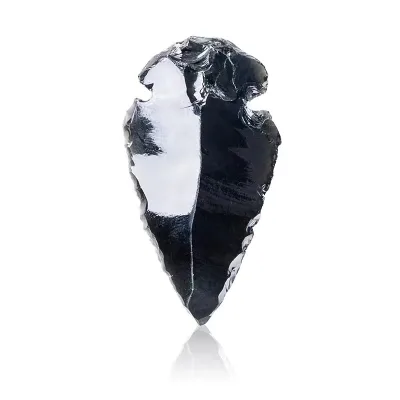
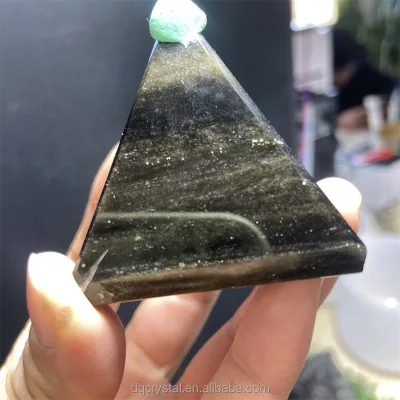
Natural Original Ore Laced Gemstone Crystal Pendant Black Obsidian Arrowhead
$0.40 - $0.80
MOQ: 100 pieces
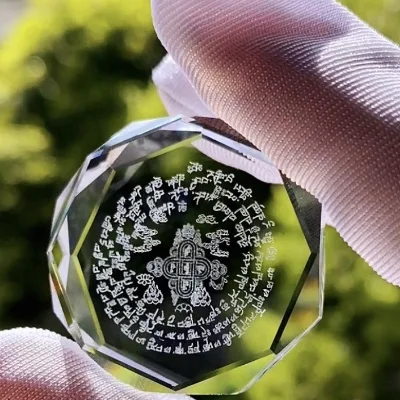
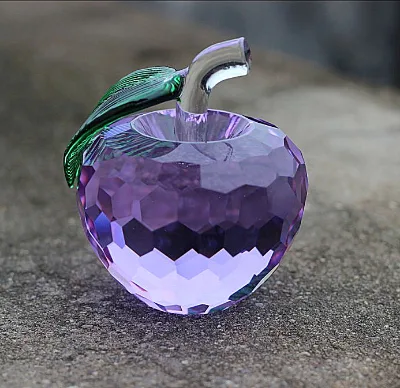
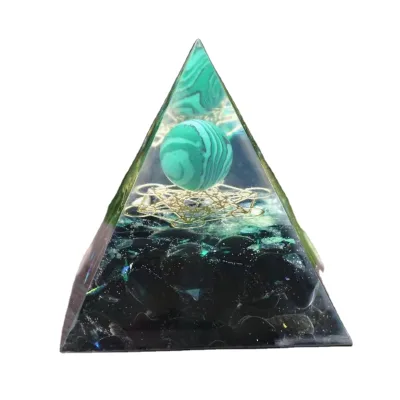
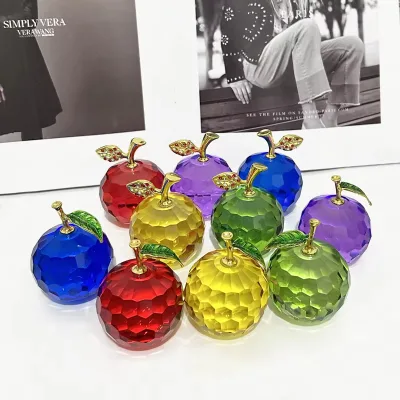




Comprehensive Sourcing Guide
Strategic Sourcing Guide for Carved Crystal Paperweights
Understanding Product Specifications and Variability
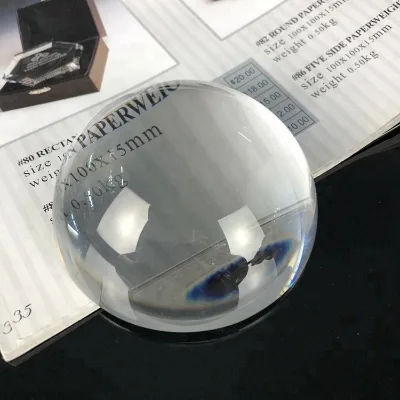
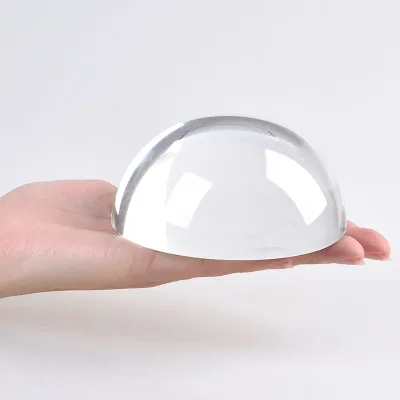
When initiating a procurement strategy for carved crystal paperweights, the buyer must first navigate the inherent variability in product specifications found within the global market. The core keyword "Carved Crystal Paperweight" encompasses a diverse range of items that share a common material base but differ significantly in dimensions, shapes, and decorative techniques. Based on observed market data, the material composition is consistently identified as crystal or high-quality glass, often treated with a polished finish to enhance clarity and light refraction. However, the specific physical attributes vary widely between suppliers.
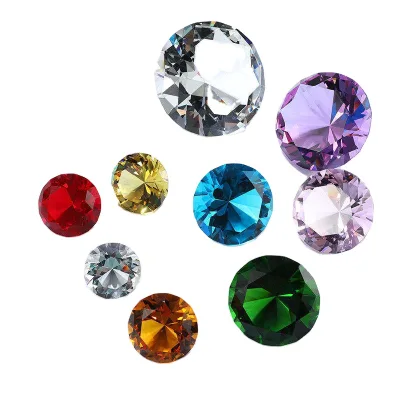
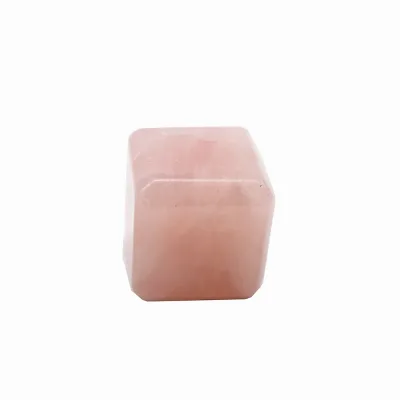
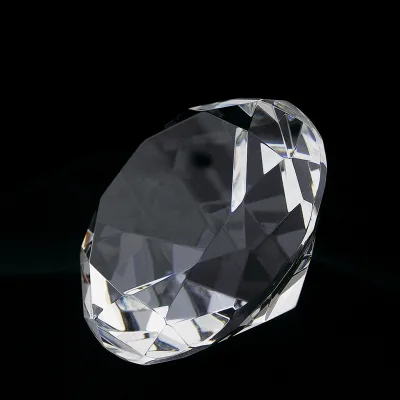
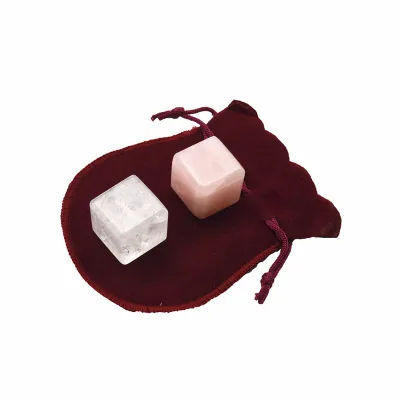
The dimensional specifications are a primary point of differentiation. Market observations indicate that sizes can range from compact 40mm units to substantial 100mm blocks. Some listings specify standard sizes such as 60mm and 80mm, while others offer "many sizes" or a "one size" option that may imply a standard dimension not explicitly defined in the summary. The shape is equally diverse, with common forms including diamond, oval, and square configurations. For instance, specific product lines are described as "crystal square glass photo cubes," while others are explicitly labeled as "diamond" shaped or "oval." This variation necessitates that buyers define their exact dimensional requirements before engaging with suppliers, as a standard "one size" may not align with a specific corporate branding need or shelf-space constraint.
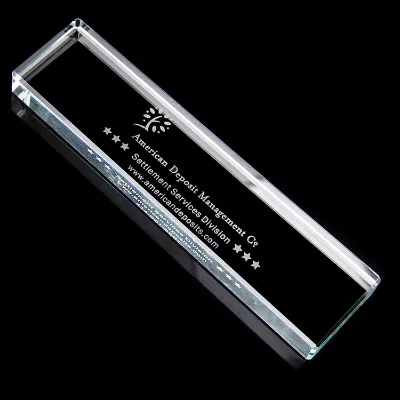
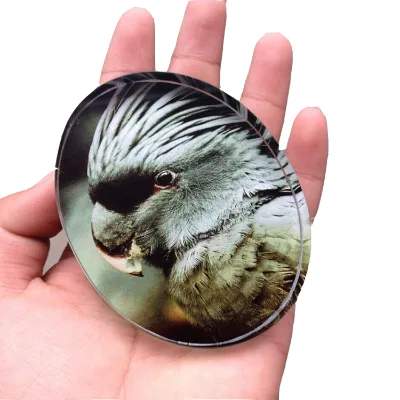
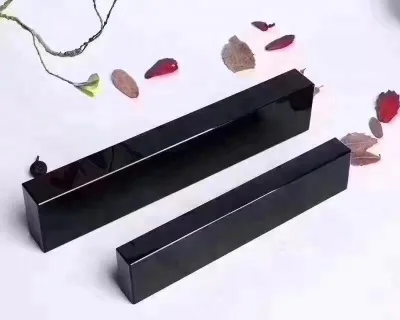
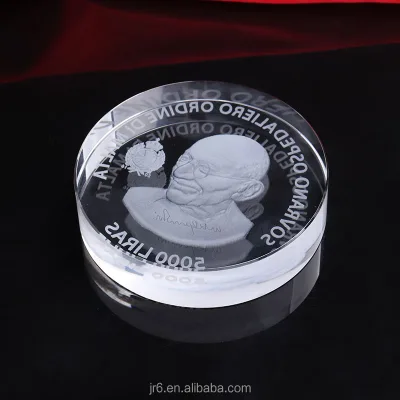
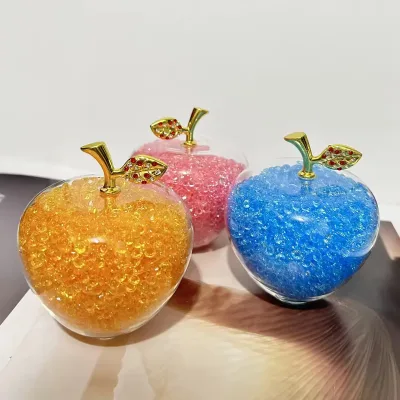
The decorative technique is another critical specification. The term "carved" in this context often refers to specific finishing processes such as engraving, polishing, or UV printing. Observed data highlights "carved" and "polished" as distinct techniques, alongside "uv printing" and "embossing printing." Some products are described as "hand made" or falling under "folk art" styles, while others are categorized under "modern" or "fashion trend" designs. The color palette is also a variable specification; while "clear" is a dominant option, suppliers also offer "black obsidian," "many colors," and "customized" color options. The single package size and gross weight further complicate logistics planning, with observed data showing package dimensions ranging from 10x8x6 cm to 15x10x10 cm and weights varying between 0.300 kg and 0.400 kg per unit.
Technical Compliance and Certification Verification
In the realm of B2B procurement for decorative crystal items, technical compliance and certification verification are often less about regulatory safety and more about material integrity and ethical sourcing. Unlike industrial components, carved crystal paperweights generally do not require complex safety certifications such as UL or CE, unless they are intended for specific electrical or children's use, which is not the primary application observed. However, buyers must verify the material composition claims. The term "crystal" can be ambiguous; it may refer to lead crystal, which offers higher refractive index and clarity, or to lead-free glass. The supplied data lists "Crystal" and "Glass" interchangeably, indicating a need for buyers to explicitly request material composition statements from the supplier.
Regarding surface treatments like UV printing and embossing, buyers should inquire about the durability of the ink and the safety of the materials used. While the data mentions "uv printing" as a common technique, it does not specify compliance with food-contact or toxicity standards. If the paperweights are intended for use in environments where they might be handled frequently or placed near food, verifying that the inks and coatings are non-toxic and compliant with relevant regional safety standards (such as REACH in Europe or CPSIA in the US) is a prudent step. The "Regional Feature: Europe" noted in some product descriptions suggests that certain suppliers may align their manufacturing or finishing processes with European aesthetic or quality expectations, but this does not automatically imply formal certification.
Buyers should also assess the supplier's ability to provide documentation regarding the "hand made" or "customized works" aspects. If a product is marketed as artisanal or hand-carved, the buyer should request evidence of the production process to ensure that the "hand made" claim is accurate and not merely a marketing term. This verification is crucial for maintaining the perceived value of the product, especially when used as high-end business gifts. Furthermore, while the data mentions "Safe Package" as a feature, this is a qualitative claim. Procurement teams should verify the specific packaging standards, such as the use of foam boxes or protective cushioning, to ensure that the fragile nature of the crystal is adequately protected during transit, preventing breakage rates that could impact the total landed cost.
Cost Drivers and Pricing Structure Analysis
The pricing structure for carved crystal paperweights is influenced by a complex interplay of material costs, labor intensity, customization levels, and order volume. The observed price range in the market spans from $0.37 to $65 USD, a disparity that reflects the vast differences in product complexity and scale. The lower end of this spectrum likely corresponds to mass-produced, standard-sized items with minimal customization, such as simple clear glass cubes with basic polishing. In contrast, the higher price points are associated with intricate designs, larger dimensions (e.g., 100mm), specialized techniques like deep engraving or UV printing, and custom branding.
Minimum Order Quantity (MOQ) is a significant cost driver. The data reveals a wide range of MOQs, from as low as 1 piece to as high as 1000 pieces, with specific instances of 30 pieces. Suppliers with a 1-piece MOQ often cater to sampling or small boutique orders, but the unit cost per item will be significantly higher due to the lack of economies of scale. Conversely, suppliers requiring an MOQ of 1000 pieces may offer lower unit prices but require a substantial upfront capital commitment. The "Selling Units" field often indicates "Single item," which suggests that some suppliers are structured to handle small, individual transactions, while others operate on bulk models.
Labor intensity is another critical factor. Products described as "hand made," "folk art," or featuring "customized works" inherently require more skilled labor and time than machine-polished, standard items. This labor cost is directly reflected in the price. Additionally, the complexity of the design plays a role; a "diamond" shape with "embossing printing" may cost more to produce than a simple "oval" shape with a "polished" finish. The "brand name" and "style" also influence pricing; luxury-branded items or those with a "modern" design aesthetic may command a premium over generic or "fairy" style items. Buyers must balance their budget constraints against the desired level of customization and quality, understanding that a lower price point often correlates with standard specifications and limited customization options.
Typical Applications and Market Positioning
Carved crystal paperweights serve a versatile role in the B2B gift and promotional market, primarily functioning as high-value tokens of appreciation, corporate memorabilia, and decorative accents. The observed applications are diverse, ranging from "business gifts" and "wedding gifts" to "holiday decoration" and "souvenirs." This versatility allows the product to be positioned across various market segments, from executive-level corporate gifting to mass-market event souvenirs.
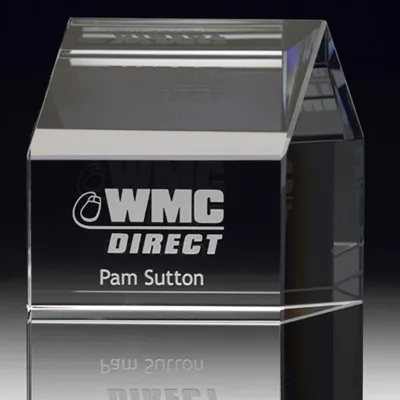
In the corporate sector, these items are frequently utilized as "business gifts" for clients, partners, or employees. The "luxury" style and "fashion trend" attributes make them suitable for high-end branding campaigns where the recipient expects a premium quality item. The ability to customize the design, including "uv printing" for logos or "engraving" for names, enhances their utility as branded merchandise. For weddings and holidays, the "wedding decoration & gift" and "holiday decoration & gift" applications highlight their role as keepsakes. The "crystal" material and "polished" finish contribute to an aesthetic of elegance and permanence, aligning well with the sentimental value of such occasions.
The "event souvenir" application is particularly relevant for large-scale gatherings, conferences, or trade shows. In these contexts, the "usage" often shifts towards mass distribution, where the "MOQ" and "price" become the primary decision factors. The "clear" or "many colors" options allow for thematic alignment with specific events. Additionally, the "home decoration" application suggests that these items have a secondary life as decorative objects, extending their value beyond the initial gifting moment. The "single gross weight" and "single package size" data indicate that these items are compact enough for easy shipping and storage, making them practical for logistics-heavy applications like trade show giveaways.
Supplier Evaluation and Selection Criteria
Selecting the right supplier for carved crystal paperweights requires a rigorous evaluation process that goes beyond price comparison. Buyers should prioritize suppliers who demonstrate transparency in their production capabilities and material sourcing. The "Place of Origin" is a key indicator; the data shows a concentration of suppliers in "Zhejiang, China" and general "China" origins. While this region is known for its manufacturing prowess in glass and crystal, buyers should verify the specific factory capabilities, especially regarding the "hand made" and "customized works" claims.
Supplier reliability is paramount, particularly given the fragile nature of the product. The "Payment" terms observed, such as "tt or trade assurance," offer a layer of financial security. Buyers should prefer suppliers who accept Trade Assurance or similar escrow services, as these provide protection against non-delivery or quality disputes. The "Packing" method is another critical evaluation point. Suppliers who specify "foam Box" or "Safe Package" demonstrate an understanding of the product's fragility. Buyers should request photos or videos of the actual packaging process to ensure that the "Safe Package" claim is backed by robust physical protection.
The "Brand Name" and "Model Number" fields provide insight into the supplier's product range and specialization. Established brands like "jingdi" or "ABAN CRYSTAL" may offer more consistent quality control, while generic listings might indicate a trading company or a smaller workshop. Buyers should assess the supplier's responsiveness to customization requests, as the "Design: Customized Works" attribute suggests that many buyers require tailored solutions. A supplier's ability to provide samples, detailed technical drawings, and clear communication regarding lead times and MOQs is essential for a successful partnership.
Quality Control and Long-Term Procurement Strategy
Implementing a robust quality control (QC) strategy is essential for mitigating the risks associated with purchasing fragile, decorative items. Given the "polished" and "carved" nature of the products, visual inspection for scratches, bubbles, and uneven surfaces is a primary QC step. Buyers should define clear acceptance criteria for these visual defects before production begins. For items with "uv printing" or "engraving," the QC process must include checks for ink adhesion, color accuracy, and engraving depth. The "Single gross weight" and "Single package size" should also be verified against the order specifications to ensure consistency across the batch.
Long-term procurement considerations involve building a sustainable supply chain that can adapt to changing market demands. Buyers should consider the scalability of the supplier's production capacity. If a supplier currently meets a low MOQ of 1 piece, can they scale to 1000 pieces without compromising quality or lead times? The "lead time" is not explicitly provided in the data, but it is a critical factor for planning. Buyers should negotiate clear timelines for production and shipping, especially for custom orders that may require additional time for design approval and carving.
Sustainability is an emerging consideration in the procurement of glass and crystal products. While the data does not specify environmental certifications, buyers should inquire about the supplier's waste management practices and energy efficiency, particularly for energy-intensive processes like glass melting and polishing. Additionally, the "Regional Feature: Europe" noted in some listings suggests that some suppliers may be attuned to European sustainability standards, which could be a differentiator for buyers targeting that market.
Finally, maintaining a relationship with a reliable supplier can lead to better pricing and priority service over time. Buyers should aim to consolidate their orders with fewer suppliers to increase their leverage and ensure consistent quality. Regular audits and feedback loops can help maintain high standards and foster a collaborative environment where both parties can address challenges proactively. By focusing on these strategic elements, buyers can secure a steady supply of high-quality carved crystal paperweights that meet their specific business and aesthetic requirements.
FAQs
What materials are used for carved crystal paperweights?
These items are primarily made from crystal or high-quality glass. The material is often polished to enhance clarity and light refraction, with some listings specifying clear or black obsidian finishes.
Which shapes are available for these crystal paperweights?
Common shapes include diamond, oval, and square configurations like photo cubes. Buyers can find options ranging from compact 40mm units to larger 100mm blocks depending on the specific supplier listing.
How can I customize the design of a crystal paperweight?
Customization is available through techniques like UV printing, embossing, and engraving. Many suppliers offer customized works and color options, allowing for specific branding or unique artistic styles.
What is the typical minimum order quantity for these items?
Minimum order quantities vary significantly, ranging from as low as 1 piece to 1000 pieces. Some suppliers require a minimum of 30 pieces, while others cater to single-item sampling orders.
Can I find suppliers in Zhejiang, China for these products?
Yes, many suppliers are located in Zhejiang, China, which is a known manufacturing hub for glass and crystal. Buyers should verify specific factory capabilities and packaging standards for safe transit.
What are the common applications for carved crystal paperweights?
These items are frequently used as business gifts, wedding gifts, and event souvenirs. They also serve as home decorations and holiday gifts due to their elegant and durable nature.
How are these fragile items typically packaged for shipping?
Suppliers typically use foam boxes or safe package methods to protect the crystal during transit. Buyers should verify specific packaging standards to ensure the item arrives without breakage.