Find Caterpillar Oil Pressure Sensor for Excavator, Heavy Machinery, and Caterpillar E315D
Source 30 new units of the Caterpillar Oil Pressure Sensor compatible with models like C7, C15, and E324D. Buyers can compare OEM numbers, certifications, and warranty terms from verified suppliers in China.
Key considerations
Products List


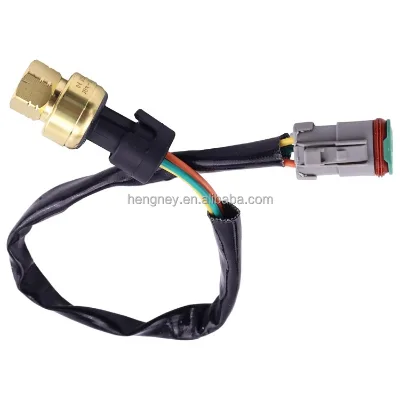
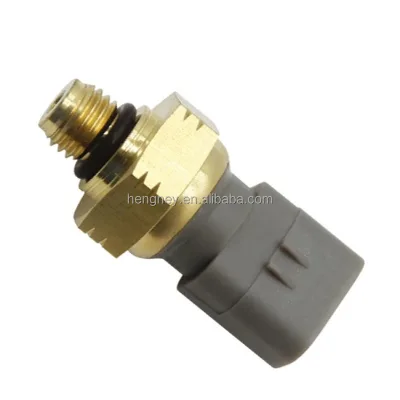
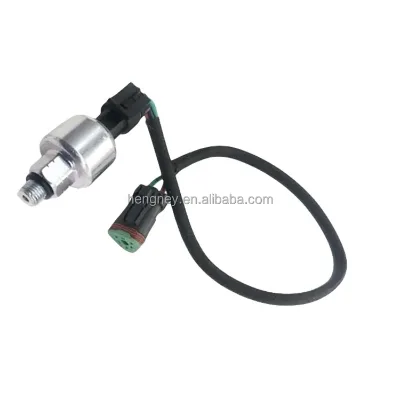
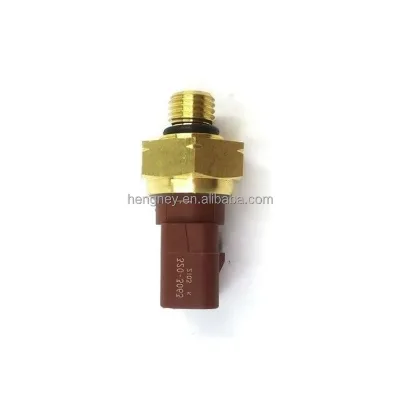


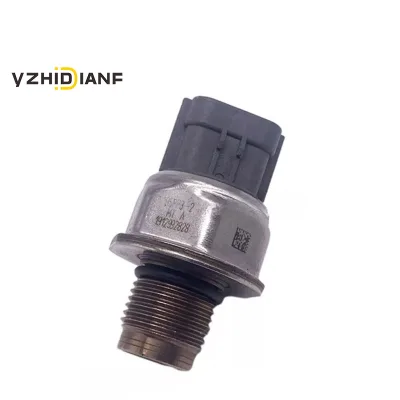


$8.00 - $12.00
MOQ: 10 Pieces
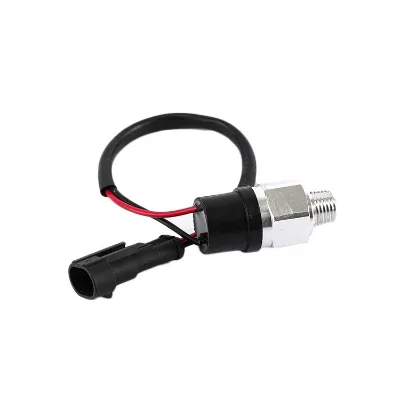
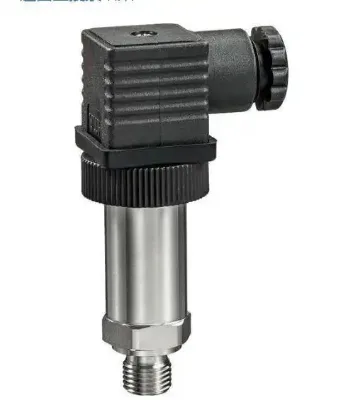
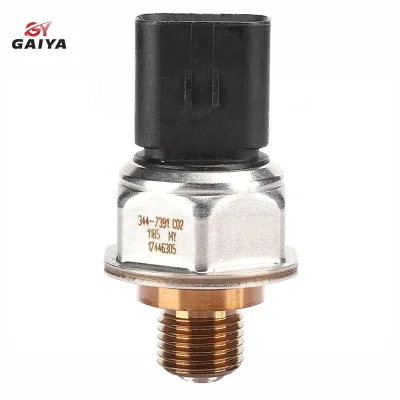
Comprehensive Sourcing Guide
Strategic Sourcing Guide for Caterpillar Oil Pressure Sensors
Understanding Technical Specifications and Compatibility
When sourcing oil pressure sensors for Caterpillar machinery, the primary objective is to ensure precise compatibility with the specific engine and hydraulic systems of the equipment. The market presents a wide array of part numbers, each designed for distinct operational environments. Based on current market data, the core product offerings include specific engine model identifiers such as 103-6092, 239-2396, 383-7548, 2660136, 161-1703, 202-9002, 194-6724, 320-3062, 1671709, 320-3063, and 161-1704. These identifiers are not merely labels but critical technical parameters that dictate the sensor's physical interface and electrical output characteristics.
Buyers must recognize that these sensors are not universally interchangeable. For instance, the sensor associated with model 103-6092 is explicitly listed for applications involving the C7, C15, 330d, 3512c, 3126b, 140m, 120h, and D6t models. In contrast, the 239-2396 variant is tailored for the E324D, E325D, E325c, and 3126b series. Other specific models like 2660136 are designated for the Caterpillar E315D, while 161-1703 serves the C15, C18, C7, and C9 engine families. The 202-9002 part number is compatible with a broader range including the 319d, 320c, 324D, 330c, 330d, 390d, and M325D.
The physical dimensions of the sensor also vary significantly depending on the application. Some units adhere to a standard size, while others are defined by specific package dimensions such as 100mm100mm100mm or 2008880MM. These dimensional constraints are vital for installation in tight engine compartments. Furthermore, the product origin plays a role in the supply chain, with verified sources located in Guangdong and Zhejiang, China. Buyers should verify that the specific part number they require matches the "Applicable Models" listed in the supplier's technical data sheet to prevent installation failures or sensor malfunction.
Compliance, Certification, and Quality Standards
In the industrial procurement of heavy machinery components, compliance with international standards is non-negotiable. The oil pressure sensors available in the current market typically carry certifications such as CE and ISO9001. These certifications indicate that the manufacturing processes adhere to specific quality management systems and safety requirements. The presence of the CE mark suggests conformity with health, safety, and environmental protection standards for products sold within the European Economic Area, while ISO9001 certification demonstrates a commitment to consistent quality control in manufacturing.
It is crucial for buyers to understand that these certifications are attributes of the product listing and should be verified against the actual shipment documentation. The condition of the products is consistently listed as "New," which is a fundamental requirement for critical engine components like oil pressure sensors. Using refurbished or used parts in high-stress environments can lead to unpredictable failures. Additionally, the quality of the sensor is often described as "High-Quality," a term that should be substantiated by the supplier's ability to provide test reports or quality assurance documentation.
The packaging standards also reflect the care taken during manufacturing and shipping. Products are typically packed in cartons, with some listings specifying "Neutral Packing" to allow for branding flexibility or to reduce shipping costs. The standard package size for certain units is noted as 100mm100mm100mm, while others may have dimensions of 2008880MM. These packaging details are essential for logistics planning and ensuring the sensors arrive without physical damage. Buyers should confirm that the packaging meets the necessary protective standards for the specific shipping route and duration.
Cost Drivers and Pricing Dynamics
The pricing of Caterpillar oil pressure sensors is influenced by a complex interplay of factors, including the specific part number, the complexity of the sensor technology, and the volume of the order. The observed price range in the market spans from 1 to 230 USD. This wide variance indicates that different models serve different market segments, with some being high-volume, lower-cost components and others being specialized, higher-value units. The Minimum Order Quantity (MOQ) also fluctuates, ranging from 1 to 500 units. This flexibility allows buyers to procure single replacement units or bulk orders for fleet maintenance without being locked into excessive inventory.
Several factors contribute to the final cost. First, the specific engine model compatibility dictates the complexity of the sensor. Sensors designed for heavy-duty applications like the 3512c or 3126b may command a higher price due to the rigorous engineering required to withstand extreme operating conditions. Second, the inclusion of value-added services, such as online after-warranty support and video outgoing-inspection, can influence the pricing structure. Suppliers offering comprehensive support packages may price their products slightly higher to cover these service costs.
Buyers should also consider the OEM (Original Equipment Manufacturer) status of the part. Many listings explicitly state the OEM number, such as 194-6724, 320-3062, 1671709, and 320-3063. While these are often aftermarket replacements, they are engineered to meet the original specifications. The "Universal Fitment" attribute is generally listed as "No," emphasizing the need for precise matching. This specificity can limit the pool of suppliers, potentially affecting the competitive pricing landscape. Additionally, the brand name, such as Hengney, may carry a premium if the brand has established a reputation for reliability in the heavy machinery sector.
Typical Applications and Operational Environments
The operational environment of Caterpillar machinery dictates the performance requirements of the oil pressure sensor. These sensors are integral to the monitoring and protection of heavy-duty engines, ensuring that oil pressure remains within safe limits to prevent catastrophic engine failure. The listed applications cover a vast spectrum of equipment, from construction machinery like the 330d and 3512c to mining and industrial equipment such as the 140m and 120h. The versatility of these sensors is evident in their compatibility with diverse engine families, including the C7, C9, C15, and C18 series.
For example, the sensor with model number 103-6092 is designed for the C7, C15, 330d, 3512c, 3126b, 140m, 120h, and D6t models. These machines often operate in harsh conditions, including high temperatures, heavy loads, and continuous duty cycles. The sensor must be robust enough to withstand vibration, pressure spikes, and potential exposure to contaminants. Similarly, the 239-2396 sensor is tailored for the E324D, E325D, E325c, and 3126b, which are commonly used in earthmoving and material handling operations. The 202-9002 model serves a wide range of equipment including the 319d, 320c, 324D, 330c, 330d, 390d, and M325D, highlighting its adaptability to various machine classes.
The purpose of these sensors is strictly defined as "for replace/repair," indicating their role in maintenance and recovery operations. The "Color" of the sensor is typically as shown in the product picture, which may vary by manufacturer but does not affect functionality. The "Selling Units" are listed as "Single item," allowing for flexible procurement. Understanding the specific application of each sensor model is crucial for maintaining the uptime of heavy machinery fleets. A mismatch in sensor specifications can lead to inaccurate pressure readings, triggering false alarms or failing to detect critical low-pressure conditions that could damage the engine.
Supplier Evaluation and Verification Protocols
Selecting the right supplier is a critical step in the procurement process. Buyers should prioritize suppliers who provide transparent technical data and offer robust after-sales support. The availability of "Online Support" and "Video Outgoing-Inspection" are significant indicators of a supplier's commitment to quality and customer service. These services allow buyers to verify the condition and specifications of the product before shipment, reducing the risk of receiving defective or incorrect items. The "After Warranty Service" is listed as "Yes" or "Online Support" for various models, ensuring that buyers have access to technical assistance even after the initial warranty period expires.
When evaluating suppliers, buyers should look for those who clearly state the "Product Origin," such as Guangdong or Zhejiang, China. This information helps in assessing the supply chain logistics and potential lead times. The "Brand Name" is another factor to consider; while some suppliers may offer generic parts, others may provide branded products like Hengney, which may offer better quality assurance. The "Condition" of the product should always be confirmed as "New" to ensure reliability. Additionally, the "Customization" availability should be checked if the buyer has unique requirements that deviate from standard specifications.
Buyers must also verify the "Certification" status of the supplier and the products. The presence of CE and ISO9001 certifications is a strong indicator of a supplier's adherence to international quality standards. However, these certifications should be validated through official documentation rather than relying solely on product listings. The "Quality" attribute, often described as "High-Quality," should be backed by tangible evidence such as test reports or customer reviews. Finally, the "Service" level, such as "24 Hours" availability, is a key differentiator for suppliers who can provide rapid response to urgent procurement needs.
Quality Control and Long-Term Procurement Considerations
Ensuring the long-term reliability of oil pressure sensors requires a proactive approach to quality control and procurement planning. The "Warranty" period is a critical metric, with many suppliers offering a "1 Year" warranty. This warranty serves as a guarantee of the product's durability and performance. Buyers should carefully review the terms of the warranty to understand what is covered, including potential defects in materials or workmanship. The "Purpose" of the sensor being "for replace/repair" underscores the importance of selecting high-quality replacements to maintain the integrity of the machinery.
Long-term procurement considerations also involve the consistency of the supply chain. Buyers should aim to establish relationships with suppliers who can provide consistent product quality and reliable delivery schedules. The "Single package size" and "Standard Size" attributes are important for inventory management and storage. Knowing the exact dimensions of the packaging helps in optimizing warehouse space and reducing shipping costs. The "Packing" method, whether "Carton" or "Neutral Packing," should be evaluated for its ability to protect the sensor during transit.
Furthermore, buyers should consider the "After Warranty Service" options when planning their maintenance schedules. Suppliers offering "Online Support" can provide valuable assistance in troubleshooting issues that may arise after the warranty period. The "Video Outgoing-Inspection" feature is particularly useful for high-value orders, allowing buyers to visually inspect the product before it leaves the supplier's facility. By integrating these quality control measures into their procurement strategy, buyers can minimize downtime and ensure the optimal performance of their Caterpillar machinery.
Comparative Analysis of Key Product Attributes
To facilitate informed decision-making, the following table summarizes the key attributes of the various oil pressure sensor models available in the market. This comparison highlights the differences in engine compatibility, specifications, and packaging, enabling buyers to quickly identify the most suitable product for their specific needs.
| Product Model | Engine Model / Applicable Models | Certification | Packaging Standard | Origin | Warranty |
|---|---|---|---|---|---|
| 103-6092 | C7, C15, 330d, 3512c, 3126b, 140m, 120h, D6t | CE, ISO9001 | Carton (100x100x100mm) | Guangdong China | 1 Year |
| 239-2396 | E324D, E325D, E325c, 3126b | CE | Carton | Guangdong China | Yes |
| 383-7548 | Heavy Machinery | CE | Carton | Guangdong China | Yes |
| 2660136 | Caterpillar E315D | CE | Carton | Guangdong China | Yes |
| 161-1703 | C15, C18, C7, C9 | CE | Carton | Guangdong China | Yes |
| 202-9002 | 319d, 320c, 324D, 330c, 330d, 390d, M325D | CE | Carton | Guangdong China | Yes |
| 194-6724 | Universal (OEM: 194-6724) | CE | Neutral Packing | Guangdong China | 1 Year |
| 320-3062 | Universal (OEM: 320-3062) | CE | Neutral Packing | Guangdong China | 1 Year |
| 1671709 | Universal (OEM: 1671709) | CE | Neutral Packing | Guangdong China | 1 Year |
| 320-3063 | Universal (OEM: 320-3063) | CE | Neutral Packing | Guangdong China | 1 Year |
| 161-1704 | Universal (OEM: 161-1704) | CE | Cartoon (200x88x80mm) | Zhejiang | 1 Year |
This table serves as a reference for buyers to cross-reference their equipment requirements with the available product specifications. It emphasizes the importance of matching the correct model number to the specific engine and machine type to ensure optimal performance and longevity. By adhering to these guidelines, buyers can navigate the complex landscape of Caterpillar Oil Pressure Sensor procurement with confidence and precision.
FAQs
Which Caterpillar models fit the 103-6092 oil pressure sensor?
The 103-6092 sensor fits C7, C15, 330d, 3512c, 3126b, 140m, 120h, and D6t models. Buyers must verify the specific engine code to ensure compatibility before ordering replacement parts.
What certifications do these oil pressure sensors carry?
These sensors typically carry CE and ISO9001 certifications indicating compliance with safety and quality standards. Buyers should request documentation to verify these certifications match the specific shipment received.
Can I get online support after the warranty period expires?
Yes, online support is available for after-warranty service on many listed models. This service helps buyers troubleshoot installation or operational issues without needing immediate physical inspection by a technician.
What is the typical MOQ for ordering these sensors?
The minimum order quantity ranges from 1 to 500 units depending on the supplier and specific part number. Buyers can often source single items for immediate repairs or bulk orders for fleet maintenance.
How long is the warranty period for these new sensors?
Most listings provide a one-year warranty for new oil pressure sensors. This warranty covers defects in materials or workmanship, ensuring reliability for critical engine monitoring applications.
Where are these sensors manufactured and shipped from?
Products originate from Guangdong and Zhejiang, China, with verified supply chains in these regions. Buyers should confirm the specific origin to estimate shipping times and logistics costs accurately.
Are these sensors available with custom packaging options?
Customization is available for packaging, including neutral packing or specific carton dimensions like 100mm by 100mm. Buyers can request specific packing to suit their inventory or branding requirements.