Source CD Sensors for Industrial Automation, Security, and Motion Control
Explore 30 available CD Sensors tailored for industrial automation, security checks, and motion control applications. Compare specifications such as IP ratings, output signals, and material types from verified suppliers to find the right solution for your project needs; compare the available evidence and request quotations based on your requirements.
Key considerations
Products List


$3.50 - $4.00
MOQ: 10 Pieces


$30.00 - $60.00
MOQ: 10 Pieces


$10.00 - $100000.00
MOQ: 1 Pieces
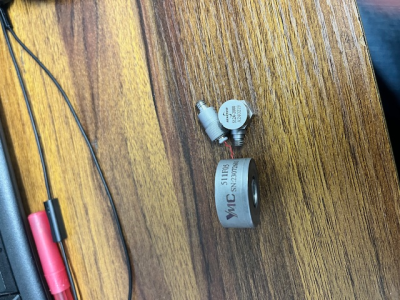
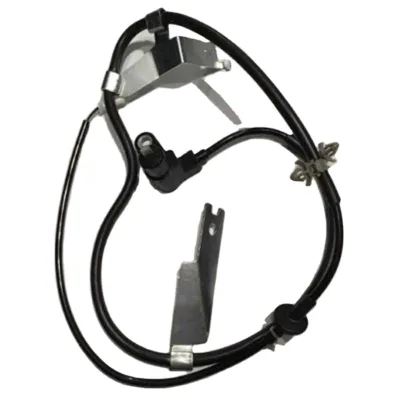

Negotiable
MOQ: 1 Pieces

Comprehensive Sourcing Guide
CD Sensors Sourcing Guide
The global market for CD Sensors reveals a diverse landscape where industrial automation components coexist with specialized security and measurement devices. Buyers must navigate a wide array of product models, ranging from specific brake system components to advanced piezoelectric and encoder-based position sensors. The observed listings indicate that these devices are often designed for critical applications in security checks, industrial monitoring, and motion control systems, requiring precise selection based on the intended operational environment.
Procurement strategies must account for significant variations in customization capabilities and packaging standards found across different suppliers. While some vendors offer fully customized solutions with specific packing requirements like plywood pallets, others provide standard cartons or plastic bags for off-the-shelf items. Understanding these logistical differences is essential for aligning inventory management with production schedules, as the availability of customized options directly impacts the flexibility of the supply chain for unique engineering requirements.
Product Scope and Observed Listing Signals
Buyers should first categorize the available inventory by distinguishing between mechanical brake systems and electronic sensing units like encoders or piezoelectric sensors. The data shows a clear split between heavy-duty steel components and delicate electronic devices, each serving distinct functions within larger machinery. For instance, some listings highlight specific models designed for sliding or swing door operators, while others focus on single-shaft measuring capabilities for industrial automation, necessitating a clear definition of the primary application before sourcing begins.
The observed price and minimum order quantity ranges suggest a highly segmented market where volume dictates unit economics significantly. With prices spanning from nominal values to substantial figures and MOQs ranging from single units to thousands, buyers must align their order volume with their budget constraints and storage capacity. It is critical to verify whether a specific listing supports the required quantity without incurring prohibitive costs, as the disparity between low-volume prototyping and high-volume production runs can drastically alter the total cost of ownership.
Technical Specifications to Verify
Technical due diligence requires a rigorous check of material composition and physical dimensions to ensure compatibility with existing machinery. The supply data indicates that steel is a common material for structural components, while specific models adhere to precise dimensional standards such as 440mm in length. Buyers must verify that the physical footprint and material strength of the sensor or brake system match the mechanical constraints of their installation site to prevent premature failure or integration issues.
Electrical and functional specifications are equally critical, particularly regarding voltage requirements, output signals, and protection ratings. Listings frequently cite voltage ranges between 12V and 24V, with some devices offering digital output signals and IP67 protection levels for harsh environments. Procurement teams must confirm that the selected encoder or sensor supports the necessary communication protocols, such as industrial Ethernet or incremental signals, and that the IP rating aligns with the environmental exposure expected in the operational setting.
Compliance and Safety Documentation
Regulatory compliance is a non-negotiable aspect of sourcing, with CE certification appearing as a primary standard for many listed products. Buyers must request and validate current certificates to ensure that the components meet the safety and electromagnetic compatibility requirements of their target markets, particularly in Europe and North America. The presence of ISO certifications, such as ISO/TSIS, further indicates a supplier's commitment to quality management systems, which should be verified against the specific needs of the procurement project.
Safety documentation must also address the specific operational risks associated with the device type, whether it is a brake system or a high-precision position sensor. While some products are marked with specific standards like ceramics or steel grades, the broader safety context relies on the supplier's ability to provide test reports and compliance declarations. Buyers should ensure that the documentation explicitly covers the intended application, such as security checks or industrial automation, to mitigate liability and ensure operational safety.
Cost Drivers and Commercial Terms
Cost structures in this sector are heavily influenced by the level of customization and the complexity of the electronic components involved. Customized solutions often command higher prices and longer lead times compared to standard models, as they require specific engineering adjustments and unique packaging arrangements. Buyers must evaluate whether the added cost of a tailored product justifies the performance benefits or if a standard model with minor modifications can meet the operational requirements more efficiently.
Commercial terms regarding packaging and shipping logistics play a significant role in the final landed cost and delivery timeline. The observed data shows a variety of packing methods, from standard cartons to customized pallets, which directly impact freight costs and handling requirements. Procurement teams should negotiate clear terms regarding who bears the cost of specialized packaging and how lead times are calculated, ensuring that the delivery schedule aligns with production needs without unexpected delays or surcharges.
Supplier Qualification and Quality Control
Supplier qualification should focus on verifying the origin and manufacturing capabilities of the vendors, as many products originate from specific regions like Cangzhou or Shanghai. Buyers must assess the supplier's track record in producing consistent quality for complex components like encoders and brake systems, ensuring they have the infrastructure to maintain strict tolerances. The presence of multiple certifications and a diverse product range can indicate a robust manufacturing base, but direct verification of their quality control processes is essential.
Quality control protocols must be established to ensure that every delivered unit meets the specified technical and safety standards. Buyers should require pre-shipment inspections and sample testing to validate critical attributes such as accuracy grades, IP ratings, and material integrity. Establishing a clear communication channel for reporting defects and resolving quality issues is vital, as the reliability of these components is paramount for the safety and efficiency of the end-user's industrial or security applications.
Long-Term Procurement Checks
Sustainability and supply chain resilience are key considerations for long-term procurement strategies involving these specialized components. Buyers should evaluate the supplier's ability to maintain consistent production volumes and their contingency plans for supply disruptions, especially given the global nature of the market. Ensuring a stable supply of critical parts like encoders and brake systems prevents production stoppages and supports the long-term viability of the operational infrastructure.
Future-proofing the procurement strategy involves monitoring technological advancements and the availability of replacement parts for the selected models. As industries evolve, the demand for higher precision or new communication protocols may render current specifications obsolete. Buyers should maintain a relationship with suppliers who can provide updates on new models and ensure that the current inventory remains compatible with future system upgrades, securing a reliable partnership for ongoing operational needs.
FAQs
How do CD Sensors detect vehicle approach at automatic doors?
CD Sensors detect the approach of people or vehicles toward an automatic door by monitoring changes in the detection field in front of the door. When motion enters the field, the sensor sends a signal to the door operator to open. Detection range and sensitivity are typically adjustable to suit the installation site and traffic conditions.
What should buyers check before ordering CD Sensors for sliding doors?
Buyers should confirm the sensor type, operating voltage, output signal, and compatibility with the door operator brand. Voltage between 12V and 24V is a common operating range for these sensors. It is also important to verify the mounting position, detection pattern, and whether the housing finish, such as silver, matches the door frame.
Which certifications matter when sourcing CD Sensors from China?
CE certification is commonly listed for CD Sensors supplied from China, indicating conformity with European requirements. Some suppliers also list ISO certification. Buyers should request copies of current certificates and confirm the exact model, such as specific product codes, is covered by the certificate before placing an order.
Can CD Sensors be customized for specific door automation projects?
Yes, customization is listed as available for these products. Buyers can discuss modifications to detection settings, cable length, mounting brackets, or housing color with suppliers. Custom requirements usually affect minimum order quantity and lead time, so it is advisable to confirm specifications in writing and request a sample before volume production.
What packaging options are typical for CD Sensors during shipping?
Standard packaging for CD Sensors includes carton cases, and some suppliers offer plastic bags, cartons, pallets, or customized packing. Plywood pallets may be used for heavier shipments. Buyers shipping by sea or air should confirm packing details early, because proper carton and pallet packing reduces damage risk during international transport.
How do suppliers usually set minimum order quantities for CD Sensors?
Minimum order quantities vary by supplier and product configuration. Listed MOQs for related products range from single-piece orders for samples or urgent needs up to several thousand pieces for volume contracts. Buyers should state their target quantity when requesting quotes, since MOQ, unit price, and customization level are usually negotiated together.
What are the main application areas for CD Sensors?
CD Sensors are mainly applied in industrial automation and security check scenarios, as well as sliding or swing door operators. In door systems they function as motion or position detection devices that trigger opening. Buyers should match the sensor's output signal type, such as digital output, to the control system used at the installation site.
Which encoder and sensor types are commonly listed alongside CD Sensors?
Related listings commonly include incremental, absolute, industrial Ethernet, servo motor, split, magnet gear, and draw wire encoders, plus position sensors. Protection levels such as IP67 or IP54 are noted for some models. Buyers integrating CD Sensors into automation systems should verify interface compatibility, protection rating, and shaft or detection configuration for each model.