Source 3PDT Foot Pedal Switch for Guitar, Audio, and Industrial
Compare 30 verified listings for the CE 3PDT Foot Pedal Switch from Chinese manufacturers. Buyers can evaluate voltage ratings, mechanical life, and certifications like CE and RoHS to find suitable options for guitar, audio, and industrial applications; compare the available evidence and request quotations based on your requirements.
Key considerations
Products List
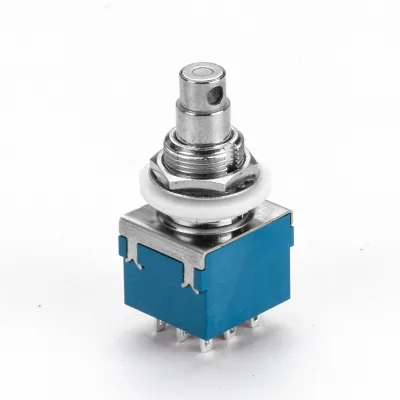
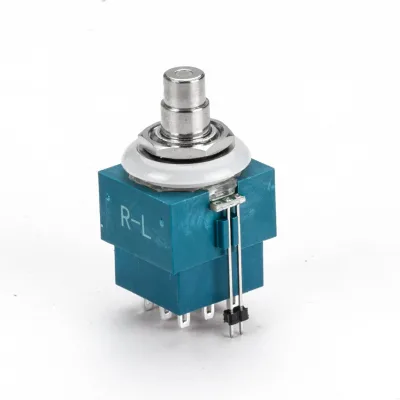

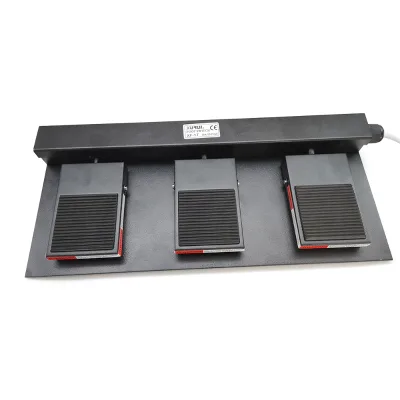
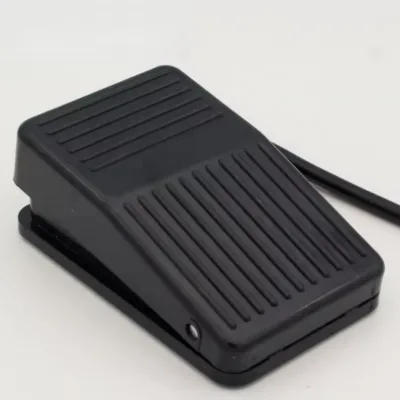

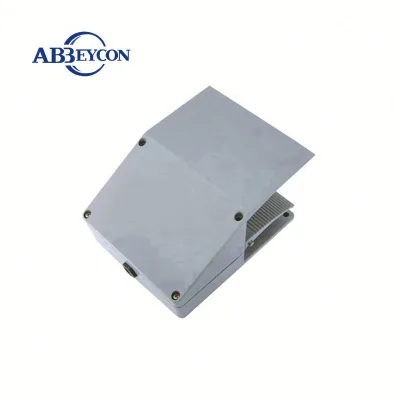
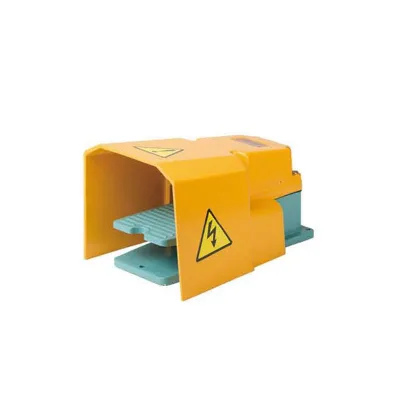
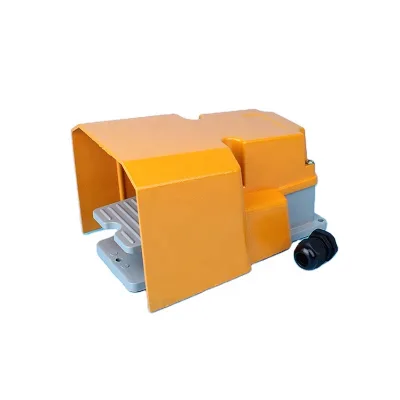


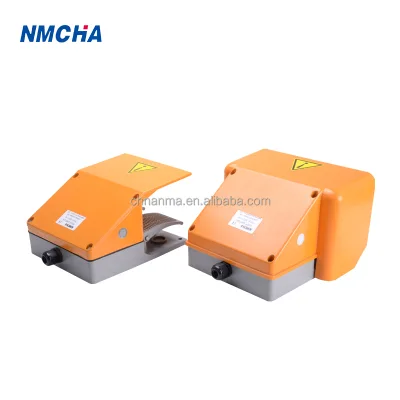
Aluminum IP65 Momentary Foot Pedal Control Switch Electric Foot Pedal Switch
$9.80 - $10.00
MOQ: 100 Pieces


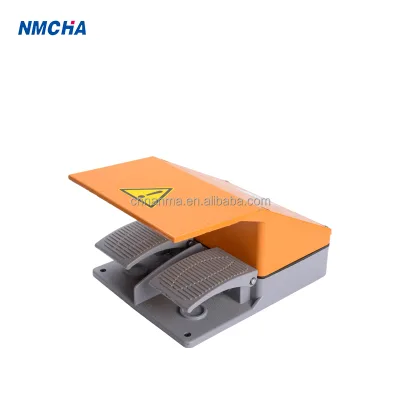


Comprehensive Sourcing Guide
CE 3PDT Foot Pedal Switch Sourcing Guide
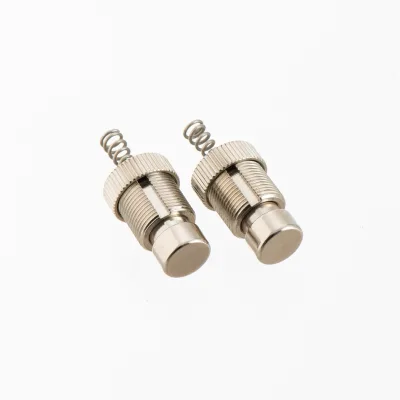
Sourcing a CE 3PDT Foot Pedal Switch requires careful attention to electrical ratings and mechanical durability, as these components serve as critical interface points in audio and industrial control systems. Buyers must distinguish between momentary and latching functions, ensuring the selected switch aligns with the specific operational logic of the end device. The observed market offers variants with distinct housing materials, such as Bakelite or brass, and diverse knob colors including red, orange, gold, silver, and blue, allowing for aesthetic customization alongside functional requirements.
Procurement decisions should also account for the physical form factor and terminal type, as these dictate integration complexity. Common observations include solder terminals for PCB mounting and panel sizes around 12mm, which influence enclosure design. Additionally, the presence of LED illumination in certain models adds visual feedback capabilities, which is particularly valuable in low-light performance environments. Understanding these physical and electrical nuances ensures that the selected component meets both the technical specifications and the user experience expectations of the final product.
Product Scope and Observed Listing Signals
The current market landscape for 3PDT foot switches reveals a wide range of product configurations, primarily originating from manufacturing hubs in Zhejiang, China. Listings indicate a broad price spectrum, reflecting differences in material quality, certification levels, and production volumes. Buyers will encounter models with varying mechanical life expectations, ranging from 30,000 to 50,000 cycles, which directly correlates with the intended usage intensity and longevity requirements of the application. This variance necessitates a clear definition of duty cycle expectations before initiating supplier negotiations.
Observed product attributes highlight significant diversity in current and voltage ratings, with some units rated for 2A or 4A at 250VAC, while others support higher loads up to 10A. The inclusion of IP67 or IP54 protection degrees further segments the market into indoor and potentially harsh-environment applications. Furthermore, the availability of customization options suggests that buyers can tailor aspects such as knob color, LED color, and even mechanical structure to match brand identity or specific ergonomic needs, provided the order quantity meets the supplier’s minimum requirements.
Technical Specifications to Verify
Electrical performance is the primary technical consideration, requiring verification of contact resistance, rated voltage, and maximum current capacity. Initial contact resistance values around 25mΩ are typical for high-quality switches, ensuring minimal signal loss in sensitive audio circuits. Buyers must confirm whether the switch is rated for AC or DC applications, as some models specify 250VAC and 30VDC limits. It is crucial to ensure that the selected switch’s current rating exceeds the peak current draw of the connected equipment to prevent premature failure or arcing during operation.
Mechanical integrity and environmental sealing are equally critical for long-term reliability. The housing material, often Bakelite or nickel-plated brass, provides structural stability and corrosion resistance. Buyers should verify the IP rating to determine suitability for dusty or wet environments, with IP67 offering superior protection against water ingress compared to IP54. Additionally, the terminal type, typically solder terminals, must be compatible with the assembly process. Confirming the panel cutout size, often 12mm, ensures seamless integration into existing enclosures without requiring extensive modification.
Compliance and Safety Documentation
Regulatory compliance is a non-negotiable aspect of sourcing electronic components, particularly for markets with strict safety standards. The CE mark indicates conformity with health, safety, and environmental protection standards for products sold within the European Economic Area. Buyers should request valid CE certificates and ensure they are issued by a recognized notified body, verifying that the documentation covers the specific model number and variant being purchased. This step mitigates legal risks and ensures that the product meets essential EU directives regarding electromagnetic compatibility and low voltage safety.
RoHS compliance is another critical requirement, restricting the use of hazardous substances in electrical and electronic equipment. Suppliers should provide test reports or declarations of conformity confirming that materials such as the brass contacts and Bakelite housing are free from lead, mercury, and other restricted substances. Additionally, some listings mention UL or TUV certifications, which may be necessary for specific regional markets or insurance requirements. Verifying these certifications early in the sourcing process prevents costly delays and ensures that the final product can be legally marketed and sold in target regions.
Cost Drivers and Commercial Terms
Pricing for 3PDT foot switches is influenced by several factors, including material costs, certification expenses, and order volume. The observed price range reflects the diversity in quality and features, with basic models costing significantly less than those with LED illumination, higher IP ratings, or specialized certifications. Buyers should analyze the total cost of ownership, considering not just the unit price but also the potential costs associated with quality failures, returns, and compliance audits. Bulk purchasing often yields better unit prices, but it is essential to balance inventory costs with demand forecasts to avoid overstocking.
Minimum Order Quantities (MOQs) vary widely, ranging from single items to thousands of units, depending on the supplier’s production model. Customization options, such as specific knob colors or LED configurations, may incur additional setup fees or higher MOQs. Buyers should negotiate clear terms regarding payment methods, shipping responsibilities, and lead times. Understanding these commercial terms helps in planning cash flow and supply chain logistics, ensuring that procurement activities align with production schedules and budget constraints without unexpected financial burdens.
Supplier Qualification and Quality Control
Evaluating supplier capability is essential to ensure consistent product quality and reliable delivery. Buyers should assess the supplier’s manufacturing facilities, focusing on their quality control processes and testing equipment. Suppliers with established quality management systems are more likely to produce switches with consistent contact resistance and mechanical life. Requesting samples for rigorous testing is a critical step, allowing buyers to verify electrical performance, mechanical durability, and physical dimensions before committing to large orders. This due diligence helps identify potential suppliers who can meet the required standards.
Communication and responsiveness are also key indicators of supplier reliability. A qualified supplier should provide clear technical documentation, prompt responses to inquiries, and transparent communication regarding production status. Buyers should verify the supplier’s ability to handle customization requests and provide necessary compliance documentation. Establishing a strong relationship with a reliable supplier can lead to better pricing, priority production, and improved support for future projects. Regular audits or third-party inspections may be warranted for high-volume purchases to ensure ongoing compliance with quality standards.
Long-Term Procurement Checks
Continuous monitoring of supplier performance is vital for maintaining supply chain stability and product quality. Buyers should track key performance indicators such as on-time delivery rates, defect rates, and responsiveness to issues. Regular reviews of compliance documentation ensure that certifications remain valid and that any changes in regulatory standards are addressed promptly. Maintaining open communication with suppliers allows for early identification of potential disruptions, such as raw material shortages or production delays, enabling proactive mitigation strategies.
Adapting to market changes and technological advancements is also crucial for long-term success. Buyers should stay informed about new switch technologies, materials, and compliance requirements that may impact future procurement decisions. Periodically re-evaluating the supplier base ensures that the company remains competitive and can access the best quality and pricing. By establishing robust long-term procurement practices, buyers can build a resilient supply chain that supports the ongoing success of their products and meets the evolving needs of their customers.
FAQs
What certifications do these foot pedal switches have?
The switches carry CE and RoHS certifications as standard. Some models also include UL and TUV approvals. These certifications ensure compliance with international safety and environmental standards for industrial and musical applications.
Which voltage ratings are available for the 3PDT switches?
The switches support 250VAC and 30VDC ratings. Specific models list a rated voltage of 250V with a maximum current of 10A. This allows safe operation across various low-voltage DC and standard AC power systems.
Can I find switches with IP67 protection for outdoor use?
Yes, certain models feature an IP67 protection level for dust and water resistance. This makes them suitable for harsh environments. Other variants offer IP54 protection, providing a range of options for different usage conditions.
How long is the mechanical life of the foot pedal switch?
Mechanical life varies by model, ranging from 30,000 to 50,000 cycles. Some heavy-duty units claim over one million electrical life cycles. This durability ensures reliable performance for frequent industrial or musical instrument applications.
What materials are used for the switch housing and body?
Housings are made from Bakelite and Brass with nickel plating. Some bodies utilize iron for added strength. These materials provide robust construction, ensuring the switches withstand physical stress during heavy foot pedal operation.
Which knob colors are available for customization?
Knobs come in red, orange, gold, silver, and blue options. Customization is available for specific color requirements. This variety allows users to match the switch aesthetic to their equipment or branding needs effectively.
What is the origin location for these foot pedal switches?
The products originate from Zhejiang, China. This region is a known manufacturing hub for electrical components. Buyers can expect consistent production capabilities and established supply chains for these specific switch models.