Source Mazda 6 Wheel Speed Sensor for Garage, Industrial, Parking Lot
Compare 30 verified listings for the Mazda 6 Wheel Speed Sensor suitable for residential, industrial, and business applications. Buyers can evaluate models with motion detection, digital output, and customizable support options from suppliers in China.
Key considerations
Products List


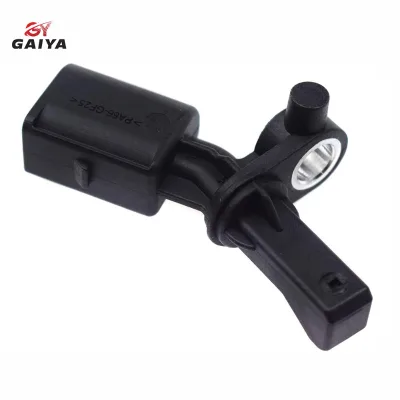


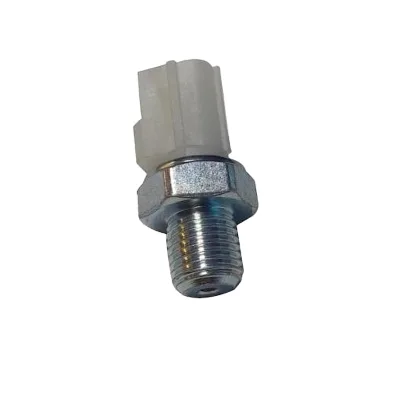
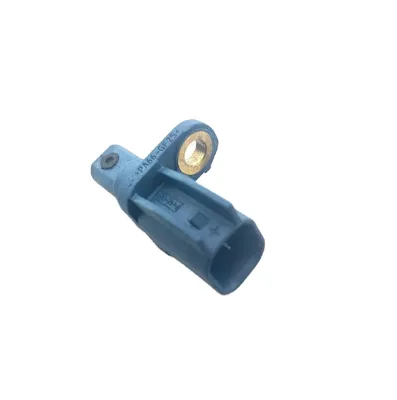


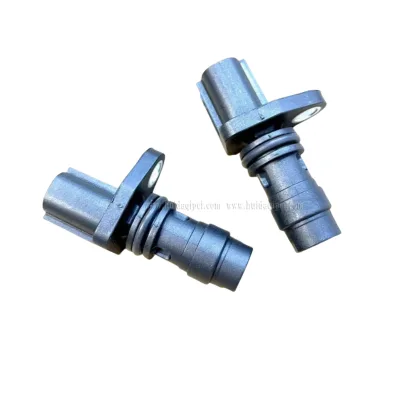
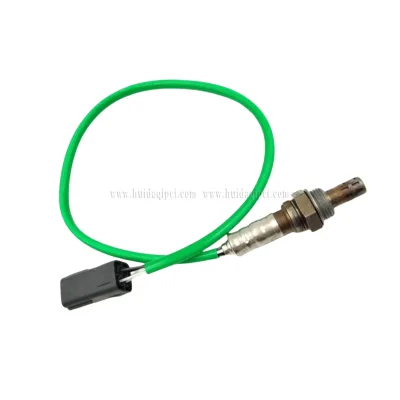
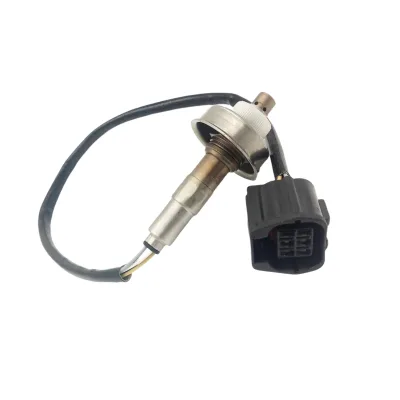


Comprehensive Sourcing Guide
Strategic Sourcing Guide for Mazda 6 Wheel Speed Sensor Acquisition
Understanding Product Specifications and Technical Variability
When sourcing a wheel speed sensor for a Mazda 6, buyers must first recognize that the core keyword often masks significant technical diversity in the global marketplace. The provided product data indicates that "wheel speed sensor" is a specific classification within the broader "Automobile Sensor" and "Position sensor" categories. The technical baseline for these components typically involves a digital output mechanism, as observed in the "Digital Sensor" capacity listed in the source data. This digital nature is critical for modern vehicle electronic control units (ECUs) which require precise pulse frequency data to manage anti-lock braking systems (ABS) and traction control.
The physical construction of these sensors varies, with the supplied facts noting "Plastic" and "ABS" as common lamp body materials, alongside "metal" components in specific configurations. This material variance suggests that buyers should not assume a uniform build quality across all listings. The voltage requirements also present a range of operational parameters; observed data lists both "9-24V" and "9-16V" as acceptable input ranges. A procurement strategy must verify that the specific sensor matches the electrical architecture of the Mazda 6, as a mismatch in voltage tolerance can lead to immediate failure or ECU damage. Furthermore, the "Standard" attribute is listed as "Universal Standard" in some entries, yet the specific model numbers provided, such as "LDL508PROA" and "LDTR20VDM," indicate that proprietary fits are common. Buyers must cross-reference the specific model number of the sensor against the vehicle's VIN to ensure compatibility, rather than relying solely on the generic "Universal Standard" claim.
Compliance Verification and Certification Standards
In the B2B automotive sector, compliance is not merely a formality but a prerequisite for liability and safety. The supplied product facts explicitly mention "ISO" and "ISO9001" as management certifications. While the presence of an ISO certification is a positive indicator of a supplier's quality management system, it does not automatically guarantee that every individual sensor batch meets the rigorous safety standards required for a Mazda 6. Buyers must verify that the "CE" certification, also noted in the source data, is valid and current for the specific product lot.
The "Standard" attribute in the provided text includes a specific dimension reference "L1029W1369H280," which appears to be a packaging or shipping standard rather than a component specification. This highlights a common confusion in sourcing where logistical standards are conflated with technical ones. Buyers should not assume that a "Universal Standard" label implies adherence to the specific Japanese Industrial Standards (JIS) or ISO standards mandated for Japanese automotive manufacturers. Instead, the procurement team must request specific test reports or compliance certificates that validate the sensor's performance against the vehicle manufacturer's original equipment (OE) specifications. The "Condition: New" attribute found in the data is a baseline requirement; however, buyers must ensure that "New" refers to genuine, unused components rather than refurbished units that may have been reconditioned without proper calibration.
Cost Drivers and Pricing Structure Analysis
The observed price range for these components spans from $0.6 to $1,000 USD. This extreme variance is a critical data point for buyers to analyze. The lower end of the spectrum, around $0.6, likely represents bulk industrial components or generic sensors intended for less critical applications, while the upper end near $1,000 suggests specialized, high-performance units or complete assembly kits. For a Mazda 6, which is a passenger vehicle requiring high reliability, purchasing at the absolute lowest price point carries significant risk. The cost drivers for wheel speed sensors include the complexity of the magnetic or Hall-effect technology used, the durability of the housing material (ABS vs. metal), and the level of customization support offered.
The "Small Orders: Accepted" attribute indicates that suppliers are flexible with Minimum Order Quantities (MOQ), which ranges from 1 to 500 units. This flexibility allows buyers to test samples without committing to large inventory volumes. However, the unit price will inevitably fluctuate based on the MOQ. Buyers should anticipate that ordering at the lower end of the MOQ range (e.g., 1-10 units) will result in a higher per-unit cost compared to bulk orders. Additionally, the "Customized Support" options, such as "Customized logo" and "OEM" services, add a layer of cost. If the buyer requires the sensor to be branded or modified for a specific distribution channel, the price will reflect these value-added services. It is essential to distinguish between the cost of the raw sensor and the cost of the supply chain services, including "Online Technical Support" and "Return and replacement" policies, which are factored into the final price.
Typical Applications and Operational Context
While the core keyword is specific to the Mazda 6, the product data reveals that these sensors are marketed for a wide array of applications, including "Industrial," "Garage," "Parking lot," "Villa," "Residential," "Apartment," "Warehouse," and "Excavator." This broad application list suggests that the sensor technology is versatile and can be adapted for various positioning tasks. For the Mazda 6 specifically, the sensor functions as a "Position sensor" and "Wheel Speed Sensor," critical for vehicle dynamics. The "Motion Detection" feature noted in the product attributes is directly relevant to the sensor's ability to detect wheel rotation and transmit this data to the vehicle's safety systems.
The "Usage" attribute lists "Personal" and "Position sensor," reinforcing the dual nature of these components in both consumer and industrial settings. However, buyers must be cautious when applying industrial-grade sensors to automotive contexts. A sensor designed for an "Excavator" or "Industrial" setting may have different vibration tolerances or environmental sealing requirements compared to a passenger car sensor. The "Design Style: Modern" and "Color: Black" or "green" options indicate aesthetic variations that may not impact performance but could affect compatibility with specific vehicle body designs or sensor housing locations. The "Position: Front, Rear, Side" attribute is particularly vital for the Mazda 6, as the vehicle requires specific sensors for each wheel position. Buyers must ensure the ordered unit corresponds to the correct axle and side, as the internal circuitry or magnetic pole configuration may differ between front and rear units.
Supplier Evaluation and Service Capabilities
Evaluating a supplier for automotive components requires a deep dive into their service capabilities and support infrastructure. The provided facts highlight several key service attributes: "Online Technical Support," "Return and replacement," and "Free spare parts." These are not just marketing terms but operational commitments that define the supplier's reliability. A supplier offering "Free spare parts" implies a confidence in their product quality and a willingness to absorb the cost of minor defects, which is a strong indicator of a robust supply chain.
The "Customized Support" options, including "ODM" and "OEM," suggest that the supplier has the capacity to modify products for specific client needs. For a buyer sourcing for a fleet of Mazda 6 vehicles, the ability to work with an OEM supplier can ensure that the sensors are tailored to the specific batch of vehicles, reducing compatibility issues. The "Place of Origin: Guangdong, China" is a common hub for automotive electronics, but buyers should verify the specific manufacturing facility's track record. The "User Evaluation: Good" attribute provides a qualitative measure of satisfaction, but it should be treated as an observation rather than a guarantee. Buyers should seek out independent verification of these evaluations and request references from other automotive clients.
Quality Control and Long-Term Procurement Considerations
Quality control in the sourcing of wheel speed sensors must be rigorous, given the safety implications of brake system failures. The "After-Sales Service" of "Return and replacement" is a fundamental quality control mechanism, allowing buyers to mitigate the risk of defective units. However, proactive quality control is superior to reactive measures. Buyers should implement a sampling plan based on the "MOQ" and "Small Orders" flexibility. For initial orders, a 100% inspection of the "Digital Sensor" output and voltage stability (9-24V or 9-16V) is recommended before full deployment.
Long-term procurement considerations involve the stability of the supply chain and the availability of "Free spare parts." The "Standard: Universal Standard" claim can be misleading if the supplier cannot guarantee consistent supply of compatible parts over time. Buyers should establish a long-term contract that includes provisions for "Online Technical Support" and "Customized logo" services to maintain brand consistency. The "Product Packing" details, such as "Box" or "According to The Provisions of The Business Contra," should be standardized to prevent damage during transit. Finally, the "Condition: New" status must be verified upon receipt to ensure that the sensors have not been exposed to environmental degradation or handling errors prior to delivery.
Comparative Analysis of Sensor Attributes
To facilitate decision-making, the following table summarizes the key attributes observed in the product data, highlighting the variability that buyers must navigate.
| Attribute Category | Observed Values | Procurement Implication |
|---|---|---|
| Voltage Range | 9-24V, 9-16V | Must match Mazda 6 electrical system; verify exact tolerance. |
| Material | Plastic, ABS, Metal | Metal may offer better durability; Plastic/ABS is common for housing. |
| Output Type | Digital Sensor | Essential for ECU compatibility; verify signal type. |
| Certification | ISO, ISO9001, CE | Verify validity and scope; do not assume universal compliance. |
| Application | Industrial, Auto, Excavator, Residential | Ensure "Automobile Sensor" classification matches vehicle needs. |
| Position | Front, Rear, Side | Critical for Mazda 6; specific wheel position must be ordered. |
| Support | OEM, ODM, Online Tech Support | High value for fleet management and custom integration. |
| Condition | New | Verify upon receipt; avoid refurbished units for safety systems. |
This table underscores the necessity of precise specification matching. The presence of multiple voltage ranges and material types means that a "one-size-fits-all" approach is ineffective. Buyers must utilize the "Model Number" data, such as "LDL508PROA" or "TR22M," to identify the exact component required for their specific Mazda 6 model year and trim level. By adhering to these evidence-based guidelines, procurement teams can mitigate risk and ensure the acquisition of high-quality wheel speed sensors that meet the stringent demands of modern automotive safety systems.
FAQs
What voltage range do mazda 6 wheel speed sensors operate on?
These sensors typically operate within a 9 to 24 volt range, though some models support 9 to 16 volts. Buyers must verify the specific electrical architecture of their vehicle to ensure compatibility and prevent potential damage to the electronic control unit.
Can I find customized logo options for these sensors?
Yes, suppliers offer customized logo services along with OEM and ODM support for bulk orders. This allows businesses to brand the sensors for their specific distribution channels while maintaining the core digital sensor functionality required for automotive applications.
Which certifications should I verify for automotive sensor quality?
Look for ISO and ISO9001 management certifications, as well as CE marks, to ensure quality standards. While these indicate a robust quality management system, buyers should request specific test reports to validate compliance with original equipment manufacturer specifications.
How do I ensure the sensor fits the correct wheel position?
Sensors are available for front, rear, and side positions, so you must select the specific unit matching your axle. The internal circuitry or magnetic configuration often differs between positions, making precise model verification essential for proper vehicle safety system operation.
What after-sales services are available for defective units?
Suppliers provide return and replacement policies, online technical support, and sometimes free spare parts for defective items. These services help mitigate risks associated with procurement, ensuring that buyers can quickly address any quality issues that arise during installation or use.
What materials are used for the sensor lamp body construction?
Common materials include plastic, ABS, and metal components depending on the specific model and application. Metal housings may offer enhanced durability for industrial or heavy-duty environments, while plastic and ABS are standard for many automotive positioning sensors.