Source CE Adjustable Chiropractic Activator Tool for Home, Clinic, Spa
Find 30 CE Adjustable Chiropractic Activator Tool options from verified suppliers. Compare features like impulse technology, voltage, and warranty to select the right device for home, clinic, or spa applications.
Key considerations
Products List
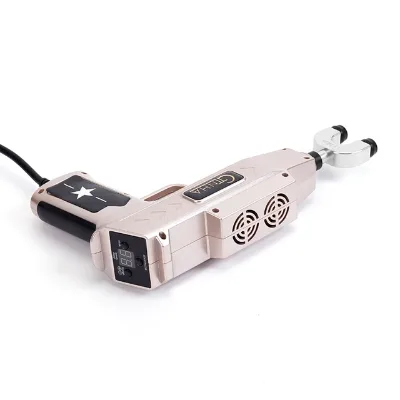
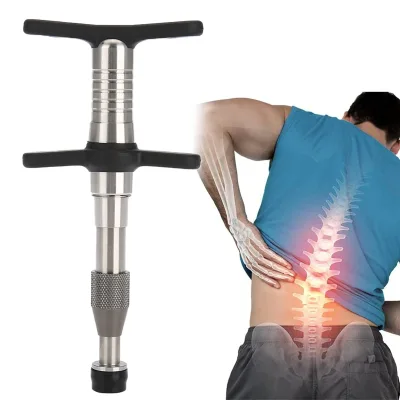
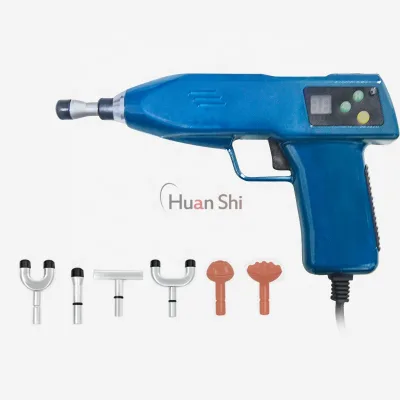

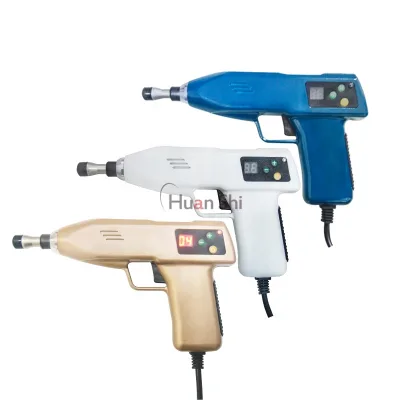



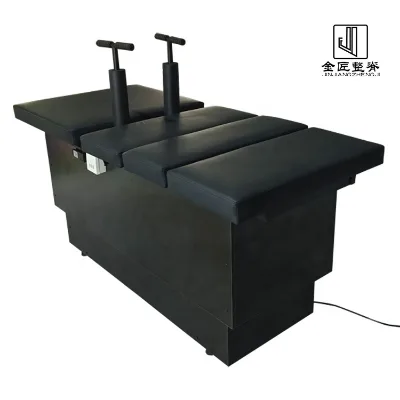
Height Adjustment Multifunction Physiotherapy Chiropractic Drop Tables Beds
$1767.00 - $1779.00
MOQ: 1 Sets


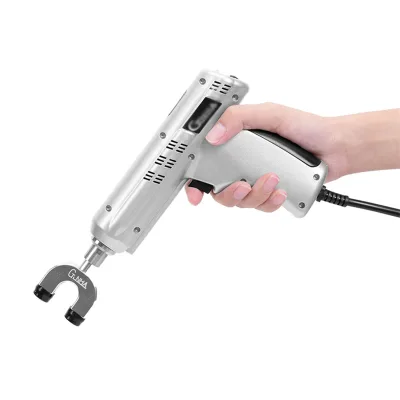
1200n Chiropractic Gun Electric Impulse Muscle Massage for Pain Relief
$366.00 - $410.00
MOQ: 1 Pieces
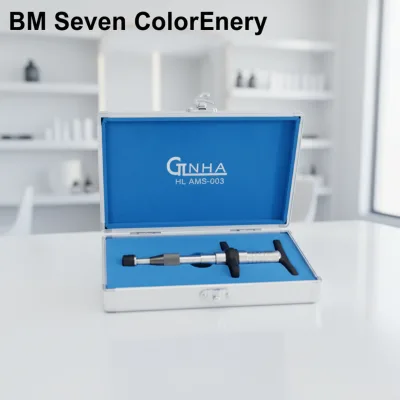
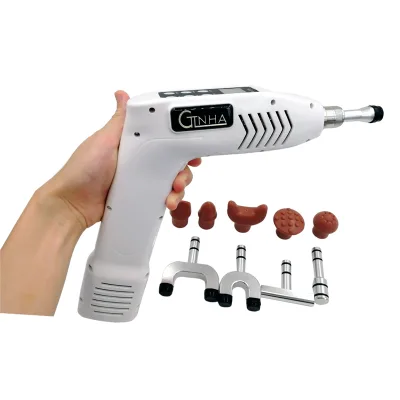
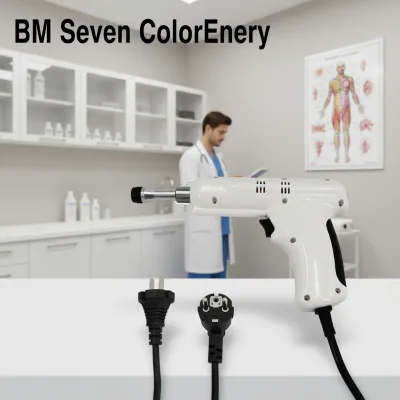
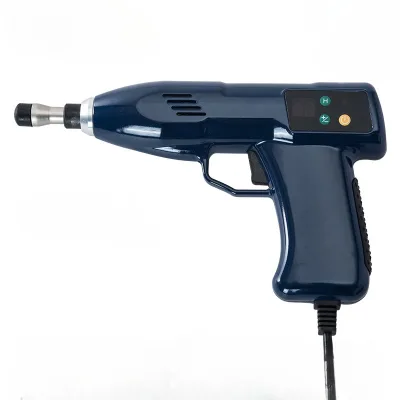
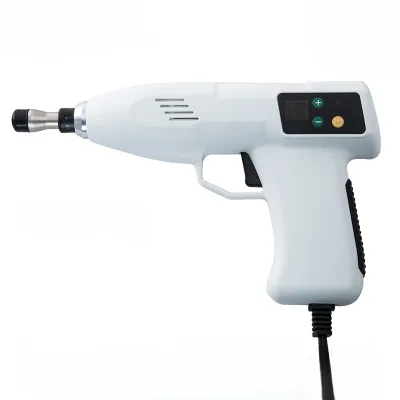

Higher Professional Correction Adjustment Tool Spine Therapy Correction Massage Machine
$126.81 - $224.63
MOQ: 1 Minimum


Chiropractic Pillow Neck Stretcher Neck and Shoulder Relaxer Cervical Traction Device
$4.00 - $6.00
MOQ: 100 Pieces

Comprehensive Sourcing Guide
CE Adjustable Chiropractic Activator Tool Sourcing Guide
Procuring CE-adjustable chiropractic activator tools requires a disciplined approach to distinguishing between consumer-grade percussion massagers and professional-grade adjusting instruments. The market is saturated with devices that share superficial similarities, such as handheld form factors and impulse-based technologies, yet differ significantly in force output, adjustability, and intended clinical application. Buyers must navigate this landscape by focusing on verifiable technical specifications rather than marketing claims, ensuring that the selected tool meets the rigorous demands of chiropractic practice while adhering to European safety standards.
This guide synthesizes observed listing signals and trusted category knowledge to provide a structured framework for sourcing. It emphasizes the verification of critical parameters such as maximum force, voltage compatibility, and material composition. By adhering to the evidence-based criteria outlined below, procurement teams can mitigate supply chain risks, ensure regulatory compliance, and secure equipment that delivers consistent performance in both clinic and home settings.
Product Scope and Observed Listing Signals
The current market for chiropractic adjusting tools reveals a wide variance in product positioning, ranging from lightweight portable units to heavy-duty clinical instruments. Observed listings indicate a price range of $0.58 to $3,650 USD, reflecting the disparity between basic accessories and complete, high-force adjusting systems. The minimum order quantity (MOQ) typically spans from 1 to 100 units, suggesting that suppliers cater to both individual practitioners seeking single replacements and clinics or distributors requiring bulk inventory. Buyers should interpret this broad range as an indicator that price alone is not a reliable proxy for quality or clinical efficacy.
Product attributes observed in the market highlight key differentiators such as brand identity, material construction, and specific functional claims. For instance, some units are marketed under brands like LY BEAUYU or Epsilon, featuring materials such as aluminum alloy, ABS plastic, and stainless steel. Other listings, such as the G-E0311 Chiropractic Impulse Gun, emphasize features like portability, lightweight design, and specific force outputs up to 1100N. These observations suggest that buyers must carefully cross-reference brand names and model numbers with technical data sheets to avoid confusion between similar-looking devices with vastly different capabilities.
Technical Specifications to Verify
Verifying the technical specifications of a chiropractic activator tool is paramount to ensuring its suitability for professional use. Key parameters to validate include the maximum force output, which can range significantly between models, with some observed units capable of delivering up to 750N or 1100N of impulse force. Buyers should also confirm the number of adjustable gears or intensity levels, as this directly impacts the tool’s versatility in treating different patient conditions. Additionally, the power supply mode, whether plug-in or battery-operated, and the voltage compatibility (e.g., 110V/220V 50-60Hz) must be verified to ensure seamless integration into the clinic’s electrical infrastructure.
Material composition and physical dimensions are equally critical for durability and ergonomic handling. Observed data indicates that high-quality units often utilize a combination of stainless steel, aluminum alloy, and ABS plastic to balance strength with weight. The single gross weight of some units is recorded at approximately 3.5kg, which may influence user fatigue during extended sessions. Furthermore, the package dimensions, such as 44x38x15 cm, are important for logistics and storage planning. Buyers should request detailed specification sheets that confirm these attributes, ensuring that the tool’s physical characteristics align with the ergonomic needs of the practitioner and the spatial constraints of the treatment room.
Compliance and Safety Documentation
Regulatory compliance is a non-negotiable aspect of sourcing chiropractic equipment, particularly when targeting the European market where CE certification is mandatory. Buyers must verify that the supplier provides valid CE certificates and that the product classification aligns with relevant medical device regulations. Some observed listings classify the instrument as Class III, which implies a higher level of regulatory scrutiny and safety requirements. It is essential to confirm that the certification covers the specific model number and that the documentation is up-to-date, as outdated or generic certificates may not reflect the actual safety standards of the manufactured unit.
In addition to CE marking, buyers should inquire about other relevant safety standards and testing reports. While specific test results are not always publicly listed, reputable suppliers should be able to provide evidence of electrical safety, mechanical integrity, and material biocompatibility. The warranty terms, often cited as 1 year or 12 months with technical support, serve as an additional indicator of the supplier’s confidence in their product’s reliability. Buyers should ensure that the warranty covers both parts and labor, and that the supplier has a clear process for handling claims and providing ongoing technical assistance.
Cost Drivers and Commercial Terms
Understanding the cost drivers behind chiropractic activator tools helps buyers make informed budgeting decisions. Factors such as material quality, force output, adjustability features, and brand reputation significantly influence the final price. High-force units with advanced adjustability and premium materials like stainless steel and aluminum alloy tend to command higher prices compared to basic plastic models. Additionally, the supply ability of the supplier, such as 1000 units per month, can impact pricing due to economies of scale. Buyers should request detailed quotations that break down costs by component, including the main machine, accessories, and packaging, to identify potential areas for cost optimization.
Commercial terms, including MOQs, payment terms, and shipping logistics, also play a crucial role in the total cost of ownership. Suppliers may offer OEM/ODM services, allowing for custom branding and logo placement, which can add to the initial cost but enhance brand value for distributors. The port of dispatch, often Guangzhou for Chinese suppliers, affects shipping times and costs. Buyers should negotiate clear terms regarding lead times, packaging details, and after-sales support to ensure a smooth procurement process. It is advisable to establish a long-term partnership with suppliers who demonstrate consistent quality and reliable delivery schedules.
Supplier Qualification and Quality Control
Supplier qualification is a critical step in mitigating supply chain risks. Buyers should conduct thorough due diligence on potential suppliers, verifying their business licenses, manufacturing capabilities, and quality management systems. Suppliers offering OEM/ODM services should have a proven track record of producing high-quality, compliant products. It is advisable to request samples for evaluation before placing bulk orders, allowing buyers to assess the tool’s build quality, adjustability, and overall performance firsthand. This hands-on evaluation can reveal potential issues that may not be apparent from product descriptions alone.
Quality control processes should be clearly defined and agreed upon with the supplier. Buyers should inquire about the supplier’s inspection procedures, including incoming material checks, in-process inspections, and final product testing. The use of standardized packaging, such as inner foam and outer aluminum or carton cases, helps protect the product during transit and reduces the risk of damage. Additionally, buyers should establish clear communication channels for addressing any quality issues that arise post-delivery. A supplier’s willingness to provide detailed quality reports and cooperate on corrective actions is a strong indicator of their commitment to product excellence.
Long-Term Procurement Checks
Long-term procurement success depends on establishing robust mechanisms for ongoing supplier performance monitoring and product lifecycle management. Buyers should regularly review supplier performance metrics, including on-time delivery rates, product defect rates, and responsiveness to customer inquiries. Continuous feedback loops between the procurement team and the end-users, such as chiropractors, can provide valuable insights into the tool’s real-world performance and identify areas for improvement. This collaborative approach ensures that the procured equipment continues to meet clinical needs and maintains high standards of safety and efficacy.
Furthermore, buyers should stay informed about changes in regulatory requirements and industry standards that may impact the use of chiropractic activator tools. Regular audits of supplier documentation and product certifications help ensure ongoing compliance. As technology evolves, buyers should also consider the potential for future upgrades or replacements, ensuring that the procurement strategy remains flexible and adaptable. By maintaining a proactive approach to supplier management and product evaluation, organizations can secure a reliable supply of high-quality chiropractic equipment that supports their clinical objectives and patient care standards.
FAQs
What certifications do the chiropractic tools have?
The products carry CE certification as a documented attribute. This indicates compliance with specific safety standards required for medical devices in certain regions, ensuring the tools meet regulatory requirements for sale.
Which voltage options are available for these devices?
The devices support 110V and 220V at 50-60Hz frequencies. This dual voltage capability allows the equipment to operate in various international electrical environments without requiring additional transformers or adapters.
Can I request custom branding on the product?
Yes, OEM, ODM, and logo customization services are available for these tools. Buyers can work with manufacturers to apply their own branding or modify product features to meet specific business requirements.
What is the warranty period for the equipment?
The standard warranty period is one year with technical support included. This coverage ensures that buyers receive assistance for any functional issues arising within the first twelve months of purchase.
How many gears or settings does the tool offer?
The device features six distinct gears or settings for operation. This allows users to adjust the intensity and speed of the impulse therapy to suit different treatment needs and patient tolerances.
What materials are used to construct the main unit?
The units are constructed from aluminum alloy, ABS plastic, and stainless steel. These materials provide durability and resistance to wear while maintaining a lightweight profile for handheld operation during treatments.