Source CE Approved Knee Pad for Sports, Fitness, and Outdoor Use
Compare 30 CE Approved Knee Pad options from verified Chinese factories. Buyers can evaluate materials like rubber and nylon, thickness levels, and customization services for adult and children's applications.
Key considerations
Products List


$0.25 - $0.35
MOQ: 2000 Pieces


$1.00 - $1.80
MOQ: 1500 Pieces


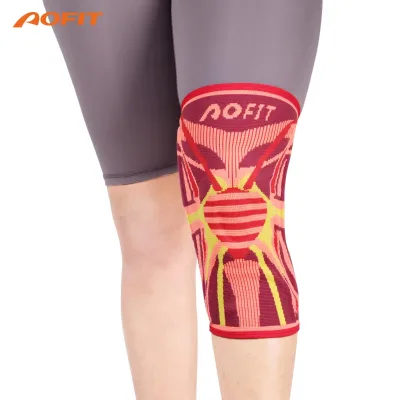


$4.10 - $5.10
MOQ: 1000 Pairs


Cushioned Knee Pads, Rolling Knee Pads, Wheeled Knee Pad, Kneeling Protection Bl13281
$6.67 - $8.00
MOQ: 100 Pieces
Comprehensive Sourcing Guide
CE Approved Knee Pad Sourcing Guide
Sourcing CE-approved knee pads requires a disciplined approach to verifying both product performance and regulatory compliance. Buyers must distinguish between general knee supports and those specifically engineered for high-impact sports or medical-grade immobilization. The market offers a wide array of options, from basic elastic sleeves to complex hinged braces, each serving distinct protective needs. Understanding these variations is critical for aligning procurement with specific operational or retail demands. This guide outlines the essential steps for evaluating suppliers, verifying technical specifications, and ensuring that all products meet the necessary safety and quality standards for the European market.
The procurement process begins with a clear definition of the target application, whether it is for professional athletics, recreational fitness, or therapeutic recovery. Knee pads serve as vital protective equipment, reducing the risk of injury during activities such as basketball, volleyball, or industrial work. By focusing on CE-approved products, buyers ensure that the items have undergone rigorous testing for mechanical safety and material compatibility. This guide provides a structured framework for navigating the complexities of international sourcing, helping buyers make informed decisions that balance cost, quality, and regulatory adherence.
Product Scope and Observed Listing Signals
The current market landscape for knee pads reveals a diverse range of product types, materials, and customization options. Observed listings indicate a strong presence of rubber and nylon-based supports, with some products incorporating neoprene or polyester blends. These materials are selected for their durability, elasticity, and breathability, which are crucial for maintaining comfort during extended use. Buyers should note that product attributes such as thickness, size, and color vary significantly across suppliers, with options ranging from medium to thick profiles and free-size designs to customized fits. This variability allows for tailored solutions but requires careful verification to ensure consistency across orders.
Customization plays a pivotal role in the knee pad market, with many suppliers offering OEM services and logo printing capabilities. This flexibility enables buyers to create branded products that stand out in competitive markets. However, the availability of customization often comes with minimum order quantities (MOQs) that can range from 50 to over 2,000 pieces, depending on the supplier and the complexity of the customization. Buyers must also consider packaging options, which typically include neutral PE bags, OPP bags, or bulk carton packaging. Understanding these signals helps in assessing the supplier’s capacity to meet specific branding and logistical requirements.
Technical Specifications to Verify
Technical specifications are the cornerstone of product quality and performance, and buyers must verify these details meticulously. Key attributes to confirm include the material composition, which often involves a blend of nylon, rubber, and sometimes TPU or aluminum for added support. For instance, some products are composed of 25% nylon and 75% rubber, while others may feature 15% TPU and 85% nylon. These compositions directly impact the brace’s elasticity, breathability, and protective capabilities. Buyers should request detailed material breakdowns to ensure that the products meet their specific performance criteria, such as high elasticity for sports protection or basic protection for general use.
Thickness and size are also critical specifications that influence the fit and functionality of the knee pad. Products are often categorized as medium or thick, with sizes ranging from free-size to customized dimensions. Additionally, the weight of the product, such as 350g, can be an indicator of the material density and overall robustness. Buyers should verify these specifications against their target market’s preferences, ensuring that the products offer the right balance of support and comfort. It is also important to check the product model numbers, such as DNOR-K07 or JLY-T5546, to track specific variants and ensure consistency in future orders.
Compliance and Safety Documentation
Compliance with CE standards is a non-negotiable requirement for selling knee pads in the European market. Buyers must ensure that suppliers provide valid CE certificates, which confirm that the products meet the essential health and safety requirements set by the European Union. While some listings mention FDA/CE certifications, buyers should verify the authenticity and scope of these certificates to ensure they cover the specific product models being purchased. It is also advisable to check for additional certifications, such as EN14404, which may apply to certain types of protective equipment, although this is not universally applicable to all knee pads.
Documentation should also include detailed product descriptions and technical data sheets that outline the product’s features, such as breathability, sport protection, and basic protection class. Buyers should request these documents to verify that the products align with their intended use cases, whether for outdoor sports, fitness, or medical support. Additionally, suppliers should provide clear information on the product’s origin, such as Jiangsu, China, or Yangzhou, to ensure transparency in the supply chain. This level of documentation not only aids in compliance but also builds trust with end-users who value safety and quality.
Cost Drivers and Commercial Terms
Cost drivers in the knee pad market are influenced by factors such as material quality, customization complexity, and order volume. The observed price range of $0.25 to $20.53 USD reflects the diversity in product types, from basic elastic sleeves to more complex hinged braces. Buyers should analyze these prices in the context of the product’s specifications and features, ensuring that they are paying for value rather than just volume. Customization options, such as logo printing and specialized packaging, can also impact the final cost, so buyers should negotiate these terms clearly to avoid unexpected expenses.
Commercial terms, including MOQs and lead times, are critical for effective procurement planning. MOQs can range from 100 to 2,448 pieces, depending on the supplier and the level of customization required. Buyers should align their order quantities with their sales forecasts to minimize inventory costs and maximize cash flow. Additionally, lead times can vary based on the supplier’s production capacity and the complexity of the order. Establishing clear communication with suppliers regarding these terms helps in managing expectations and ensuring timely delivery, which is essential for maintaining customer satisfaction and market competitiveness.
Supplier Qualification and Quality Control
Supplier qualification is a vital step in ensuring the reliability and consistency of knee pad supplies. Buyers should prioritize suppliers who are established factories with a proven track record in manufacturing protective equipment. The presence of OEM services and customization capabilities indicates a supplier’s flexibility and commitment to meeting diverse client needs. However, buyers must also verify the supplier’s quality control processes, including material inspections, production monitoring, and final product testing. This ensures that the products meet the specified technical and compliance standards.
Quality control should extend to the packaging and labeling of the products, which must be accurate and consistent. Buyers should request samples to evaluate the physical quality of the knee pads, including the fit, durability, and comfort. Additionally, suppliers should provide clear information on the product’s packaging, such as neutral PE bags or OPP bags, to ensure that the products are protected during transit. By conducting thorough supplier qualifications and quality control checks, buyers can mitigate risks and ensure that they receive high-quality products that meet their customers’ expectations.
Long-Term Procurement Checks
Long-term procurement success depends on continuous monitoring and evaluation of supplier performance. Buyers should establish key performance indicators (KPIs) to track metrics such as on-time delivery, product quality, and responsiveness to issues. Regular audits and feedback sessions with suppliers can help identify areas for improvement and strengthen the partnership. Additionally, buyers should stay informed about changes in regulatory requirements and market trends, ensuring that their product offerings remain compliant and competitive.
Building a resilient supply chain also involves diversifying suppliers to mitigate risks associated with single-source dependencies. Buyers should maintain relationships with multiple suppliers to ensure continuity in case of disruptions. Furthermore, investing in long-term contracts with reliable suppliers can provide stability and potentially better pricing terms. By focusing on long-term procurement checks, buyers can create a sustainable sourcing strategy that supports business growth and customer satisfaction in the dynamic knee pad market.
FAQs
What certifications do the knee braces have?
Some listed products carry FDA and CE certifications. These certifications apply to specific models like the neoprene support, but not every item in the catalog is guaranteed to have them.
Can I get custom logos on the knee braces?
Yes, customization is available for logos on many models. You can request a customized logo on items like the black knee brace or the elastic breathable support for your brand.
What materials are used for the knee braces?
The products are made from various materials including rubber, nylon, and polyester. Specific models may combine these, such as a mix of 25% nylon and 75% rubber for durability.
What is the minimum order quantity for these braces?
The minimum order quantity varies by product, ranging from 50 to 2448 units. Some specific models list an MOQ of 100 pieces, while others may require higher volumes.
Where are these knee braces manufactured?
The products originate from China, specifically from locations like Jiangsu and Yangzhou. These factories produce various types of knee supports for both adults and children.
How are the knee braces packaged for shipping?
Packaging options include neutral PE bags, OPP bags, or cartons containing 72 boxes. The specific packing method depends on the product model and your customization requirements.