Source White Face Oil Temp Gauge for cars, trucks, and engines
Compare 30 White Face Oil Temp Gauge options from verified suppliers. Buyers can evaluate analog and digital models with clear lenses, 12V operation, and ranges up to 150°C for universal automotive applications.
Key considerations
Products List
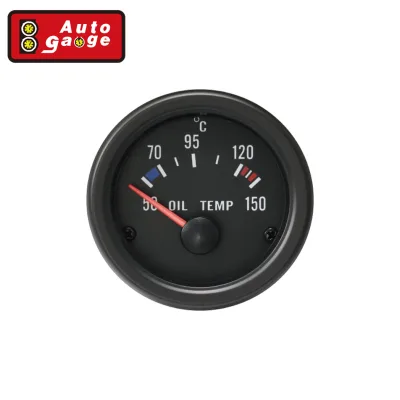
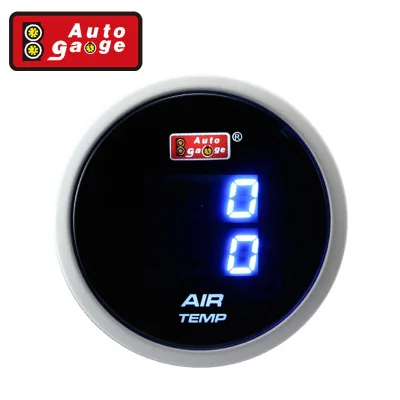
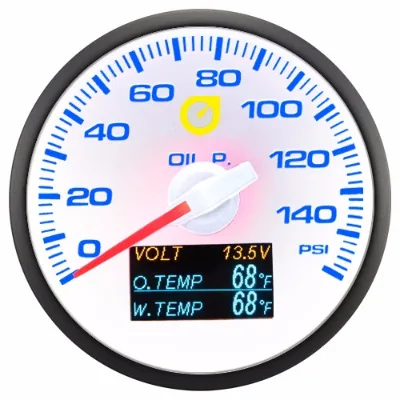
4 in 1 Volt Press Oil Temperature Water Temp Pressure White Face Gauge for Car
$66.16 - $86.51
MOQ: 1 Minimum


Car Motor Pointer Smoke Tint Len 2" 52mm Oil Press Gauge Meter Dials Face
$2.00 - $2.50
MOQ: 100 Pieces


Temperature Pressure Gauge, Bottom Mount, Boiler Gauge, Water Pressure Gauge
$3.70 - $3.80
MOQ: 1000 Pieces


Comprehensive Sourcing Guide
White Face Oil Temp Gauge Sourcing Guide
Sourcing a white face oil temperature gauge requires distinguishing between analog and digital display technologies while ensuring the face color matches the specific aesthetic or readability requirements of the vehicle dashboard. The market offers a range of options, from single-function units designed to monitor engine oil temperature to multi-function gauges that integrate voltage, water temperature, and oil pressure readings. Buyers must carefully evaluate whether the white face finish is a standard cosmetic option or a specific requirement for high-contrast visibility in bright lighting conditions, as this attribute often correlates with the underlying display technology, such as LED backlighting or analog needle movement.
The procurement process involves navigating a diverse supplier base that produces gauges with varying material compositions, including plastic and aluminum bezels, which directly impact durability and heat resistance. While some listings highlight a clear lens and plastic construction for cost-effective universal applications, others specify aluminum rims and LED displays for enhanced performance in demanding environments. Understanding these material distinctions is critical, as the choice between plastic and aluminum affects the gauge's ability to withstand engine bay heat and vibration, influencing the long-term reliability of the instrument in automotive applications.
Product Scope and Observed Listing Signals
The observed product landscape for white face oil temperature gauges includes both single-function and multi-function units, with specific listings indicating capabilities for monitoring oil, air, and engine temperatures simultaneously. Buyers should note that while some products are explicitly labeled as "Dual temp auto gauge" or "4 in 1" systems, others are dedicated solely to oil temperature monitoring. The presence of a white face is often paired with specific color schemes for the gauge face, such as white or blue, which may be combined with LED backlighting in blue or white to ensure legibility. This variation in scope means that a single search term can yield results ranging from basic analog indicators to complex digital displays with multiple sensor inputs.
Listing signals also reveal significant diversity in the physical dimensions and mounting requirements of these instruments, with observed sizes ranging from 52 mm to 60 mm. The 52 mm size appears frequently in universal applications, often compatible with standard dashboard cutouts, while 60 mm units may require specific mounting considerations. Additionally, the supply chain data indicates that some suppliers offer customization options, allowing buyers to tailor the gauge face or bezel to specific branding or functional needs. This flexibility is a key signal for buyers seeking to integrate these gauges into custom builds or specialized vehicle fleets where standard off-the-shelf options may not suffice.
Technical Specifications to Verify
When evaluating technical specifications, the operating voltage is a primary verification point, as the majority of automotive gauges in this category operate on a standard 12V system. Buyers must confirm that the specific unit selected matches the vehicle's electrical architecture, as mismatches can lead to inaccurate readings or component failure. The range of measurement is another critical specification, with observed data indicating a typical operational range of 50℃ to 150℃ for oil temperature monitoring. This range covers standard engine operating conditions, but buyers should verify if the specific model extends beyond these limits for high-performance or heavy-duty applications where temperatures may exceed standard thresholds.
The display type and sensor integration are equally vital technical factors to assess, as the market offers both analog and digital solutions. Analog gauges typically feature a clear lens and a needle mechanism, while digital options may utilize LED displays with blue or white backlighting to enhance visibility. The model numbers, such as AGTOT-12 or AGDTLCD-BL, often encode specific features like the display type or the number of functions integrated into the unit. Buyers should verify the sensor compatibility, ensuring that the gauge's sensor can accurately interface with the vehicle's oil temperature sender unit, as the accuracy of the reading depends heavily on this connection.
Compliance and Safety Documentation
Compliance and safety documentation for automotive gauges often include certifications such as ISO9001 and CE, which indicate adherence to international quality management and safety standards. These certifications are particularly relevant for suppliers operating in regions like Taiwan, where manufacturing processes are subject to rigorous oversight. Buyers should request proof of these certifications to ensure that the gauges meet the necessary safety requirements for automotive use, including electrical safety and material durability. The presence of these certifications serves as a baseline indicator of a supplier's commitment to quality and regulatory compliance.
In addition to general certifications, buyers should verify specific product warranties and packaging details to ensure the integrity of the goods during transit. A standard warranty period of one year is commonly observed in the market, providing a safety net against manufacturing defects. Packaging details, such as window boxes, are also important as they protect the gauge from damage during shipping and storage. Buyers should confirm that the packaging is robust enough to prevent lens scratches or bezel damage, which could compromise the aesthetic and functional quality of the product upon arrival.
Cost Drivers and Commercial Terms
Cost drivers for white face oil temperature gauges are influenced by the complexity of the display technology, the materials used in construction, and the level of customization required. Units with aluminum rims and LED displays generally command higher prices than those with plastic construction and analog needles, reflecting the increased manufacturing costs and performance benefits. The supply ability of the supplier also plays a role in pricing, with high-volume producers offering competitive rates for bulk orders while smaller suppliers may charge a premium for lower quantities. Buyers should analyze the trade-off between unit cost and the expected lifespan of the gauge to determine the most cost-effective solution for their needs.
Commercial terms, including minimum order quantities (MOQ) and lead times, vary significantly across the supplier base, with observed MOQs ranging from 1 to 1000 sets. This wide range allows buyers to source small quantities for prototyping or replacement needs, as well as large volumes for fleet installations. The supply ability, which can range from 100 pieces per week to 10,000 sets per week, indicates the scalability of the supplier and their capacity to meet urgent demand. Buyers should negotiate terms that align with their production schedules, ensuring that the supplier can deliver the required quantities within the necessary timeframe without compromising quality.
Supplier Qualification and Quality Control
Supplier qualification for automotive gauges should focus on the manufacturer's experience, production capacity, and quality control processes. Suppliers with a proven track record in producing universal car gauges and those that offer customization services are often better positioned to meet specific buyer requirements. The place of origin, such as Taiwan, is a relevant factor as it is known for a strong manufacturing base in the automotive electronics sector. Buyers should verify the supplier's ability to maintain consistent quality across batches, as variations in manufacturing can lead to inconsistencies in gauge accuracy and durability.
Quality control measures should include rigorous testing of the gauges for electrical performance, temperature accuracy, and physical durability. Buyers should request test results or quality assurance reports that demonstrate the gauge's ability to withstand the harsh conditions of an engine bay, including high temperatures and vibrations. The warranty period and after-sales support are also indicators of a supplier's confidence in their product quality. A supplier that offers a one-year warranty and responsive customer service is more likely to stand behind their products and address any issues that arise during the product's lifecycle.
Long-Term Procurement Checks
Long-term procurement checks for white face oil temperature gauges should include regular audits of the supplier's quality control processes and production capacity. As the automotive industry evolves, suppliers must adapt to new standards and technologies, and buyers should ensure that their suppliers remain competitive and compliant with emerging regulations. Regular communication with the supplier regarding product updates, material changes, and supply chain stability is essential to maintain a reliable sourcing relationship. Buyers should also monitor the performance of the gauges in the field to identify any recurring issues that may indicate a need for supplier intervention or product redesign.
Finally, buyers should establish a clear feedback loop with the supplier to address any quality concerns or performance issues promptly. This includes documenting any failures or discrepancies in the gauges and working with the supplier to implement corrective actions. By maintaining a proactive approach to supplier management, buyers can ensure the continued reliability and performance of their white face oil temperature gauges. This long-term perspective helps to mitigate risks associated with supply chain disruptions and ensures that the procurement strategy remains aligned with the evolving needs of the automotive market.
FAQs
What is the operating voltage of these white face oil temp gauges?
The gauges operate on a standard 12V electrical system, which suits most passenger cars and light vehicles. Verify your vehicle's wiring provides a stable 12V supply before installation. Universal-fit designs are intended for a wide range of automobiles, but confirming compatibility with your existing sensor and dashboard setup is recommended prior to ordering.
Can a White Face Oil Temp Gauge fit any car?
Most listings describe these gauges as universal car fitment with 12V operation, so they can be installed in many vehicles. Fitment depends on dashboard cutout size, typically 52 mm or 60 mm, and on using a compatible oil temperature sensor. Check the listed gauge diameter and sensor requirements against your vehicle before purchasing to avoid modification work.
What temperature range does the White Face Oil Temp Gauge cover?
Listed analog models cover a range from 50°C to 150°C, which reflects normal engine oil operating temperatures. This span allows you to monitor cold-start warm-up and detect overheating. Digital and combined models may display additional parameters such as water temperature, oil pressure, and voltage alongside the oil temperature reading.
How do I choose between an analog and a digital White Face Oil Temp Gauge?
Analog gauges use a clear-lens dial with a pointer and suit drivers who prefer a traditional look and quick glanceability. Digital or LED-display models offer precise numeric readouts and backlighting options such as blue or white and blue. Choose based on dashboard aesthetics, the level of detail you want, and whether you need multi-parameter displays.
Which size gauge should I order for my dashboard opening?
Common listed sizes are 52 mm and 60 mm, with 52 mm corresponding to the standard 2 1/16 inch gauge format. Measure your dashboard pod or mounting hole before ordering, since an undersized gauge will sit loosely and an oversized one will not fit. Some vendors offer customization, so special sizes may be arranged for volume orders.
Can I get a gauge that monitors oil temp together with other readings?
Yes, multi-function models exist, including dual temperature gauges that monitor oil and water temperature, and 4-in-1 units combining oil pressure, oil temperature, water temperature, and voltage. These use analog and digital LED displays and come with the required sensors. Confirm the exact functions and display colors listed by each seller before committing.
What is the warranty and packaging for these gauges?
Listed models typically carry a one-year warranty covering manufacturing defects under normal use. Packaging is commonly a window box with the gauge sold as a single item, often including the sensor for dual temp units. Review the warranty terms with the seller before purchase, as coverage details can vary between brands and suppliers.
How many gauges can suppliers produce per week or day?
Supply capacity varies by model and maker. One listed brand states a capacity of 10,000 sets per week, while another lists 500 sets per day, and smaller specialized models may be limited to around 100 pieces per week. Confirm current capacity and lead times directly with the supplier, especially if you need large or recurring volumes.