Find CE Certified Abs Muscle Stimulator for Home, Gym, and Recovery
Source 30 verified options for a CE Certified Abs Muscle Stimulator designed for abdominal training, post-workout recovery, and daily toning. Buyers can compare 8 to 10 massage modes, battery capacities, and control types to find the right device for their needs.
Key considerations
Products List

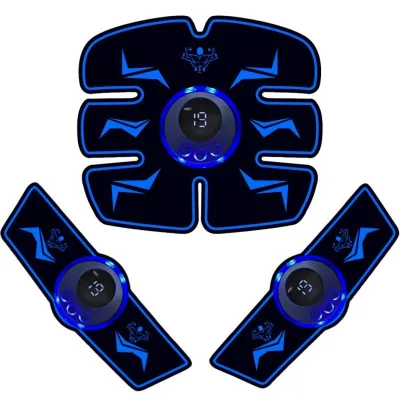
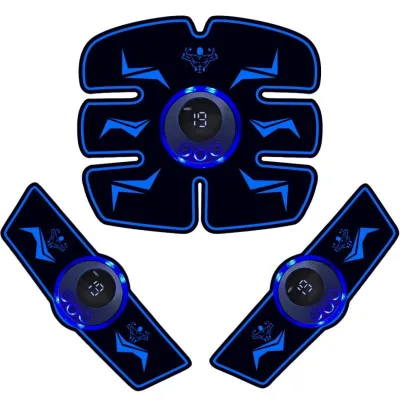
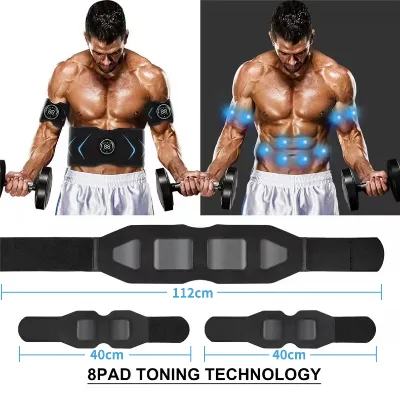


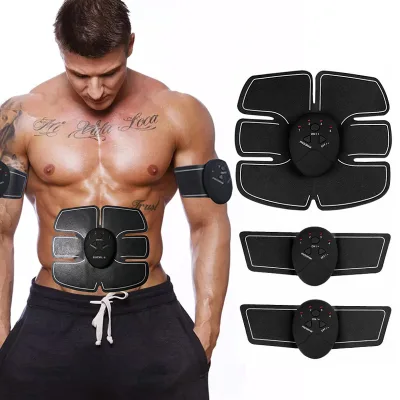
CE EMS Muscle Stimulator ABS Abdominal Trainer Increase Building Beauty Equipment
$2401.00 - $2743.00
MOQ: 1 Pieces
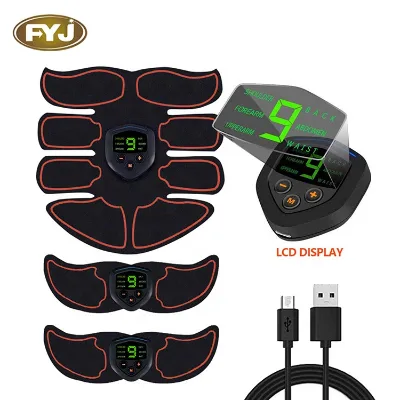
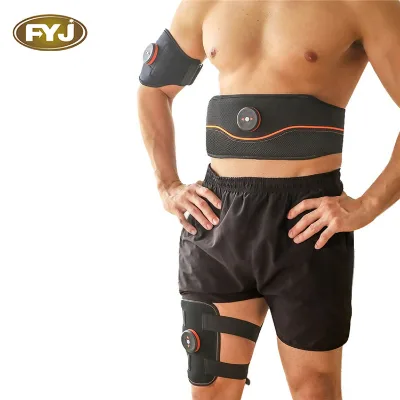
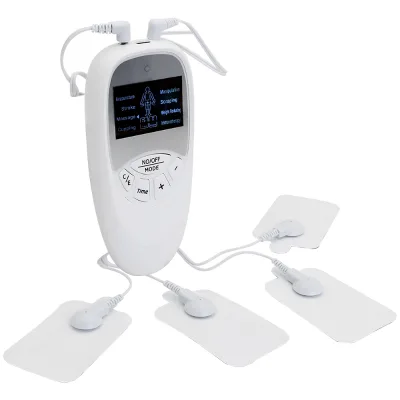
best price ems muscle stimulator electromagnetic electro stimulator muscle
$12.00 - $49.00
MOQ: 1 Minimum
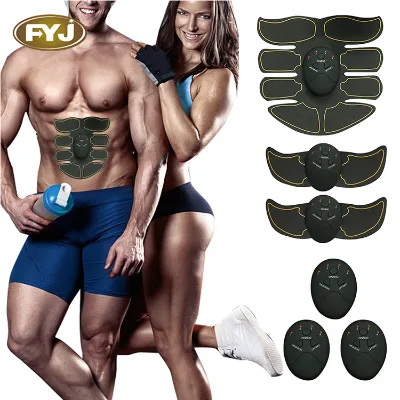

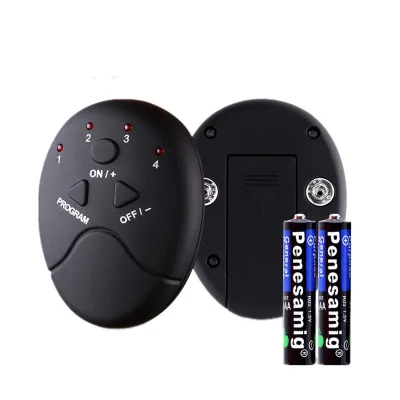


Electronic Muscle Stimulator EMS Training Slimming Muscle Massager Stimulation
$2500.00 - $3000.00
MOQ: 1 Sets


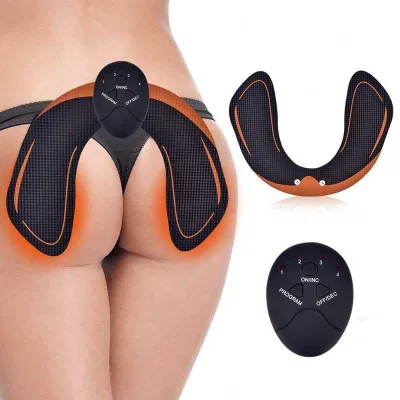




Comprehensive Sourcing Guide
Strategic Sourcing Guide for CE Certified ABS Muscle Stimulators
The global market for personal wellness devices has seen a significant surge in demand for non-invasive muscle stimulation technology. For procurement professionals and B2B buyers, the specific keyword "CE Certified Abs Muscle Stimulator" represents a convergence of regulatory compliance, material durability, and functional efficacy. Sourcing these devices requires a disciplined approach that distinguishes between verified product attributes and marketing generalizations. This guide provides a comprehensive framework for evaluating suppliers, verifying technical specifications, and ensuring that the final procurement aligns with both safety standards and operational requirements.
Understanding the Core Product Architecture
The foundation of a reliable muscle stimulator lies in its construction and functional design. Based on observed market data, the primary material for these devices is often a combination of ABS (Acrylonitrile Butadiene Styrene) and PU (Polyurethane). ABS provides the necessary structural rigidity and impact resistance required for portable electronics, while PU offers a softer, skin-friendly interface for the contact points. This material pairing is critical for devices intended for repeated use on the body, ensuring they are both durable and comfortable.
When evaluating the product architecture, buyers must look for specific functional configurations. The market features devices with varying levels of complexity, ranging from simple manual-wired controls to sophisticated wireless remote control systems. Some units are designed with a specific focus on the abdominal area, often marketed as "Six Belly and Waist Massagers," while others are broader "Body Massagers" or "Vibrating Massagers" suitable for general application. The internal gear mechanisms also vary significantly; observed data indicates models with 19 gears, while more advanced units may feature up to 39 gears. This variation directly impacts the intensity and precision of the muscle stimulation, making it a key differentiator during the selection process.
Furthermore, the power architecture is a decisive factor in portability and usage scenarios. Units are available with battery capacities ranging from 150mAh to larger capacities, often paired with LCD displays for user interface management. The weight of the device is another critical specification; observed net weights range from 220g to 500g. Lighter units, often around 220g to 230g, are ideal for targeted abdominal applications, whereas heavier units may accommodate more complex internal circuitry or larger battery packs.
Regulatory Compliance and Certification Verification
The term "CE certified" is a mandatory requirement for selling electronic and medical-related devices within the European Economic Area. However, the presence of a CE mark on a product listing does not automatically guarantee full compliance with all relevant directives. Buyers must verify that the certification covers the specific product category, which often falls under the Medical Device Directive (MDD) or the Electromagnetic Compatibility (EMC) Directive, depending on the claimed therapeutic function.
In the context of muscle stimulators, compliance often involves adherence to standards such as ISO 13485 for quality management systems in medical devices, although this is a background standard and not a product-specific certification. The supplied data indicates that some products list certifications as "FDA, ISOCE," which suggests a dual focus on US and European standards. It is crucial for buyers to request the actual Certificate of Conformity (CoC) and the Declaration of Conformity (DoC) from the supplier. These documents must explicitly state the product model number and the specific directives to which the device complies.
Buyers should be wary of generic claims. For instance, while "CE" is frequently mentioned, the specific version of the standard (e.g., EN 60601-1 for medical electrical equipment) must be verified. Additionally, the presence of "ISOCE" in product descriptions may imply a combination of ISO and CE standards, but this is not a standard industry designation and requires clarification. The verification process should include checking the Notified Body number if the device is classified as a Class I or higher medical device. Without these documents, the risk of customs seizure or legal liability in the target market increases significantly.
Technical Specifications and Functional Analysis
A detailed analysis of technical specifications is essential to match the product to the intended application. The market data reveals a diverse range of massage modes and gear settings. Some units offer 8 modes, while others provide 10 modes, allowing for different stimulation patterns such as kneading, tapping, or electrical muscle stimulation (EMS). The "gear" count, ranging from 19 to 39, indicates the granularity of intensity control. A higher gear count allows for more precise customization of the stimulation intensity, which is particularly important for users with varying pain thresholds or muscle recovery needs.
The application area is another critical specification. While many devices are marketed specifically for the "Abdominal" or "Waist" area, others are designed for general "Body" application. The distinction is vital for procurement, as a device optimized for the abdomen may not provide adequate coverage or electrode placement for broader muscle groups. The feature set also includes "Analgesia" capabilities, which implies a therapeutic function for pain relief. This claim must be supported by the technical documentation and regulatory classification of the device.
Power management is a key technical consideration. Devices are powered by batteries, with capacities observed at 150mAh. The charging method and battery life are not always explicitly detailed in basic listings but are critical for user satisfaction. Buyers should inquire about the charging time, the number of cycles the battery can sustain, and whether the device includes a low-battery indicator. The inclusion of an LCD display is a common feature that enhances user experience by allowing for clear visualization of the selected mode and intensity level.
Cost Drivers and Pricing Structures
The pricing of ABS muscle stimulators is influenced by several factors, including the complexity of the electronic components, the quality of the materials, and the level of certification. The observed price range in the market spans from $1 to $3,000, a wide spectrum that reflects the diversity of product tiers. Lower-priced units typically feature basic functionality, such as manual control and fewer massage modes, while higher-priced units often include wireless remote controls, advanced gear systems, and comprehensive certification packages.
Material costs play a significant role in the final price. The use of high-grade ABS and PU materials, which are more durable and skin-safe, will increase the manufacturing cost compared to standard plastics. Additionally, the inclusion of features like LCD displays, wireless connectivity, and larger battery capacities adds to the component cost. The "Single gross weight" and "Single package size" also impact logistics costs. For example, a unit with a gross weight of 0.500 kg and a package size of 23x16x8 cm will incur different shipping rates compared to a lighter, more compact unit.
Minimum Order Quantity (MOQ) is another cost driver. The observed MOQ range is 1 to 50 units. Suppliers with lower MOQs may charge a higher unit price due to the lack of economies of scale, while those requiring higher MOQs often offer more competitive pricing. Buyers must balance the upfront investment against the potential for volume discounts. It is also important to consider the "After-sale Service" costs. Some suppliers offer "Onsite Training," which adds value but may increase the overall cost of the procurement agreement.
Supplier Evaluation and Quality Assurance
Selecting the right supplier is as important as selecting the right product. Buyers should prioritize suppliers who provide transparent documentation regarding their manufacturing processes and quality control measures. The "Place of Origin" is a significant factor; many of the observed products originate from China, with specific manufacturing hubs like Shenzhen being noted. Shenzhen is a known center for electronics manufacturing, which can be an advantage in terms of supply chain efficiency and technical expertise.
Quality assurance should be a central part of the supplier evaluation process. Buyers must verify the supplier's ability to maintain consistent product quality across batches. This includes checking for adherence to internal quality standards and the availability of third-party test reports. The "Single package size" and "Package size" consistency are indicators of the supplier's attention to detail in packaging and logistics. Inconsistent packaging can lead to product damage during transit, resulting in financial losses and customer dissatisfaction.
The "After-sale Service" provided by the supplier is another critical evaluation criterion. Options such as "Online Technical Support" and "Onsite Training" indicate a supplier's commitment to long-term customer success. Buyers should assess the responsiveness and technical capability of the support team. A supplier that offers comprehensive support can help resolve issues quickly, minimizing downtime and ensuring that the products remain functional throughout their lifecycle.
Long-Term Procurement and Market Considerations
Long-term procurement strategies for muscle stimulators must account for market trends, regulatory changes, and supply chain resilience. The demand for personal wellness devices is expected to grow, driven by increasing health consciousness and the desire for non-invasive therapeutic solutions. Buyers should consider the scalability of their supply chain to meet potential increases in demand.
Regulatory landscapes are subject to change, and buyers must stay informed about updates to CE marking requirements and other international standards. The "Express Time" for shipping, observed as 7-15 days, is a factor that can impact inventory management. Buyers should plan for lead times that accommodate potential delays in production or shipping. Additionally, the "Customization" availability offered by some suppliers can be a strategic advantage, allowing buyers to brand the products or modify features to meet specific market needs.
Finally, the "Shipping" terms and "Customer Demand" flexibility should be clearly defined in procurement contracts. Suppliers that offer flexible shipping options and can adapt to changing customer demands are better positioned to support long-term business relationships. By focusing on these strategic considerations, buyers can ensure a sustainable and profitable procurement process for CE certified ABS muscle stimulators.
Comparative Analysis of Product Attributes
To facilitate informed decision-making, the following table summarizes the key technical and logistical attributes observed in the market for ABS muscle stimulators. This comparison highlights the variations in specifications that buyers should consider when evaluating potential products.
| Attribute Category | Observation Range / Specific Values | Strategic Implication |
|---|---|---|
| Material Composition | ABS, ABS+PU | Determines durability and skin contact safety. |
| Control Mechanism | Manual-wired, Wireless Remote | Affects user convenience and device complexity. |
| Massage Modes | 8 Modes, 10 Modes | Higher modes offer more versatility for users. |
| Gear Settings | 19 Gear, 39 Gear | Indicates intensity granularity and control precision. |
| Application Area | Abdominal, Waist, Body | Defines the target market and usage scenario. |
| Power Source | Battery (150mAh observed) | Impacts portability and usage duration. |
| Display Feature | With LCD Display, No Display | Enhances user interface and ease of use. |
| Net Weight | 220g, 230g, 500g | Affects portability and handling comfort. |
| Certification | FDA, ISOCE, CE (Verified) | Essential for market access and legal compliance. |
| After-Sale Service | Onsite Training, Online Support | Critical for long-term product reliability. |
| Origin Location | China (Shenzhen noted) | Influences supply chain lead times and logistics. |
| MOQ Range | 1 to 50 Units | Determines initial investment and inventory risk. |
| Price Range | $1 to $3,000 USD | Reflects feature set, quality, and certification level. |
This comparative analysis underscores the importance of aligning product specifications with specific business needs. By carefully evaluating these attributes, buyers can select products that not only meet regulatory requirements but also deliver value to their end customers. The diversity in the market allows for tailored procurement strategies that can adapt to various segments of the wellness industry.
FAQs
What materials are used for CE certified ABS muscle stimulators?
These devices typically combine ABS plastic for structural rigidity with PU for a skin-friendly interface. This pairing ensures durability and comfort during repeated use on the body while maintaining the required safety standards for personal wellness electronics.
Which certification documents should I verify for these devices?
You must request the Certificate of Conformity and Declaration of Conformity to verify specific directives like EMC or MDD. While some listings mention FDA or ISOCE, you need explicit proof of the Notified Body number for medical device classification compliance.
How many massage modes do these units typically offer?
Observed units provide between 8 and 10 distinct massage modes to allow for varied stimulation patterns. This variation enables users to select specific functions like kneading or tapping to match their personal muscle recovery or pain relief needs effectively.
Can I find suppliers with wireless remote control functionality?
Yes, some models feature wireless remote control systems alongside manual-wired options. These advanced units often include LCD displays and higher gear counts, such as 39 gears, to provide more precise intensity customization for the user.
What is the typical weight range for these portable massagers?
Net weights for these devices generally range from 220 grams to 500 grams depending on the internal components. Lighter units around 220 grams are ideal for targeted abdominal applications, while heavier models may accommodate larger battery packs or complex circuitry.
Which battery capacity is standard for these portable units?
Standard battery capacities observed in the market include 150mAh for portable operation. Buyers should verify charging times and cycle life, as battery performance directly impacts the usability and longevity of the device in daily scenarios.
What after-sale services are commonly available from suppliers?
Suppliers often provide Online Technical Support or Onsite Training to assist with product deployment. These services ensure long-term operational success and help resolve technical issues quickly, minimizing downtime for the end users of the muscle stimulators.