Source CE Certified Concrete Mixer Blade for pumps, booms, and mixers
Find 30 CE Certified Concrete Mixer Blade options from verified Chinese manufacturers. Compare specifications like material, model, and application for concrete pumps, placing booms, and mixing machines to select the right spare part.
Key considerations
Products List


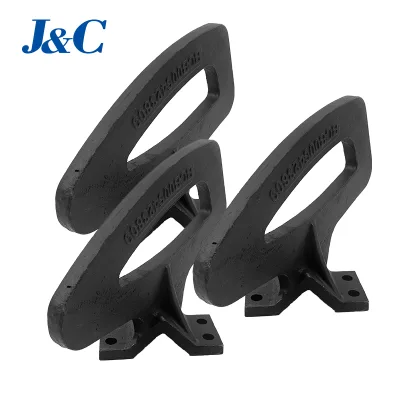
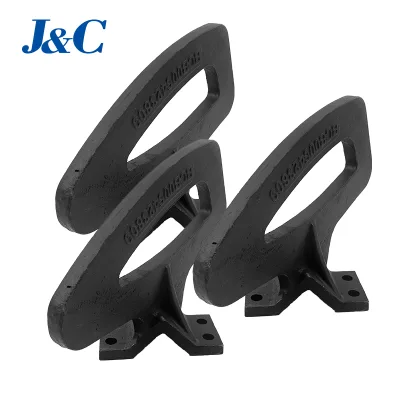


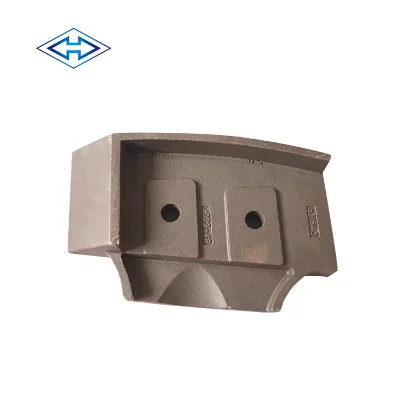
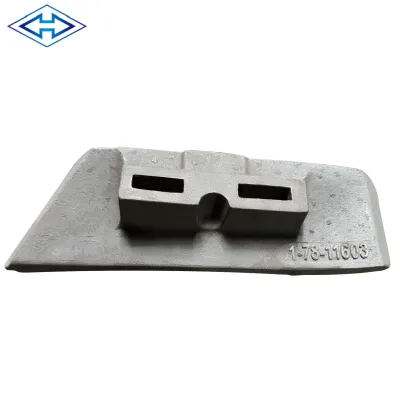


Comprehensive Sourcing Guide
CE Certified Concrete Mixer Blade Sourcing Guide
Procuring CE certified concrete mixer blades requires a disciplined approach to distinguishing between generic spare parts and components engineered for specific high-wear applications. The market offers a diverse range of options, from standard steel castings to wear-resistant alloy steel variants, each tailored to different mixer models and operational intensities. Buyers must navigate a landscape where product attributes like material composition, surface treatment, and specific model compatibility vary significantly between listings, necessitating a rigorous verification process before committing to a purchase order.
The core of this sourcing strategy lies in aligning the technical requirements of your concrete production facility with the precise specifications offered by suppliers. While some listings highlight compatibility with major brands like Sany, Zoomlion, and XCMG, others focus on specific model numbers such as the FYG Brand JS750 series or the YFJB-01. Understanding these distinctions is critical, as a blade designed for a 250-499L mixing capacity may not perform adequately in larger industrial units, and the absence of surface treatment on certain steel components can drastically alter their service life in abrasive environments.
Product Scope and Observed Listing Signals
The observed product scope for concrete mixer blades spans a wide spectrum of price points and minimum order quantities, reflecting the variability in manufacturing quality and supplier scale. Listings indicate a price range from $1.90 to $50,000, with minimum order quantities (MOQ) starting as low as a single piece and extending up to 1,000 units. This variance suggests that buyers can source individual replacement parts for immediate operational needs or engage in bulk procurement for fleet-wide standardization, though the extreme upper end of the price range likely corresponds to specialized, high-volume, or custom-engineered solutions rather than standard off-the-shelf items.
When evaluating product listings, buyers should scrutinize the specific attributes that define the blade's utility and durability. Key observations include the use of materials ranging from standard steel to wear-resistant alloy steel and stainless steel, alongside specific technical details such as an installation angle of 45 degrees and a stirring type described as spiral. The presence of multiple model numbers, including FYG750-2, FYG750-3, and specific serial numbers like 590587(SN), indicates that these components are often designed as direct replacements for existing machinery, requiring careful cross-referencing with the original equipment manufacturer's documentation to ensure a perfect fit.
Technical Specifications to Verify
Verifying the technical specifications of a concrete mixer blade is paramount to ensuring compatibility and performance longevity. Buyers must confirm the exact model number and dimensions, as listings provide specific standards such as a length of 580mm and a thickness of 30mm for certain models, while others specify a mixing capacity range of 250-499L. The number of stirring arms, noted as 2*9 in some configurations, and the specific brand compatibility, including Sany, Putzmester, and CIFA, are critical data points that must match the existing mixer architecture to prevent mechanical failure or inefficient mixing operations.
Material composition and manufacturing processes are equally vital factors that dictate the blade's resistance to wear and tear. The supply chain data highlights the use of casting as a primary process, with some products explicitly utilizing wear-resistant alloy steel to withstand the abrasive nature of concrete production. However, the absence of surface treatment on certain steel components suggests that these parts may rely solely on the inherent properties of the base material, which could be a limiting factor in high-abrasion environments. Buyers should prioritize products that explicitly state the use of wear-resistant alloys and verify if any additional hardening or treatment processes are available to extend the service life of the component.
Compliance and Safety Documentation
Navigating the compliance landscape for concrete mixer blades involves verifying the presence of recognized certifications and safety documentation. While the term "CE certified" is central to the search query, the available data presents a mixed picture, with some listings explicitly stating CE and ISO9001 certifications alongside a "New" condition, while others only reference ISO9001 or generic ISO standards. This inconsistency requires buyers to request specific certification documents for each lot, ensuring that the CE marking is valid for the specific product type and that the ISO9001 certification covers the manufacturing facility's quality management systems rather than just the product itself.
Safety and quality assurance documentation should also include details on machinery test reports and video outgoing inspections. The current market data indicates that machinery test reports are often "Not Available," which is a significant gap for buyers requiring proof of performance under load. Conversely, some suppliers offer video outgoing-inspection services, providing a visual verification of the product's condition before shipment. Buyers should treat the absence of a formal test report as a risk factor and insist on alternative verification methods, such as third-party inspection reports or detailed video evidence, to mitigate the risk of receiving substandard components that could compromise site safety.
Cost Drivers and Commercial Terms
The cost of concrete mixer blades is influenced by a complex interplay of material costs, manufacturing complexity, and commercial terms. The observed price range of $1.90 to $50,000 suggests that factors such as the use of wear-resistant alloy steel versus standard steel, the complexity of the casting process, and the specific customization requirements drive the final price. Additionally, the packaging method, which varies between wooden cases, plywood boxes, and wooden boxes, adds a layer of cost that can impact the total landed price, particularly for international shipments where packaging must meet specific export standards.
Commercial terms, including lead times and minimum order quantities, play a crucial role in the total cost of ownership. Lead times are observed to range from 5 to 15 days, which is relatively short but can vary based on the supplier's location, with origins noted in Anhui, Ningbo, and Shandong, China. The flexibility in MOQ, ranging from a single piece to 1,000 units, allows for different procurement strategies, but buyers must balance the cost per unit against the inventory holding costs. Furthermore, the availability of customization and the specific warranty status, which is listed as "Unavailable" in many cases, must be factored into the financial analysis, as the lack of a warranty may necessitate higher safety margins in the procurement budget.
Supplier Qualification and Quality Control
Supplier qualification for concrete mixer blades requires a thorough assessment of the manufacturer's location, production capabilities, and quality control measures. The data indicates that suppliers are located in key manufacturing hubs such as Anhui, Ningbo, and Shandong, China, with some factories specifically noted in Shandong. Buyers should verify the factory's capacity to produce the required specifications, such as the specific model numbers and material grades, and ensure that the production process, primarily casting, is conducted under controlled conditions to maintain consistency.
Quality control is further evidenced by the availability of video outgoing-inspection services and the adherence to OEM standards. While some listings claim "OEM Standard" quality, the absence of machinery test reports and warranty coverage suggests that buyers must implement their own rigorous quality control protocols. This includes requesting detailed inspection reports, verifying the material composition through independent testing if necessary, and ensuring that the packaging, whether wooden case or plywood box, protects the blades from damage during transit. The presence of certifications like ISO9001 is a positive indicator, but it should be complemented by on-site audits or third-party verification to ensure that the supplier's quality management system is effectively implemented.
Long-Term Procurement Checks
Establishing a long-term procurement strategy for concrete mixer blades involves monitoring supplier performance and product consistency over time. Buyers should track the performance of blades in terms of wear resistance and service life, comparing the actual results against the claimed specifications such as the use of wear-resistant alloy steel. Regular reviews of supplier delivery times, packaging integrity, and the accuracy of model compatibility claims are essential to maintaining a reliable supply chain and avoiding production downtime caused by incompatible or defective parts.
Continuous improvement in the procurement process also requires staying informed about changes in product standards and certifications. As the market evolves, suppliers may update their product lines to include new materials or improved manufacturing techniques, such as enhanced surface treatments or more rigorous testing protocols. Buyers should maintain open communication with suppliers to stay updated on these developments and be prepared to adjust their specifications and sourcing criteria accordingly. By treating product attributes as observations rather than absolute claims, buyers can build a resilient procurement strategy that adapts to the dynamic nature of the construction machinery parts market.
FAQs
What certifications are available for concrete mixer spare parts?
ISO9001 and CE certifications are available for new condition concrete mixer spare parts. These certifications ensure that the manufacturing processes meet international quality management standards. Buyers can verify these credentials to ensure compliance with global construction machinery requirements. The parts are typically made from steel or wear-resistant alloy steel, providing durability for heavy-duty mixing applications.
Which brands are compatible with these concrete mixer blades?
These blades are compatible with major brands including Sany, Putzmester, Zoomlion, Schwing, XCMG, and CIFA. Specific model numbers like 590587(SN) and FYG Brand JS750 variants are supported. This broad compatibility allows buyers to source replacements for various existing equipment fleets without needing custom manufacturing, ensuring seamless integration into current concrete pumping and mixing systems.
Can I customize the specifications for concrete mixer blades?
Yes, customization is available for concrete mixer spare parts to meet specific operational needs. Buyers can request adjustments to dimensions, such as the standard length of 580mm and thickness of 30mm, or specific model variants like FYG750-2. Customized standards ensure that the blades fit precisely into different mixer capacities, ranging from 250 to 499 liters, optimizing mixing efficiency for various project scales.
What is the typical lead time for delivery?
The typical delivery lead time is 5 to 15 days for concrete mixer spare parts. This timeframe allows for efficient production and shipping from origins in Anhui, Ningbo, or Shandong, China. Buyers should account for this window when planning maintenance schedules. Video outgoing inspections are provided to verify quality before shipment, ensuring that the parts meet OEM standards and are ready for immediate installation upon arrival.
What is the minimum order quantity for these parts?
The minimum order quantity is 1 piece for concrete mixer spare parts. This low MOQ allows buyers to purchase single replacements for maintenance or testing purposes without committing to large bulk orders. The selling units are listed as single items, making it accessible for small contractors or individual machine operators to source specific components like mixing blades or stirring arms easily.
What materials are used in manufacturing these mixer blades?
These blades are primarily manufactured from steel and wear-resistant alloy steel. Some variants may use stainless steel for specific applications. The material choice ensures high hardness, with HRC ratings between 45 and 60, providing excellent resistance to wear during concrete mixing. The casting process further enhances the structural integrity of the parts, making them suitable for the demanding environment of cement concrete production.