Source CE Certified Confetti Streamer Machine for Weddings Events Parties
Find 30 CE certified confetti streamer machines from Chinese manufacturers with varying power, size, and control options. Compare specs and request quotes for professional party decoration needs.
Key considerations
Products List
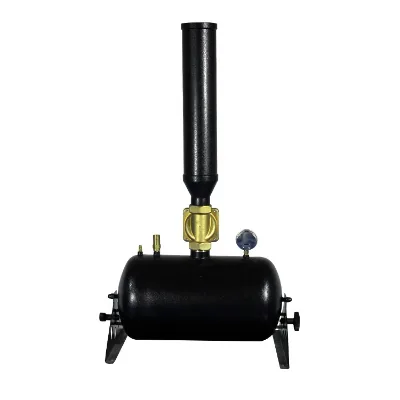
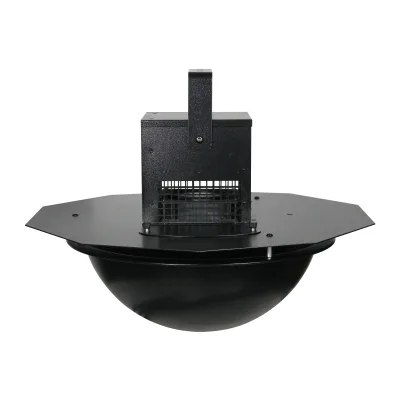
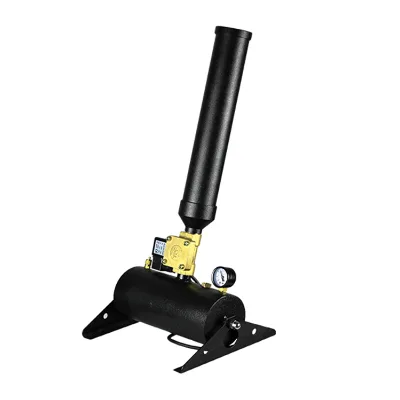
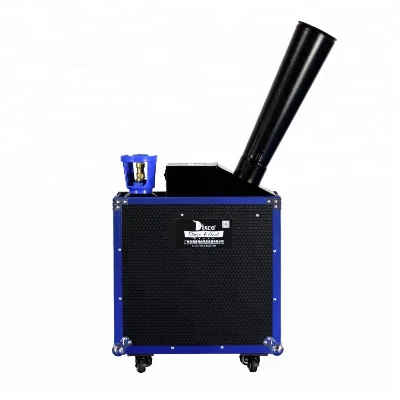
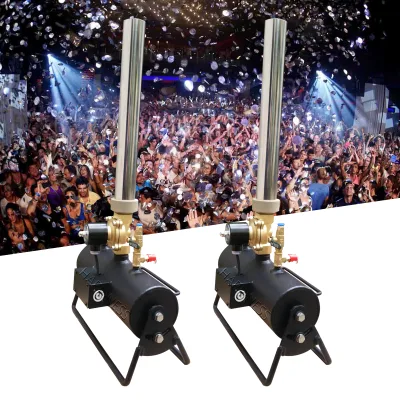
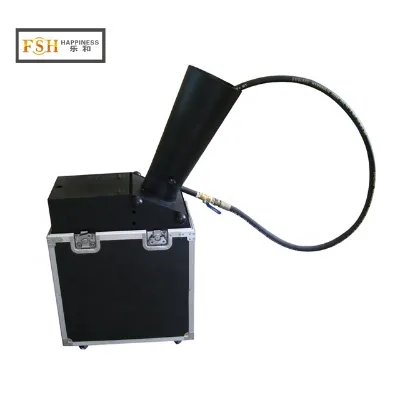
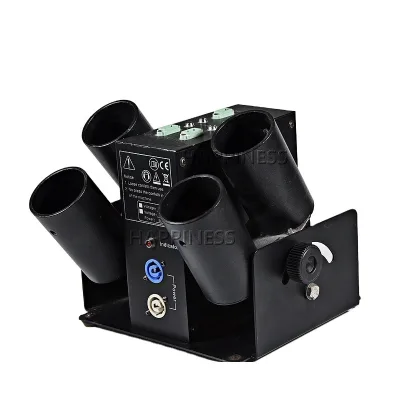
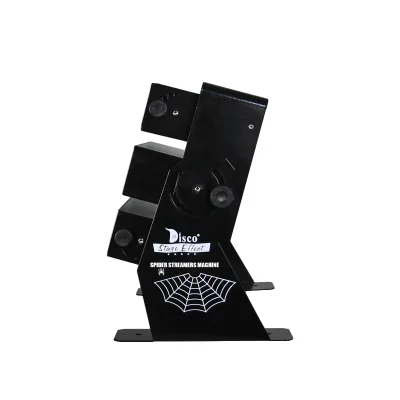
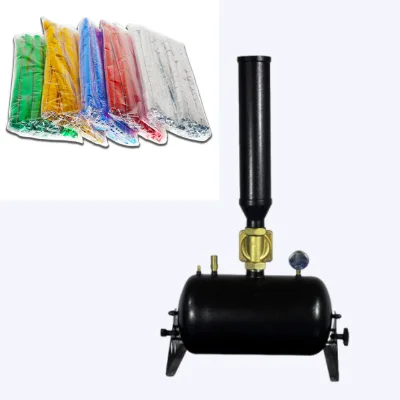
Portable Co2 Confetti Cannon Machine Confetti Machine With Bullion Paper
$188.30 - $224.94
MOQ: 1 pieces


Comprehensive Sourcing Guide
Strategic Sourcing Guide for CE Certified Confetti Streamer Machines
Understanding Technical Specifications and Performance Metrics
When sourcing a CE Certified Confetti Streamer Machine, the primary objective is to align technical capabilities with specific event requirements. The market presents a diverse array of units, each defined by distinct physical dimensions, power consumption, and operational ranges. Buyers must scrutinize the physical footprint of the equipment, as dimensions vary significantly between models. For instance, some professional units measure approximately 650mm in width, 450mm in depth, and 1150mm in height, while others are more compact, measuring around 590mm by 590mm with a height of 325mm. Even smaller, portable variants may occupy a space of roughly 30cm by 25cm by 66cm. These variations directly impact storage logistics and stage placement, necessitating a precise match between the machine's size and the venue's constraints.
Power consumption is another critical technical parameter that influences both operational costs and electrical infrastructure requirements. Observed power ratings for these devices typically range from 120 watts to 200 watts. A unit rated at 120 watts may be suitable for smaller gatherings, whereas a 200-watt model often indicates a more robust mechanism capable of higher volume output or longer continuous operation. Voltage compatibility is equally vital for international procurement. Reliable units are designed to handle dual voltage inputs, supporting AC 110V to 120V at 60Hz for North American markets and AC 220V to 240V at 50Hz for European and Asian markets. This dual-voltage capability ensures that the equipment can be deployed globally without the need for external transformers, reducing the risk of electrical failure.
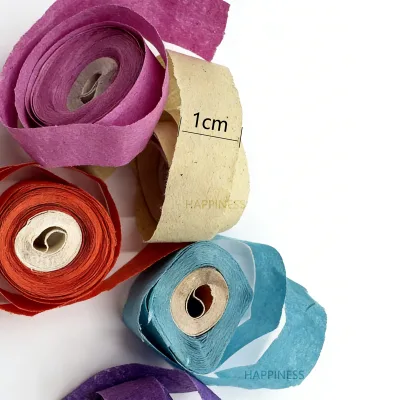
The operational range and capacity of the machine dictate its suitability for different event scales. High-performance streamer machines are engineered to project confetti or ribbons over distances ranging from 10 to 20 meters. A specific model might offer a range of 15 to 20 meters, making it ideal for large concert venues or outdoor festivals, while another might be optimized for a 10 to 15-meter throw, suitable for indoor ballrooms or corporate events. The consumable capacity is also a key differentiator; some units hold between 1 and 2 kilograms of confetti, while others may have specific ribbon configurations. Understanding these metrics allows buyers to calculate the necessary inventory of consumables, such as ribbons and confetti, to ensure uninterrupted operation throughout the event duration.
Compliance Verification and Certification Standards
The term "CE certified" is a fundamental requirement for procurement within the European Economic Area and is often a benchmark for quality in global markets. When evaluating a supplier, buyers must verify that the product documentation explicitly lists CE and ROHS certifications. These certifications indicate that the device meets specific safety, health, and environmental protection requirements. The presence of these marks on the product or its accompanying documentation is non-negotiable for compliance. However, buyers should be aware that certification status is a claim that must be validated against the specific model number provided. For example, a machine with model number D-058 or DM-069 may carry these certifications, but this status is not automatically transferable to all units from the same manufacturer without verification.
Beyond the CE mark, the ROHS (Restriction of Hazardous Substances) directive is frequently cited alongside CE certification. This standard ensures that the manufacturing process limits the use of specific hazardous materials, such as lead and mercury, in the electronic components of the machine. While some background knowledge suggests standards like EN71-1 or ISO 12402, these are not explicitly confirmed in the primary product data for every unit. Therefore, procurement teams should request specific test reports or certificates of conformity that reference the exact model number being purchased. Relying on general assertions of compliance without model-specific documentation poses a significant risk of non-compliance upon arrival.
The control mechanisms of the machine also play a role in its regulatory compliance, particularly regarding electromagnetic compatibility (EMC). Units that utilize DMX512 protocols or remote control systems must adhere to strict emission standards to prevent interference with other electronic equipment. The observed control methods include DMX512, remote control, and electric control, with some models offering a single channel (1CH) configuration. Buyers should ensure that the control interface is compatible with existing stage lighting and sound systems. Furthermore, the warranty period, which can range from three months to one year, often serves as an indirect indicator of the manufacturer's confidence in their compliance and build quality. A one-year warranty is more common for professional-grade units, suggesting a higher level of adherence to safety and performance standards.
Cost Drivers and Pricing Structure Analysis
The pricing of confetti streamer machines is influenced by a complex interplay of factors, including build quality, brand reputation, and technical specifications. The observed market price range is extensive, spanning from $0.33 to $896 USD. This wide disparity suggests that the market includes both low-cost, entry-level units and high-end professional systems. The lower end of the spectrum may correspond to basic models with limited range, lower power, or simpler control mechanisms. Conversely, the higher price points likely reflect units with advanced features, such as robust flight case packaging, extended warranties, and higher durability ratings.
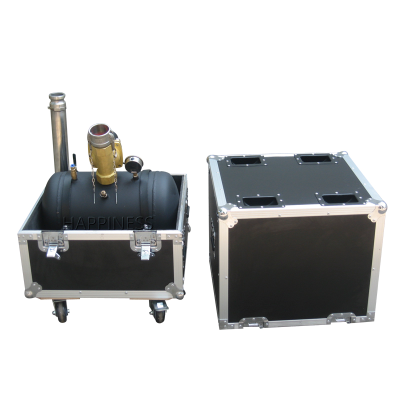
Supply ability and production capacity are significant cost drivers. Suppliers with a high supply ability, such as those capable of producing 500 pieces per day or 1000 pieces per month, may offer more competitive pricing due to economies of scale. However, buyers must balance cost with the reliability of the supply chain. A supplier located in Guangdong, China, or Guangzhou, known as a major manufacturing hub, may offer lower logistics costs compared to those shipping from other regions. The packaging details also impact the final cost; units shipped in flight cases are generally more expensive than those in standard cartons, but they offer superior protection during transit, reducing the risk of damage and associated replacement costs.
Minimum Order Quantity (MOQ) requirements further influence the total cost of ownership. The observed MOQ range is from 1 to 500 units. For small event production companies or rental agencies, an MOQ of 1 allows for low-risk testing of the product. However, larger organizations may benefit from negotiating lower unit prices by ordering in bulk, potentially reaching the upper limit of the MOQ range. It is essential to note that the "Selling Units" are typically listed as single items, meaning that even if a buyer orders multiple units, they are often priced individually. Buyers should carefully calculate the total cost, including shipping from the port of dispatch, which is frequently Guangzhou, to ensure the final landed cost aligns with their budget constraints.
Typical Applications and Event Integration
Confetti streamer machines are versatile tools designed for a wide array of applications, primarily centered around celebration and entertainment. The primary application category is "party decoration," with specific use cases for weddings, corporate events, and large-scale concerts. The product attributes explicitly mention "WEDDING" as a key occasion, highlighting the machine's role in creating memorable moments during ceremonial segments. The ability to project confetti over distances of 10 to 20 meters makes these units suitable for large venues where the audience is spread out, ensuring that the visual impact reaches the entire crowd.
The integration of these machines into event workflows requires careful planning regarding control and operation. Professional speakers and stage effects often require seamless integration with lighting and sound systems. The control methods available, such as DMX512, allow for synchronization with other stage elements, creating a cohesive audiovisual experience. For instance, a machine can be programmed to release confetti precisely when a specific musical cue is triggered. The "Remote Control" and "Electric Control" options provide flexibility for operators who may need to trigger the effect manually or automate it through a pre-set show script.
The physical characteristics of the machine, such as its weight and size, also dictate its application. A unit weighing 23kg or 10kg may require a dedicated flight case and a team of stagehands for setup, making it ideal for professional touring productions. In contrast, a lighter unit weighing 8.8kg might be portable enough for a single operator to manage, suitable for smaller events or quick-turnaround setups. The "Color: black" finish is standard for professional equipment, as it helps to hide dust and wear, maintaining a professional appearance on stage. Understanding these application nuances helps buyers select the right machine for their specific event type, whether it is a high-energy concert or an intimate wedding ceremony.
Supplier Evaluation and Quality Assurance Protocols
Evaluating a supplier for confetti streamer machines requires a rigorous approach to verifying their capabilities and reputation. The place of origin is a critical factor, with most observed units originating from China, specifically Guangdong or Guangzhou. While this region is a global hub for electronics manufacturing, buyers must conduct due diligence to ensure the supplier maintains consistent quality standards. The supply ability, such as 500 pieces per day, indicates a robust production line, but it does not guarantee the quality of individual units. Buyers should request samples or video demonstrations of the machine in operation to verify the consistency of the confetti throw and the reliability of the control systems.
Quality control protocols should be a central part of the supplier evaluation process. Buyers should inquire about the testing procedures used to ensure that the CE and ROHS certifications are valid for the specific batch of products. The warranty period, ranging from three months to one year, is a tangible metric of quality assurance. A longer warranty period often suggests that the manufacturer is confident in the durability and reliability of their product. Additionally, the packaging details, such as the use of flight cases or sturdy cartons, are indicators of how seriously the supplier takes product protection during shipping. A supplier that invests in high-quality packaging is less likely to have products arrive damaged, reducing the risk of operational failures during events.
When assessing suppliers, buyers should also consider the product's model number and its associated specifications. For example, a model like D-007 or DM-004A may have distinct performance characteristics that require specific evaluation. It is crucial to verify that the supplier can provide technical support and spare parts, especially for the consumables like ribbons and confetti. The ability to source compatible consumables locally or through the supplier is essential for long-term maintenance. Furthermore, the supplier's responsiveness to inquiries and their willingness to provide detailed documentation, such as user manuals and safety certificates, are strong indicators of a reliable partnership.
Long-Term Procurement and Operational Sustainability
Sourcing confetti streamer machines is not merely a one-time transaction but a strategic decision that impacts long-term operational efficiency. Buyers should consider the lifecycle of the equipment, including maintenance requirements and the availability of replacement parts. The power consumption and voltage compatibility are key factors in the long-term cost of operation. A machine with a 200-watt rating will consume more electricity than a 120-watt unit, which can add up over time, especially for rental companies with frequent usage. Additionally, the durability of the machine's components, such as the motor and the control board, determines its lifespan. A unit with a one-year warranty may require more frequent repairs than a unit with a robust build quality, even if the initial purchase price is higher.
The environmental impact of the machine and its consumables is another consideration for sustainable procurement. The ROHS certification ensures that the machine itself does not contain hazardous substances, but the consumables, such as confetti and ribbons, should also be evaluated for their environmental footprint. Buyers should inquire about the materials used in the consumables and whether they are biodegradable or recyclable. This aligns with the growing trend of sustainable event planning, where organizers seek to minimize waste and environmental impact.
Finally, the scalability of the procurement strategy is essential for businesses looking to expand their event offerings. A supplier with a high supply ability and a wide range of models allows buyers to scale their operations without being constrained by inventory limitations. The ability to order in bulk with a reasonable MOQ, such as 500 units, can help buyers secure better pricing and ensure a steady supply of equipment. By focusing on long-term partnerships with reliable suppliers, buyers can ensure a consistent supply of high-quality confetti streamer machines that meet their evolving needs and maintain compliance with international standards.
Comparative Analysis of Key Product Attributes
To facilitate informed decision-making, the following table summarizes the key attributes observed across different models of confetti streamer machines. This comparison highlights the variations in size, power, and control mechanisms that buyers should consider when selecting the right unit for their specific needs.
| Attribute | Model D-058 | Model DM-069 | Model D-007 | Model DM-004A |
|---|---|---|---|---|
| Size (mm) | 6504501150 | 590590325 | 302566 (cm) | 730x280x1300 |
| Weight | 23kg | 10kg | 8.8kg | 22kg |
| Power | 200w | 120W | 150w | N/A |
| Voltage | AC110V~120V/60Hz | AC110V~120V/60Hz | AC110V~120V/60Hz | AC110V~120V/60Hz |
| Range | 15-20m | N/A | 10-15m | N/A |
| Control | Remote, Electric | Power supply | N/A | DMX512, Remote |
| Certification | ROHS, CE | N/A | CE ROHS | N/A |
| Warranty | 1 year | N/A | N/A | 3 months ~ 1 year |
| Origin | China | Guangdong, China | China | China |
This table illustrates the diversity in the market, with no single model dominating all categories. Buyers must prioritize their specific requirements, such as range, weight, or control method, to identify the most suitable option. The presence of certifications like CE and ROHS varies, reinforcing the need for careful verification of compliance for each specific model. By analyzing these attributes, procurement teams can make data-driven decisions that align with their technical and operational goals.
FAQs
What certifications do these machines have?
These machines typically carry CE and ROHS certifications. Buyers must verify these marks on the specific model documentation, as compliance is not automatic for all units from the same manufacturer without validation.
How far can the confetti or streamers be thrown?
Operational ranges vary from 10 to 20 meters depending on the model. Some units offer a 15 to 20 meter throw for large venues, while others are optimized for a 10 to 15 meter distance suitable for indoor events.
What is the power consumption of these devices?
Power ratings typically range from 120 watts to 200 watts. A 120-watt unit suits smaller gatherings, whereas a 200-watt model often indicates a more robust mechanism capable of higher volume output or longer operation.
Can these machines operate on different voltage standards?
Yes, reliable units support dual voltage inputs for global deployment. They handle AC 110V to 120V at 60Hz for North America and AC 220V to 240V at 50Hz for Europe and Asia without needing external transformers.
What control methods are available for operation?
Control options include DMX512, remote control, and electric control. Some models offer a single channel configuration, allowing synchronization with stage lighting or manual triggering via a remote for flexible event integration.
How much consumable material can the machine hold?
Consumable capacity varies, with some units holding between 1 and 2 kilograms of confetti. Buyers should calculate necessary inventory based on the specific model's capacity to ensure uninterrupted operation throughout the event duration.
What is the typical warranty period for these units?
Warranty periods generally range from three months to one year. A one-year warranty is more common for professional-grade units, suggesting a higher level of adherence to safety and performance standards by the manufacturer.