Source Natural Bifidobacterium Bifidum Probiotics Powder for Gut Health, Immunity, and Digestion
Explore 30 listings for Natural Bifidobacterium Bifidum Probiotics Powder from verified Chinese manufacturers. Buyers can compare specifications, packaging options, and certifications to find suitable raw materials for food and supplement applications.
Key considerations
Products List


![[PRO-Grade] Bifidobacterium Bifidum Bb-G90 Probiotics Powder](https://image.made-in-china.com/221f0j00AmDirdlsSIgc/-PRO-Grade-Bifidobacterium-Bifidum-Bb-G90-Probiotics-Powder.webp)

Biogrowing Freeze-Dried High Activity Bifidobacterium Bifidum Probiotics Powder
$50.00 - $450.00
MOQ: 5 kg




Comprehensive Sourcing Guide
Strategic Sourcing Guide for Natural Bifidobacterium Bifidum Probiotics Powder
Understanding Product Specifications and Technical Attributes
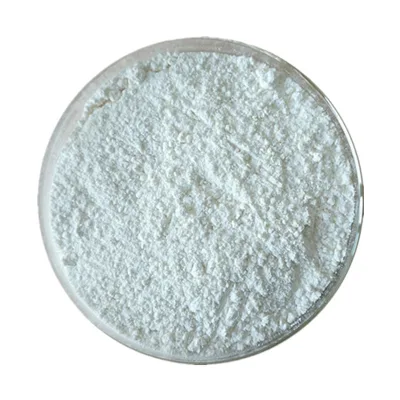
When sourcing natural Bifidobacterium bifidum probiotics powder, buyers must first establish a precise understanding of the physical and chemical attributes that define the raw material. The core product is identified as a white powder, a form that facilitates uniform mixing and stability in various downstream applications. The active substance content is a critical technical parameter; observed data indicates that high-quality offerings often meet standards where the content exceeds 90%, with specific listings noting a purity standard of 99% or content greater than 99%. This high potency is essential for ensuring efficacy in final consumer products.
The physical form is consistently listed as powder, which aligns with the requirements for bulk ingredient integration. However, the packaging and storage requirements are equally vital to maintaining this specification. While some entries suggest a "Normal" storage method, others explicitly mandate "Frozen" storage to preserve viability. This discrepancy highlights the necessity for buyers to verify the specific strain stability requirements with the supplier before finalizing logistics. The shelf life is generally observed to be greater than 12 months, provided that storage conditions are strictly adhered to.
Packaging materials vary but generally include plastic, aluminum foil bags, drums, and carton boxes. A specific observation notes the use of "Alu Bag" (Aluminum Foil Bag) and "Foam Plus Paper Cartons," which are designed to protect the sensitive biological material from moisture and light. The "Moisture Proof" storage note is a recurring attribute, reinforcing the need for hermetic sealing. Buyers should verify that the packaging material, whether plastic or foil, is compatible with the specific strain's sensitivity to oxygen and humidity. The product is categorized as a raw material of natural resource origin, primarily sourced from China, with specific mentions of origins in Shannxi and Shanghai.
Compliance, Certification, and Regulatory Frameworks
Navigating the regulatory landscape is paramount when importing biological raw materials. The supply chain for Bifidobacterium bifidum is subject to rigorous quality management systems. Observed qualifications for suppliers in this sector include ISO, cGMP (current Good Manufacturing Practice), BRC (British Retail Consortium), Halal, and Health Canada certifications. These certifications indicate that the manufacturer adheres to international standards for food safety and quality control.
Furthermore, specific certification bodies such as GMP, ISO, HACCP, QS, and Kosher are frequently cited as available credentials. The presence of these certifications suggests a robust framework for production, but buyers must treat these as observations of the supplier's capabilities rather than automatic guarantees for every unit purchased. The "Critical Require" attributes emphasize the need for "Strains Genetic Identification" and "Idas" (likely referring to specific identification assays), alongside "Safety Study" and "Stability Study Data Support."
Regulatory compliance also extends to the application guidelines. Suppliers often provide "Guidelines Available" for the use of the product, supporting the buyer in navigating local food safety regulations. The "Package and Logistics" section notes the availability of MSDS (Material Safety Data Sheet) and validated package logistics, which are essential for safe transport and customs clearance. The "Moa" (Mechanism of Action) and "Enumeration Methods" are technical requirements that ensure the product's viability claims are backed by scientific methodology. Buyers should verify that the supplier can provide documentation for "16s-Rrna" identification, a standard molecular technique for confirming the genetic identity of the probiotic strain.
Cost Drivers and Pricing Dynamics
The pricing structure for natural Bifidobacterium bifidum powder is influenced by several dynamic factors, primarily related to the concentration of active substances, packaging complexity, and certification levels. The observed listed price range in the market spans from $0.50 to $630 USD. This wide variance is not indicative of a single product tier but rather reflects differences in concentration, packaging volume, and the specific strain's potency.
The Minimum Order Quantity (MOQ) is a significant cost driver, with observed ranges spanning from 1 unit to 10,000 units. A specific listing notes an MOQ of 1kg, which is typical for sample or small-batch trials, while larger industrial orders may require higher volume commitments. The packaging format also impacts cost; products packaged in aluminum foil bags or drums may carry different price points compared to those in standard plastic containers due to the protective value of the materials.
Buyers should note that the "High Potency" standard and the "Content > 99%" specification often command a premium. The cost is also driven by the "Resource" classification as natural, which implies specific sourcing and processing methods that may be more expensive than synthetic alternatives. Additionally, the "Feature" attributes such as being Organic, Sugar-Free, or Low-Fat can influence the final price, as these require additional verification and processing steps. When evaluating quotes, buyers must ensure that the price includes all necessary documentation, such as the MSDS and stability data, to avoid hidden costs later in the procurement process.
Typical Applications and Functional Benefits
The functional profile of Bifidobacterium bifidum powder makes it a versatile ingredient for a wide array of applications. The primary "Product Type" is listed as "Food," and it is suitable for "Adults" of "Unisex" gender. The observed functional claims include support for hangover recovery, weight reduction, lowering blood pressure, and skin care. More specifically, the product is noted to help fight intestinal tract illnesses, a core benefit of probiotic supplementation.
The "Nutrient Composition" is identified as Probiotics, positioning the powder as a direct functional ingredient for gut health. The "Application" guidelines suggest support for various formulations, from dietary supplements to functional foods. The "Feature" list includes attributes like Vitamins, Low-Fat, and Decaffeinated, indicating that the powder can be integrated into a broad spectrum of product lines without compromising other nutritional goals.
The following table summarizes the key functional attributes and their corresponding application areas based on observed data:
| Functional Attribute | Primary Application Area | Target Demographic |
|---|---|---|
| Intestinal Health Support | Gut Health Supplements, Functional Foods | Adults |
| Weight Management | Dietary Supplements, Weight Loss Formulas | Unisex Adults |
| Blood Pressure Regulation | Cardiovascular Health Products | Adults |
| Skin Care | Beauty Supplements, Cosmeceuticals | Unisex Adults |
| Hangover Relief | Recovery Beverages, Post-Event Supplements | Adults |
Buyers should verify that the specific strain they select aligns with their intended application. While the general product is a raw material, the specific "Function" claims must be supported by the supplier's "Stability Study Data" and "Safety Study" results to ensure regulatory compliance in the target market.
Supplier Evaluation and Quality Control Protocols
Evaluating a supplier for Bifidobacterium bifidum requires a multi-faceted approach that goes beyond standard vendor checks. The "Characteristics" of the supply chain include "Cross Contamination Controls," which are essential for maintaining the purity of the biological material. Buyers should request detailed documentation on the facility's hygiene protocols and the specific measures taken to prevent cross-contamination during the production and packaging phases.
Quality control is further reinforced by the "Critical Require" attributes, which include "Strains Genetic Identification" and "Enumeration Methods." These are not merely marketing terms but technical necessities. The supplier must demonstrate the ability to perform "16s-Rrna" identification to confirm the strain's genetic makeup. Additionally, the "Stability" of the product must be supported by "Stability Study Data," ensuring that the viable count remains within the specified range throughout the shelf life.
The "Technic Require" of a "Safety Study" is a non-negotiable element for any biological raw material. Buyers should verify that the supplier has conducted comprehensive safety assessments and that the results are available for review. The "Regulatory" aspect also plays a role; suppliers with "Guidelines Available" for regulatory compliance are better positioned to assist buyers in navigating complex import regulations.
When assessing packaging, buyers should look for evidence of "Validated Package Logistics" and the provision of an MSDS. The use of "Aluminum Foil Bag" and "Plastic Container" or "Drum" packaging must be validated to ensure they meet the "Moisture Proof" requirements. The "Storage Method" must be clearly defined, whether it is "Normal" or "Frozen," as this dictates the cold chain requirements for the buyer's logistics team.
Long-Term Procurement and Supply Chain Considerations
Sourcing Bifidobacterium bifidum is not a one-time transaction but a long-term partnership that requires careful planning. The "Shelf Life" of greater than 12 months is a critical factor for inventory management. However, the "Storage Method" of "Frozen" for some listings implies that the buyer must have the infrastructure to maintain low temperatures, which adds to the operational cost. Buyers must align their storage capabilities with the supplier's requirements to prevent product degradation.
The "prod_packing" options, ranging from "Carton, Drum, Bag" to "Alu Bag" and "Foam Plus Paper Cartons," offer flexibility but also complexity. Standardizing packaging across different orders can streamline logistics, but the buyer must ensure that the chosen packaging maintains the "Moisture Proof" integrity. The "Logo Printing: on Request" feature allows for customization, which is beneficial for private label strategies, but it requires clear communication and lead time planning.
Lead times and production capacity are not explicitly defined in the observed data, but the "MOQ" range of 1 to 10,000 suggests that suppliers can accommodate both small and large orders. Buyers should establish a clear communication channel regarding production schedules and potential delays. The "prod_origin" being in China (Shannxi and Shanghai) indicates that buyers must account for international shipping times and potential customs delays.
Finally, the "Feature" attributes such as "Organic" or "Sugar-Free" may require periodic re-verification to ensure ongoing compliance with changing market standards. Buyers should schedule regular audits or quality reviews to ensure that the supplier continues to meet the "ISO/cGMP/BRC/Halal/Health Canada" standards. By maintaining a proactive approach to supplier evaluation and quality control, buyers can secure a reliable supply of high-quality Bifidobacterium bifidum powder that meets their specific product requirements.
FAQs
What is the active substance content of the powder?
The active substance content exceeds 90%, with specific listings noting a purity standard of 99% or content greater than 99%. This high potency ensures efficacy in final consumer products when the product is stored correctly.
How should the product be stored to maintain viability?
Storage requirements vary, with some entries suggesting normal storage while others explicitly mandate frozen storage to preserve viability. Buyers must verify the specific strain stability requirements with the supplier before finalizing logistics.
Which certifications do the suppliers typically hold?
Suppliers in this sector often hold ISO, cGMP, BRC, Halal, and Health Canada certifications. Additional credentials frequently cited include GMP, HACCP, QS, and Kosher, indicating adherence to international food safety standards.
Can the product be customized with specific packaging?
Yes, customization is available for packaging and logo printing is offered on request. Packaging materials include plastic, aluminum foil bags, drums, and cartons designed to protect the sensitive biological material from moisture and light.
What is the minimum order quantity for this raw material?
The minimum order quantity ranges from 1 to 10,000 units, with a specific listing noting an MOQ of 1kg. This flexibility allows buyers to accommodate both small batch trials and larger industrial orders.
Where is the natural resource primarily sourced from?
The product is primarily sourced from China, with specific mentions of origins in Shannxi and Shanghai. Buyers must account for international shipping times and potential customs delays when planning procurement from these locations.