Source Smokeless Cold Pyro Fireworks Machine for Weddings
Compare 30 listings for the Smokeless Cold Pyro Fireworks Machine suitable for weddings, holidays, and parties. Buyers can evaluate remote control distances, battery types, and wireless firing systems from verified Chinese manufacturers; compare the available evidence and request quotations based on your requirements.
Key considerations
Products List


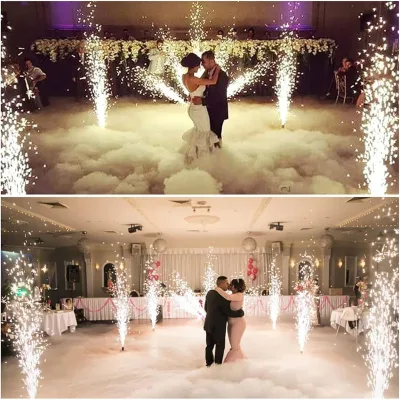

Wedding Decoration Cold Pyro Sparkle Machine Remote Fountain Fireworks Machine
$355.00 - $370.00
MOQ: 2 Pieces


2PCS Stage Sparkular Wedding Set Fire Cold Fireworks Fountain Cold Pyro Machine
$430.00 - $470.00
MOQ: 1 Pieces

DMX Cold Pyro Fireworks Sparkler Machine Cold Fountain Spark Machine for Wedding
$199.00 - $219.00
MOQ: 1 Pieces
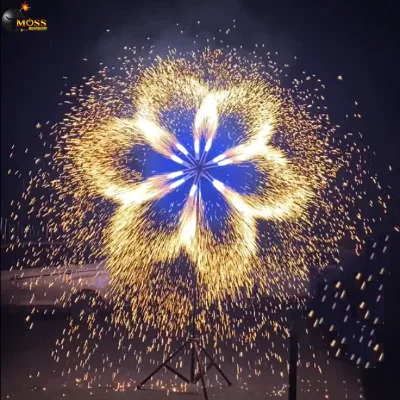
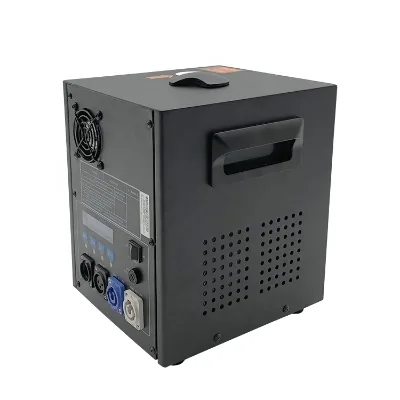
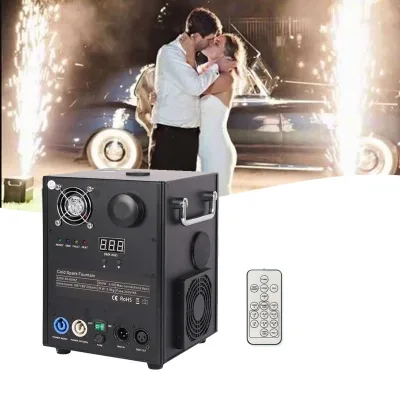




Xlighting Stage Effects Fountain Spark Cold Fireworks Machine for Events Show
$139.00 - $149.00
MOQ: 1 Pieces
Comprehensive Sourcing Guide
Smokeless Cold Pyro Fireworks Machine Sourcing Guide
Procuring smokeless cold pyro fireworks machines requires a nuanced understanding of the distinction between the firing control systems and the pyrotechnic effects themselves. The supplied product data indicates a market dominated by remote control firing systems, such as the Fhl02 and Dza01r-8 models, which are designed to trigger fountain-style fireworks rather than the fireworks themselves. Buyers must recognize that these devices are automation tools, often featuring wireless remote controls with ranges between 80 and 200 meters, rather than the consumable pyrotechnic charges. This distinction is critical for defining procurement specifications, as the machine serves as the ignition interface for indoor or outdoor entertainment setups, including weddings, holidays, and parties.
The observed listings highlight a variety of configurations, from single-item party favors to complex eight-channel firing systems. These systems often utilize rechargeable batteries or standard AA batteries for their receiving boxes, ensuring portability and ease of use in diverse event environments. The materials range from iron and plastic to metal, reflecting the durability requirements for repeated use in professional entertainment settings. Understanding that the core keyword often refers to the control mechanism rather than the smokeless effect itself allows buyers to align their search with the correct technical specifications, focusing on automation features, ignition methods, and compatibility with various firework types like fountains and spark effects.
Product Scope and Observed Listing Signals
The current market landscape for smokeless cold pyro solutions is characterized by a strong emphasis on remote control and automation. Listings frequently describe products as "wireless indoor fireworks firing systems" or "double wheels wireless fountains happiness firewok," indicating a focus on safety and convenience for event organizers. The observed product count of thirty items suggests a competitive market with varied offerings, primarily originating from regions like Heze, Shandong, and Hunan, China. These geographic origins are significant, as they are known hubs for pyrotechnic manufacturing and related equipment, providing buyers with access to specialized suppliers who understand the technical nuances of cold pyro effects.
Observed listing signals reveal a wide range of price points, from ten to three hundred thousand USD, reflecting the disparity between simple remote triggers and comprehensive multi-channel firing systems. The minimum order quantities (MOQ) typically range from one to one hundred units, offering flexibility for both small-scale event planners and large-scale production companies. Products are often packaged in strong paper cartons or containers, with specific dimensions like 29x25x22 cm noted for certain models. This variability in packaging and pricing underscores the importance of clearly defining procurement needs, as the scope of the purchase can significantly impact logistics, storage requirements, and overall project budgeting.
Technical Specifications to Verify
When evaluating smokeless cold pyro firing systems, buyers must prioritize the verification of remote distance and channel capacity. The observed data indicates remote control ranges between 80 and 200 meters, which is crucial for ensuring safe operation distances during events. It is essential to confirm the specific model number, such as Dza01r-8 or Lhdwr-3, as these identifiers often correlate with the number of channels and the complexity of the firing sequence. Buyers should verify whether the system supports simultaneous or sequential firing, as this capability directly impacts the synchronization of visual effects with music or other performance elements.
Battery type and power management are another critical technical aspect to verify. Listings mention both rechargeable batteries and standard AA batteries for receiving boxes, which affects the operational readiness and maintenance requirements of the system. Additionally, the material composition, ranging from plastic to metal, influences the durability and weather resistance of the equipment. Buyers should also check for automation features, such as automatic ignition and automatic operation modes, which enhance user experience and reduce the risk of human error during live performances. Ensuring these technical specifications align with event requirements is vital for reliable performance.
Compliance and Safety Documentation
Safety and compliance are paramount when sourcing equipment for pyrotechnic applications. The observed listings mention certifications such as ISO and CE Passed, which are essential indicators of adherence to international quality and safety standards. Buyers must verify that the specific models they intend to purchase hold these certifications, as they provide assurance that the manufacturing processes and product designs meet rigorous safety criteria. This verification is particularly important for indoor applications, where smokeless cold pyro effects are preferred to minimize fire hazards and air quality issues.
In addition to product certifications, buyers should inquire about the safety documentation provided by suppliers, including user manuals, safety guidelines, and maintenance instructions. These documents are crucial for ensuring that the firing systems are operated correctly and that potential risks are mitigated. It is also important to verify that the equipment is suitable for the intended environment, whether indoor or outdoor, and that it complies with local regulations regarding pyrotechnic devices. By prioritizing compliance and safety documentation, buyers can protect their events and ensure a seamless experience for all participants.
Cost Drivers and Commercial Terms
The cost of smokeless cold pyro firing systems is influenced by several factors, including the complexity of the control system, the number of channels, and the materials used in construction. High-end models with advanced automation features and longer remote ranges typically command higher prices, while simpler systems may be more affordable. The observed price range of ten to three hundred thousand USD highlights the significant variation in value and capability among different products. Buyers should carefully assess their budget against the required features to avoid overpaying for unnecessary functionalities or underinvesting in critical capabilities.
Commercial terms, such as MOQ and packaging details, also play a significant role in the total cost of ownership. The observed MOQs of one to one hundred units allow for flexible purchasing options, but buyers should consider the implications of bulk ordering on storage and logistics. Packaging dimensions, such as 29x25x22 cm, affect shipping costs and handling requirements, so it is advisable to factor these into the overall procurement strategy. Additionally, buyers should negotiate clear terms regarding warranties, after-sales support, and return policies to ensure long-term value and protection against potential defects or malfunctions.
Supplier Qualification and Quality Control
Selecting a qualified supplier is critical for ensuring the reliability and safety of smokeless cold pyro firing systems. Buyers should prioritize suppliers who hold relevant certifications, such as ISO and CE, and who have a proven track record in the pyrotechnic industry. The observed origins in Heze, Shandong, and Hunan, China, suggest a concentration of specialized manufacturers, but buyers must conduct thorough due diligence to verify the supplier's credibility and quality control processes. This includes reviewing their production capabilities, testing procedures, and customer feedback to ensure they meet the required standards.
Quality control measures should be explicitly discussed with suppliers, including pre-shipment inspections and performance testing of the firing systems. Buyers should request detailed specifications and test reports to verify that the products meet the claimed technical parameters, such as remote distance and battery life. Additionally, establishing clear communication channels and contractual agreements regarding quality standards can help mitigate risks and ensure that the delivered products align with procurement expectations. By prioritizing supplier qualification and quality control, buyers can secure reliable equipment that enhances the success of their events.
Long-Term Procurement Checks
Long-term procurement success depends on establishing robust relationships with suppliers and implementing continuous monitoring of product performance. Buyers should regularly review supplier performance metrics, including delivery times, product quality, and customer support responsiveness, to identify potential issues early. The observed customization options, such as customizable models and standards, offer opportunities for tailored solutions, but buyers must ensure that these customizations do not compromise safety or reliability. Regular audits and feedback loops can help maintain high standards and drive continuous improvement in the supply chain.
Additionally, buyers should stay informed about industry trends and technological advancements in smokeless cold pyro firing systems. This includes monitoring updates to safety regulations, emerging automation features, and new materials that may enhance product durability and performance. By maintaining a proactive approach to procurement, buyers can adapt to changing market conditions and ensure that their equipment remains competitive and compliant. Long-term checks should also include evaluating the total cost of ownership, including maintenance, spare parts, and potential upgrades, to optimize the overall value of the procurement investment.
FAQs
How is the ignition method controlled for these fireworks systems?
The ignition method is automatic, ensuring reliable and safe activation without manual intervention. This system supports remote control distances ranging from 80 to 200 meters, allowing operators to manage the firing sequence from a safe distance while maintaining precise timing for events.
What certifications do these smokeless fireworks machines hold?
These products hold ISO and CE Passed certifications, confirming compliance with international safety and quality standards. Buyers can verify these credentials to ensure the equipment meets regulatory requirements for industrial and entertainment applications in various global markets.
Which materials are used to construct the firing system components?
The components are constructed from durable materials including iron, plastic, and metal to ensure longevity. This robust construction supports repeated use in indoor fountain systems and stage fireworks, providing stability and safety during complex entertainment displays and holiday celebrations.
Can the product model be customized for specific event needs?
Yes, the product model is customizable to meet specific event requirements and technical specifications. Buyers can request tailored dimensions and features, ensuring the system fits unique venue constraints while maintaining the core functionality of wireless remote control and smokeless operation.
How does the noise level compare to standard fireworks systems?
The noise level is less than 65 decibels, making it significantly quieter than traditional fireworks. This low-noise feature makes the system ideal for indoor fountains and close-proximity events where excessive sound could disturb guests or violate local noise ordinances.
What is the thermal radiation intensity of the firing system?
The thermal radiation intensity is less than or equal to 1.5 kilowatts per square meter, ensuring safe operation near people. This low heat output is critical for indoor applications and allows for closer placement of spectators without risk of burns or fire hazards.
Which battery types power the remote control units effectively?
The receiving box is powered by two pieces of AA battery, while other units may use rechargeable batteries. This flexible power option ensures the remote control system remains operational for extended periods during weddings, parties, and holiday celebrations without frequent battery replacements.
What is the minimum order quantity for purchasing these systems?
The minimum order quantity is two sets, allowing small buyers to test the system before larger commitments. This low entry threshold supports vendors and event planners who need to evaluate the wireless firing system performance for specific indoor or outdoor applications.