Source CE Certified Dinosaur Model for Museum, Park, School
Compare 17 CE certified dinosaur models from Chinese manufacturers. These static and interactive figures feature customizable designs, various materials like fiberglass and resin, and are suitable for museums, playgrounds, and shopping malls; compare the available evidence and request quotations based on your requirements.
Key considerations
Products List


Ccad55 Lifesize Realistic Animatronic Dinosaur Supplier Simulation Ankylosaurus Model
$2000.00 - $3899.00
MOQ: 1 Pieces

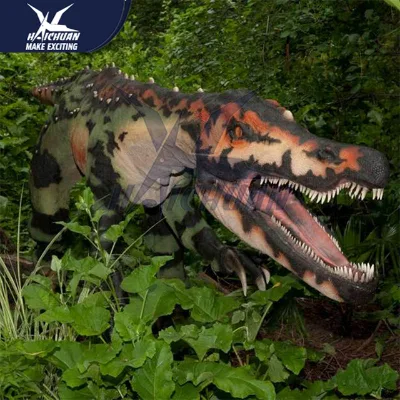
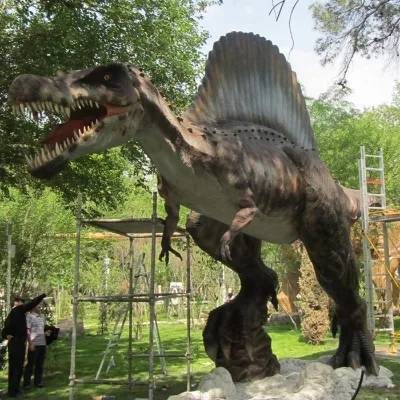
Comprehensive Sourcing Guide
CE Certified Dinosaur Model Sourcing Guide
Procuring CE certified dinosaur models requires a disciplined approach to balancing aesthetic fidelity with rigorous safety compliance. Buyers must recognize that "CE certified" is not a monolithic label but a declaration of conformity with specific European directives, primarily concerning machinery safety and electromagnetic compatibility for interactive units. The sourcing landscape features a wide array of manufacturers, predominantly based in China, offering everything from static display pieces to complex, motorized animatronics. Understanding the distinction between simple static displays and powered interactive models is the first critical step in defining your procurement requirements.
The market signals indicate a diverse product range with observed price points spanning from $6 to $30,000, reflecting significant variations in material quality, size, and technological complexity. Minimum order quantities (MOQs) typically range from one unit for custom projects to one thousand for standardized items, allowing flexibility for both small-scale installations and large commercial deployments. Buyers should carefully evaluate whether their project demands a single bespoke piece or a batch of uniform units, as this decision heavily influences supplier selection, negotiation leverage, and logistical planning throughout the procurement lifecycle.
Product Scope and Observed Listing Signals
The observed product scope encompasses a broad spectrum of dinosaur replicas, ranging from small-scale static displays to large, interactive animatronic figures suitable for museums, shopping malls, and amusement parks. Materials vary significantly, with listings indicating the use of plastic, steel, fiberglass, rubber, and resin, often combined to achieve realistic textures and structural integrity. Some products feature leather-like textures and handmade techniques, emphasizing artisanal quality, while others rely on industrial assembly methods. Buyers must clearly define the intended environment, as indoor settings may prioritize aesthetic detail, whereas outdoor installations require enhanced weatherproofing and durable materials like fiberglass and steel.
Interactive features are a key differentiator in this category, with many models offering movable parts such as eyes, mouths, heads, necks, and tails. These dynamic elements are often supported by internal control boxes, speakers, and sensors, requiring specific power inputs ranging from 110-220V at 50-60Hz. Customization is widely available, allowing buyers to specify colors, logos, and even specific model dimensions, with some suppliers offering standard sizes like 754768cm or custom dimensions up to 1200cm in length. Understanding the extent of customization required early in the process helps in filtering suppliers who possess the necessary technical capabilities and production capacity to meet unique design specifications.
Technical Specifications to Verify
Technical verification begins with confirming the physical dimensions and structural materials of the dinosaur model. Buyers should request detailed technical drawings that specify the exact length, width, and height, as observed standards vary from compact 52.55554cm units to massive 1200cm installations. The choice of material is critical for longevity; fiberglass and steel provide robustness for outdoor or high-traffic areas, while plastic and resin may be suitable for smaller, indoor displays. It is essential to verify the thickness of the skin material and the quality of the internal armature, as these factors directly impact the model's durability and resistance to wear and tear over time.
Electrical and mechanical specifications are equally important, particularly for interactive models. Buyers must verify the type of plug required, as suppliers often support custom plug types to match local standards. The power consumption and voltage requirements should be clearly documented to ensure compatibility with the installation site's electrical infrastructure. Additionally, the quality of the control system, including the reliability of sensors and the responsiveness of movements, should be assessed. Requesting a detailed bill of materials and technical schematics allows for a thorough review of component quality, ensuring that the internal mechanisms are designed to withstand the intended operational frequency and duration.
Compliance and Safety Documentation
Compliance with CE certification is a non-negotiable requirement for selling or displaying these models in the European market. Buyers must verify that the supplier holds valid CE marks and can provide the necessary Declaration of Conformity. This documentation should reference the specific directives applied, such as the Low Voltage Directive for electrical components or the Machinery Directive for moving parts. It is crucial to ensure that the certification covers the entire product, including all electronic accessories like control boxes and speakers, rather than just the main body of the dinosaur model.
Beyond CE, other safety certifications such as GS, TUV, ISO, and SGS may be present, indicating additional layers of quality and safety assurance. For products intended for children or public interaction, compliance with EN 71 standards for toy safety is often relevant, even if not explicitly listed in all listings. Buyers should request test reports for materials, particularly regarding flammability and chemical composition, to ensure they meet local regulatory requirements. Verifying these documents early in the sourcing process prevents costly delays and ensures that the imported models can be legally installed and operated without regulatory hurdles.
Cost Drivers and Commercial Terms
The cost of a CE Certified Dinosaur Model is driven by several key factors, including size, material complexity, and the level of interactivity. Larger models with extensive motorization and custom sculpting commands a premium, while smaller static displays remain more affordable. The observed price range of $6 to $30,000 reflects these variations, with high-end animatronics featuring realistic movements and sound effects occupying the upper end of the spectrum. Buyers should obtain detailed quotes that break down costs for materials, labor, electronics, and packaging to understand the value proposition of each supplier.
Commercial terms, including minimum order quantities and delivery details, significantly impact the total cost of ownership. MOQs ranging from 1 to 1000 units allow for flexibility, but larger orders may offer economies of scale. Delivery times are often dependent on order quantity and customization level, so buyers should negotiate clear lead times and include penalties for delays in their contracts. Packaging is another cost factor, with options ranging from simple cartons to wooden cases for fragile or large items. Ensuring that packaging meets international shipping standards is essential to prevent damage during transit, which can result in additional costs and project delays.
Supplier Qualification and Quality Control
Supplier qualification is critical to ensuring the reliability and quality of the dinosaur models. Buyers should verify the supplier's manufacturing capabilities, including their facility size, production lines, and quality control processes. Suppliers based in regions like Sichuan Zigong, known for their craftsmanship, may offer higher quality standards, but this should be confirmed through site audits or third-party inspections. Requesting references from previous clients and reviewing case studies of similar projects can provide insights into the supplier's consistency and ability to meet deadlines.
Quality control measures should be established before production begins, including pre-production samples and in-process inspections. Buyers should define clear acceptance criteria for aesthetics, movement smoothness, and electrical safety. It is advisable to include a quality warranty period, typically 24 months, in the contract to protect against defects. Regular communication with the supplier during the production phase helps identify and resolve issues early. Implementing a robust quality control plan ensures that the final product meets the specified standards and reduces the risk of receiving substandard goods.
Long-Term Procurement Checks
Long-term procurement success depends on establishing a sustainable relationship with suppliers who can support ongoing maintenance and future projects. Buyers should verify the availability of spare parts, such as motors, sensors, and control boards, to ensure easy repair and longevity of the models. Suppliers who offer comprehensive after-sales support, including technical assistance and training for operation and maintenance, add significant value to the procurement process. Understanding the warranty terms and the process for claiming repairs is essential for minimizing downtime and preserving the investment.
Continuous monitoring of supplier performance and market trends is also important for long-term procurement strategies. Buyers should stay informed about updates in safety regulations and technological advancements in animatronics to ensure their installations remain compliant and competitive. Regularly reviewing supplier certifications and conducting periodic quality audits helps maintain high standards. By building a strong partnership with reliable suppliers, buyers can ensure a steady supply of high-quality dinosaur models that meet their evolving business needs and customer expectations.
FAQs
What certifications do the dinosaur models have?
The models carry CE certification, with some listings also showing GS, ISO, TUV, and SGS marks. These safety certifications ensure compliance with international standards for products intended for museums, playgrounds, and shopping malls.
Can I customize the size and color of the models?
Yes, customization is available for both size and color to match your specific requirements. You can request dimensions like 75*47*68cm or choose colors as shown in pictures, ensuring the final product fits your venue perfectly.
What materials are used to construct these dinosaur models?
Manufacturers use a variety of durable materials including plastic, steel, fiberglass, rubber, and resin. These materials are selected to ensure the models are sturdy, waterproof, and suitable for both indoor and outdoor environments like city plazas.
How long is the quality warranty period for these products?
The standard quality warranty period provided is 24 months for the dinosaur models. This warranty covers the structural integrity and functionality of the static or interactive displays, giving buyers confidence in the long-term durability of the purchase.
What is the typical packaging method for shipping these models?
Products are typically packed in paper cartons or wooden cases depending on the specific model and size. This packaging ensures safe transport, with options like simple packaging or reinforced wooden cases available to protect the items during international shipping.
Where are these dinosaur models manufactured and shipped from?
These models originate from China, with specific manufacturing hubs located in Sichuan Zigong. The products are shipped directly from these locations, with delivery details depending on the order quantity and specific logistics arrangements made with the supplier.
Are the dinosaur models suitable for interactive displays?
Yes, certain models feature interactive capabilities such as movable eyes, mouths, heads, and tails. These units come equipped with control boxes, speakers, and sensors, making them ideal for museums, amusement parks, and shopping malls seeking engaging exhibits.