Source Sea Animal Toys for Funny, Promotion, and Particular Toys
Explore 30 listings of Sea Animal Toys available for customization. Buyers can compare models like LOK-Ocean-15 and H-RL021, review certifications such as EN71 and ASTM, and evaluate materials including plastic and polyester for bath or plush applications.
Key considerations
Products List


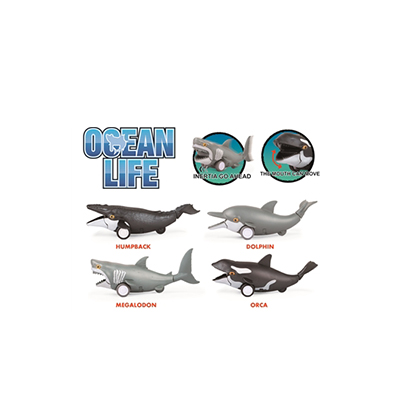


Cute Ocean Creatures Paguridae Horseshoe Crab Stuffed Sea Toy for Kids Gift
$1.99 - $4.98
MOQ: 500 Pieces
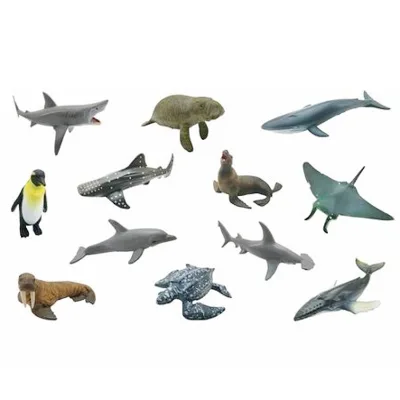
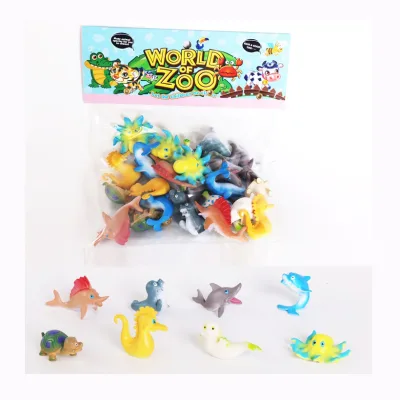


Simulation Sea Turtle Big-Eyed Turtle Doll Sea Animal Pillow Turtle Plush Toy
$3.66 - $4.38
MOQ: 10 Pieces



Comprehensive Sourcing Guide
Sea Animal Toys Sourcing Guide
Procuring Sea Animal Toys requires a strategic approach that balances creative design with rigorous safety compliance, particularly given the diverse range of materials and target demographics observed in the current market. Buyers must navigate a landscape where products range from simple plastic bath toys to complex, hand-made plush ocean animals, each demanding specific verification protocols to ensure they meet international safety standards. The observed product data indicates a strong presence of customization options, with suppliers offering full-color logo printing and custom-made designs, which necessitates clear communication regarding technical specifications before production begins.
The sourcing process is further complicated by the variation in product origins and shipping logistics, with many manufacturers based in Zhejiang, China, offering door-to-door delivery services via ocean or air freight. While the market offers a wide price range and flexible minimum order quantities, buyers must carefully evaluate the trade-offs between cost efficiency and quality assurance, especially when dealing with mixed-color items or specific size requirements like the 10x5.8cm or 8cm standards noted in current listings. Understanding these commercial variables is essential for establishing a sustainable supply chain that can deliver consistent quality while adhering to strict regulatory frameworks.
Product Scope and Observed Listing Signals
The current market for Sea Animal Toys encompasses a broad spectrum of product types, including bath toys, cartoon-style sitting animals, and realistic plush ocean figures, each serving distinct usage scenarios from promotional giveaways to children's play. Listings frequently highlight attributes such as "Funny" and "Promotion" usage, alongside specific design styles like "Cartoon Toy" or "Sitting Animal," indicating that buyers should verify whether the product is intended for general play or specific marketing campaigns. The observed data shows a mix of materials, primarily plastic and polyester, with some items featuring custom-made designs that require precise modeling sources to ensure the sea animal representation is accurate and appealing to the target age group.
Buyers must pay close attention to the specific product models and standard dimensions listed, as these vary significantly from small 7.5x5.5cm items to larger 10cm figures, directly impacting packaging and shipping costs. The presence of "Mixed Color" options and "Custom Made" design capabilities suggests that inventory management can be complex, requiring suppliers to maintain flexibility in production runs while adhering to strict size and shape constraints. Additionally, the distinction between "All Age" and "3-8 Years" target demographics is critical, as it influences the complexity of the toy design and the necessary safety features, such as the absence of small parts for younger children or the inclusion of durable materials for older kids.
Technical Specifications to Verify
When evaluating technical specifications, the primary focus should be on the physical dimensions and material composition, as these factors directly influence the toy's functionality and durability in various environments. The observed listings provide specific standard sizes such as 10x5.8cm, 8cm, and 7.5x7.5cm, which serve as benchmarks for buyers to confirm that the final product matches their design requirements. For plush ocean animals, verifying the "Plush Length" and "Hand-Made" technical attributes is essential, as these details often correlate with the perceived quality and tactile experience of the product, distinguishing high-end items from mass-produced alternatives.
Packaging and printing specifications are equally critical, with many products utilizing "OPP Bag" or "Carton" packing methods depending on the order size and client request. Buyers should verify the "Pad Print" imprint method and "Full Color" logo capabilities to ensure that branding elements are applied correctly and durably, especially for promotional items where visual impact is paramount. Furthermore, the "Washing Instructions" for fabric-based toys, such as "Hand Wash" requirements, must be clearly communicated to end-users to maintain product integrity, and the "Sample Time" of 5-8 days should be factored into the overall project timeline to avoid delays in product launch.
Compliance and Safety Documentation
Safety compliance is a non-negotiable aspect of sourcing Sea Animal Toys, with the observed data highlighting certifications such as EN71, CE, ASTM, and Cpsia as key indicators of regulatory adherence. Buyers must request and verify these specific certification documents for every batch of products, ensuring that the manufacturer has undergone the necessary testing procedures for mechanical safety, flammability, and chemical composition. The presence of "EN71" and "CE" marks suggests compliance with European and international safety standards, but it is vital to confirm that these certifications are current and applicable to the specific product model and material composition being purchased.
In addition to standard certifications, buyers should verify that the product meets the specific age-group requirements, particularly for items marketed to children aged 3-8 years or "All Age" categories. The "Cpsia" certification is particularly relevant for the US market, indicating compliance with the Consumer Product Safety Improvement Act, which sets strict limits on lead and phthalates in children's products. It is essential to ensure that the supplier provides valid test reports that correspond to the specific product models, such as the H-RL021 or LOK-Ocean-15, rather than relying on generic certification claims that may not cover the specific design or material variations.
Cost Drivers and Commercial Terms
The cost structure for Sea Animal Toys is influenced by several key drivers, including the complexity of the design, the choice of materials, and the level of customization required. While the observed price range spans from $0.29 to $18, this wide variance reflects differences in production methods, such as hand-made versus machine-made items, and the inclusion of additional features like full-color logo printing or custom packaging. Buyers should analyze the cost implications of "Custom Made" designs, which often incur higher unit costs due to the need for specialized tooling and longer production times, compared to standard off-the-shelf models.
Commercial terms, including minimum order quantities (MOQ) and lead times, play a significant role in the overall procurement strategy, with observed MOQs ranging from 1 to 10,000 units. The "Production Time" of 25-35 days and "Sample Time" of 5-8 days must be carefully integrated into the supply chain schedule to ensure timely delivery, especially for time-sensitive promotional campaigns. Additionally, the availability of "Door to Door Service" and shipping options via ocean or air freight can impact the final landed cost, requiring buyers to weigh the trade-offs between speed and expense when selecting their logistics provider.
Supplier Qualification and Quality Control
Supplier qualification should begin with a thorough assessment of their manufacturing capabilities, focusing on their experience with specific materials like plastic and polyester, as well as their proficiency in "Hand-Made" techniques for plush items. Buyers must verify the supplier's location, with many operations based in Zhejiang, China, and confirm their ability to meet the "Customized" requirements for shape, color, and logo printing. It is crucial to request evidence of their quality control processes, including in-line inspections and final random checks, to ensure that the finished products meet the specified standards and do not contain defects that could lead to safety issues or customer returns.
Quality control extends to the packaging and labeling process, where suppliers must adhere to the "Per Toy Size and Request From Client" packing instructions to prevent damage during transit. Buyers should establish clear communication channels for addressing any discrepancies in the "Mixed Color" options or "Grey" color variations, ensuring that the final shipment matches the approved samples. Regular audits and third-party inspections can provide an additional layer of assurance, helping to identify potential issues with the "Pad Print" quality or the structural integrity of the Sea Animal Toys before they reach the market.
Long-Term Procurement Checks
Establishing a long-term procurement relationship requires ongoing monitoring of supplier performance, with a focus on consistency in product quality, adherence to delivery schedules, and responsiveness to changing market demands. Buyers should implement a system for tracking key performance indicators, such as the "Sample Time" and "Production Time," to ensure that the supplier can maintain efficiency as order volumes increase. Regular reviews of the supplier's certification status and compliance documentation are essential to mitigate risks associated with regulatory changes, ensuring that the Sea Animal Toys remain safe and compliant for international markets.
Continuous improvement should be a shared goal between the buyer and the supplier, with regular feedback loops used to refine product designs and optimize production processes. Buyers should encourage suppliers to innovate in areas such as sustainable materials or enhanced safety features, leveraging the "Custom Made" capabilities to stay ahead of market trends. By maintaining a proactive approach to supplier management, buyers can build a resilient supply chain that delivers high-quality Sea Animal Toys while adapting to the dynamic needs of the global toy industry.
FAQs
What certifications are available for Sea Animal Toys?
Sea Animal Toys can be certified to EN71, CE, ASTM, and CPSIA standards. These certifications ensure the products meet safety requirements for materials and mechanical properties. Buyers should verify the specific certification documents match their target market regulations before placing an order.
What materials are used for Sea Animal Toys?
Sea Animal Toys are commonly made from plastic or polyester. Plastic versions are often used for bath toys, while polyester is typical for plush designs. The material choice affects durability, washing instructions, and suitability for different age groups, so buyers should select based on intended use.
Can Sea Animal Toys be customized with logos?
Yes, Sea Animal Toys support customization including full-color logo printing and pad imprinting. Suppliers can produce custom-made designs based on client requests. This allows businesses to create branded promotional items or unique product lines tailored to specific marketing campaigns or retail needs.
What is the typical production time for Sea Animal Toys?
Production time for Sea Animal Toys typically ranges from 25 to 35 days. Sample lead times are usually between 5 and 8 days. These timelines allow for design approval and quality checks before mass production begins, ensuring the final products meet the agreed specifications.
What sizes are available for Sea Animal Toys?
Sea Animal Toys come in various sizes, including specific dimensions like 10x5.8cm, 8cm, 10cm, and 7.5x7.5cm. Some products are available in small sizes or custom-made dimensions. Buyers should specify their required size to ensure the toys fit their packaging and display requirements.
How are Sea Animal Toys packaged for shipping?
Sea Animal Toys are often packed in OPP bags or cartons, depending on the product type and client request. Packaging can be customized per toy size and specific client requirements. Proper packaging protects the items during ocean or air shipping and ensures they arrive in saleable condition.
What age groups are Sea Animal Toys suitable for?
Sea Animal Toys are suitable for all ages, with specific models designed for children aged 3 to 8 years. The age range depends on the toy's size, material, and safety features. Buyers should check the age recommendation to ensure the product is appropriate for their target consumer demographic.