Source CE Certified Electrode Holder for Industrial Welding
Find 30 CE Certified Electrode Holder options for industrial welding applications. Compare models with copper or brass construction, varying amperage ratings, and customization features to select the right tool for your manufacturing needs; compare the available evidence and request quotations based on your requirements.
Key considerations
Products List


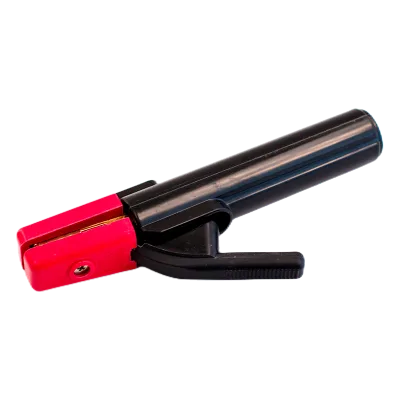
American Electrod Holder 800A/600A Electrode Holder/Welding Electrode Holder
$1.88 - $2.15
MOQ: 500 Pieces



Comprehensive Sourcing Guide
CE Certified Electrode Holder Sourcing Guide
Procuring a CE Certified Electrode Holder requires distinguishing between general welding accessories and specific industrial-grade tools designed for high-current applications. The observed market data indicates a diverse range of models, such as the ET-001 through ET-004 series, which vary significantly in amperage ratings from 300A up to 1000A. Buyers must carefully match the specific amperage requirements of their welding processes, such as 300A, 500A, or 800A, to the listed product specifications to ensure operational safety and efficiency.
Verification of the physical construction is equally critical, as materials like copper and brass are commonly cited for their superior conductivity and heat resistance. The observed listings show weights ranging from 0.4kg to 0.45kg for standard handheld units, with lengths typically between 23cm and 29cm. Sourcing decisions should prioritize units that explicitly state their material composition and weight, ensuring the tool is robust enough for the intended electrode sizes, which can range from 2.5mm to 6.0mm in diameter.
Product Scope and Observed Listing Signals
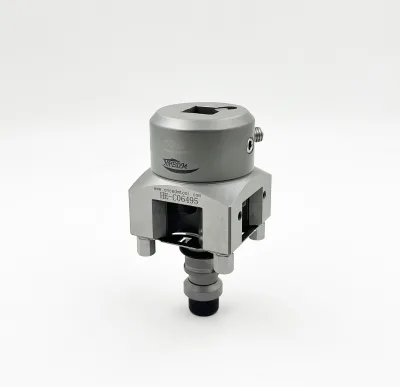
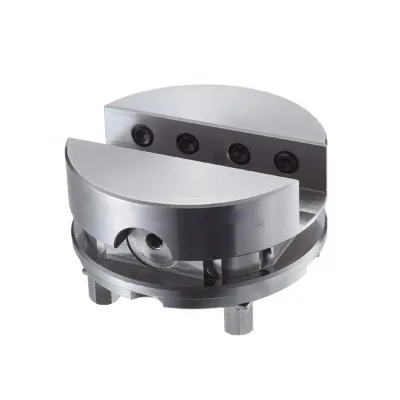
The product scope for these holders extends beyond simple handheld units to include specialized equipment for industrial melting furnaces, which operate under different constraints. While standard electrode holders are designed for manual arc welding, the market also features heavy-duty units with dimensions like 1000*1500mm and raw materials such as scrap steel iron. Buyers must clearly define whether they need a standard welding accessory or a component for a larger melting furnace system to avoid purchasing incompatible equipment.
Listing signals often reveal the customization capabilities available to the buyer, with many suppliers offering tailored lengths, colors, and logos. The data shows that customization is available for dimensions, surface treatments, and packaging, allowing for specific industrial requirements. However, buyers should note that some listings include unrelated attributes like coal fuel or specific voltage ratings, which may indicate a broader product catalog rather than a specific electrode holder feature, necessitating careful filtering of search results.
Technical Specifications to Verify
Technical verification must begin with the amperage rating, as the observed data lists multiple current capacities including 300, 400, 500, 600, 800, and 1000 AMPS. A buyer must confirm that the specific model selected can safely handle the maximum current output of their welding power source without overheating or failing. The distinction between a 500A unit and an 800A unit is significant, as the internal conductor size and thermal management differ, directly impacting the longevity and safety of the tool during continuous operation.
Physical dimensions and weight are the next critical verification points, as the observed lengths vary from 23cm to 28.5cm and weights from 280g to 500g. These factors influence operator fatigue and maneuverability, particularly in confined spaces or overhead welding positions. Buyers should cross-reference the listed length and weight against the specific electrode sizes they intend to use, ensuring the holder provides a secure grip for electrodes ranging from 2.5mm to 6.0mm without compromising the welder's control or precision.
Compliance and Safety Documentation
Compliance documentation is a primary requirement for international procurement, with CE and CCC certifications appearing frequently in the observed product listings. These certifications indicate that the product meets specific European and Chinese safety standards regarding electrical insulation and mechanical durability. Buyers should request valid certification documents for the specific model number, such as ET-002 or ET-004, to ensure the unit has undergone the necessary testing for electrical safety and material integrity before deployment.
Beyond basic certifications, additional standards like ISO, RoHS, and TUV may be present, offering further assurance of environmental compliance and quality management. The presence of these certifications suggests a higher level of manufacturing rigor, particularly for units intended for industrial applications where safety regulations are strict. Procurement teams must verify that the certification covers the specific product variant being purchased, as some listings may claim broad compliance while specific models lack the necessary testing for high-amperage operations.
Cost Drivers and Commercial Terms
Cost drivers in this category are heavily influenced by the material composition, with copper and brass being the primary conductive materials cited in the listings. Higher-grade copper content generally correlates with better conductivity and heat dissipation, which can justify a higher price point compared to units using mixed brass or iron alloys. Buyers should analyze the material specifications to understand the value proposition, as the raw material cost directly impacts the durability and performance of the electrode holder under heavy load.
Commercial terms such as Minimum Order Quantity (MOQ) and packaging requirements also significantly affect the total cost of ownership. The observed MOQ ranges from 1 to 1200 units, allowing for flexibility in procurement volume, while packaging varies from simple carton boxes to wooden cases with wilding film for heavy-duty transport. Buyers must factor in these logistical costs and volume constraints when negotiating, ensuring that the unit price aligns with the required order quantity and that the packaging protects the product during international shipping.
Supplier Qualification and Quality Control
Supplier qualification should focus on the manufacturer's ability to provide consistent quality control and after-sales support, as indicated by the one-year defects liability period observed in the data. A reliable supplier will offer clear warranties and responsive service channels, ensuring that any manufacturing defects are addressed promptly to minimize downtime. The presence of after-sales service guarantees suggests a commitment to product reliability, which is essential for maintaining continuous production schedules in industrial welding environments.
Quality control processes must also be verified through the supplier's adherence to production standards and surface treatment methods. The observed listings mention natural surface treatments and customized options, which can affect the corrosion resistance and grip of the tool. Buyers should inquire about the specific manufacturing processes used to ensure that the copper or brass components are properly treated and assembled, preventing issues like loose connections or premature wear that could compromise safety during high-current welding operations.
Long-Term Procurement Checks
Long-term procurement checks should include regular audits of the supplier's ability to maintain consistent product specifications over time. As the market offers various models with different amperage ratings and dimensions, buyers must ensure that the supplier can consistently deliver units that match the original technical requirements without deviation. This consistency is vital for maintaining safety standards and operational efficiency, especially when replacing worn-out tools or expanding welding operations.
Finally, buyers should establish a protocol for monitoring the performance of the electrode holders in actual field conditions to validate the initial specifications. Tracking metrics such as heat buildup, grip security, and electrode compatibility will provide real-world data on the product's durability. This feedback loop allows for informed decisions regarding future orders, ensuring that the selected models continue to meet the evolving needs of the welding team and the specific demands of the industrial application.
FAQs
What certifications do the electrode holders have?
The electrode holders carry CCC, CE, ISO, RoHS, and TUV certifications. These marks confirm compliance with international safety and quality standards for industrial welding applications. Buyers can verify these documents directly from the supplier to ensure regulatory adherence for their specific region.
Which amperage ratings are available for these holders?
Available amperage ratings include 300, 400, 500, 600, 800, and 1000 amps depending on the specific model. The product list shows options like 500A and 800A for different welding tasks. Select the correct rating based on your electrode size and welding current requirements.
Can I request custom sizes for the electrode holder?
Yes, customization is available for dimensions and specifications. The product page lists options for custom sizes and logos, allowing buyers to tailor the tool to their specific workflow. Contact the supplier to discuss your unique requirements for length, weight, or material composition.
What materials are used to manufacture these holders?
Manufacturers use copper, brass, and iron for these electrode holders. The material choice affects conductivity and durability during heavy-duty welding operations. Some models combine brass and iron to balance performance with cost efficiency for various industrial applications.
How long is the warranty period for these products?
All accessories come with a one-year defects liability period. This guarantee covers manufacturing faults and ensures reliability for industrial users. Buyers should retain proof of purchase to claim repairs or replacements within this defined warranty timeframe.
What is the typical weight of the electrode holder?
The weight ranges from 0.4kg to 0.45kg for standard models. Some variations may weigh between 280g and 500g depending on the specific design and material composition. This lightweight design helps reduce operator fatigue during extended welding sessions.
Where are these products manufactured and shipped from?
Products originate from China, with specific manufacturing locations in Shaanxi. The origin ensures access to established supply chains for industrial welding equipment. Buyers can expect shipping from these regions with standard lead times for international orders.