Source CE Certified Emergency Funeral Stretcher for Transfer, Care, and Transport
Find 30 CE Certified Emergency Funeral Stretcher options for transferring patients, providing first-aid care, and funeral transport. Compare specifications from suppliers in Ningbo and Jiangsu, China, with customizable features and warranty periods.
Key considerations
Products List

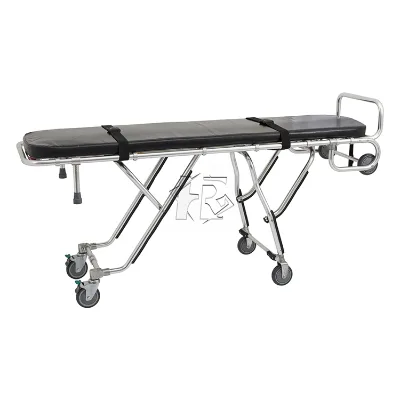
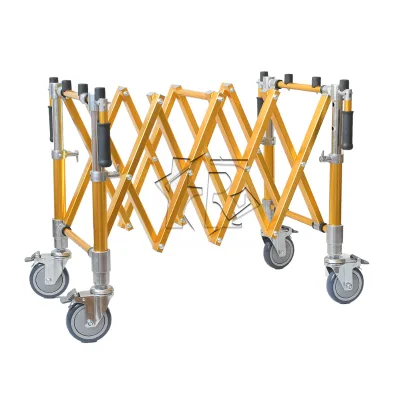
$157.66 - $193.25
MOQ: 5 Minimum
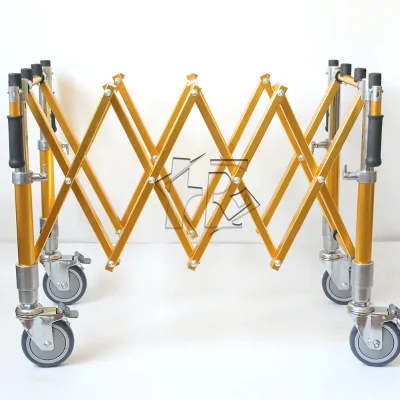


Funeral Products Casket Church Truck Mortuary Supplier Coffin Transport Trolley
$180.00 - $230.00
MOQ: 1 Pieces
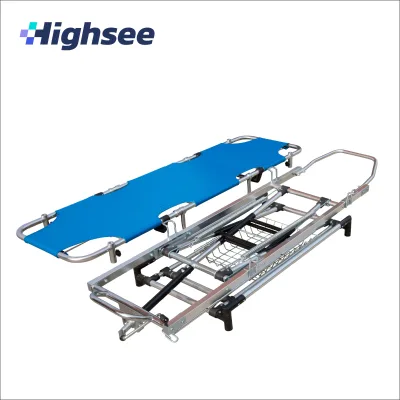


Corpse Transport Stretcher Funeral Supplies Mortuary Transport Equipment
$1600.00 - $1800.00
MOQ: 1 Pieces


Comprehensive Sourcing Guide
Strategic Sourcing Guide for CE Certified Emergency Funeral Stretchers
Understanding Product Classification and Technical Specifications
When sourcing a CE Certified Emergency Funeral Stretcher, buyers must first distinguish between the specific functional categories available in the market. The product landscape includes devices designed for the transfer of fractured and serious patients, as well as specialized units intended for funeral accessories and mortuary use. A critical observation in the current supply base is the variation in instrument classification. While some units are classified as Class I medical devices, others are categorized under first-aid devices or general funeral accessories. This distinction dictates the regulatory pathway and the intended use environment.
The technical specifications of these stretchers vary significantly based on their primary function. For units designed for patient transfer, the material composition is predominantly aluminum alloy, chosen for its balance of durability and weight. The power source for many of these specialized units is manual, requiring human operation for movement and adjustment. In contrast, specific funeral church trucks or trolleys may feature flexible frames designed for ease of handling. The dimensions of the single package size can range widely, with some mortuary stretchers measuring approximately 198x62x34 cm, while coffin trolleys may be packaged at 60x18x82 cm. Weight is another critical specification; some units have a single gross weight of 34 kg, whereas lighter funeral trolleys may weigh as little as 15 kg. Buyers should verify the loading weight capacity, as some funeral trolleys are rated for a maximum of 400 kg, ensuring they can safely support the intended load during transport.
Compliance Verification and Certification Standards
The core keyword "CE certified" implies a mandatory adherence to European Union safety standards, but buyers must look beyond the mere presence of the mark. The supply data indicates that products often carry certificates such as CE, ISO9001, and ISO13485. It is essential to understand that ISO13485 is a specific quality management standard for medical devices, while ISO9001 is a general quality management standard. The presence of these certifications suggests a manufacturer's commitment to quality control systems, but the buyer must verify the validity of these certificates for the specific model being purchased.
Compliance checks should also address the sterilization status of the product. Many of the observed products are listed as "Without Ethylene Oxide Sterilization." This is a crucial detail for emergency and funeral applications, as it affects the logistics of receiving and deploying the equipment. If a buyer requires a sterile unit for immediate medical use, they must explicitly confirm if the standard offering meets this requirement or if post-purchase sterilization is necessary. Furthermore, the instrument classification as Class I suggests that these devices are generally low-risk, but the regulatory requirements for Class I devices in the EU still necessitate a Declaration of Conformity. Buyers should request this documentation to ensure the CE marking is legitimate and not merely a marketing claim.
Cost Drivers and Pricing Dynamics
The pricing structure for CE certified emergency funeral stretchers is influenced by several factors, including material costs, customization levels, and supply chain logistics. The observed price range in the market spans from $0.10 to $1,900, a wide variance that reflects the diversity of product types. Lower-priced items often correspond to basic coffin trolleys or simple funeral accessories, while higher-priced units likely include complex mechanical features, advanced aluminum alloy constructions, or specific customization options.
Material costs play a significant role in pricing. Aluminum alloy is a premium material compared to standard steel or plastic, contributing to a higher unit cost but offering benefits in weight reduction and corrosion resistance. The supply ability of manufacturers also impacts pricing; a supplier with a capacity of 3,000 sets per month may offer different volume discounts compared to one with a capacity of 1,000 sets per week. Additionally, the packaging details, such as the use of carton boxes, add to the overall cost, particularly if the packaging is designed to protect the product during long-distance shipping from ports like Shanghai or Ningbo. Buyers should note that the minimum order quantity (MOQ) can range from 1 piece to 200 units, which significantly affects the per-unit cost. Smaller orders often incur higher per-item prices due to fixed setup and logistics costs.
Typical Applications and Operational Requirements
The operational context for these stretchers is diverse, ranging from emergency medical response to funeral service logistics. For emergency applications, the stretcher must be capable of transferring fractured and serious patients efficiently. The manual power source is often preferred in these scenarios to ensure reliability in environments where electricity may be unavailable. The lightweight nature of aluminum alloy frames facilitates rapid deployment and maneuvering in tight spaces, such as ambulances or narrow corridors in funeral homes.
In the funeral sector, the applications shift towards the dignified transport of the deceased. Products labeled as "Multilevel funeral stretcher" or "Coffin trolly" are designed for this purpose. These units often feature specific styles, such as the American Style, and come in various colors including silver, golden, brown, blue, and bronze. The color customization is a key feature for funeral homes that wish to match their branding or the preferences of the family. The usage of these units is strictly defined as funeral accessories or first-aid appliances, depending on the specific model. The loading capacity of up to 400 kg for certain trolleys ensures they can handle heavy coffins or multiple caskets, providing stability during transport. Buyers must align the product's specific usage designation with their operational needs to avoid purchasing equipment that is either over-engineered or insufficient for the task.
Supplier Evaluation and Supply Chain Logistics
Evaluating suppliers requires a focus on their geographic location, production capacity, and after-sales support. The supply data indicates that many manufacturers are based in Jiangsu or Ningbo, China, with dispatch ports in Shanghai. This concentration in the Yangtze River Delta region suggests a mature supply chain for medical and funeral equipment. Buyers should verify the port of loading, as this affects shipping times and costs. The supply ability of manufacturers varies, with some capable of producing 3,000 sets per month, while others may have weekly capacities of 1,000 sets. This capacity determines the supplier's ability to handle large orders or urgent requests.
After-sales service is another critical evaluation criterion. The market offers online technical support as a standard service, which is vital for troubleshooting mechanical issues or maintenance queries. The warranty period is typically one year, though some products may offer a two-year guarantee. Buyers should clarify the scope of the warranty, including whether it covers parts, labor, or shipping costs for returns. Additionally, the availability of OEM (Original Equipment Manufacturer) services allows buyers to customize branding, such as logo printing. However, it is important to note that many standard products are listed as "Without Logo Printing," meaning customization may require a specific order or higher MOQ. The selling units are typically single items, but bulk purchasing options may be available depending on the supplier's policy.
Quality Control and Long-Term Procurement Considerations
Quality control in the procurement of these stretchers involves rigorous inspection of materials, assembly, and final packaging. The use of aluminum alloy must be verified to ensure it meets the required strength and weight specifications. The single gross weight of the product, often listed as 34 kg or 16 kg, serves as a baseline for quality verification; significant deviations may indicate substandard materials or assembly errors. Packaging details, such as the use of carton boxes, must be robust enough to protect the product during transit, especially given the single package sizes which can be quite large.
For long-term procurement, buyers should consider the availability of spare parts and the durability of the product. The feature set, such as a flexible frame or lightweight design, should be maintained over the product's lifecycle. The warranty period of one or two years provides a baseline for expected durability, but buyers should assess the manufacturer's track record for product longevity. Customization options, including color and size, should be evaluated for their impact on long-term maintenance and compatibility with existing equipment. Finally, the certification status, including CE and ISO standards, should be re-verified periodically to ensure ongoing compliance with changing regulations. By focusing on these quality and long-term factors, buyers can secure a reliable supply of CE certified emergency funeral stretchers that meet their operational and regulatory needs.
FAQs
What certifications do these stretchers carry?
These stretchers carry CE and ISO certifications, including ISO9001 and ISO13485. Buyers should verify the validity of these certificates for the specific model to ensure compliance with European Union safety standards.
How are these units powered during operation?
Most of these specialized units operate with a manual power source, requiring human operation for movement. This design ensures reliability in environments where electricity may be unavailable during emergency transfers or funeral logistics.
Can buyers customize the color and size?
Customization is available for both color and size, with options like silver, golden, or brown. However, standard products often come without logo printing, so specific branding requests may require a distinct order or higher minimum quantity.
What is the typical warranty period offered?
The warranty period is typically one year, though some products may offer a two-year guarantee. Buyers should clarify the scope of the warranty to understand if it covers parts, labor, or shipping costs for returns.
Which materials are used for the frame construction?
The frames are predominantly constructed from aluminum alloy, chosen for its durability and weight balance. This material contributes to the lightweight nature of the units, facilitating rapid deployment and maneuvering in tight spaces.
How are the products packaged for shipping?
Products are packaged in carton boxes designed to protect the equipment during long-distance shipping. The single package sizes vary, with mortuary stretchers measuring approximately 198x62x34 cm and coffin trolleys at 60x18x82 cm.
What is the minimum order quantity for purchase?
The minimum order quantity ranges from 1 piece to 200 units depending on the supplier policy. Smaller orders often incur higher per-item prices due to fixed setup and logistics costs associated with the manufacturing process.