Source CE Certified Embroidered Plush Toy for gifts, decor, and events
Explore 30 listings for CE Certified Embroidered Plush Toy options featuring custom logos and various animal designs. Buyers can compare specifications like size, material, and certification details to find suitable suppliers for bulk orders.
Key considerations
Products List


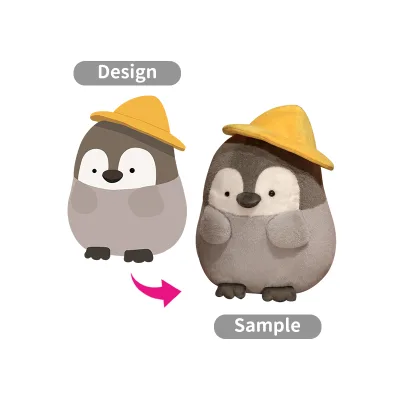


$0.95 - $2.98
MOQ: 500 Pieces


Comprehensive Sourcing Guide
Strategic Sourcing Guide for CE Certified Embroidered Plush Toys
Navigating the global market for CE certified embroidered plush toys requires a disciplined approach that balances aesthetic customization with rigorous safety compliance. For B2B buyers, the distinction between a generic stuffed animal and a certified product lies in the verification of specific standards and the transparency of the supply chain. This guide synthesizes available product attributes and compliance frameworks to assist procurement professionals in identifying reliable suppliers and defining precise technical requirements. The focus remains on evidence-based evaluation, ensuring that every claim regarding safety, material, and production capability is grounded in verifiable data rather than marketing assertions.
Defining Technical Specifications and Customization Capabilities
The foundation of a successful procurement strategy for plush toys begins with a clear definition of technical specifications. In the current market, products often vary significantly in size, material composition, and interaction modes. Buyers must distinguish between static plush items and those featuring electronic interaction. For instance, some product listings indicate an "Electronic Interaction" mode with "Light Changes," suggesting a more complex manufacturing process that integrates electronics with soft materials. Conversely, traditional plush toys rely on the tactile properties of the material itself.
Material selection is paramount. The primary material observed in high-quality listings is cotton, which offers a soft texture and is generally preferred for items intended for younger demographics. However, the specific application of the material must align with the target age group. Products designated for infants aged "0-3 Months" require stricter material safety protocols compared to those marked for "All Ages" or "All Years." The physical dimensions are equally critical; specifications range from "Medium" to "Large," with specific dimensions noted as "634558cm" for certain models. Buyers should verify that the "Plush Length" and overall "Modelling Source" (whether animals or custom designs) match the intended product line.
Customization is a dominant feature in this sector. Suppliers frequently offer options for "Print, Embroider or Customized" logos, allowing brands to integrate their identity directly into the product. The "Logo" attribute can be applied via printing or embroidery, with specific models like "RT250701" and "TB-1107" demonstrating these capabilities. Furthermore, the "Animal Type" can be customized, ranging from specific representations like "Bear" or "Monkey" to generic "Sitting Animal" styles. The "Style" of the plush, such as "Sitting Animal," dictates the internal stuffing and structural integrity required. Buyers must ensure that the "Custom Made" standard aligns with their design briefs, as some suppliers offer fully bespoke sizing and modeling sources, while others provide standardized templates.
Compliance Frameworks and Certification Verification
Compliance with safety standards is the most critical filter in the sourcing process for toys, particularly those bearing the CE mark. The CE certification indicates conformity with health, safety, and environmental protection standards for products sold within the European Economic Area. In the context of plush toys, this involves a rigorous assessment of mechanical and physical properties, flammability, and chemical composition.
The specific standards referenced in reliable product data include CE, ASTM F963, EN71, CPSIA, and REACH. These are not merely labels but represent distinct regulatory frameworks. EN71 is the European standard for toy safety, covering mechanical and physical properties, flammability, and chemical migration. ASTM F963 is the corresponding American standard, often required for products entering the US market. The presence of CPSIA (Consumer Product Safety Improvement Act) and REACH (Registration, Evaluation, Authorization and Restriction of Chemicals) indicates a comprehensive approach to chemical safety, ensuring that dyes, glues, and fillings do not contain harmful substances.
Buyers must verify that the "Certification" listed on a supplier's product page is valid and current. Some listings explicitly state "Certificate: CE, ASTM F963, En71," while others may list "CE, EN71, ASTM, CPSIA, REACH." It is essential to understand that the presence of a certification claim does not automatically guarantee compliance for every batch. Buyers should request valid test reports from independent laboratories that correspond to the specific product model, such as "TB-1171" or "Interaction Toy-073N." The "Technical" aspect of the product, described as "Hand-made" in some instances, introduces variability that must be managed through strict quality control to maintain certification integrity.
Cost Drivers and Minimum Order Quantity Analysis
Understanding the cost structure of plush toys is essential for budgeting and negotiation. The observed price range in the market spans from $0.5 to $9 USD, a wide variance that reflects differences in size, material quality, and complexity. Factors influencing the unit price include the "Material" cost (e.g., premium cotton vs. synthetic blends), the intricacy of the "Embroidery" or printing, and the inclusion of electronic components for interactive models.
Minimum Order Quantity (MOQ) is a significant constraint in B2B procurement. Data indicates a wide range of MOQs, from as low as 1 unit to as high as 10,000 units. Some suppliers set a standard MOQ of 500 pieces, while others may require 10,000 pieces for custom orders. This variation often correlates with the level of customization; highly bespoke items like "Custom Made" designs with specific "Animal Type" and "Style" may command higher MOQs to justify the setup costs. Buyers must align their order volume with the supplier's MOQ to avoid excessive per-unit costs or production delays.
Additional cost drivers include packaging and logistics. The "prod_packing" can vary from "Each Packed in a Polybag" to "1 PC/Polybag, 40 PCS/Carton." The choice of packaging affects the shipping volume and, consequently, the freight cost. Furthermore, the "Production Time" and "Sample Time" are critical financial factors. Sample times typically range from 5 to 8 days, with some suppliers offering a 7-day turnaround. Production lead times can extend from 25 to 35 days. These timelines must be factored into the total landed cost, as expedited shipping or rush fees may be necessary to meet launch deadlines.
Typical Applications and Target Demographics
The application of CE certified embroidered plush toys varies widely based on the target demographic and the specific product features. For infants aged "0-3 Months," the primary application is sensory development and comfort. These products must adhere to the strictest safety standards, with a focus on non-toxic materials and secure construction to prevent choking hazards. The "Interaction Type" for these items is often passive, relying on soft textures and visual contrast rather than electronic features.
For older children and "All Ages" demographics, the applications expand to include educational tools, collectibles, and promotional merchandise. Products with "Electronic Interaction" and "Light Changes" are designed to engage older children, offering a more dynamic play experience. The "Animal Type" and "Style" play a crucial role here; a "Teddy Bear" in a "Sitting Animal" style is a classic choice for gifts, while a "Monkey" or other specific animal types might be used for themed campaigns or character-based licensing.
Promotional use is another significant application. The ability to have a "Logo" printed or embroidered allows brands to create custom merchandise for events, corporate gifts, or marketing campaigns. The "Custom Made" standard supports this, enabling companies to create unique plush toys that reflect their brand identity. The "Names of Animals" and "Modelling Source" can be tailored to match specific marketing narratives, making the plush toy a versatile tool for brand engagement.
Supplier Evaluation and Operational Due Diligence
Evaluating a supplier for plush toy production requires a multi-faceted approach that goes beyond price and lead time. Buyers should assess the supplier's capacity to handle "Custom Made" requests and their track record with specific certifications. The "prod_model" number, such as "TB-1107" or "TB-1171," can serve as a reference point for verifying the supplier's experience with similar products. A supplier that consistently lists "CE, EN71, ASTM, CPSIA, REACH" certifications demonstrates a commitment to international safety standards.
Operational capabilities are equally important. The "Sample Time" of 5-8 days indicates a responsive production environment, while a "Production Time" of 25-35 days suggests a robust manufacturing pipeline. Buyers should verify the "Shipping" options, which may include "Ocean / Air" freight, and check if "Door to Door Service" is available to streamline logistics. The "Cleaning Method" is another operational consideration; products marked "Do Not Wash" require specific care instructions for the end-user, which must be clearly communicated on the packaging.
Transparency in the supply chain is vital. The "prod_origin" being listed as "China" is common, but buyers should verify the specific factory location and audit the facility for labor standards and environmental compliance. The "Technical" aspect, such as "Hand-made" production, implies a higher level of craftsmanship but also introduces potential variability. Buyers should request samples to evaluate the consistency of the embroidery and the quality of the stitching.
Quality Control Protocols and Long-Term Procurement
Establishing a robust quality control (QC) protocol is essential for maintaining product integrity over time. Given the "Hand-made" nature of some plush toys, visual inspection is critical to ensure that embroidery is secure, stuffing is evenly distributed, and there are no loose threads or sharp edges. For products with electronic components, functional testing is necessary to verify that "Light Changes" and "Electronic Interaction" operate correctly and safely.
Long-term procurement considerations involve building a sustainable relationship with suppliers. Buyers should negotiate terms that allow for flexibility in order quantities and lead times, especially for seasonal products. The "Packing" specifications, such as "Per Toy Size and Request From Client," should be standardized to ensure consistency across batches. Regular audits and re-testing of products are recommended to ensure ongoing compliance with "CE, EN71, ASTM" standards, as regulations can evolve.
Furthermore, buyers should consider the environmental impact of their procurement. The "Material" choice, such as cotton, can be sourced sustainably, and the "Packing" should minimize waste. The "Customization" options should be leveraged to create durable products that reduce the need for frequent replacement. By focusing on quality and compliance, buyers can ensure that their plush toy products meet the high expectations of consumers and regulatory bodies alike.
Summary of Key Procurement Parameters
To facilitate quick decision-making, the following table summarizes the key parameters observed in the market for CE certified embroidered plush toys. This data serves as a reference for defining requirements and evaluating supplier proposals.
| Parameter | Observed Range / Options | Verification Requirement |
|---|---|---|
| Certifications | CE, EN71, ASTM F963, CPSIA, REACH | Request valid third-party test reports per model. |
| MOQ | 1 to 10,000 units | Confirm alignment with order volume and budget. |
| Sample Time | 5 to 8 days | Verify feasibility for project timelines. |
| Production Time | 25 to 35 days | Plan for lead time in supply chain scheduling. |
| Material | Cotton, Synthetic blends | Verify material safety and softness. |
| Logo Application | Print, Embroider, Customized | Ensure brand guidelines are met. |
| Age Group | 0-3 Months, All Ages, All Years | Match product design to safety standards for age. |
| Packing | Polybag, Carton (40 PCS) | Confirm packaging efficiency and protection. |
| Origin | China | Verify factory location and audit status. |
By adhering to these evidence-based guidelines, buyers can navigate the complexities of the plush toy market with confidence, ensuring that their procurement decisions are grounded in safety, quality, and commercial viability.
FAQs
What certifications do these plush toys have?
The products hold CE, EN71, ASTM F963, CPSIA, and REACH certifications. These standards ensure safety for mechanical properties, flammability, and chemical composition in both European and American markets.
Can I customize the logo on the toy?
Yes, the logo can be printed, embroidered, or customized to your design. Suppliers offer these options for models like RT250701 and TB-1107 to help brands integrate their identity directly into the product.
What is the minimum order quantity for these items?
The minimum order quantity varies, with observed values ranging from 500 to 10,000 pieces depending on the specific model and customization level. Buyers must align their order volume with the supplier's specific MOQ requirements.
How long does it take to get a sample?
Sample times typically range from 5 to 8 days, with some suppliers offering a 7-day turnaround. This allows buyers to verify quality and design before committing to a larger production run.
What materials are used to make these plush toys?
The primary material observed is cotton, which provides a soft texture suitable for various age groups. Some interactive models may include electronic components for light changes while maintaining a cotton exterior.
Where are these products manufactured?
The products originate from China, which is a common location for this type of manufacturing. Buyers should verify specific factory details and audit facilities for labor standards and environmental compliance.
What is the production lead time for bulk orders?
Production time generally spans 25 to 35 days for bulk orders. This timeline must be factored into total landed costs, as expedited shipping may be necessary to meet launch deadlines.