Source CE Certified LED Showcase Shelf for Retail, Hotels, and Exhibitions
Find and compare CE Certified LED Showcase Shelf options from verified suppliers. With 30 products available, buyers can evaluate features like powder coating, custom sizes, and LED lighting solutions for retail, hotel, and exhibition applications.
Key considerations
Products List


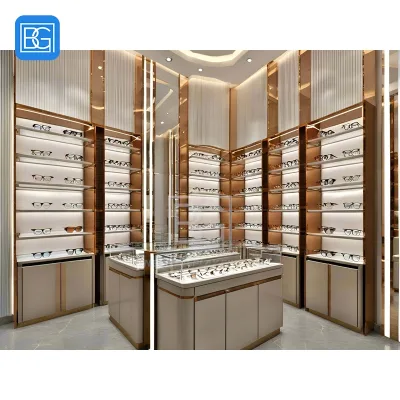
LED Lighting Showcase Metal Showroom Display Shelves for Customized Brand Shop
$210.00 - $228.00
MOQ: 20 Sets


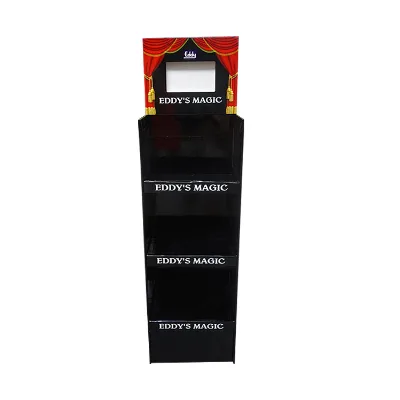
Customized Electronic Products Glass Showcase Display Shelf Cabinet with Pulley
$299.00 - $499.00
MOQ: 1 Pieces






Comprehensive Sourcing Guide
Strategic Sourcing Guide for CE Certified LED Showcase Shelving
Understanding the Product Landscape and Core Attributes
When initiating a procurement strategy for LED showcase shelving, buyers must first distinguish between general display units and specialized retail fixtures that integrate illumination. The core keyword "CE Certified LED Showcase Shelf" implies a product that not only provides structural support for merchandise but also incorporates electrical components for lighting, adhering to specific European safety directives. Based on current market observations, these units are frequently categorized by their material composition, which ranges from glass to metal, and their functional design, such as freestanding or built-in configurations.
The product attributes observed in the current supply base indicate a strong prevalence of metal and glass construction. Metal units often feature powder-coated finishes to ensure durability and aesthetic consistency, while glass components are utilized for ornaments or transparent shelving to maximize product visibility. A critical distinction in this category is the integration of lighting solutions. Products are frequently described as having "LED Light" features, with specific mentions of LED spotlights, ceiling lights, and circuitry design services. This suggests that the "LED" aspect of the keyword is not merely an add-on but a central functional requirement for the showcase.
Furthermore, the customization capabilities of these units are extensive. Buyers can expect options for customized logos via silk-screening, UV printing, or engraving. The production models available in the market, such as GND-MD-POP181 and RD-M011, demonstrate that manufacturers offer specific configurations tailored to different environments, from exhibition halls to home use. The "CE certified" requirement specifically targets the electrical safety of the integrated lighting and power systems, ensuring that the voltage, insulation, and circuitry meet the Low Voltage Directive (LVD) and Electromagnetic Compatibility (EMC) standards required for the European market.
Technical Specifications and Design Parameters
A rigorous evaluation of technical specifications is essential to ensure the showcase shelf meets operational needs. The physical dimensions of these units are rarely standardized; instead, the "Size" is often listed as "Customized." This flexibility allows buyers to design shelving that fits specific retail floor plans or exhibition booth dimensions. However, this customization requires precise communication of requirements regarding the "Power Cord Exit," which is observed to be at the bottom in many models, facilitating a clean aesthetic and reducing tripping hazards.
The structural integrity of the showcase is another critical technical parameter. For freestanding units, the "Max Weight Capacity" is a vital metric, with observed data indicating capacities up to 300.0 lbs. This capacity is achieved through robust construction methods, such as CNC machining for metal components, which ensures high precision in tolerances, often cited as +/-0.10mm. The surface treatment processes, including powder coating, painting, varnishing, and polishing, play a significant role in the longevity and appearance of the unit. These finishes protect the metal from corrosion and wear, which is particularly important for units intended for high-traffic areas like supermarkets or specialty stores.
Electrical specifications are equally important. The "Lighting Solutions Service" often includes the design of lighting and circuitry, suggesting that the electrical engineering is integrated into the product development phase. Accessories such as power cables, acrylic illumination, and secure locks are standard inclusions. The "Antitheft" feature varies by model; some units are explicitly marked as "Antitheft" with secure locks, while others are "Not Antitheft." Buyers must verify the specific locking mechanisms and security features required for their inventory value. The "Style" of the units also varies, ranging from Modern to European, influencing the overall aesthetic of the retail space.
Compliance, Certification, and Regulatory Verification
The requirement for "CE certification" is a non-negotiable aspect of sourcing LED showcase shelving for the European market. The CE mark indicates conformity with health, safety, and environmental protection standards for products sold within the European Economic Area. For LED showcase shelves, this certification primarily covers the electrical components, including the LED drivers, wiring, and the power supply system. It ensures that the product does not emit excessive electromagnetic interference and operates safely under the Low Voltage Directive.
While the provided context lists "CE" as a low-confidence background fact, it is crucial for buyers to understand that certification is not automatic. Buyers must request specific documentation from suppliers to verify the validity of the CE mark. This documentation typically includes a Declaration of Conformity (DoC) and test reports from accredited laboratories. The context also mentions other standards such as EN, GB, and EN12966, which may apply to specific structural or safety aspects of the shelving. However, the primary focus for the "CE certified" keyword remains on the electrical safety of the lighting integration.
Buyers should be aware that "CE" is a self-declaration for many products, but for complex electrical assemblies, third-party testing is often recommended. The presence of certifications like RoHS and ISO 9001, while noted in background data, should be verified on a case-by-case basis. RoHS compliance ensures that the product does not contain hazardous substances, which is increasingly a legal requirement in many jurisdictions. ISO 9001 certification indicates that the manufacturer has a quality management system in place, which can be a proxy for consistent production quality. However, the absence of these specific certifications in the high-confidence facts does not disqualify a supplier; rather, it necessitates a more thorough due diligence process to confirm their existence and validity.
Cost Drivers and Pricing Dynamics
The pricing of LED showcase shelving is influenced by a complex interplay of factors, including material costs, customization levels, and the complexity of the electrical integration. The observed price range in the market is vast, spanning from $0.50 to $10,000. This wide disparity reflects the difference between small, simple display units and large, fully customized retail fixtures with advanced lighting systems.
Material selection is a primary cost driver. Units constructed from high-grade metal with powder-coated finishes and integrated LED systems will command a higher price than those made from basic materials. The "Customized" nature of the product means that every change in size, finish, or lighting configuration can impact the final cost. For instance, adding "Acrylic Illumination" or specific "Secure Locks" will increase the bill of materials. Additionally, the "Surface Treatment" process, such as CNC machining for precise tolerances, adds to the manufacturing cost compared to standard stamping or welding techniques.
Lead times and production volumes also affect pricing. The observed production lead time ranges from 3-15 days for samples to 25-40 days for full production. Longer lead times often correlate with more complex customization or larger order volumes. The "MOQ" (Minimum Order Quantity) is another factor, with ranges observed from 1 to 500 units. Suppliers often offer better unit pricing for orders that meet or exceed their MOQ thresholds. The "Small Quantity Accepted" attribute suggests that some suppliers are flexible, but buyers should be prepared for higher per-unit costs on smaller orders.
Typical Applications and Usage Scenarios
The versatility of LED showcase shelving allows it to be deployed in a wide array of environments. The observed usage categories include "Exhibition Show," "Speciality Stores," "Supermarkets and Stores," and "Home." This broad applicability means that the same product line can serve different market segments, from temporary trade show displays to permanent retail installations.
In "Exhibition Halls" and "Speciality Stores," the focus is often on highlighting specific products, such as ornaments or high-value items. The "LED Light" feature is crucial here, as it draws attention to the merchandise and enhances its visual appeal. The "Freestanding" type of unit is particularly suitable for these environments, as it can be easily repositioned or configured to fit the layout of the event or store.
For "Home" applications, such as "Living Room," "Bedding Room," or "Dining Room," the aesthetic design becomes more important. The "Modern" or "European" styles observed in the product attributes cater to these residential needs. The "Antitheft" feature may be less critical in home settings but remains a valuable option for high-value items. In "Office" and "School" environments, the durability and functionality of the unit are paramount. The "Heavy Duty" and "Eco-Friendly" features mentioned in the product attributes make these units suitable for high-traffic institutional settings.
Supplier Evaluation and Quality Control Protocols
Selecting the right supplier is critical for ensuring that the LED showcase shelves meet quality and safety standards. Buyers should evaluate suppliers based on their ability to provide "Product Design" and "Project Solution Provider" services. This indicates that the supplier is not just a manufacturer but a partner capable of understanding and executing complex design requirements. The "OEM/ODM" acceptance is a key indicator of a supplier's flexibility and capability to customize products according to specific buyer needs.
Quality control should be a central part of the procurement process. Buyers should verify the "Surface Treatment" processes and the precision of the "CNC Machining." The tolerance of +/-0.10mm is a specific metric that indicates a high level of manufacturing precision. For electrical components, buyers must ensure that the "Lighting Solutions Service" includes rigorous testing of the circuitry and LED drivers. The "Sample Time" of 10-15 days allows buyers to evaluate the quality of the product before committing to a full production run.
Packaging is another aspect of quality control. The observed packaging methods, such as "EPE Cotton+Bubble Pack+Corner Protector +Craft Pap," demonstrate a commitment to protecting the product during transit. For larger units, a "Full Assembly Package" may be required to ensure that the shelving arrives in perfect condition. Buyers should also verify the "Condition" of the product, which is typically listed as "New," and ensure that all accessories, such as "Power Cables" and "Secure Locks," are included.
Long-Term Procurement and Maintenance Considerations
Sourcing LED showcase shelving is not just a one-time transaction but a long-term investment. Buyers should consider the maintenance requirements of the integrated lighting systems. The "LED" technology is generally energy-efficient and long-lasting, but the drivers and wiring still require periodic inspection. The "Customized" nature of the product means that spare parts may need to be ordered specifically, so buyers should establish a relationship with the supplier for future support.
The "Eco-Friendly" and "Recyclable" features of the units are increasingly important for sustainability goals. Buyers should verify the materials used and the end-of-life disposal options for the shelving. The "Powder Coated" finish is a durable option that reduces the need for repainting or refinishing, thereby lowering long-term maintenance costs.
Finally, the "Shipment" options, including "Ocean Shipping," "Airlift," and "Express," should be evaluated based on the urgency of the project and the cost implications. For large orders, ocean shipping is often the most cost-effective option, while express shipping may be necessary for urgent sample deliveries. The "Production Lead Time" of 25-40 days for production should be factored into the project timeline to avoid delays. By considering these long-term factors, buyers can ensure that their LED showcase shelving investment remains valuable and functional for years to come.
Comparative Analysis of Key Product Attributes
To assist buyers in making informed decisions, the following table summarizes the key attributes observed in the current market for LED showcase shelving. This comparison highlights the variations in material, style, and functionality that buyers should consider.
| Attribute Category | Observed Options | Key Considerations for Buyers |
|---|---|---|
| Material | Glass, Metal | Metal offers durability; Glass offers visibility. Verify finish quality. |
| Style | Modern, European | Align with retail environment aesthetics. |
| Lighting | LED Light, Spotlight, Ceiling Light | Check circuitry design and energy efficiency. |
| Security | Antitheft, Not Antitheft | Select based on inventory value and location. |
| Customization | Logo, Size, Color, Standard | Define requirements early to avoid delays. |
| Packaging | EPE Cotton, Full Assembly | Ensure protection during transit. |
| Origin | China, Guangdong | Verify lead times and shipping logistics. |
| Certification | CE (Verify), EN, GB | Request DoC and test reports for electrical safety. |
This table serves as a quick reference for buyers to compare different product offerings and identify the features that align with their specific procurement needs. By systematically evaluating these attributes, buyers can navigate the complex landscape of LED showcase shelving and secure high-quality, compliant, and cost-effective solutions for their business.
FAQs
Can I customize the size and logo of the showcase shelf?
Yes, the size and logo are fully customizable to meet your specific needs. You can request specific dimensions and apply logos via silk-screening, UV printing, or engraving. This flexibility allows the unit to fit unique retail or exhibition layouts perfectly.
What is the maximum weight capacity for these freestanding units?
The maximum weight capacity for these freestanding units is up to 300.0 lbs. This high capacity is achieved through robust metal construction and precise CNC machining. It ensures the shelf remains stable when displaying heavy merchandise in supermarkets or exhibition halls.
How long does production take for a custom order?
Production lead time ranges from 25 to 40 days for full production orders. Sample production takes 3 to 15 days, while sample time is typically 10 to 15 days. These timelines apply to customized orders made in China or Guangdong.
Which materials are used for the LED showcase shelves?
The shelves are constructed from metal and glass materials. Metal components often feature powder coating for durability, while glass is used for ornaments or transparent sections. These materials ensure the units are eco-friendly, durable, and suitable for various indoor display environments.
Are these units equipped with antitheft features and secure locks?
Some models include antitheft features with secure locks, while others are not antitheft. You can select units with secure locks for high-value items or those without for general display. Accessories like power cables and acrylic illumination are also available depending on the model.
What lighting solutions are integrated into the showcase design?
The units feature LED lighting solutions including LED spotlights and ceiling lights. Lighting services cover circuitry design and project installation. Power cord exits are typically at the bottom to maintain a clean aesthetic while ensuring safe electrical integration for retail or exhibition use.
Can I order small quantities for testing or small projects?
Yes, small quantity orders are accepted for testing or smaller projects. The minimum order quantity ranges from 1 to 500 units depending on the supplier. This flexibility allows buyers to validate product quality before committing to larger production runs.