Source CE Certified Pediatric Support Sling for fracture fixation, deformity correction, and shoulder support
Compare 30 CE Certified Pediatric Support Sling options from verified Chinese suppliers. Buyers can evaluate models for fracture fixation, deformity correction, and shoulder support with customization available.
Key considerations
Products List


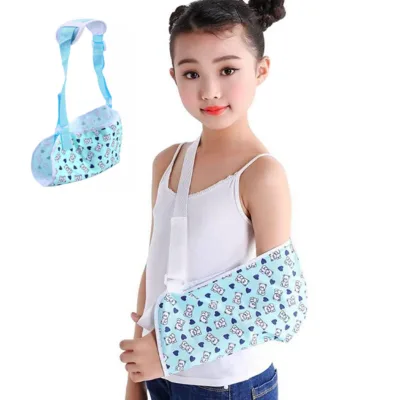
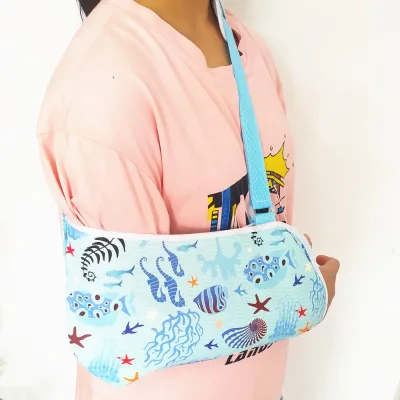
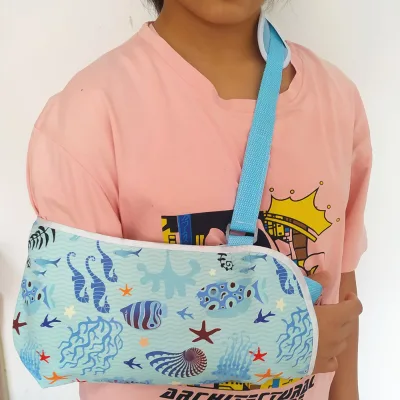
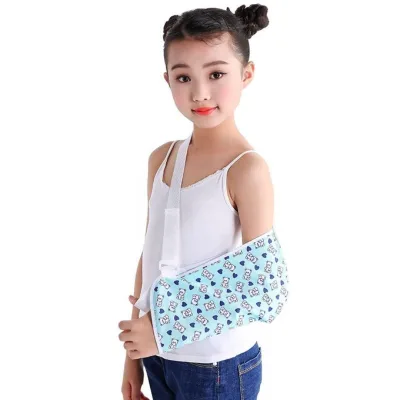
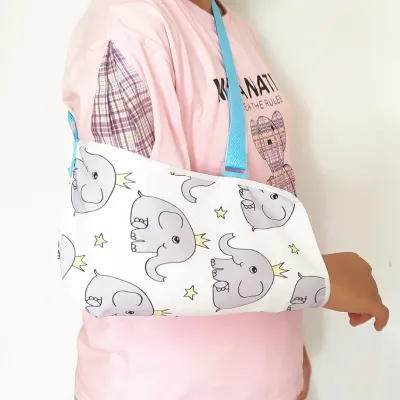
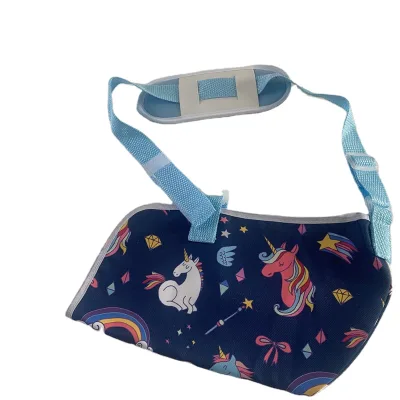

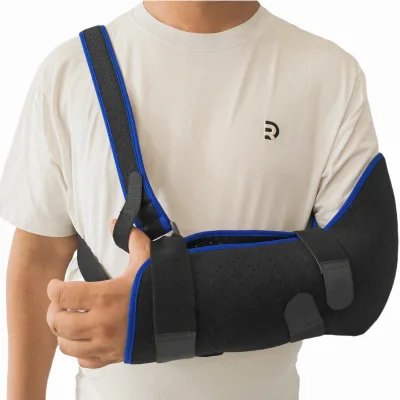
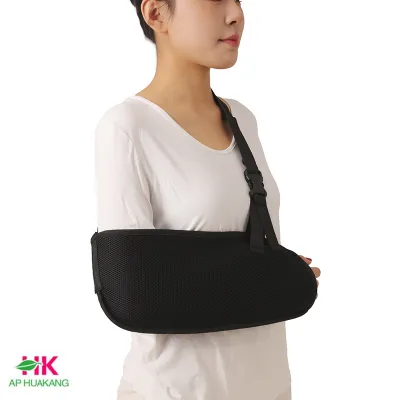
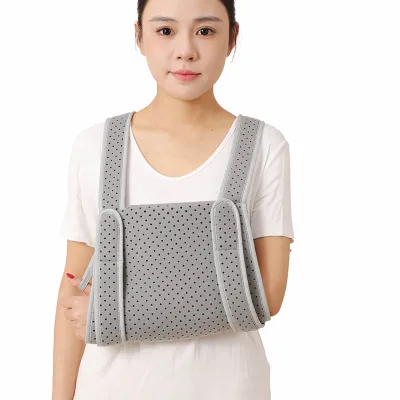
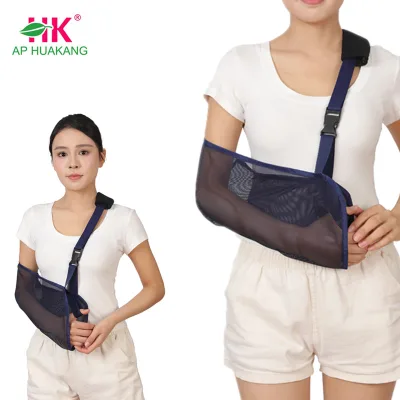
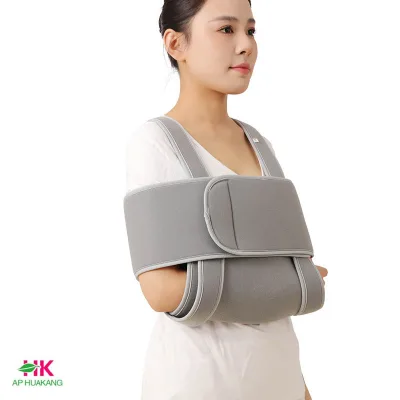
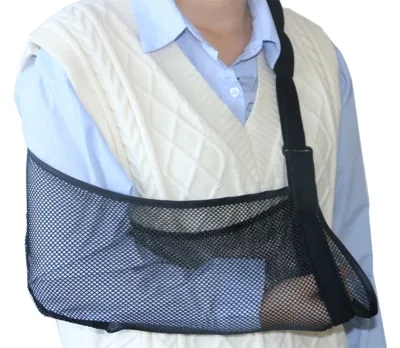
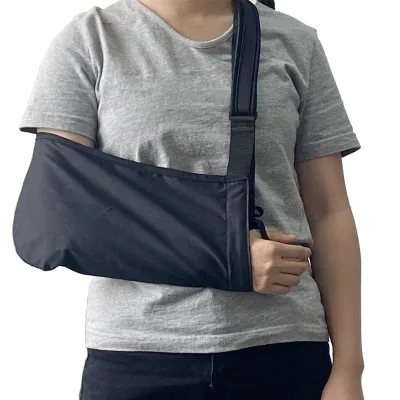
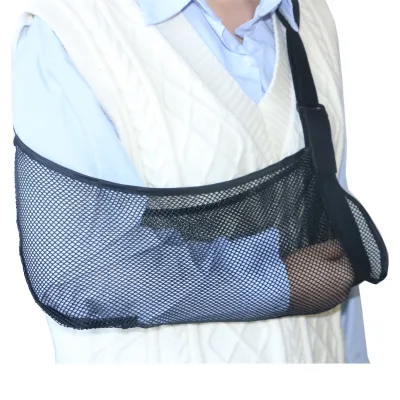
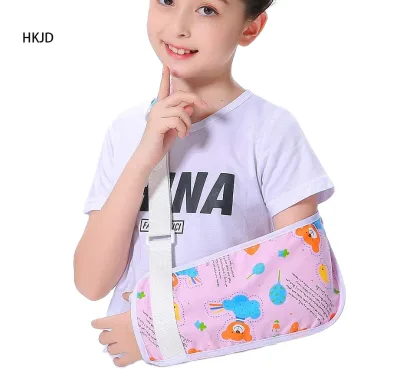
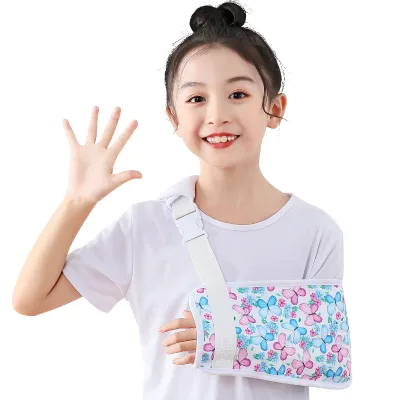


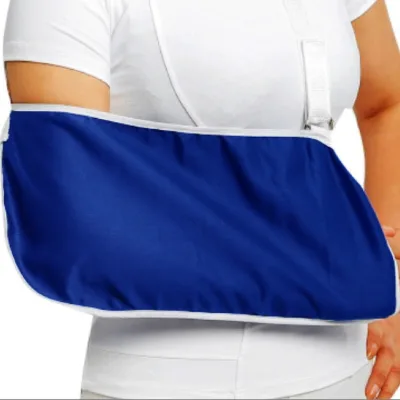
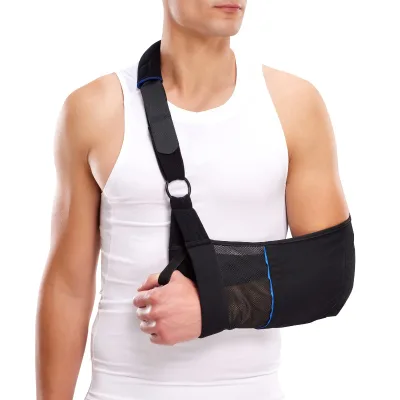


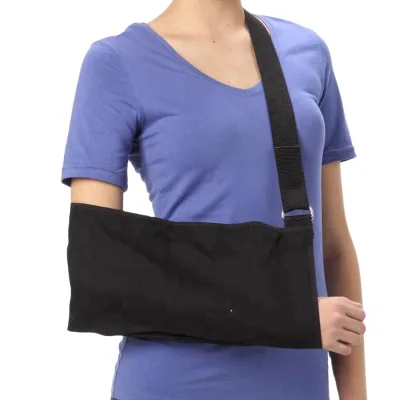
Comprehensive Sourcing Guide
Strategic Sourcing Guide for CE Certified Pediatric Support Slings
The global medical device market for pediatric orthopedic support requires a rigorous approach to sourcing, particularly when targeting equipment described as CE certified pediatric support slings. Buyers entering this sector must navigate a complex landscape where product attributes, regulatory compliance, and supply chain reliability intersect. The following guide synthesizes available market data and trusted category knowledge to provide a structured framework for procurement professionals. This analysis focuses on the specific technical and operational realities of sourcing these devices, ensuring that decisions are grounded in observable facts rather than speculative claims.
Technical Specifications and Material Composition
When evaluating pediatric support slings, the primary technical differentiator lies in the material composition and structural design. Market observations indicate a divergence in material usage depending on the specific product model and intended application. High-quality support systems often utilize a combination of steel, plastic, and polyester to ensure durability while maintaining the necessary flexibility for pediatric patients. For instance, specific external fixator models in the broader orthopedic category are constructed from high-quality materials designed to withstand significant stress during fracture fixation and deformity correction.
However, for soft goods like arm slings, the material profile shifts significantly. Available data points to the use of cotton fabric and polyester as primary materials for products designed for hospital applications. These materials are selected for their breathability and comfort, which are critical for pediatric users who may wear the device for extended periods. The specification of "thin" thickness is also noted in certain product listings, suggesting a design philosophy that prioritizes minimal bulk without compromising support.
The sizing specifications are equally critical in the pediatric sector. Unlike adult orthopedic devices that may have a single universal size, pediatric slings often come in specific size ranges such as Small, Medium, and Large (S/M/L). This variation is essential to ensure a proper fit for children of different ages and body types. Some product listings explicitly state "Unisex" sizing, while others adhere to standard S/M/L categorizations. Buyers must verify that the supplier can provide a comprehensive size matrix to accommodate the diverse needs of their patient demographic.
Compliance and Certification Verification
The term "CE certified" is a cornerstone of procurement for medical devices intended for the European market and many other international jurisdictions. However, the presence of a CE mark is not a monolithic guarantee; it represents a declaration of conformity with specific European directives. In the context of pediatric support slings, the product classification is a vital metric. Data indicates that certain medical instruments in this category are classified as Class I devices. This classification generally implies a lower risk profile compared to Class II or Class III devices, but it still mandates strict adherence to quality management systems and technical documentation requirements.
Buyers must verify that the CE certification is current and valid for the specific product model. The provided context lists CE as a high-confidence fact for certain product properties, yet it also notes that certification status should be treated as an observation rather than an absolute claim for every listed product. Therefore, the procurement process must include a direct request for the Certificate of Conformity (CoC) and the Declaration of Conformity (DoC) from the supplier. These documents should explicitly reference the relevant directives, such as the Medical Device Regulation (MDR) or the older Active Implantable Medical Devices Directive, depending on the device type.
Furthermore, the origin of the product plays a significant role in the certification process. Many observed products originate from manufacturing hubs in Zhejiang and Hebei, China. While these regions host a vast number of medical device manufacturers, the regulatory oversight and quality control standards can vary. Buyers should ensure that the supplier's quality management system is audited and that the CE marking was issued by a Notified Body if required by the specific device classification. Relying solely on a supplier's assertion of certification without requesting the underlying documentation poses a significant compliance risk.
Cost Drivers and Pricing Dynamics
Understanding the cost structure of pediatric support slings is essential for budget planning and supplier negotiation. The observed price range in the market spans from approximately $1.01 to $33.00 USD. This wide variance is driven by several factors, including material quality, manufacturing complexity, and the level of customization required. Products made from basic cotton fabric and simple polyester blends tend to fall at the lower end of the price spectrum, while those incorporating steel components, advanced plastic molding, or specialized ergonomic designs command higher prices.
The Minimum Order Quantity (MOQ) is another critical cost driver. Market data reveals an MOQ range of 1 to 1000 units. Suppliers offering an MOQ of 1 are typically catering to trial orders or small-scale procurement needs, which often results in a higher unit cost. Conversely, suppliers with an MOQ of 1000 units may offer significant volume discounts, making them more suitable for large hospital networks or distributors. Buyers must balance the need for inventory flexibility against the economies of scale offered by higher volume orders.
Customization is a significant factor influencing price. The availability of custom logos, packaging, and specific product features can increase the unit cost. For example, suppliers offering "Customized" options and "Accept Customized Logo" services may charge a premium for the setup and production adjustments required. Additionally, the supply ability of the manufacturer, such as a capacity of 3000 pieces per month, can impact pricing stability. Manufacturers with high capacity may offer more competitive rates for large orders, whereas those with limited capacity might charge higher prices to manage demand.
Typical Applications and Clinical Use Cases
Pediatric support slings serve a variety of clinical functions, primarily focused on immobilization, support, and comfort during the healing process. The observed applications for these devices include fracture fixation and the correction of deformities. In these scenarios, the sling acts as a critical component of the external fixation system, helping to stabilize the affected limb and prevent further injury. The specific usage sites identified in the market data include the waist, shoulder, neck, vertebra, and chest, indicating a broad range of potential clinical applications.
For general orthopedic support, the primary function is often described as "support" and "fixation." These devices are designed to keep the arm or shoulder in a neutral position, reducing strain on the healing tissues. The "adjustable" and "comfortable" features highlighted in product attributes are particularly important for pediatric patients, who may have difficulty tolerating rigid or uncomfortable medical devices. The breathability of the material is also a key functional requirement, as it helps prevent skin irritation and moisture buildup, which are common issues in long-term wear.
The intended setting for these devices is predominantly hospitals, but they are also used in home care environments. The "Return and Replacement" after-sale service mentioned in the product data suggests that manufacturers are aware of the potential for wear and tear or fit issues in a pediatric context. This service capability is crucial for maintaining patient safety and ensuring that the device remains effective throughout the recovery period.
Supplier Evaluation and Selection Criteria
Selecting the right supplier for pediatric support slings requires a multi-faceted evaluation process. The first step is to verify the supplier's location and production capabilities. The majority of observed products originate from China, specifically from regions like Zhejiang and Hebei. Buyers should assess the logistical implications of sourcing from these locations, including lead times and shipping costs. While the specific lead times are not provided in the data, the supply ability of 3000 pieces per month provides a baseline for production capacity.
Quality control is another paramount consideration. Buyers should request detailed information about the supplier's quality assurance processes, including in-process inspections and final product testing. The "High Quality Material" designation in product listings is a positive indicator, but it should be substantiated by third-party test reports or quality certificates. Additionally, the "New" condition of the products is a standard expectation, but buyers should ensure that the packaging and handling processes maintain this condition during transit.
The supplier's ability to handle customization is also a key evaluation metric. Many buyers require specific branding, packaging, or sizing modifications. The availability of "Customized" options and "OEM" services (Packing and logo) indicates a supplier's flexibility. However, buyers must clarify the impact of these customizations on the MOQ and lead time. A supplier that can accommodate custom orders with a low MOQ may be ideal for startups, while a supplier with high customization capabilities but a high MOQ may be better suited for established enterprises.
Quality Control and Long-Term Procurement Considerations
Ensuring consistent quality in pediatric support slings requires a robust quality control (QC) framework. Buyers should implement a QC plan that includes pre-shipment inspections, random sampling, and testing for material integrity. The "Protection class: Professional Protection" attribute suggests that the devices are designed to meet specific safety standards, but this must be verified through independent testing. Regular audits of the supplier's manufacturing facility can also help ensure that quality standards are maintained over time.
Long-term procurement considerations involve building a sustainable relationship with the supplier. This includes negotiating favorable terms for after-sales service, such as the "Return and Replacement" policy observed in the market. A clear warranty period, such as the "3 Years" mentioned in some product listings, provides additional assurance of product durability and manufacturer confidence. Buyers should also consider the scalability of the supply chain. As the demand for pediatric support slings grows, the supplier must be able to ramp up production without compromising quality.
Finally, buyers should stay informed about regulatory changes and market trends. The medical device landscape is dynamic, with evolving standards and certification requirements. Maintaining open communication with suppliers and staying updated on regulatory developments will help buyers navigate these changes effectively. By focusing on technical specifications, compliance, cost drivers, and supplier reliability, procurement professionals can secure a steady supply of high-quality pediatric support slings that meet the needs of their patients and stakeholders.
| Feature Category | Observed Data Points | Verification Requirement |
|---|---|---|
| Certification | CE, ISO (High Confidence) | Request valid CoC/DoC; verify Notified Body if applicable. |
| Material | Steel, Plastic, Polyester, Cotton Fabric | Review material safety data sheets; request third-party test reports. |
| Classification | Class I Instrument | Confirm classification against current MDR or local regulations. |
| Sizing | S/M/L, Unisex | Verify size chart accuracy for pediatric demographics. |
| Origin | Zhejiang, China; Hebei, China | Assess logistics, lead times, and export compliance. |
| MOQ | 1 - 1000 units | Negotiate based on volume needs and customization requirements. |
| Warranty | 3 Years (Specific Listing) | Clarify warranty terms and coverage scope in the contract. |
| Customization | Available (Logo, Packing) | Confirm impact on lead time and unit cost. |
In conclusion, sourcing CE certified pediatric support slings requires a meticulous approach that balances technical requirements with regulatory compliance and supply chain reliability. By adhering to the guidelines outlined in this guide, buyers can mitigate risks and ensure the acquisition of high-quality medical devices that support the health and well-being of pediatric patients. The focus must remain on verified facts and observable data, avoiding assumptions that could lead to procurement errors or compliance failures.
FAQs
What materials are used for ce certified pediatric support slings?
These devices typically use cotton fabric, polyester, steel, or plastic depending on the model. High-quality external fixators may combine steel and plastic for durability, while soft slings often prioritize breathable cotton or polyester for comfort during extended wear.
Which certifications are available for these medical devices?
Many products in this category carry CE and ISO certifications. Buyers must verify the specific Certificate of Conformity for Class I devices, as the CE mark indicates compliance with European directives but requires validation through official documentation from the supplier.
How can I find suppliers offering customization options?
Suppliers in Zhejiang and Hebei often provide customized logos and packaging for these devices. Buyers should confirm if the supplier accepts custom orders with specific MOQs, as customization capabilities vary significantly between manufacturers offering standard versus bespoke solutions.
What is the typical price range for these support slings?
Market prices range from approximately 1.01 to 33 USD per unit. The cost depends on material quality, such as steel versus cotton, and the level of customization required, with basic models costing less than complex fixation systems.
Can I order samples with a low minimum order quantity?
Yes, some suppliers allow orders as low as one unit, while others require a minimum of 100 pieces. Buyers should check the specific MOQ, which ranges from 1 to 1000 units, to ensure it aligns with their procurement needs and budget.
Where are these medical devices primarily manufactured?
Most observed products originate from manufacturing hubs in Zhejiang and Hebei, China. Buyers should consider the logistical implications of sourcing from these regions, including potential lead times and shipping costs associated with these specific locations.
What sizes are available for pediatric support slings?
Sizing typically includes Small, Medium, and Large options to fit different pediatric patients. Some models are labeled as unisex or follow standard S/M/L categorizations, ensuring a proper fit for children of varying ages and body types.