Source CE Certified Perineal Cold Pack for Postpartum Relief
Find and compare 13 CE Certified Perineal Cold Pack options for postpartum pain relief, muscle soreness, and swelling reduction. These reusable, non-woven ice packs offer customizable sizes and logo printing for medical and personal care applications; compare the available evidence and request quotations based on your requirements.
Key considerations
Products List


Private Label Perineal Instant Cold Pack Instant Perineal Cold Pack Postpartum Cold Pack
$0.30 - $0.80
MOQ: 10000 Pieces

Manufacturer Instant Perineal Cold Pack Ice Pack Custom 32X11cm Instant Perineal Cold Pack
$0.30 - $0.80
MOQ: 10000 Pieces


Perineal Cold Pack Instant Perineal Cold Pack for Postpartum Hot Selling
$0.53 - $0.69
MOQ: 30000 Pieces
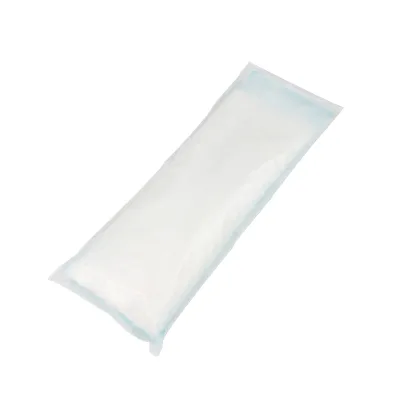

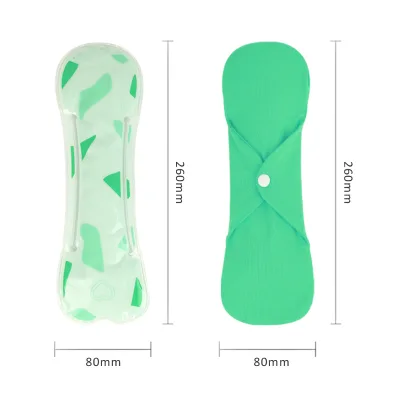


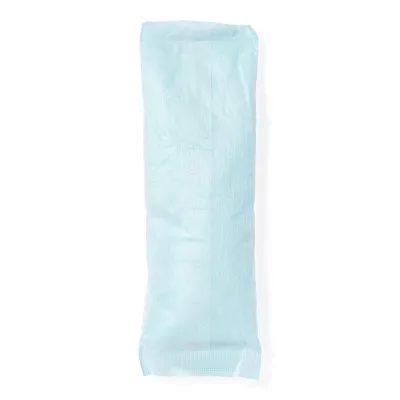

Comprehensive Sourcing Guide
CE Certified Perineal Cold Pack Sourcing Guide
Procuring CE certified perineal cold packs requires distinguishing between disposable medical devices and reusable therapeutic tools, as the market offers distinct product categories with different regulatory paths. Buyers must verify whether the item is classified as a Class I medical instrument intended for postpartum pain relief or a general wellness accessory for sore muscles and swelling. The observed listings indicate a mix of non-woven fabric products and chemical-based ice packs, necessitating a clear definition of the intended clinical or home-use application before engaging suppliers.
The supply chain for these items often originates from manufacturing hubs in Zhejiang and Hubei, China, where production capabilities range from simple non-woven packaging to complex chemical gel formulations. Sourcing teams should scrutinize the specific material composition, such as urea or ammonium nitrate blends for reusable packs versus high-quality fluff pulp for disposable variants. Understanding these material differences is critical for aligning procurement with the required sterilization methods, such as ethylene oxide, and ensuring the product meets the specific hygiene standards of the target market.
Product Scope and Observed Listing Signals
The current market landscape presents a wide variance in product dimensions, with observed standard sizes ranging from 10x28 cm to 11x36 cm, alongside fully customizable options to meet specific anatomical or branding needs. Buyers should note that some listings specify exact model numbers like MT-HYLFT or MT-IP1030, while others offer generic descriptions based on the application of instant perineal cold therapy. This diversity suggests that procurement strategies must account for both standardized inventory for immediate deployment and bespoke manufacturing for private label requirements.
Weight and packaging specifications also vary significantly, with some units weighing as little as 10-20 grams while others, such as reusable ice packs, can reach 255 grams or more. Packaging formats observed include transparent or color PE bags, cartons, and single-item PE bags, which directly impact logistics costs and shelf presentation. Procurement decisions should weigh the trade-off between bulk carton shipping for efficiency and individual bagging for retail readiness, ensuring the selected packaging aligns with the distributor's logistical capabilities and end-user expectations.
Technical Specifications to Verify
Technical due diligence must focus on the physical properties of the product, specifically hardness and texture, as observed listings describe items ranging from soft to firm depending on the internal gel or fabric composition. Buyers need to confirm whether the product is designed as a disposable item or a reusable unit, as this dictates the durability requirements and the expected lifespan of the inventory. The distinction between a single-use medical device and a long-term therapeutic tool is fundamental to selecting the correct technical specification for the intended clinical or consumer application.
Dimensional accuracy is another critical verification point, as the standard sizes observed include 10x28 cm, 10x33 cm, and 11x36 cm, with some suppliers offering fully customized dimensions. Procurement teams should request physical samples to validate that the actual product dimensions match the stated specifications, particularly for items intended for specific medical procedures or postpartum care. Additionally, verifying the weight of the ice pack, which can range from 200 to 250 grams, ensures that the product provides the necessary thermal mass for effective pain relief without being cumbersome for the user.
Compliance and Safety Documentation
Regulatory compliance is paramount, with CE certification appearing as a standard requirement for many listed products, often accompanied by MSDS documentation to ensure chemical safety. Buyers must verify that the supplier holds valid CE marks and that the product classification aligns with local regulations, such as the Class I instrument classification observed in several listings. It is essential to confirm that the certification covers the specific model and material composition being purchased, as certifications are often tied to specific product configurations and manufacturing processes.
Safety documentation should also include details on sterilization methods, with ethylene oxide sterilization noted for certain non-woven fabric products. Procurement teams must ensure that the supplier can provide batch-specific test results and safety data sheets, particularly for chemical-based ice packs containing urea or ammonium nitrate. The absence of these documents can lead to significant regulatory hurdles in importing and distributing the products, making the verification of comprehensive safety dossiers a non-negotiable step in the sourcing process.
Cost Drivers and Commercial Terms
Pricing in this sector is highly variable, with observed unit costs ranging from $0.05 to $1.63 depending on the complexity of the product, material quality, and order volume. The minimum order quantity (MOQ) also fluctuates widely, from as low as 1 unit for sampling to 30,000 units for bulk production, influencing the total cost of ownership and inventory management strategy. Buyers should analyze the price-to-volume curve to determine the optimal order size that balances unit cost savings with storage and cash flow constraints.
Commercial terms are further influenced by customization requirements, such as logo printing and specific packaging requests, which can add to the base manufacturing cost. Suppliers often offer flexible packaging options, including transparent or color PE bags, but these customizations may require higher MOQs or longer lead times. Procurement negotiations should explicitly address the cost implications of branding and packaging customization to avoid unexpected expenses and ensure that the final landed cost aligns with the target retail price point.
Supplier Qualification and Quality Control
Supplier qualification should prioritize manufacturers with a proven track record in producing medical-grade or therapeutic products, as evidenced by their ability to provide CE certification and MSDS documentation. Buyers should assess the supplier's production capacity and quality control systems, looking for evidence of consistent output across different product models and sizes. The presence of a three-year quality guarantee period in some listings indicates a supplier's confidence in their product durability, which is a positive indicator for long-term procurement relationships.
Quality control protocols must extend beyond the initial sample approval to include ongoing batch testing and inspection procedures. Buyers should verify that the supplier conducts regular checks on material consistency, such as the quality of non-woven fabric or the stability of the chemical gel mixture. Establishing a clear communication channel for quality issues and defining the process for handling non-conforming goods is essential to mitigate risks and ensure that the delivered products consistently meet the specified technical and safety requirements.
Long-Term Procurement Checks
Sustaining a successful procurement relationship requires regular audits of the supplier's ability to maintain consistent product standards over time. Buyers should monitor changes in material composition, such as the quality of fluff pulp or the concentration of chemical agents, to ensure that the product performance remains stable. Regular re-verification of certifications and safety data sheets is necessary to confirm that the supplier continues to meet evolving regulatory requirements and maintains the integrity of their compliance documentation.
Strategic planning for long-term procurement should also account for the potential need for product evolution, such as new sizes or enhanced features based on market feedback. Buyers should maintain a flexible contract structure that allows for adjustments in order volumes and specifications without incurring excessive penalties. By fostering a collaborative relationship with the supplier, procurement teams can ensure a steady supply of high-quality perineal cold packs that meet the changing needs of their customers and the regulatory landscape.
FAQs
What materials are used in ce certified perineal cold packs?
These packs typically utilize non-woven fabric combined with high-quality fluff pulp and absorbent polymers for comfort. Some instant versions contain urea or ammonium nitrate mixed with water to generate cooling effects. The outer layer ensures durability while the inner core provides effective temperature retention for postpartum care.
Can I customize the logo on these medical cold packs?
Yes, logo printing is available according to customer requirements. Manufacturers offer customization services to allow branding on the product surface. This feature supports private labeling strategies for distributors and clinics seeking to establish their own identity in the medical supply market while maintaining product functionality and safety standards.
What certifications do these perineal cold packs hold?
Products commonly hold CE and MSDS certifications to ensure compliance with international safety and chemical standards. Some listings also reference ISO and FDA standards depending on the specific manufacturer and target market. These certifications verify that the materials and production processes meet rigorous quality requirements for medical and personal care applications.
What are the standard sizes for these instant cold packs?
Standard dimensions include 10x28cm, 10x33cm, and 11x36cm, with some models measuring 11.5x34.5cm. Customized sizes are also available to meet specific ergonomic needs. These dimensions are designed to fit comfortably for postpartum and perineal pain relief, ensuring effective coverage and user comfort during application for swelling and soreness management.
Are these perineal cold packs disposable or reusable?
The market offers both disposable and reusable options. Instant chemical packs are generally single-use, while gel-based or reusable ice packs are designed for multiple applications. Buyers should check the specific product description to determine if the item is intended for one-time use or long-term reuse for muscle and joint relief.
How are these cold packs packaged for shipping?
Packaging typically involves individual PE bags for each unit, with bulk quantities packed in cartons. Some suppliers offer transparent or color PE bags as per request. This packaging method protects the product during transit and allows for easy inventory management, ensuring the items remain clean and ready for distribution to healthcare facilities.