Source CE Certified Pediatric Pelvic Sling for Fracture Fixation
Compare 30 listings of CE Certified Pediatric Pelvic Sling options for fracture fixation, deformity correction, and emergency rescue. Buyers can evaluate specifications, materials, and pricing from verified Chinese manufacturers.
Key considerations
Products List


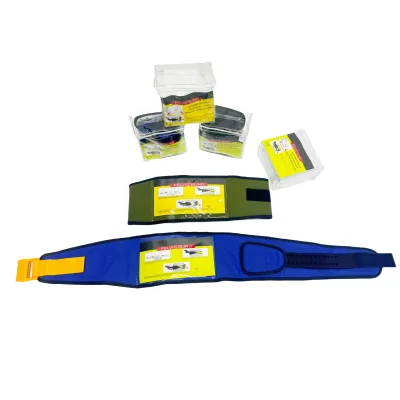
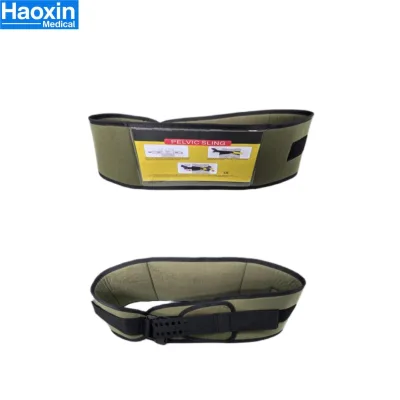
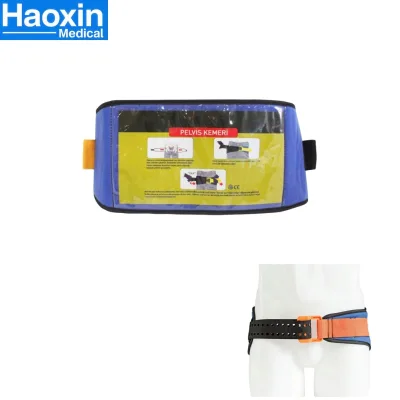
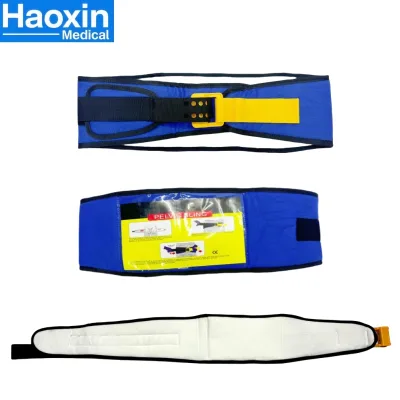
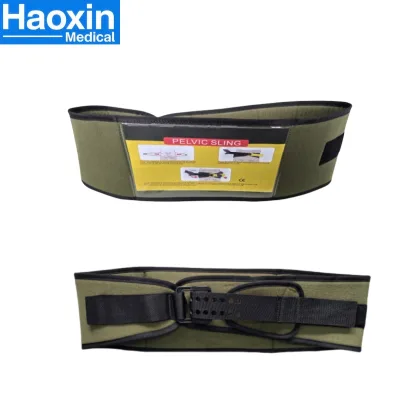
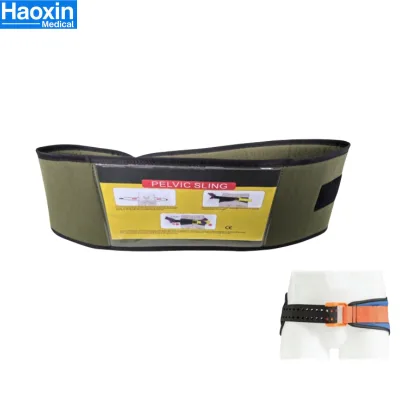
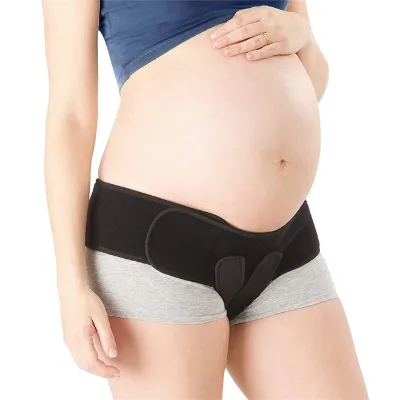
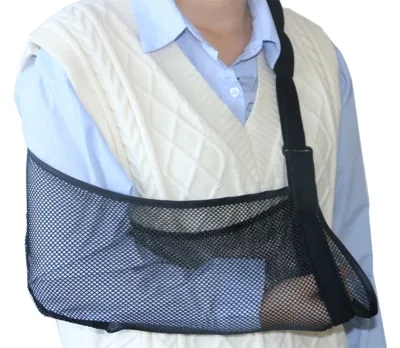
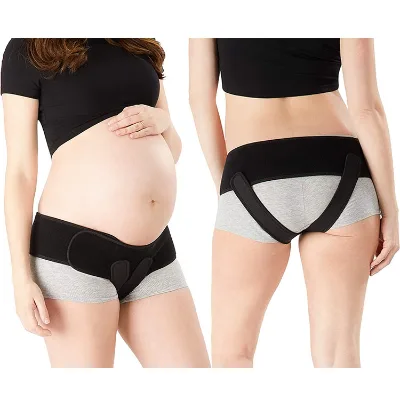
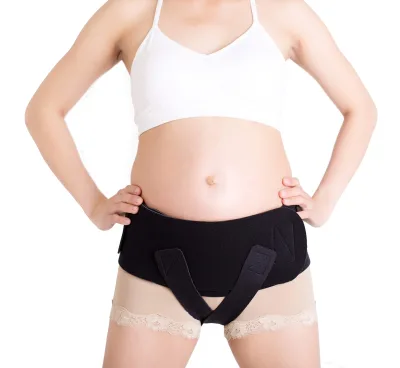
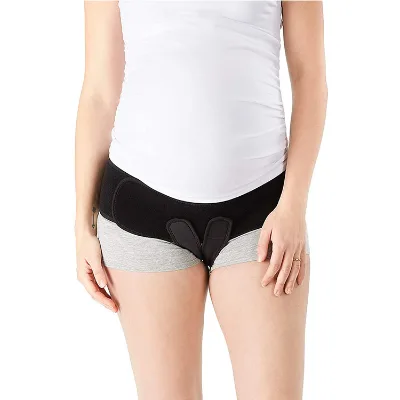
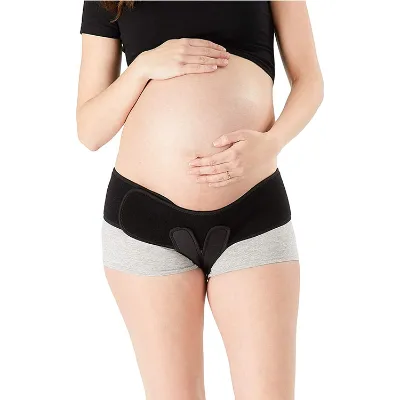
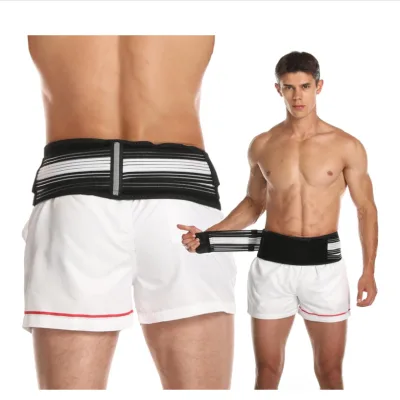
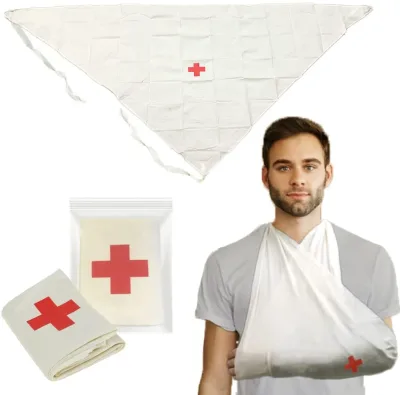
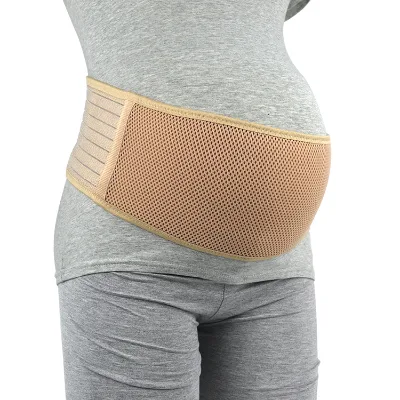


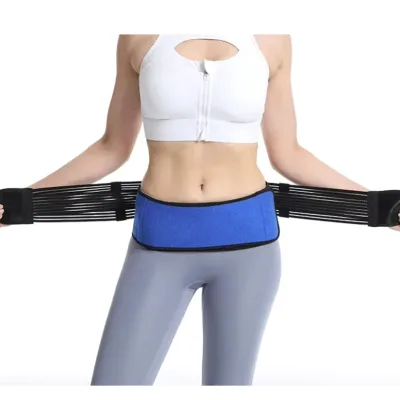
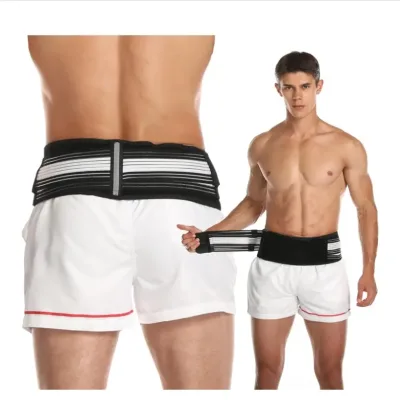
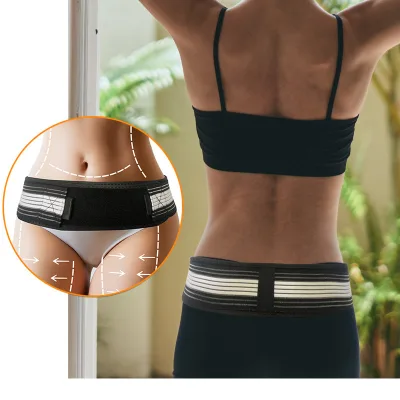
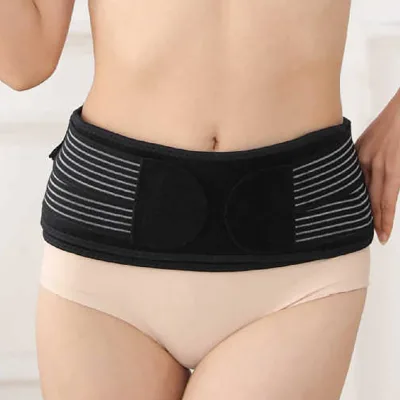
Comprehensive Sourcing Guide
Strategic Sourcing Guide for CE Certified Pediatric Pelvic Sling Solutions
Understanding the Product Category and Technical Specifications
When sourcing a CE Certified Pediatric Pelvic Sling, buyers must first distinguish between general orthopedic support devices and specialized fracture fixation systems. The market presents a diverse array of products ranging from simple abdominal binders to complex external fixators. In the context of pediatric applications, the primary technical focus is on the device's ability to provide stabilization while accommodating the unique anatomical growth patterns of children. The observed product landscape includes items classified as Class I medical instruments, which typically encompass general support devices rather than high-risk surgical implants.
Technical specifications for these devices vary significantly based on the intended use case. Some products are designed for fracture fixation and the correction of deformities, utilizing materials such as steel, plastic, and polyester to ensure structural integrity while maintaining necessary flexibility. Other variations focus on emergency rescue and first-aid applications, prioritizing lightweight construction and ease of deployment. The material composition is a critical factor; observed listings indicate the use of metal, fabric, spandex, and nylon blends. For pediatric use, the choice of material often leans toward breathable fabrics like spandex and nylon to prevent skin irritation during extended wear, while steel components may be employed in more rigid fixation scenarios.
The functional requirements also dictate the design. Devices intended for daily life usage or basic protection often feature adjustable straps and customizable colors to improve patient compliance and psychological comfort. In contrast, products designed for specific medical interventions, such as correcting deformities, may require precise sizing and rigid structural elements. The power source for these devices is consistently manual, relying on human adjustment rather than automated mechanisms. Packaging specifications further influence the product's readiness for clinical use, with options ranging from individual PVC bags to carton packaging, which may affect shipping costs and storage requirements.
Compliance Verification and Certification Standards
Navigating the regulatory landscape is paramount when sourcing medical devices for pediatric use. The core keyword explicitly requests CE certification, which is a mandatory requirement for placing medical products on the market within the European Economic Area. Buyers must verify that the supplier provides valid documentation confirming the product meets the Essential Requirements of the relevant Medical Device Directive or Regulation. The observed data confirms that CE certification is a common attribute among listed products, often appearing alongside ISO certifications.
However, the presence of a "CE" mark alone does not guarantee compliance with specific pediatric standards. Buyers should scrutinize the specific certification documents provided by the supplier. While some listings mention ISO/FDA/CE combinations, it is crucial to understand that FDA clearance is a United States regulatory requirement and is distinct from CE marking. A product may hold CE certification without FDA approval, and vice versa. The observed data also references ISO standards, including ISO13485, which pertains to quality management systems for medical devices. While this is a high-confidence background fact, buyers should request specific audit reports to confirm that the manufacturer's quality management system is actively certified and not merely claimed.
The classification of the device also impacts the compliance pathway. Class I instruments generally undergo a self-declaration process for CE marking, whereas higher-risk devices require involvement from a Notified Body. For a pediatric pelvic sling, which often falls under Class I due to its non-invasive nature, the burden of proof lies heavily on the manufacturer to demonstrate conformity with safety and performance standards. Buyers must ensure that the "Safety standard: CE" claim is backed by a Declaration of Conformity that explicitly references the applicable harmonized standards. Additionally, the "LEFT/RIGHT" standard mentioned in some product attributes suggests that specific anatomical orientation is a compliance consideration, ensuring the device fits the correct side of the patient's body to avoid medical errors.
Cost Drivers and Pricing Dynamics
The pricing structure for CE certified pediatric pelvic slings is influenced by a complex interplay of factors, including material costs, customization levels, and order volume. The observed price range in the market spans from $0.46 to $33.00 USD, indicating a significant disparity between basic first-aid appliances and specialized medical fixation devices. This wide variance suggests that price is not a reliable indicator of quality without a detailed breakdown of specifications.
Material composition is a primary driver of cost. Devices incorporating steel components or high-grade plastics typically command higher prices than those made solely from fabric blends like spandex and nylon. The complexity of the manufacturing process also plays a role; products offering customization, such as custom colors or specific sizing for pediatric anatomy, often incur additional charges. The "Customization: Available" attribute observed in the market indicates that buyers can tailor products to specific needs, but this flexibility usually comes at a premium compared to standard off-the-shelf items.
Minimum Order Quantity (MOQ) is another critical cost factor. The observed MOQ range spans from 1 piece to 100 pieces. For small clinics or research institutions requiring a single unit for evaluation, suppliers offering an MOQ of 1 piece are essential, though the unit price may be higher. Conversely, bulk purchasers can leverage economies of scale, but they must commit to higher volumes, such as the 100-piece MOQ observed for certain fabric-based products. The "Selling Units: Single item" attribute suggests that some suppliers are willing to sell individual units, which is beneficial for initial trials but less cost-effective for large-scale procurement. Buyers should calculate the total cost of ownership, including shipping and potential tariffs, rather than focusing solely on the unit price.
Typical Applications and Clinical Use Cases
The application of pediatric pelvic slings extends across various medical and emergency scenarios. The observed data highlights several distinct use cases, including fracture fixation, deformity correction, and emergency rescue. In orthopedic settings, these devices are utilized to stabilize pelvic fractures, which are critical injuries in pediatric trauma. The ability to "correct deformities" suggests that these slings may also be employed in long-term management of congenital or acquired skeletal abnormalities.
Beyond acute medical treatment, the market also includes products designed for first-aid and emergency rescue applications. These devices prioritize speed of application and portability, often featuring lightweight materials and compact packaging. The "Application: Emergency Rescue" and "Usage: First-aid Appliance" attributes indicate a focus on pre-hospital care, where quick stabilization is necessary to prevent further injury during transport. For daily life usage, the devices serve a protective function, offering basic support for patients with chronic conditions or those recovering from minor injuries.
The "Applicable People: Adult" attribute observed in some listings serves as a cautionary note for buyers. While a product may be labeled as a pelvic sling, it may not be suitable for pediatric patients if the sizing or load-bearing capacity is designed for adults. Buyers must carefully cross-reference the "Applicable People" field with the specific needs of their pediatric population. The "Season: All Seasons" attribute suggests that these devices are designed for year-round use, which is important for patients requiring continuous support regardless of environmental conditions.
Supplier Evaluation and Selection Criteria
Selecting the right supplier requires a rigorous evaluation process that goes beyond simple price comparisons. Buyers should prioritize suppliers who demonstrate transparency in their manufacturing processes and provide comprehensive documentation. The "Brand Name" attribute, such as "haoxin" or "bestar," can be a starting point for research, but buyers should not rely solely on brand recognition. Instead, they should verify the supplier's track record in the medical device industry and their ability to meet specific regulatory requirements.
The "Place of Origin" is another critical factor. The observed data lists suppliers from Zhejiang, Jiangsu, and Hebei in China. While these regions are known for manufacturing capabilities, buyers should assess the logistical implications of sourcing from these locations, including lead times and shipping reliability. The "After-sale service: Online technical support" attribute indicates that some suppliers offer remote assistance, which is valuable for troubleshooting installation or usage issues. However, buyers should also inquire about the availability of on-site support or training materials, especially for complex devices used in fracture fixation.
Quality assurance capabilities are essential for ensuring product consistency. Buyers should request evidence of the supplier's quality management system, such as ISO13485 certification, and verify that their production processes adhere to strict quality control standards. The "Warranty" attribute, ranging from 1 to 3 years, provides insight into the supplier's confidence in their product. A longer warranty period may indicate higher quality materials and manufacturing standards, but buyers should carefully review the terms and conditions to understand what is covered.
Quality Control and Long-Term Procurement Considerations
Implementing a robust quality control (QC) strategy is vital for ensuring the safety and efficacy of pediatric pelvic slings. Buyers should establish clear acceptance criteria based on the product's intended use and regulatory requirements. This includes verifying the physical dimensions, material integrity, and functional performance of the devices. The "Single gross weight" and "Single package size" attributes provide baseline data for QC checks, ensuring that the delivered products match the specifications provided in the order.
Long-term procurement considerations involve building a sustainable supply chain that can adapt to changing market demands and regulatory updates. Buyers should assess the supplier's capacity to scale production and their ability to maintain consistent quality over time. The "Sample: Available" attribute suggests that suppliers are willing to provide samples for testing, which is an excellent opportunity to evaluate the product before committing to a large order. Buyers should use these samples to conduct rigorous testing, including stress tests and durability assessments, to ensure the devices can withstand the rigors of clinical use.
Furthermore, buyers should consider the lifecycle of the product, including maintenance, repair, and replacement needs. The "Warranty" period is a key indicator of the expected product lifespan, but buyers should also inquire about the availability of spare parts and the cost of repairs. For devices used in emergency rescue, the reliability of the product is paramount, and any failure could have severe consequences. Therefore, a comprehensive QC plan that includes regular audits and performance monitoring is essential for long-term success.
Comparative Analysis of Product Attributes
To facilitate informed decision-making, buyers should compare key product attributes across different suppliers. The following table summarizes the observed variations in specifications, certifications, and commercial terms:
| Attribute Category | Product Type A (Orthopedic) | Product Type B (First-Aid) | Product Type C (General Support) |
|---|---|---|---|
| Primary Usage | Fracture Fixation, Deformity Correction | Emergency Rescue, First-Aid | Daily Life, Basic Protection |
| Material Composition | Steel, Plastic, Polyester | Metal, Fabric | Spandex, Nylon |
| Certification | CE, ISO, ISO/FDA/CE | CE, Safety Standard CE | CE, Quality Certification CE |
| MOQ | 1 PC | 100 pcs | 1 PCS |
| Warranty | 3 Years | 1 Year | Not Specified |
| Packaging | Carton | PVC Bag | PVC Bag |
| Customization | Available | Available | Custom Color |
| Origin | Zhejiang, China | Jiangsu, China | Hebei, China |
This comparison highlights the diversity in the market. Product Type A, focused on orthopedic applications, offers the highest warranty and utilizes robust materials like steel, making it suitable for complex medical interventions. Product Type B, designed for emergency rescue, emphasizes lightweight materials and compact packaging, with a lower MOQ that may suit smaller orders. Product Type C, intended for general support, offers customization options and is likely the most cost-effective for routine daily use.
Buyers must align their procurement strategy with their specific clinical needs. For hospitals requiring high-performance devices for fracture fixation, the higher cost and longer warranty of Type A products may be justified. Conversely, for emergency services or clinics with limited budgets, Type B or C products may offer a more practical solution. The key is to ensure that the selected product meets all necessary regulatory and performance standards, regardless of the price point.
In conclusion, sourcing a CE Certified Pediatric Pelvic Sling requires a meticulous approach that balances technical specifications, regulatory compliance, and commercial viability. By understanding the diverse product landscape and adhering to rigorous quality control measures, buyers can secure reliable solutions that meet the critical needs of pediatric patients.
FAQs
What certifications do these pediatric pelvic slings hold?
These devices commonly hold CE and ISO certifications, with some listings also mentioning FDA approval. Buyers should verify specific documentation to ensure compliance with European Medical Device Regulations and quality management standards like ISO13485.
Which materials are used in these fixation devices?
Materials vary by application, including steel, plastic, polyester, metal, fabric, spandex, and nylon blends. Rigid fixation systems often use steel and plastic, while protective or first-aid slings may utilize breathable fabric blends for comfort.
Can buyers customize the color or specifications of these slings?
Yes, customization is available for certain models, allowing for custom colors and specific sizing. This flexibility supports patient compliance and specific anatomical needs, though it may affect pricing and minimum order quantities.
How is the warranty period defined for these medical instruments?
Warranty periods observed range from one year to three years depending on the specific product model. A longer warranty often indicates higher confidence in material durability and manufacturing quality, but terms should be verified per supplier.
What is the minimum order quantity for purchasing these devices?
Minimum order quantities vary significantly, ranging from one piece for evaluation to one hundred pieces for bulk orders. Suppliers offering single-item sales are suitable for clinics needing samples, while larger orders may require higher volume commitments.
Where are these products typically manufactured?
Products originate from various locations in China, including Zhejiang, Jiangsu, and Hebei provinces. Buyers should consider these origins when evaluating logistics, lead times, and the specific manufacturing capabilities of the regional suppliers.