Source CE ISO Surgical Closure Clips for Vessel Occlusion
Compare 20 CE ISO Surgical Closure Clips from verified suppliers in China. Buyers can evaluate specifications, sterilization methods, and pricing for endoscopic tissue and vessel occlusion procedures. These surgical supplies include titanium ligating clips and non-absorbable ligation clips suitable for adult surgical operations.
Key considerations
Products List




Comprehensive Sourcing Guide
CE ISO Surgical Closure Clips Sourcing Guide
Procuring surgical closure clips requires a disciplined approach to verifying material integrity and regulatory compliance, particularly when sourcing from major manufacturing hubs like Chongqing and Zhejiang in China. Buyers must distinguish between different clip technologies, such as Hem-o-lok style polymer clips and titanium tubular clips, as their mechanical properties and clinical applications vary significantly. The observed market signals indicate a wide range of product classifications, including Class II surgical kits and general surgical supplies materials, which necessitates careful scrutiny of the specific product model numbers and intended use cases.
Understanding the distinction between absorbable and non-absorbable options is critical for surgical planning. Non-absorbable ligation clips, often made from titanium or specialized polymers, provide permanent occlusion for vessels and tissues, while other variants may offer adjustable clamping with integrated cutting functions. Buyers should verify the specific shape, such as U-shaped or V-shaped designs, and ensure the locking mechanism, like a triangular blade with cutting function, aligns with the surgeon’s preference for secure vessel occlusion during endoscopic or open procedures.
Product Scope and Observed Listing Signals
The current market landscape for surgical closure clips reveals a diverse array of product attributes that buyers must navigate carefully. Observed listings highlight products with specific model numbers like P-JZ-XL, L, and ML, indicating a range of sizes to accommodate different anatomical requirements. The product names often vary, with terms like "Hem-o-lok ligation clip," "Titanium Tubular Tissue Clips," and "Non-Absorbable Ligation Clips" appearing frequently, suggesting that suppliers may use generic or branded terminology interchangeably. This variability requires buyers to look beyond the title and examine the detailed specifications to ensure the product matches their clinical needs.
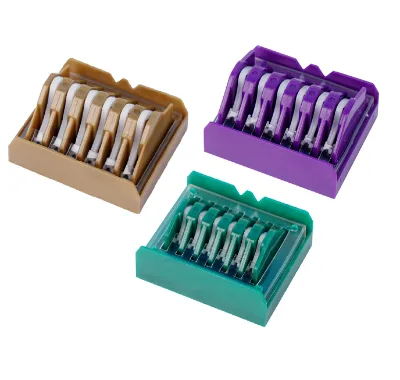
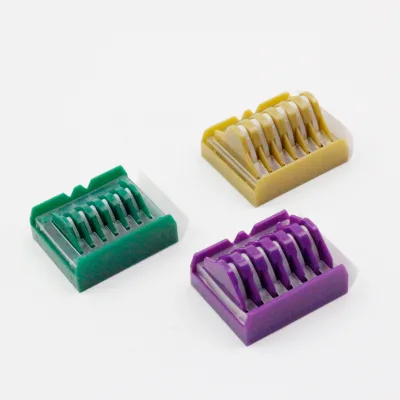
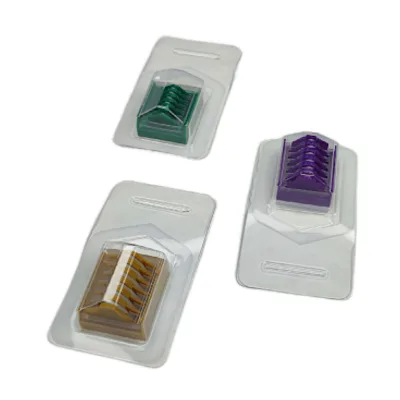
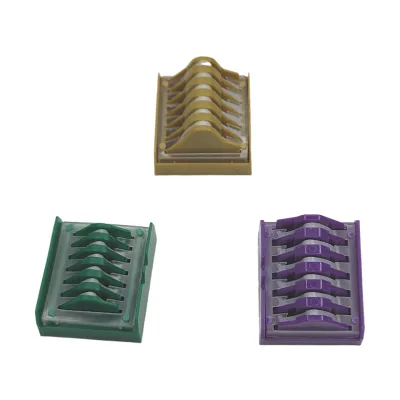
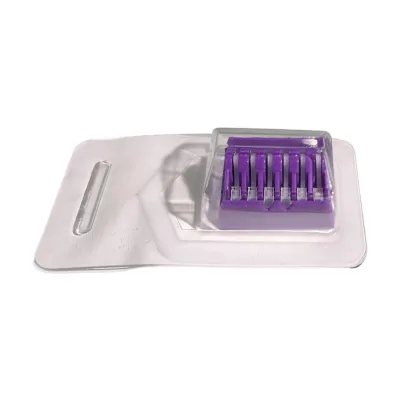
Color coding and packaging details also serve as important identifiers in the sourcing process. Products are described with colors such as golden, purple, and green, which often correspond to specific sizes or locking strengths in standardized surgical systems. The single package size and gross weight, such as 10x5x5 cm and 0.004 KG respectively, provide insights into the density and packaging efficiency of the clips. Buyers should verify if the packaging is standard or customized, as this can impact storage logistics and inventory management in hospital settings.
Technical Specifications to Verify
Material composition is the most critical technical specification to verify when sourcing surgical clips. Titanium clips are noted for their biocompatibility and long-term implantability, making them suitable for permanent occlusion, while polymer-based clips like Hem-o-lok offer high tensile strength and a secure locking mechanism. Buyers must confirm the surface finish, which is often described as smooth with functional grooves or one-piece molding, to ensure ease of deployment and minimal tissue trauma. The structure of the clip, such as a hollow arm with corrugated fold, also plays a role in its clamping performance and stability.
Sterilization and shelf life are essential technical factors that directly impact patient safety and inventory turnover. Most observed products are ethylene oxide (EO) sterilized, a standard method for heat-sensitive medical devices, and come with a shelf life ranging from one to three years. Buyers should verify the expiration date upon receipt and ensure that the packaging integrity remains intact to maintain sterility. Additionally, the power source is manual for these clips, meaning the applicator device must be compatible with the clip design to ensure proper deployment during surgery.
Compliance and Safety Documentation
Regulatory compliance is non-negotiable in the medical device supply chain, and buyers must rigorously audit the documentation provided by suppliers. The presence of CE and ISO certifications, specifically ISO13485 for quality management systems, is a strong indicator of a supplier’s commitment to standardized manufacturing processes. However, buyers should not rely solely on the presence of these marks; they must request valid certificates and verify their authenticity through official databases. The classification of the product as Class II further underscores the need for thorough regulatory scrutiny, as these devices carry a moderate to high risk of injury if they fail.
Safety standards and quality certifications must be cross-referenced with the intended market regulations. While CE marking is observed, buyers targeting other regions must ensure that the products meet local regulatory requirements, such as FDA clearance for the United States. The warranty period, often listed as one year, provides some assurance of product durability, but it does not replace the need for comprehensive quality audits. Buyers should also verify the after-sale service provisions, such as online technical support or return and replacement policies, to mitigate risks associated with defective batches.
Cost Drivers and Commercial Terms
Pricing in the surgical clip market is influenced by material costs, sterilization methods, and order volume. The observed price range of 1-90 USD suggests significant variation based on product type, with titanium clips generally commanding higher prices due to material and processing costs. Buyers should analyze the cost per unit in the context of the minimum order quantity (MOQ), which ranges from 1 to 500 sets. Larger orders may offer economies of scale, but buyers must balance this with storage capacity and shelf life constraints to avoid waste.
Shipping and logistics costs are additional factors that can impact the total cost of ownership. Suppliers often offer various shipping options, including DHL, UPS, FedEx, and EMS, which vary in speed and cost. Buyers should negotiate clear Incoterms to define responsibility for shipping and insurance. The single selling unit format simplifies pricing calculations, but buyers must account for any additional fees for logo printing or customized packaging, which may be offered as value-added services.
Supplier Qualification and Quality Control
Supplier qualification begins with verifying the place of origin and manufacturing capabilities. Major production hubs like Chongqing and Zhejiang are known for their medical device manufacturing clusters, but buyers must conduct on-site or virtual audits to assess quality control processes. The brand names, such as Lanze or Zoustech/OEM, indicate that some suppliers offer private labeling services, which requires strict adherence to quality standards to protect the buyer’s reputation. Buyers should request samples to evaluate the physical quality, including the smoothness of the surface and the precision of the locking mechanism.
Quality control measures should include inspection of the sterilization process and packaging integrity. The claim of 100% quality is a common marketing statement, but buyers must implement their own incoming inspection protocols. This includes checking for defects in the clip structure, such as cracks or deformities, and verifying the sterility indicators on the packaging. Establishing a clear communication channel for reporting defects and initiating returns is essential for maintaining a reliable supply chain and ensuring patient safety.
Long-Term Procurement Checks
Long-term procurement success depends on continuous monitoring of supplier performance and product consistency. Buyers should establish key performance indicators (KPIs) related to delivery times, defect rates, and responsiveness to technical support. Regular reviews of the supplier’s quality management system, including ISO13485 compliance, are necessary to ensure ongoing adherence to standards. Any changes in the manufacturing process or material sourcing should be communicated and approved by the buyer to prevent unexpected variations in product performance.
Inventory management strategies must account for the shelf life and sterilization stability of the clips. Buyers should implement a first-expired-first-out (FEFO) system to minimize waste and ensure that only fresh stock is used in surgical procedures. Additionally, staying informed about regulatory updates and emerging technologies in surgical closure devices is crucial for maintaining a competitive and safe procurement strategy. Building a diversified supplier base can also mitigate risks associated with supply chain disruptions and ensure continuity of care.
FAQs
What certifications do these surgical closure clips hold?
These surgical closure clips hold CE and ISO quality certifications, ensuring compliance with international medical device standards. The manufacturing facilities adhere to ISO13485 safety standards for quality management. This dual certification confirms the products meet rigorous regulatory requirements for surgical supplies, providing assurance of consistent quality and safety for clinical applications.
How are the titanium clips sterilized for surgical use?
The titanium clips are sterilized using Ethylene Oxide (EO) sterilization. This method ensures the devices are EO sterile and safe for immediate surgical application. The sterilization process maintains the integrity of the material, allowing for reliable performance during endoscopic tissue and vessel occlusion procedures without compromising the clip's structural strength or biocompatibility.
What is the shelf life of the non-absorbable ligation clips?
The shelf life of these non-absorbable ligation clips is three years. This duration ensures the products remain stable and effective until their intended use. Buyers should store the clips in appropriate conditions to maintain their sterility and structural integrity throughout this period, ensuring they meet surgical requirements when deployed in clinical settings.
Can these clips be customized with a specific logo?
Yes, these surgical clips can be customized with logo printing. Manufacturers offer this service to allow buyers to brand the products for their specific market needs. This customization option is available alongside standard packaging, providing flexibility for distributors and hospitals to maintain their brand identity while sourcing high-quality surgical closure materials.
What is the minimum order quantity for these surgical clips?
The minimum order quantity for these surgical clips is one set. This low MOQ allows buyers to test the product quality before committing to larger orders. It facilitates easy procurement for small clinics or hospitals, enabling them to source necessary surgical supplies without significant initial inventory investment or bulk purchasing requirements.
Which materials are used to manufacture these ligation clips?
These ligation clips are manufactured from titanium. This material provides excellent biocompatibility and is suitable for long-term implantable applications. The titanium construction ensures durability and strength during surgical procedures, making it ideal for occluding tissues and vessels. The smooth surface finish further enhances safety and ease of use in complex surgical environments.