Source CE ISO Ultrasonic Cleaning Machine for Food, Auto, Industrial Parts
Find 30 CE ISO Ultrasonic Cleaning Machine options for food industry, automotive, and industrial parts. Compare automatic models with digital displays, heating functions, and customizable tank sizes to find the right solution for your sourcing needs.
Key considerations
Products List

Digital Display Mechanical Ultrasonic Cleaner Ultrasonic Cleaning Machine
$59.00 - $929.00
MOQ: 1 Pieces


$200000.00 - $400000.00
MOQ: 1 Pieces


Automatic Ultrasonic Cleaning Machine
$5000.00 - $30000.00
MOQ: 1 SET
Dongguan Greatwell Environmental Protect Technology Co., Ltd.

Ultrasonic Cleaning Machine Ultrasonic Equipment
$1000.00 - $5000.00
MOQ: 1 SET
Dongguan Greatwell Environmental Protect Technology Co., Ltd.


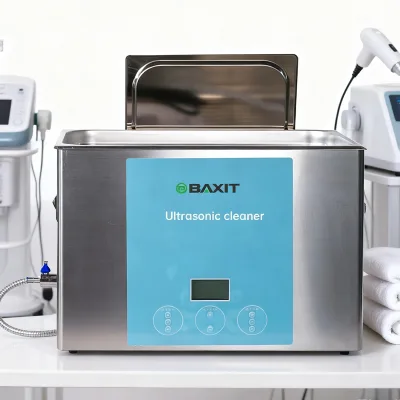


Ultrasonic Cleaner Washing Machine
$4100.00 - $12000.00
MOQ: 1 Pieces
Linyi City Lanshan District Wenbo Power Supply Equipment Factory

Ultrasonic Cleaner for Industrial Applications
$4100.00 - $12000.00
MOQ: 1 Pieces
Linyi City Lanshan District Wenbo Power Supply Equipment Factory


Comprehensive Sourcing Guide
CE ISO Ultrasonic Cleaning Machine Sourcing Guide
Procuring industrial ultrasonic cleaning equipment requires a disciplined approach to distinguishing between generic listings and verified manufacturing capabilities, particularly when the core keyword involves specific compliance markers like CE and ISO. Buyers must recognize that while many suppliers advertise these certifications, the actual scope of coverage varies significantly between a basic CE mark for electrical safety and a full ISO 9001 quality management system audit. The observed market data indicates a wide spectrum of products ranging from small 1-30L units to large-scale automated systems, necessitating a clear definition of the intended application before engaging with potential vendors.
The decision to proceed with a specific supplier hinges on verifying that the listed technical attributes align with the buyer's specific cleaning requirements, such as the distinction between dry and wet cleaning media or the necessity for specific ultrasonic frequencies. Since the observed product range includes models with varying power outputs from 50W to 800W and different control systems ranging from manual to PLC automation, the procurement strategy must prioritize suppliers who can demonstrate the specific configuration required for the target industry, whether it be food processing, automotive parts, or general industrial components.
Product Scope and Observed Listing Signals
Buyers should first analyze the observed listing signals to understand the breadth of the available product ecosystem, noting that the market presents a price range from $24 to $1,500,000, which reflects the vast difference between benchtop units and fully integrated automated lines. The presence of a minimum order quantity (MOQ) of 1 across the observed data suggests that suppliers are catering to both pilot testing and bulk industrial deployment, but the price variance indicates that the lower end likely represents basic single-tank units while the higher end encompasses complex, multi-stage systems with advanced automation features.
When evaluating product scope, it is critical to distinguish between the specific cleaning principles advertised, as the data shows a mix of physical cleaning methods, chemical cleaning agents, and dry cleaning media. A buyer must verify if the supplier offers the specific cleaning precision required, ranging from general industrial cleaning to ultra-precision cleaning, and ensure that the machine type, such as an integrated style or mechanical cleaning method, matches the physical constraints of the parts being processed. The observation of "Bakr Factory" as a product descriptor and various model series like the D Series or BK-4800E highlights the need to confirm that the specific model number corresponds to the exact configuration and capacity needed for the operation.
Technical Specifications to Verify
The verification of technical specifications must begin with the ultrasonic frequency, as the observed data lists options ranging from 28kHz to 60kHz, each serving different cleaning needs for delicate versus heavy-duty parts. Buyers should confirm the ultrasonic direction, noting that some units offer three-sided or more directional emission, which significantly impacts the uniformity of cleaning in complex geometries, and ensure that the frequency is adjustable or fixed based on the specific material and contaminant profile of the application.
Power and temperature control are equally critical parameters that require strict validation against the supplier's data sheet, as the observed range spans from 50W to 800W and temperatures from 0 to 99 degrees Celsius. Procurement teams must verify the voltage compatibility, specifically checking for 380V or optional configurations, and confirm the timing range capabilities, which can vary from 0-999 minutes to 1-600 minutes adjustable, to ensure the machine can handle the required cycle times without manual intervention. Additionally, the material construction, typically SUS304 stainless steel or coil configurations, must be confirmed to guarantee corrosion resistance and longevity in wet cleaning environments.
Compliance and Safety Documentation
Compliance verification extends beyond the mere presence of a CE mark to include the specific standards cited, such as ISO9001 or ISO9001-2000, which indicate the supplier's commitment to quality management systems rather than just product safety. Buyers must request the actual certification documents to confirm that the specific model being purchased is covered under the valid ISO audit, as the observed data lists multiple standard variations including CE/ISO9001-2000 and CE; ISO9001, which may represent different versions or scopes of certification.
Safety documentation should also address the electrical and operational risks associated with high-power ultrasonic systems, requiring suppliers to provide detailed manuals on voltage requirements, heating element safety, and thermostat functionality. The presence of features like digital displays and PLC controls necessitates that the supplier provides clear documentation on the control logic and safety interlocks to prevent operator error, ensuring that the machine adheres to the relevant electrical safety standards for the destination market.
Cost Drivers and Commercial Terms
The cost of an ultrasonic cleaning machine is driven by several factors including the cleaning tank size, which is often customized, and the complexity of the control system, ranging from simple digital timers to full PLC automation. Buyers should anticipate that the price will scale significantly with the inclusion of advanced features such as heating, thermostats, and multi-directional ultrasonic emission, as well as the material grade of the tank, with SUS304 stainless steel commanding a premium over standard steel constructions.
Commercial terms must be clarified regarding the packing and shipping logistics, as the observed data indicates options ranging from contact-based arrangements to wooden case packaging, which impacts the final landed cost and protection during transit. Procurement teams should negotiate lead times and payment terms based on the customization level of the order, noting that while the MOQ is observed as low as 1, custom tank sizes and specific voltage requirements may extend the production lead time and require a deposit structure that reflects the non-standard nature of the equipment.
Supplier Qualification and Quality Control
Supplier qualification should focus on the ability to provide evidence of the claimed certifications and the specific manufacturing capabilities required for the custom aspects of the order, such as the customized cleaning tank size or specific model configurations like the BK-4800E. Buyers must verify that the supplier has a track record of delivering machines that meet the specific application requirements, such as the food industry or auto industry, by requesting case studies or references that demonstrate the successful deployment of similar ultrasonic cleaning systems.
Quality control processes must be established to ensure that the delivered machine matches the agreed-upon specifications, including the verification of the ultrasonic frequency, power output, and temperature control accuracy. It is essential to define acceptance criteria that include a functional test of the heating, timing, and thermostat functions, as well as a visual inspection of the stainless steel construction to ensure there are no defects that could compromise the cleaning performance or the longevity of the equipment.
Long-Term Procurement Checks
Long-term procurement checks should include a review of the supplier's after-sales support capabilities, particularly regarding the availability of spare parts for the ultrasonic transducers, coils, and control boards, which are critical components that may require replacement over the life of the machine. Buyers should establish a maintenance schedule that aligns with the usage intensity, ensuring that the cleaning media and temperature settings are optimized to prevent premature wear on the system components.
Finally, the procurement strategy must account for the potential need for future upgrades or expansions, such as increasing the cleaning capacity or adding additional automation features. Suppliers should be evaluated on their willingness to support these future needs, ensuring that the initial investment in the CE ISO Ultrasonic Cleaning Machine remains a scalable solution that can adapt to changing production demands without requiring a complete system replacement.
FAQs
What cleaning principles do these machines use?
These machines utilize both physical and chemical cleaning principles. Some models employ dry cleaning methods while others use wet cleaning with ultrasonic waves to ensure thorough removal of contaminants from industrial parts.
Which certifications are available for these units?
Available certifications include CE and ISO9001 standards. These documents verify that the manufacturing processes and product safety meet international requirements for industrial equipment used in various sectors like food and automotive industries.
Can the cleaning tank size be customized?
Yes, the cleaning tank size is fully customized to meet specific buyer requirements. This flexibility allows manufacturers to tailor the machine capacity, ranging from 1 to 30 liters, for different industrial applications and production needs.
How is the temperature controlled during operation?
The temperature is controlled via a thermostat function ranging from 0 to 99 degrees Celsius. This feature ensures precise heating for effective cleaning cycles while maintaining safety and efficiency for sensitive materials and components.
What materials are used for the machine construction?
Machines are constructed from SUS304 stainless steel and coil materials. This durable construction ensures resistance to corrosion and wear, making the equipment suitable for harsh industrial environments and long-term operational reliability.
Which industries can utilize these ultrasonic cleaners?
These cleaners are designed for the food industry, auto industry, and general industrial parts processing. They effectively clean engine parts and other components using ultrasonic frequencies ranging from 28kHz to 60kHz for optimal results.