Source Art Deco Ceramic Candle Pot for Home Decor, Events, and Gardens
Explore 30 listings of Art Deco Ceramic Candle Pot options suitable for home decoration, holiday events, and garden settings. Buyers can compare sizes, styles, and customization features to find the ideal vessel for their needs.
Key considerations
Products List




Comprehensive Sourcing Guide
Strategic Sourcing Guide for Art Deco Ceramic Candle Pots
The global market for decorative home furnishings has seen a sustained demand for items that blend historical aesthetic movements with functional utility. Among these, the Art Deco Ceramic Candle Pot represents a specific niche where geometric precision, luxurious materials, and ambient lighting converge. For procurement professionals and B2B buyers, sourcing these items requires a nuanced understanding of the intersection between ceramic manufacturing capabilities and the specific design requirements of the art deco style. This guide provides a disciplined framework for evaluating suppliers, verifying product attributes, and managing the procurement lifecycle for ceramic candle holders and vessels.
Understanding Product Attributes and Design Specifications
The foundation of successful sourcing lies in the precise definition of product attributes. In the context of the supplied data, ceramic candle products are characterized by specific material compositions, shapes, and decorative processes. The primary material identified is ceramic, which offers durability and a distinct thermal mass suitable for candle holders. The surface decoration is frequently noted as "painted," a critical detail for achieving the high-contrast, geometric, or metallic finishes often associated with the art deco era.
When evaluating potential inventory, buyers must distinguish between general flower pots and specialized candle vessels. The data indicates a range of product models, such as ATHC25 and ATHC129, which are explicitly categorized as "Ceramic Candle Jars" or "Ceramic Candle Vessels." These items often feature keywords like "Marble Pattern" or "Modern Taper Candlestick Holder," suggesting a design language that may incorporate stylized patterns or solid colors like white and blue. The shape is predominantly round, but the dimensions vary significantly across models. For instance, specific standards list dimensions such as 10.5x 10.5cm, 25.525.513cm, or larger units like 393946cm.
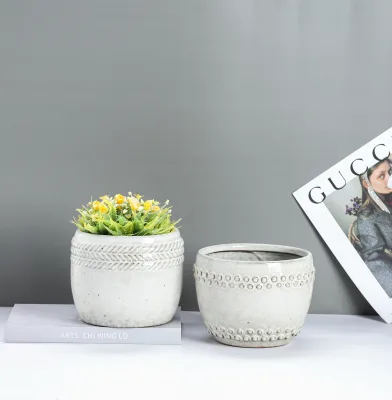
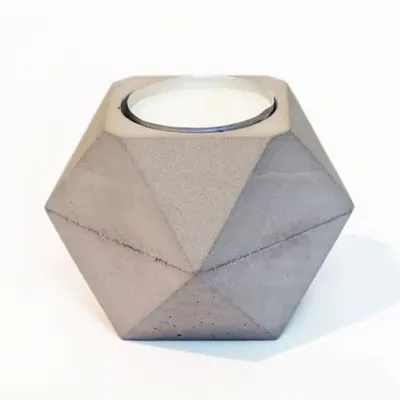
Buyers should verify that the "Size" attribute aligns with the intended use. While some models offer "Customized Size" or "Customize" options, others adhere to fixed standards like 1316.515cm. The "Art Deco" designation is not always a formal specification in supplier catalogs; rather, it is an interpretation of the product's visual language. Therefore, procurement teams must scrutinize images and samples to confirm that the geometric lines, color palettes (such as white, blue, or marble patterns), and surface finishes meet the specific aesthetic criteria of the art deco movement before committing to an order.
Technical Standards and Dimensional Verification
Technical compliance in ceramic manufacturing is often defined by dimensional tolerances and structural integrity rather than a single universal standard. The supplied product data lists various "prod_standard" entries, which serve as the baseline for dimensional expectations. These include measurements like 14.512.522cm, 9.38.4cm, and 21.59.5*5.5cm. It is imperative for buyers to understand that these figures represent the physical envelope of the product, which directly impacts packaging efficiency and shipping costs.
When sourcing art deco ceramic candle pots, the buyer must verify that the actual product dimensions match the listed standards within an acceptable tolerance range. Ceramic firing processes can introduce slight variations in shrinkage, meaning a product listed as 10.5x 10.5cm might vary slightly in the final batch. For custom orders, where the "Size" is listed as "Customized," the supplier must provide a detailed technical drawing or prototype approval process to ensure the final output matches the design intent.
Furthermore, the "prod_packing" attribute indicates that products are typically shipped in cartons, though some options may be "Without Packing" or offer "Customed" packaging. The choice of packaging is a technical consideration that affects the protection of the fragile ceramic material during transit. Buyers should request specific packaging protocols that include internal cushioning to prevent chipping, especially for items with intricate art deco detailing that might be prone to damage. The transportation method is generally listed as "by Sea," which necessitates robust packaging to withstand long-haul maritime conditions and potential humidity fluctuations.
Cost Drivers and Economic Factors
The pricing structure for ceramic candle pots is influenced by several variables, including material quality, decoration complexity, and order volume. The observed price range in the market spans from 0.15 to 10 USD, a wide spectrum that reflects the diversity of product quality and design intricacy. Lower-priced items likely represent mass-produced, standard-sized ceramic vessels with minimal decoration, while higher-priced items may feature complex painted art deco patterns, custom sizes, or premium finishes.
The Minimum Order Quantity (MOQ) is a significant economic factor in procurement. The data indicates an MOQ range of 100 to 5000 units, with specific models like the ATHC series showing an MOQ of 500pcs. This variability allows buyers to scale their orders based on their inventory needs and cash flow constraints. However, the "Customization" attribute suggests that bespoke designs may incur higher MOQs or setup costs. Buyers must calculate the total landed cost, which includes the unit price, freight charges, and any potential duties, rather than focusing solely on the ex-factory price.
Additionally, the "prod_origin" is listed as China, which is a major hub for ceramic manufacturing. This location offers competitive labor and material costs but requires careful management of logistics and lead times. The "Transportation" method being "by Sea" implies longer lead times compared to air freight, which buyers must factor into their supply chain planning. The "MOQ" of 500pcs for certain models indicates that smaller buyers may need to consolidate orders or negotiate with suppliers who can accommodate lower volumes, potentially at a higher unit cost.
Supplier Evaluation and Quality Assurance
Selecting the right supplier is critical for ensuring product consistency and reliability. The "prod_prop.Customization: Available" attribute suggests that many suppliers are willing to adapt products to specific client needs, but this capability must be verified through a rigorous evaluation process. Buyers should assess the supplier's production capacity, quality control systems, and ability to maintain the "Art Deco" aesthetic across large batches.
Quality control for ceramic products involves checking for defects such as cracks, glaze imperfections, and dimensional inaccuracies. Since the "Surface Decoration" is often "Painted," buyers must ensure that the paint application is even, durable, and free from smudging or color bleeding. The "prod_standard" dimensions must be met consistently, and any deviation should be addressed before shipment. For custom orders, a pre-production sample approval is essential to validate the design, color, and size before mass production begins.
The "prod_packing" and "prod_origin" details also play a role in supplier evaluation. A supplier with a strong track record in "Carton" packing and experience with "by Sea" transportation will likely have established protocols to minimize damage during transit. Buyers should request references or case studies from previous clients who have ordered similar ceramic candle products to gauge the supplier's reliability. Additionally, the "brand name" of the supplier, such as "Livi," may indicate a level of established reputation, though buyers should verify this independently rather than relying solely on the brand name provided in the listing.
Typical Applications and Market Positioning
The application of art deco ceramic candle pots extends beyond simple illumination; they serve as decorative elements in various settings. The data highlights "Home Gardening," "Home Furnishing," and "Garden Decoration" as key application scenes. This versatility allows these products to be marketed to a broad range of retail channels, including home decor stores, gift shops, and online marketplaces. The "Theme" attributes of "Holidays, Festival, Party, Wedding" further expand the potential use cases, positioning these items as seasonal or event-specific decor.
For B2B buyers, understanding the end-user context is vital for product selection. A candle pot designed for "Home Furnishing" may require a more subtle, elegant design compared to one intended for "Garden Decoration," which might need to withstand outdoor conditions. The "Type" of product, whether a "Flowerpot" or a "Flower Pot," and the "Applicable" category of "Flowers/Plants" suggest that some units may be dual-purpose, serving as both planters and candle holders. This dual functionality can be a unique selling point for retailers looking to maximize shelf space and product utility.
The "Keyword" and "Keyword1" attributes, such as "Ceramic Candle Holder" and "Modern Taper Candlestick Holder," indicate that these products are often searched for by consumers looking for specific styles. Buyers should align their product selection with current market trends, ensuring that the art deco designs resonate with contemporary tastes while maintaining the classic appeal of the movement. The "Color" options, including "Blue and So on" and "White and So on," provide flexibility for buyers to curate collections that match specific interior design themes.
Long-Term Procurement Considerations
Sourcing art deco ceramic candle pots is not merely a transactional activity but a strategic partnership that requires long-term planning. The "Customization" availability offers opportunities for brand differentiation, but it also introduces complexity in managing inventory and production schedules. Buyers should establish clear communication channels with suppliers to ensure that custom designs are produced consistently over time. The "prod_model" numbers, such as 20042-, 80031/32, and PJ353, serve as unique identifiers that should be maintained in the buyer's inventory management system to track product availability and performance.
Sustainability and compliance are also emerging considerations in the ceramic industry. While the supplied data does not explicitly mention certifications, buyers should proactively inquire about the environmental impact of the manufacturing process, including glaze safety and energy consumption. The "prod_standard" dimensions and "prod_packing" methods should be optimized to reduce waste and improve logistics efficiency. As the market evolves, buyers must remain agile, adapting their sourcing strategies to meet changing consumer preferences and regulatory requirements.
In conclusion, sourcing art deco ceramic candle pots requires a meticulous approach that balances aesthetic requirements with technical specifications and economic realities. By leveraging the detailed product attributes, verifying standards, and evaluating suppliers rigorously, buyers can build a robust supply chain that delivers high-quality, stylish products to the market. The wide range of models, from standard sizes to customized vessels, offers ample opportunity for differentiation and growth in the competitive home decor sector.
FAQs
Can I order custom sizes for art deco ceramic candle pots?
Yes, customization is available for many models including ATHC129. Buyers should verify specific size requirements with the supplier before placing an order to ensure the final dimensions match the design intent.
What is the typical minimum order quantity for these products?
The minimum order quantity ranges from 100 to 5000 units depending on the specific model. For example, the ATHC series requires a minimum of 500 pieces, while other standard models may start at 100.
Which surface decoration styles are common for these ceramic pots?
The surface decoration is frequently noted as painted to achieve specific finishes. This process allows for the high-contrast or geometric patterns often associated with the art deco aesthetic found in the product catalog.
How are these ceramic candle pots typically packaged for shipping?
Products are typically shipped in cartons to protect the fragile material. Some options may be available without packing or with custom packaging, so buyers should confirm the specific protocol to prevent damage during transit.
What are the standard dimensions for the ATHC25 model?
The ATHC25 model has a standard dimension of 10.5 by 10.5 centimeters. Buyers should verify that the actual product dimensions match this standard within an acceptable tolerance range due to ceramic firing variations.
Can I source these ceramic pots directly from China?
Yes, the product origin is listed as China, which is a major hub for ceramic manufacturing. Buyers should factor in sea transportation lead times and logistics costs when planning their supply chain from this location.
What price range can I expect for art deco ceramic candle pots?
The observed price range in the market spans from 0.15 to 10 USD per unit. This wide spectrum reflects differences in material quality, decoration complexity, and order volume rather than a single fixed price point.