Source Cell Broken Pine Pollen Powder for Medicine Food Supplements
Find 30 verified listings for Cell Broken Pine Pollen Powder suitable for medicine, food, and supplements. Buyers can compare certifications like FDA and ISO, assay methods including HPLC, and packaging options ranging from foil bags to drums.
Key considerations
Products List


Stable Supply High Quality Bulk Pine Pollen 99% Cell Wall Broken Pine Pollen Powder
$20.00 - $35.00
MOQ: 1 kilograms

Natural Health Use Hot Sell Top Quality 20: 1 Pine Pollen Extract Powder
$10.00 - $35.00
MOQ: 25 kilograms




Comprehensive Sourcing Guide
Strategic Sourcing Guide for Cell Broken Pine Pollen Powder
Understanding the Product and Technical Specifications
Cell Broken Pine Pollen Powder represents a specialized botanical ingredient where the natural outer shell of the pollen grain has been mechanically or physically disrupted. This process, often referred to as "broken" or "cell wall broken," is critical for bioavailability. The natural pollen wall is resistant to digestion, meaning that without this treatment, the internal nutrients remain inaccessible to the human body. The primary objective of sourcing this material is to secure a product where the cell wall disruption is verified, ensuring that the active components within the pollen can be effectively absorbed during consumption.
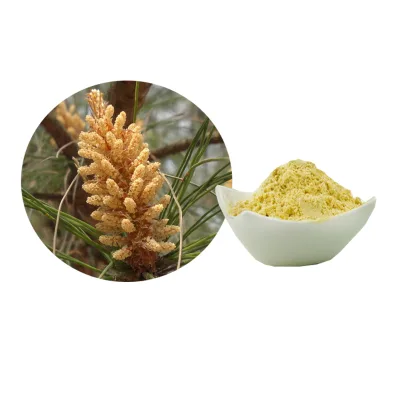
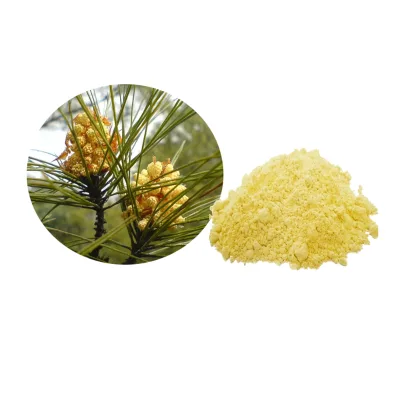
Based on observed market data, the physical appearance of this ingredient is consistently described as a yellow fine powder or yellow powder. The color is a key visual indicator of the raw material's integrity and the absence of significant oxidation or contamination during processing. The standard specification for the active content or purity is frequently cited as 99% or greater than 98%, though buyers must verify the specific assay method used to determine this figure. The material is derived from the flower part of the pine tree, and the extraction type typically involves solvent extraction methods to isolate specific compounds while maintaining the integrity of the pollen structure.
The physical state of the product is invariably a powder, which dictates its handling requirements and suitability for various downstream manufacturing processes. The product is available in different models, such as generic "Pine pollen" or specific designations like "HZ-Pine Pollen Powder," indicating that manufacturers may have proprietary processing techniques or grading systems. The active ingredient profile often highlights protein content, but the product is also categorized under broader features such as vitamins, making it a versatile ingredient for multi-functional formulations.
Compliance Framework and Certification Verification
In the global B2B market for botanical ingredients, compliance is not merely a formality but a fundamental requirement for market access. The pine pollen powder sector is heavily regulated due to its dual application in food and health care products. Buyers must rigorously verify that suppliers possess a comprehensive suite of certifications. The observed market landscape includes a wide array of recognized standards, including FDA registration, ISO certification, and GMP (Good Manufacturing Practice) compliance. These are non-negotiable for suppliers targeting the North American and European markets.
Beyond the major Western standards, international buyers should look for specific regional certifications that may be required for their target markets. The supply chain data indicates the presence of KOSHER and JAS (Japanese Agricultural Standard) certifications, which are essential for products destined for religiously observant consumers or the Japanese market. Additionally, organic certifications such as OCIA (Organic Crop Improvement Association) and NOP (National Organic Program) are frequently listed, suggesting that suppliers can provide organically sourced material if required by the buyer's specification.
Food safety management systems are equally critical. HACCP (Hazard Analysis and Critical Control Points) is a standard requirement, often paired with QS (Quality Safety) standards, particularly for products originating from China. For suppliers exporting to the European Union, BRC (British Retail Consortium) certification is a common benchmark for food safety and quality management. It is important to note that while RoHS is listed in some product attributes, this standard typically applies to electronics; its presence in a botanical context may indicate a supplier's broad compliance portfolio or a misunderstanding of the standard's application, and thus requires clarification during the audit process.
Buyers should not assume that a single certification covers all bases. A robust supplier will provide a matrix of certifications that align with the specific regulatory requirements of the destination country. The verification process should include checking the validity dates of these certificates and ensuring they cover the specific manufacturing site and product line being sourced.
Cost Drivers and Pricing Structure Analysis
The pricing of Cell Broken Pine Pollen Powder is influenced by a complex interplay of factors, primarily driven by the degree of cell wall breaking, the purity level, and the scale of the order. The observed price range in the market spans from approximately $7.02 to $200 per unit, a wide variance that reflects differences in quality, processing intensity, and packaging specifications. This range indicates that buyers must be precise in their specifications to avoid overpaying for lower-grade material or underestimating the cost of high-purity, certified organic options.
The Minimum Order Quantity (MOQ) is a significant cost driver. Market data shows an MOQ range from 1kg to 25kg, with specific listings indicating 1kg or 2kg as common entry points. For small-scale buyers or those conducting initial product development, the ability to source in quantities as low as 1kg is a critical advantage, allowing for cost-effective sampling and testing. However, larger orders typically benefit from economies of scale, which can significantly reduce the unit price. The flexibility in MOQ allows buyers to manage cash flow more effectively, especially when introducing a new product to the market.
Packaging requirements also impact the final cost. Standard packaging includes foil bags and 25kg drums, or combinations of foil bags and cartons. For smaller orders, 1kg bags are available. The choice of packaging—whether vacuum-packed, drum-packed, or custom requirements—adds to the logistical cost. Vacuum packing is often preferred for maintaining the shelf life and preventing oxidation, which is crucial for a product with a 24-month shelf life. Buyers should factor in the cost of specialized packaging if they require custom labeling or specific barrier properties to meet their distribution channel requirements.
Typical Applications and Formulation Considerations
The versatility of Cell Broken Pine Pollen Powder makes it suitable for a diverse range of applications across the food, beverage, and pharmaceutical industries. The primary application categories identified are medicine, health care products, and food. This broad applicability stems from the nutritional profile of the pollen, which includes proteins, vitamins, and other bioactive compounds. In the health care sector, the product is frequently utilized in supplements designed for adult consumers, targeting general wellness and immune support.
The physical form of the ingredient, a fine yellow powder, makes it highly compatible with various dosage forms. The most common applications include capsules and tablets, where the powder is compressed or filled into gelatin or vegetarian shells. The "cell broken" nature of the powder ensures that the supplement delivers the intended bioactive benefits effectively. Additionally, the product can be incorporated into functional foods, such as protein bars, smoothies, and powdered drink mixes, where its yellow color and nutritional profile add value.
For manufacturers, the compatibility of the ingredient with different extraction types is a key consideration. While the raw material is processed via solvent extraction to achieve the broken cell state, the final powder is ready for direct incorporation into formulations. The product is suitable for unisex applications and targets the adult age group, making it a staple ingredient for broad-market health products. The shelf life of 24 months, provided the product is stored in a cool, dry place, allows for stable inventory management and long-term supply chain planning.
Supplier Evaluation and Quality Control Protocols
Evaluating a supplier for Cell Broken Pine Pollen Powder requires a multi-faceted approach that goes beyond price and basic certifications. The first step is to verify the origin of the material. The primary production region identified is Shaanxi, China, a location known for its botanical resources. Buyers should confirm that the supplier's facility is located in this region or has a direct sourcing agreement with growers in Shaanxi to ensure traceability and quality consistency.
Quality control is paramount in the botanical industry. Buyers must demand detailed test reports that align with the specified assay methods. The market data highlights HPLC (High-Performance Liquid Chromatography) as a standard assay method, often supplemented by UV, GPC, and HPLC-MS techniques. These methods are essential for quantifying the active ingredients and ensuring the 99% or 98% purity claims are accurate. Additionally, TLC (Thin Layer Chromatography) is mentioned as a test method, which can be used for preliminary screening of specific compounds.
The supplier's ability to provide samples is a critical indicator of their confidence in their product. The availability of samples allows buyers to conduct their own internal testing, verifying the appearance, solubility, and potency of the powder. The storage requirements, specifically "cool, dry place protected," must be strictly adhered to by the supplier to maintain the product's integrity during transit. Buyers should also inquire about the supplier's inventory status, as "in stock" availability can significantly reduce lead times and ensure a steady supply for production schedules.
Long-Term Procurement and Supply Chain Stability
Securing a long-term supply of Cell Broken Pine Pollen Powder requires a strategic approach that prioritizes stability and continuity. The product is currently listed as "in stock," which is a positive indicator for immediate procurement needs. However, buyers should assess the supplier's capacity to scale production to meet future demand. The availability of customization, including custom packaging and specific grading requirements, suggests that suppliers are flexible and willing to adapt to the buyer's evolving needs.
The shelf life of 24 months provides a window for strategic stockpiling, but buyers must ensure that their storage facilities meet the "cool and dry" requirements to prevent degradation. Proper storage is essential to maintain the product's quality over time. Additionally, the supplier's ability to handle large orders, such as 25kg drums, versus small orders, such as 1kg bags, should be evaluated to ensure they can support both pilot runs and full-scale production.
Sustainability and ethical sourcing are becoming increasingly important in the botanical industry. Buyers should inquire about the supplier's practices regarding the harvesting of pine pollen to ensure that it does not negatively impact the environment or the pine tree populations. While specific sustainability certifications were not explicitly detailed in the provided data, the presence of organic certifications like OCIA and NOP suggests that some suppliers adhere to sustainable agricultural practices.
In conclusion, sourcing Cell Broken Pine Pollen Powder involves a careful balance of technical verification, compliance checks, and strategic supplier selection. By focusing on the specific attributes of the product, such as the cell wall breaking process, the purity levels, and the comprehensive certification portfolio, buyers can secure a high-quality ingredient that meets their regulatory and formulation requirements. The wide range of applications and the flexibility in packaging and MOQ make this ingredient a valuable asset for manufacturers in the health and food sectors.
FAQs
What certifications do Cell Broken Pine Pollen Powder suppliers typically hold?
Suppliers typically hold FDA, ISO, GMP, HACCP, and KOSHER certifications. Some also provide JAS, OCIA, NOP, QS, and BRC standards to meet diverse regional regulatory requirements for food and health care products.
How is the purity of Cell Broken Pine Pollen Powder verified?
Purity is verified using HPLC, UV, GPC, and HPLC-MS assay methods. Specifications often cite 99% or greater than 98% purity, with TLC used for preliminary screening of specific compounds in the yellow fine powder.
What is the minimum order quantity for Cell Broken Pine Pollen Powder?
The minimum order quantity ranges from 1kg to 25kg depending on the supplier. Some vendors offer 1kg bags for sampling, while standard bulk orders often utilize 25kg drums or foil bags.
Where is Cell Broken Pine Pollen Powder primarily manufactured?
The product is primarily manufactured in Shaanxi, China. Buyers should verify the specific origin to ensure traceability, as this region is known for its botanical resources and production of this yellow powder.
How should Cell Broken Pine Pollen Powder be stored to maintain quality?
Store the powder in a cool, dry place protected from moisture and light. Proper storage ensures a shelf life of 24 months and prevents oxidation of the yellow fine powder used in supplements and food.
Can Cell Broken Pine Pollen Powder be customized for specific applications?
Yes, customization is available for packaging and specific grading requirements. Suppliers can provide foil bags, vacuum-packed drums, or custom cartons to suit capsule, tablet, or general food formulation needs.