Source Cellphone for Business, Gaming, and Elderly Use
Explore 30 Cellphone options featuring Android systems, various screen sizes, and multiple camera configurations. Buyers can compare specifications like battery capacity, storage, and network standards to find suitable devices for business, gaming, or elderly care applications; compare the available evidence and request quotations based on your requirements.
Key considerations
Products List


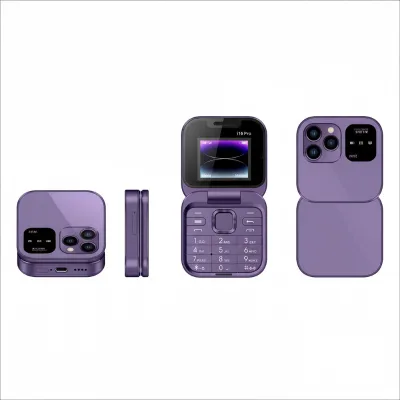



Cheap Big Screen HD Smartphones Global Version Cellphones Smart Phone
$169.79 - $298.42
MOQ: 1 Minimum
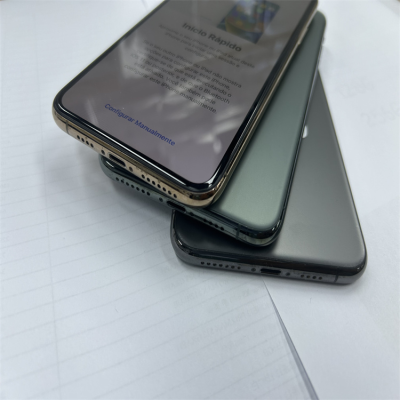
5G Dual SIM Dual Camera Cellphone WiFi Hotspot GPS Smartphone Unlocked(Renewed)
$163.18 - $356.95
MOQ: 1 Minimum


Mobile Phone Second-Hand Phone S7 with GSM and LTE Cellular Mobile Phone
$49.00 - $53.00
MOQ: 2 Pieces

Original Second Hand Used Mobile Phone for A12 Smart Cellphone Refurbished
$60.00 - $62.00
MOQ: 2 Pieces


Original Phone A72 4G Cellphone 6.7" 5000 mAh HD Mobile Phone Dual SIM Android 11 Smartphone
$280.00 - $310.00
MOQ: 20 Pieces



Comprehensive Sourcing Guide
Cellphone Sourcing Guide
Sourcing cellphones requires a disciplined approach to balancing technical specifications with commercial viability, especially when navigating a market with significant variance in product attributes. Buyers must first establish clear requirements for their target demographic, whether that involves business professionals, elderly users, or gaming enthusiasts, as the supplied data indicates a wide range of styles from smart phones to flip feature phones. The observed listing signals suggest a market segment that includes both high-end specifications, such as AMOLED screens and octa-core processors, and entry-level devices with basic LCD displays and lower RAM capacities. This diversity necessitates a rigorous verification process to ensure that the selected supplier can consistently deliver the specific configuration required for your brand or distribution channel.
The procurement strategy must also account for the flexibility offered by manufacturers, particularly regarding customization and OEM/ODM services. Many suppliers in this space offer available customization options, allowing buyers to tailor packaging, software interfaces, and even hardware components to meet specific regional or corporate needs. However, this flexibility comes with the responsibility of managing complex supply chain variables, including varying minimum order quantities and lead times. Buyers should prioritize suppliers who demonstrate transparency in their production capabilities and quality control measures, ensuring that the final product meets the agreed-upon standards for performance, durability, and user experience.
Product Scope and Observed Listing Signals
The current market landscape for cellphones presents a broad spectrum of device types, ranging from advanced smart phones with Android operating systems to simpler flip feature phones designed for specific use cases. Observed listings indicate a strong presence of devices targeting multiple segments, including business, camera, music, TV, and gaming applications. This variety is reflected in the diverse screen technologies available, with some models featuring TFT displays while others utilize AMOLED panels, offering different trade-offs in terms of color accuracy, power consumption, and cost. Buyers should carefully evaluate these distinctions to align product selection with their end-users' preferences and usage patterns, ensuring that the chosen device delivers the expected visual and functional experience.
Pricing and minimum order quantities (MOQ) exhibit significant variability, with observed price ranges spanning from approximately $1.79 to over $830 USD and MOQs ranging from single units to thousands. This wide disparity suggests that the market includes both low-cost, high-volume commodity devices and premium, feature-rich models suitable for niche markets. Buyers must analyze these commercial signals in conjunction with technical specifications to determine the most cost-effective sourcing strategy. Understanding the relationship between price, volume, and feature set is crucial for negotiating favorable terms and ensuring that the procurement budget aligns with the projected sales volume and profit margins for the targeted market segment.
Technical Specifications to Verify
When evaluating Cellphone specifications, buyers must prioritize the verification of core hardware components that directly impact device performance and user satisfaction. Key areas of focus include the screen size, which ranges from compact 5.1-6.0 inch displays to larger screens exceeding 6.1 inches, and the screen material, whether TFT or AMOLED, which affects visual quality and energy efficiency. Additionally, the camera capabilities, including front and rear pixel counts, should be assessed based on the intended use case, with some models offering high-resolution rear cameras exceeding 13MP and others providing basic front-facing cameras for video calls. Buyers should also verify the RAM and ROM capacities, noting that configurations can vary from 1GB/4GB to 2GB/16GB, to ensure adequate storage and multitasking performance for the target audience.
Network compatibility and connectivity options are critical technical factors that must be confirmed to ensure global or regional usability. Listings indicate support for various network standards, including GSM, 3G, and 4G, with some devices featuring dual SIM slots for enhanced flexibility. Data interfaces also vary, with some models offering Type-C ports while others rely on Micro USB, impacting charging speed and peripheral compatibility. Buyers should also check the battery capacity, which ranges from under 1500mAh to over 3000mAh, to ensure sufficient power for the device's intended usage duration. Verifying these specifications against the target market's infrastructure and user expectations is essential to avoid compatibility issues and ensure a seamless user experience.
Compliance and Safety Documentation
Ensuring that sourced cellphones meet all relevant regulatory and safety standards is a non-negotiable aspect of the procurement process. Buyers must verify that suppliers provide comprehensive documentation, including certificates of conformity, test reports for electromagnetic compatibility, and safety assessments for battery integrity. Given the diverse range of devices available, from basic feature phones to complex smart phones, the specific compliance requirements may vary depending on the destination market and the device's technical capabilities. Buyers should work closely with their suppliers to obtain all necessary certifications, such as CE, FCC, or RoHS, to ensure that the products can be legally imported and sold in their target regions without facing regulatory hurdles or customs delays.
In addition to regulatory compliance, buyers should also consider the environmental and social responsibility aspects of their sourcing decisions. This includes verifying that the manufacturing processes adhere to recognized environmental standards and that the suppliers maintain ethical labor practices. While specific certifications may not be explicitly listed in all product descriptions, buyers should proactively request information regarding the supplier's sustainability initiatives and compliance with international labor standards. By prioritizing suppliers who demonstrate a commitment to ethical and environmentally responsible practices, buyers can mitigate reputational risks and align their procurement strategies with the growing consumer demand for sustainable and socially conscious products.
Cost Drivers and Commercial Terms
The total cost of ownership for sourced cellphones is influenced by a variety of factors, including the raw material costs, manufacturing complexity, and the level of customization required. Devices with advanced features, such as AMOLED screens, high-resolution cameras, and octa-core processors, typically command higher prices due to the increased cost of components and the complexity of assembly. Buyers should also consider the impact of packaging options, with some suppliers offering standard packing while others provide customized color packaging, which can affect both the unit cost and the logistics expenses. Understanding these cost drivers allows buyers to make informed decisions about which features are essential and which can be simplified to achieve a more competitive price point.
Commercial terms, including payment conditions, shipping arrangements, and warranty policies, play a significant role in the overall procurement strategy. Buyers should negotiate favorable terms that align with their cash flow requirements and risk tolerance, such as requesting partial payments upfront and the balance upon shipment or delivery. It is also important to clarify the warranty period and the process for handling defective units, ensuring that the supplier provides adequate support for post-sale issues. By establishing clear and mutually beneficial commercial terms, buyers can protect their interests and ensure a smooth transaction process, minimizing the potential for disputes and financial losses.
Supplier Qualification and Quality Control
Selecting a reliable supplier is paramount to ensuring the consistent quality and timely delivery of sourced cellphones. Buyers should conduct thorough due diligence on potential suppliers, verifying their business licenses, manufacturing capabilities, and track record in the industry. This includes assessing their production capacity, quality control processes, and ability to meet specific customization requirements. Suppliers who offer OEM/ODM services should be evaluated based on their flexibility and responsiveness to buyer requests, as well as their ability to maintain consistent quality across large production runs. By partnering with qualified suppliers, buyers can mitigate the risks associated with supply chain disruptions and ensure that the products meet their high standards.
Implementing a robust quality control process is essential to maintaining product integrity and customer satisfaction. Buyers should establish clear quality standards and inspection criteria, which may include pre-production samples, in-process inspections, and final random inspections before shipment. It is also advisable to engage third-party inspection agencies to conduct independent quality audits, providing an objective assessment of the supplier's compliance with agreed-upon specifications. By actively monitoring the quality of the sourced cellphones, buyers can identify and address potential issues early in the production process, reducing the likelihood of defects and returns, and ensuring that the final products meet the expectations of their end-users.
Long-Term Procurement Checks
Building a sustainable and resilient supply chain requires ongoing monitoring and evaluation of supplier performance and market trends. Buyers should regularly review key performance indicators, such as on-time delivery rates, product quality metrics, and responsiveness to issues, to ensure that their suppliers continue to meet their expectations. This includes conducting periodic audits and site visits to verify that the supplier's operations remain compliant with agreed-upon standards and regulations. By maintaining a proactive approach to supplier management, buyers can identify potential risks early and take corrective actions to mitigate their impact, ensuring the continuity of their supply chain.
Additionally, buyers should stay informed about emerging technologies and market shifts that may impact the Cellphone industry, such as advancements in screen technology, battery efficiency, or network standards. This includes monitoring changes in consumer preferences and regulatory requirements in their target markets, which may necessitate adjustments to their product sourcing strategies. By remaining agile and adaptable, buyers can capitalize on new opportunities and respond effectively to challenges, ensuring that their procurement activities remain aligned with their long-term business objectives and contribute to their overall success in the competitive Cellphone market.
FAQs
What screen materials are available for these cellphones?
The available screen materials include TFT and AMOLED displays. These options provide different visual experiences for users. TFT screens are commonly used for standard viewing, while AMOLED offers richer colors. Buyers can choose based on their specific display quality requirements and budget constraints for the final product.
Can these cellphones support dual SIM functionality?
Yes, certain models support dual SIM card slots. This feature allows users to manage two phone numbers simultaneously. It is particularly useful for business travelers or individuals who separate personal and professional communications. Buyers should verify specific model capabilities to ensure the dual SIM feature meets their operational needs.
What operating systems are used in these mobile phones?
The primary operating system used is Android. This provides access to a wide ecosystem of applications and services. Some models may also feature specialized styles like business or gaming optimizations. The Android platform ensures compatibility with most standard apps, making it a versatile choice for various consumer segments and use cases.
Are customization and OEM services available for these products?
Yes, customization and OEM services are available for these cellphones. Buyers can request specific branding, packaging, or feature modifications. This flexibility allows businesses to tailor products to their market needs. It is essential to discuss specific requirements with suppliers to ensure the customization aligns with production capabilities and quality standards.
What is the typical battery capacity range for these devices?
Battery capacities range from 1000-1499mAh to over 3000mAh. Lower capacities are found in compact or feature-focused models, while higher capacities support longer usage times. Buyers should select based on their target audience's power needs. This variation allows for diverse product offerings, from lightweight devices to long-lasting smartphones.
Which network standards do these cellphones support?
These cellphones support GSM, 3G, and 4G network standards. This ensures compatibility with most global mobile networks. Buyers can rely on these standards for broad connectivity in various regions. It is important to verify specific model support for the target market's network infrastructure to ensure seamless service delivery.