Source Ceramic Pet Trimmer Blades for Cat, Dog, and Face Grooming
Explore 30 listings for Ceramic Pet Trimmer Blades designed for cat, dog, and face grooming. Buyers can compare specifications like battery life, blade material, and waterproof ratings to find suitable suppliers for pet grooming needs.
Key considerations
Products List


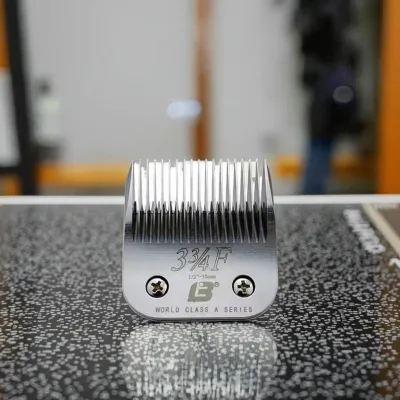
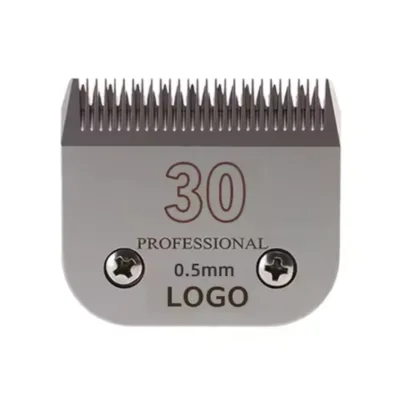
Professional Stainless Steel Ceramic Clipper Blades for Pet Pubic Hair Trimmer
$2.30 - $2.80
MOQ: 100 Pieces

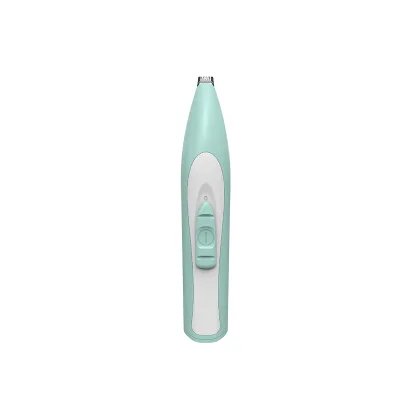
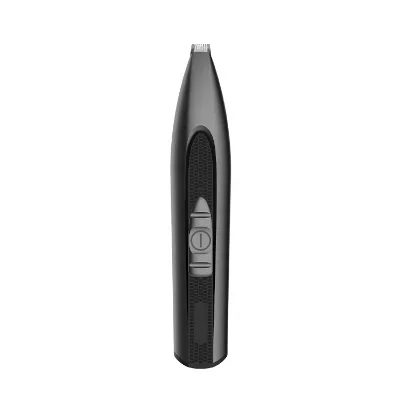
Professional Electric Clipper Blades for Pet Paw Toe Hair Trimming Grooming
$1.50 - $2.00
MOQ: 100 Pieces








Comprehensive Sourcing Guide
Strategic Sourcing Guide for Ceramic Pet Trimmer Blades
The global demand for specialized pet grooming equipment has surged, driven by the increasing recognition of pet health and the professionalization of the grooming industry. Among the various tools available, Ceramic Pet Trimmer Blades have emerged as a premium choice for both professional groomers and pet owners. These blades offer distinct advantages over traditional steel counterparts, particularly regarding heat resistance, corrosion resistance, and sharpness retention. However, sourcing these components requires a disciplined approach to ensure that the specific attributes of the product align with operational needs. This guide provides a comprehensive framework for evaluating ceramic blades, focusing on technical specifications, material integrity, and supplier reliability based on verified market data.
Technical Specifications and Material Composition
Understanding the technical architecture of ceramic blades is the first step in effective procurement. Unlike standard steel blades, ceramic variants utilize advanced ceramic materials, often zirconia-based, which provide superior hardness and thermal stability. The supplied product data indicates a specific material composition where the moving blade is constructed from ceramic while the fixed blade may be stainless steel. This hybrid configuration is critical for performance; the ceramic moving blade ensures a cool cutting action, while the steel fixed blade provides the necessary structural rigidity to maintain alignment.
Buyers must verify the exact dimensions and geometry of the blades to ensure compatibility with existing clippers. Product specifications in the current market range from specific model identifiers like GHCG-PC-006 to PGX, each potentially carrying unique dimensional requirements. For instance, observed product sizes in the broader category include measurements such as 16.3*2cm, which suggests that blade width and length vary significantly based on the intended application. When sourcing, it is essential to confirm whether the blade is designed for narrow or wide head applications, as this dictates the surface area coverage during grooming. Furthermore, the presence of features such as LED lights or specific knife head widths (e.g., 18mm) should be cross-referenced with the clipper model to ensure seamless integration.
Performance Characteristics and Operational Efficiency
The operational efficiency of ceramic blades is defined by their ability to maintain a sharp edge under friction. One of the primary advantages of ceramic material is its low thermal conductivity, which prevents the blade from heating up rapidly during prolonged use. This characteristic is particularly beneficial for sensitive pet skin, reducing the risk of thermal burns. The supplied data highlights that these blades are often used for specific grooming tasks including clipping, blade grinding, and hair removal from areas such as paws, ears, the face, and the mouth.
Battery-powered systems often accompany these blades, necessitating a check on power compatibility. While some units operate on 3.7V batteries with capacities ranging from 500mAh to 1500mAh, others may require different input voltages, such as 5V.1A.3W or 110-240V AC inputs. The charging time is another critical variable; observed data suggests charging durations can vary from 1 hour to 3 hours. Procurement teams must ensure that the power source of the clipper matches the blade's electrical requirements to avoid performance issues. Additionally, the waterproof rating of the unit is a significant factor. While some models are explicitly marked as waterproof, others are not, which dictates the cleaning protocols and the environments in which the equipment can be safely used.
Compliance, Standards, and Safety Verification
In the B2B procurement of pet grooming tools, verifying compliance with safety and quality standards is non-negotiable. The supplied context references specific standard dimensions, such as 25x22x13 cm or 8x5x16 cm, which likely refer to packaging or product standardization rather than the blade itself. However, buyers must not assume that these dimensions represent the safety certification of the blade. Instead, the focus should be on verifying that the manufacturer adheres to relevant international safety standards for electrical appliances and cutting tools.
Buyers should request documentation confirming that the ceramic material meets food-grade or medical-grade safety standards if the product is intended for use on animals with sensitive skin. While the data mentions "Standard" as a product attribute, this is a generic term and does not constitute a specific certification like ISO or CE. It is imperative to ask suppliers for explicit proof of compliance with local regulations in the target market. For instance, if the product is manufactured in China or Zhejiang, China, the supplier should provide evidence of export compliance and any third-party testing results that validate the durability and safety of the ceramic coating. Without such documentation, the risk of liability in the event of product failure or injury remains high.
Cost Drivers and Pricing Dynamics
The pricing of Ceramic Pet Trimmer Blades is influenced by several factors, including material costs, manufacturing complexity, and customization options. The observed price range in the market spans from $0.10 to $58.90, a wide variance that reflects differences in quality, brand positioning, and feature sets. Lower-priced items may be basic replacement blades, while higher-priced units could include advanced features like LED lighting, enhanced battery life, or specialized packaging.
Customization is a significant cost driver. The data confirms that customization is available, which allows buyers to tailor the product to their brand requirements. However, OEM/ODM availability often comes with a Minimum Order Quantity (MOQ). The observed MOQ range is substantial, spanning from 1 to 3000 units. Buyers must balance the desire for customization against the financial commitment required by higher MOQs. Additionally, packaging costs can vary; some products are individually packaged in PP boxes within a carton, while others come in gift boxes or standard cartons. These packaging choices impact the final landed cost and should be factored into the total procurement budget.
Supplier Evaluation and Reliability Assessment
Selecting the right supplier is as critical as selecting the right product. The sourcing guide emphasizes the need to evaluate suppliers based on their production capabilities, lead times, and quality control processes. The supplied data indicates a delivery time of 2-15 days depending on the quantity, which suggests a relatively agile supply chain. However, buyers should verify this lead time against their specific order volume to avoid stockouts.
When evaluating potential suppliers, it is essential to confirm their location and origin. The data points to China and specifically Zhejiang, China, as common origins for these products. While this region is a hub for manufacturing, buyers should conduct due diligence to ensure the supplier has a proven track record of exporting high-quality ceramic blades. Questions regarding the supplier's capacity to handle large orders, their return policies, and their after-sales support should be addressed early in the negotiation process. Furthermore, the availability of spare parts and the longevity of the blade's warranty are key indicators of supplier reliability.
Quality Control and Long-Term Procurement Considerations
Implementing a robust quality control (QC) protocol is essential for maintaining the integrity of the ceramic blades. Given the brittle nature of ceramic materials, QC should focus on detecting micro-cracks or imperfections that could lead to blade failure during use. Buyers should request pre-shipment inspection reports that detail the results of hardness tests, edge retention tests, and thermal stability checks. The observed usage of materials like stainless steel for fixed blades and ceramics for moving blades requires a QC process that verifies the bonding strength between these two materials.
Long-term procurement considerations also involve the lifecycle management of the blades. Ceramic blades are known for their durability, but they are not indestructible. Buyers should establish a replacement schedule based on usage intensity and monitor the performance of the blades over time. The data indicates that some blades have a specific usage time, such as 120 minutes of continuous operation, which can serve as a benchmark for performance evaluation. Additionally, the packaging method, whether it is a box, case, or carton, plays a role in protecting the blades during transit and storage. Ensuring that the packaging is robust enough to prevent damage is a critical aspect of the procurement strategy.
Application-Specific Sourcing Strategies
Different grooming applications require different blade specifications. The data highlights that these blades are suitable for a wide range of uses, including cat and dog grooming, with specific functions for paw, ear, butt, mouth, and face hair removal. When sourcing, buyers should categorize their needs based on the specific animal and the grooming area. For example, blades used for delicate areas like the face may require a narrower head and a more precise ceramic edge, while those used for general body clipping might prioritize a wider head and higher durability.
The versatility of the product is evident in the available options, such as the choice between narrow and wide heads. Buyers should analyze their client base to determine the optimal mix of blade types. If the target market includes professional groomers who handle a variety of breeds, a diverse inventory of blade sizes and types is necessary. Conversely, for a niche market focusing on specific breeds, a more specialized selection may be more appropriate. Understanding these application nuances ensures that the procurement strategy aligns with market demand and maximizes the utility of the purchased inventory.
Conclusion
Sourcing Ceramic Pet Trimmer Blades requires a meticulous approach that balances technical specifications, supplier reliability, and cost considerations. By focusing on the material composition, operational efficiency, and compliance standards, buyers can secure high-quality products that meet the rigorous demands of the pet grooming industry. The wide range of available options, from basic replacement blades to advanced, customized units, offers significant opportunities for strategic procurement. However, the success of these efforts depends on thorough due diligence, rigorous quality control, and a clear understanding of the specific needs of the target market. As the market continues to evolve, staying informed about the latest technological advancements and supplier capabilities will be essential for maintaining a competitive edge in the procurement of pet grooming tools.
FAQs
What materials are used for Ceramic Pet Trimmer Blades?
The moving blade is constructed from ceramic while the fixed blade is made of stainless steel. This hybrid configuration ensures a cool cutting action and structural rigidity for effective grooming.
Which battery specifications are available for these trimmers?
Available battery capacities range from 500mAh to 1500mAh with voltages of 3.7V or 5V. Charging times vary between 1 hour and 3 hours depending on the specific model selected.
Can I find waterproof Ceramic Pet Trimmer Blades?
Some models are explicitly marked as waterproof while others are not. Buyers must verify the waterproof rating before purchase to ensure safe cleaning protocols and usage environments.
How long does it take to charge the device?
Charging times observed in the market range from 1 hour to 3 hours. The exact duration depends on the specific model's battery capacity and power input requirements.
What is the minimum order quantity for customization?
The minimum order quantity ranges from 1 to 3000 units depending on the supplier and customization level. Buyers should confirm specific MOQs when requesting OEM or ODM services.
Where are these ceramic blades typically manufactured?
Products are primarily manufactured in China, with specific origins noted in Zhejiang. Buyers should verify the exact location to ensure compliance with export regulations and quality standards.
What packaging options are available for these products?
Packaging options include individual PP boxes within cartons, gift boxes, or standard cases. The specific packaging type impacts the final landed cost and product protection during transit.