Source Ceramic Salt and Pepper Shakers for Home, Dining, and Retail
Explore 30 Ceramic Salt and Pepper Shakers available for customization. Compare options featuring polyresin and ceramic materials, various shapes like jars and vials, and capacities ranging from 50 mL to 125 mL. Find suitable designs for home decoration, dining service, and retail inventory with flexible MOQs and sample times.
Key considerations
Products List

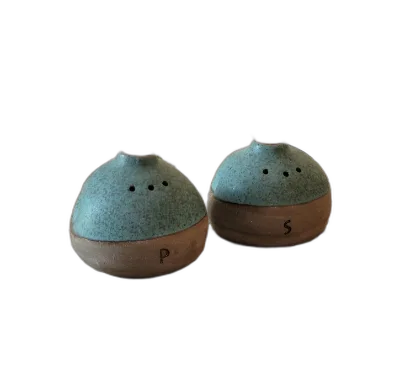
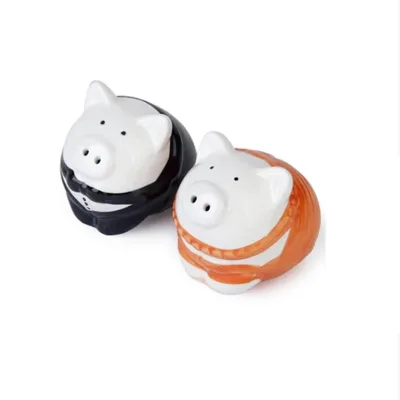
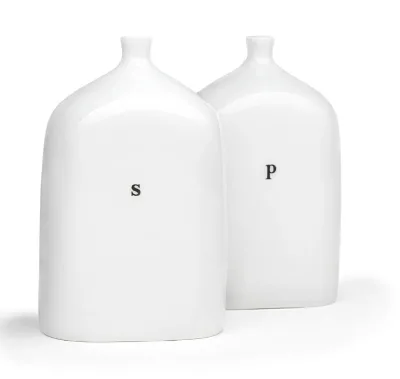
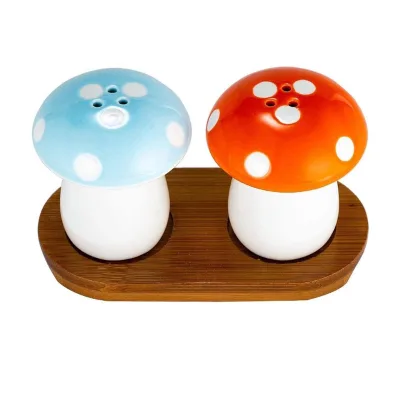
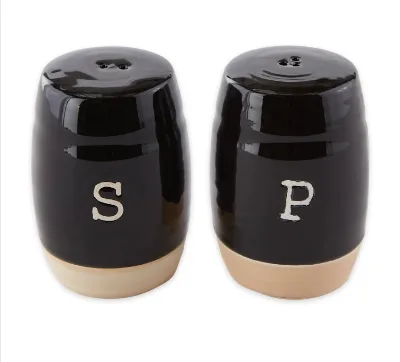
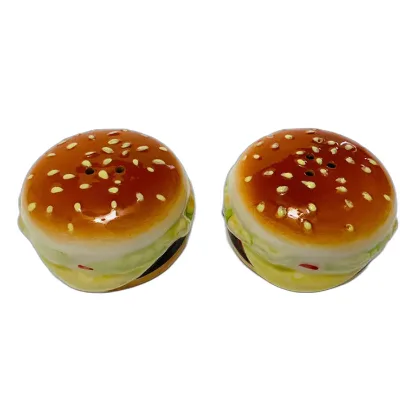
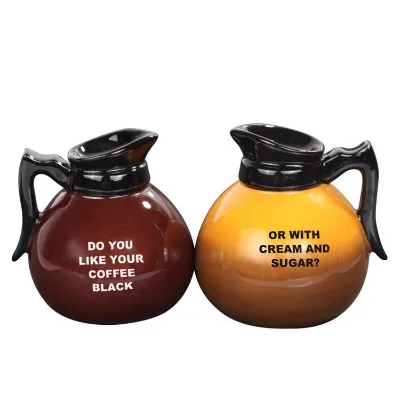
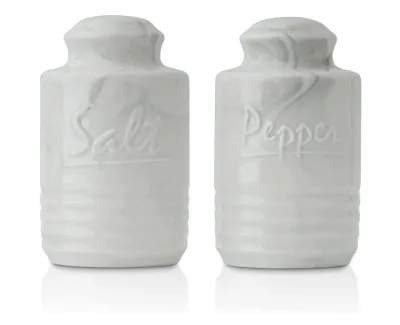
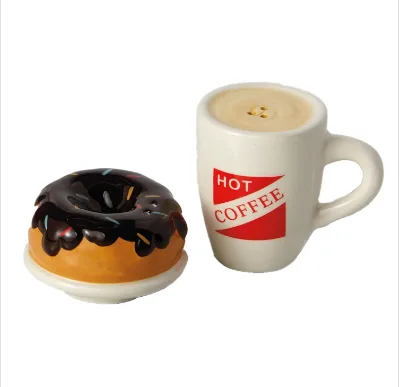


Unique Design Porcelain Shaker Sets Black Pepper Shaker White Salt Shaker
$0.66 - $1.34
MOQ: 100 Pieces




Comprehensive Sourcing Guide
Ceramic Salt and Pepper Shakers Sourcing Guide
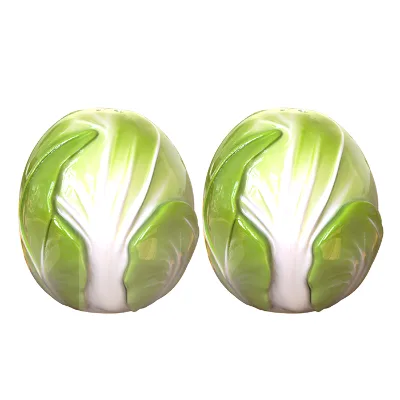
Procurement of Ceramic Salt and Pepper Shakers requires careful evaluation of material composition and functional design to ensure durability in daily kitchen environments. Buyers must distinguish between standard ceramic units and polyresin alternatives, as the latter offers different weight and fragility profiles. The observed product range includes specialized shapes like jars, vials, and decorative piggy designs, each serving distinct aesthetic and storage needs. Understanding these material distinctions is the first step in aligning supplier capabilities with specific inventory requirements.
Commercial viability depends heavily on verifying minimum order quantities and sample lead times before committing to bulk production. Current market data indicates a wide range of entry thresholds, with some suppliers requiring as few as 300 pieces while others demand 5000 units. Sample delivery windows typically span 15 to 30 days, necessitating early planning for product launches. Buyers should prioritize suppliers who can accommodate custom shapes and sizes, as this flexibility often correlates with higher quality control standards and better long-term partnership potential.
Product Scope and Observed Listing Signals
The available product catalog demonstrates significant variation in physical dimensions and packaging configurations, ranging from compact 8x6cm units to larger 45x45x55 cm packages. This diversity suggests that suppliers cater to both individual retail needs and bulk commercial distribution, with single gross weights fluctuating between 1.0 kg and 10.0 kg depending on the specific model. Buyers must carefully review the single package size to calculate accurate shipping costs and warehouse space requirements, as these metrics directly impact the total landed cost of the inventory.
Color and customization options are critical differentiators in this category, with listings showing specific hues like blue, black, and yellow alongside "as picture" or "as photo" designations. The ability to request customized logos and shapes is a common feature, allowing brands to create unique product identities. However, the presence of "stocked" items alongside made-to-order units requires buyers to clarify availability status immediately. Confirming whether a specific color or shape is a standard stock item or a custom run prevents unexpected delays in the supply chain.
Technical Specifications to Verify
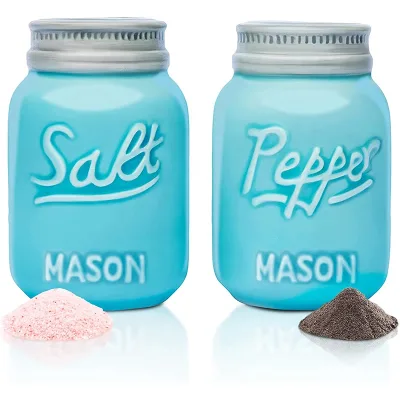
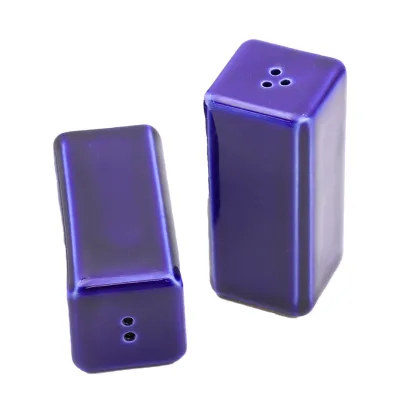
Dimensional accuracy and capacity are paramount for functional shakers, with observed specifications ranging from 50 mL to 125 mL storage volumes. Buyers should verify that the internal capacity matches the intended use case, as smaller vials may not suffice for high-volume kitchen use while larger jars might be cumbersome for individual tables. The physical dimensions, such as the 2" x 1.5" x 3.25" vial size, must be cross-referenced with the supplier's technical drawings to ensure the product fits standard dispensing mechanisms or packaging inserts.
Material consistency is another vital technical parameter, as listings explicitly mention both ceramic and polyresin compositions. While ceramic offers a traditional aesthetic and weight, polyresin provides a lighter alternative that may be preferable for specific shipping or handling scenarios. Buyers must confirm the exact material composition for each SKU to avoid receiving unexpected product types. Additionally, verifying the single gross weight against the supplier's data ensures that the quoted shipping rates are accurate and that the packaging provides adequate protection during transit.
Compliance and Safety Documentation
Food contact safety is the primary compliance concern for ceramic and polyresin shakers, requiring verification of relevant regulatory standards for the target market. Although specific certification documents are not listed in the provided data, buyers must request proof of compliance with food safety regulations such as FDA or EU standards before finalizing orders. The absence of explicit certification claims in the product listing means that due diligence is essential to ensure the materials do not leach harmful substances into food products.
Packaging integrity plays a crucial role in maintaining product safety and preventing damage during logistics. The observed packing methods, which include white boxes and safety padding, are standard but must be validated for their ability to protect fragile ceramic items. Buyers should request detailed packaging diagrams or photos to assess the cushioning materials and structural rigidity. Ensuring that the packaging meets the specific weight and fragility requirements of the product is necessary to minimize breakage rates and associated financial losses.
Cost Drivers and Commercial Terms
Pricing in this category is influenced by material costs, customization complexity, and order volume, with observed unit prices ranging from $0.23 to $8.50. The wide price spread reflects differences in production methods, from mass-produced standard items to hand-finished custom designs. Buyers should analyze the cost per unit relative to the minimum order quantity to determine the most economical procurement strategy. Understanding the relationship between price and customization levels helps in budgeting for both initial launches and ongoing replenishment cycles.
Minimum order quantities and sample lead times are significant commercial factors that affect cash flow and inventory planning. With MOQs varying from 300 to 5000 pieces, smaller buyers may face higher per-unit costs or need to consolidate orders with other suppliers. Sample times of 15 to 30 days require advance planning to allow for quality checks and design adjustments before full-scale production. Negotiating flexible terms for sample orders and establishing clear timelines for bulk production are essential steps to mitigate supply chain risks.
Supplier Qualification and Quality Control
Supplier qualification should focus on their ability to deliver consistent quality across customized orders, particularly given the variation in shapes and sizes observed in the market. Buyers must assess the supplier's track record for handling custom logo applications and specific color requests without compromising the structural integrity of the ceramic or polyresin. Verifying the supplier's production capacity and quality control processes ensures that the final products meet the expected aesthetic and functional standards.
Quality control protocols must be established to address the fragility of ceramic items and the potential for color variations in polyresin products. Buyers should implement pre-shipment inspections to verify that the single gross weight and package dimensions match the agreed specifications. Checking for defects such as cracks, chips, or uneven glazing is critical, especially for products intended for home decoration or direct food contact. Establishing a clear defect tolerance level and return policy protects the buyer from receiving substandard inventory.
Long-Term Procurement Checks
Sustaining a successful procurement relationship requires regular monitoring of supplier performance against key metrics like lead time adherence and defect rates. Buyers should track the consistency of sample delivery times, which currently range from 15 to 30 days, to identify any trends of delay that could impact future production schedules. Maintaining open communication channels ensures that any changes in material availability or production capacity are addressed promptly, preventing disruptions in the supply chain.
Continuous evaluation of product specifications and market trends is necessary to keep the product line competitive and relevant. As consumer preferences shift towards unique shapes or eco-friendly materials, buyers must stay informed about new offerings from their suppliers. Regularly reviewing the customization options and capacity specifications ensures that the product range remains aligned with market demands. This proactive approach helps in maintaining a robust and adaptable supply chain capable of responding to changing business needs.
FAQs
What materials are used for these Ceramic Salt and Pepper Shakers?
The shakers are crafted from polyresin or ceramic materials. These durable substances ensure longevity and a premium feel for home decoration. The ceramic option provides a classic aesthetic suitable for various table settings. Buyers can choose based on their preferred weight and texture for their specific kitchen or dining requirements.
Can I customize the size and shape of the shakers?
Yes, customized sizes and shapes are available for these products. Buyers can request specific dimensions to fit their branding or design needs. This flexibility allows for unique presentations, such as piggy or jar styles. Customization ensures the shakers align perfectly with your intended usage and aesthetic preferences for home decoration.
What is the minimum order quantity for these shakers?
The minimum order quantity varies between 300 and 500 pieces depending on the specific model. Some items require 300 pieces, while others may need 500 pieces. This range accommodates different buyer scales. It is advisable to check the specific product details to confirm the exact MOQ before placing an order for your sourcing needs.
How long does it take to produce a sample?
Sample production typically takes 15 to 30 days. Some specific models may require 15 to 20 days for completion. This timeframe allows for quality checks and preparation. Buyers should plan their sourcing timeline accordingly to ensure samples arrive in time for evaluation before committing to larger bulk orders for their business.
Where are these ceramic shakers manufactured?
These products originate from Fujian, China. This region is known for its ceramic manufacturing capabilities. The location supports efficient production and logistics for global buyers. Understanding the origin helps in assessing shipping routes and potential lead times for your specific supply chain requirements and international trade considerations.
What packaging is used for these salt and pepper shakers?
The shakers are packed in white boxes with safety materials. Some models include specific packaging like salt and pepper shakers plus white box and safety. This ensures protection during transit. The packaging is designed to prevent damage, maintaining the product's condition upon arrival for home decoration or retail display purposes.