Source Cherry Blossom Artificial Tree for Hotels, Malls, Events
Explore 25 listings for the Cherry Blossom Artificial Tree, comparing customization options, sizes, and prices from verified suppliers. Buyers can evaluate features like life time, material, and shipping methods to find the right decoration for indoor or outdoor spaces.
Key considerations
Products List


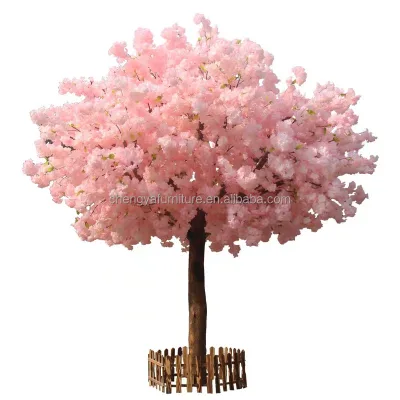
5m High Simulation Cherry Blossom Tree Artificial Plant Cherry Blossom Tree
$245.00 - $285.00
MOQ: 1 Pieces


Artificial White Color Cherry Blossom Trees Handmade Pink Tree with Cherry Blossom
$260.00 - $280.00
MOQ: 1 Meters
Comprehensive Sourcing Guide
Strategic Sourcing Guide for Artificial Cherry Blossom Trees
The global demand for artificial floral installations has surged, driven by the need for durable, low-maintenance aesthetic solutions in commercial and residential spaces. Among these, the artificial cherry blossom tree stands out as a premium choice for creating immersive environments. For procurement professionals, navigating this market requires a disciplined approach that distinguishes between generic decorative items and high-fidelity installations. This guide synthesizes available product attributes and industry standards to provide a framework for sourcing artificial cherry blossom trees that meet rigorous commercial requirements.
Technical Specifications and Material Composition
Understanding the technical construction of an artificial cherry blossom tree is the first step in ensuring product longevity and visual fidelity. The core material composition varies significantly across suppliers, directly impacting the realism and durability of the final product. Based on observed market data, the primary materials utilized include plastic and silk. Plastic components often form the structural integrity of the trunk and branches, offering resistance to environmental degradation, while silk is frequently employed for the petals to achieve a softer, more natural texture.
The manufacturing process is a hybrid approach, combining machinery for structural consistency with hand-made finishing for aesthetic detail. This "Machine+Hand-Made" or "Machinery+Handmade" process is critical for achieving the "High Simulation" advantage often cited in product listings. The trees are designed to be evergreen, maintaining their appearance year-round without the seasonal shedding associated with natural flora.
Size and dimension are highly customizable. While standard configurations may offer specific heights, such as a 5-meter option, the prevailing standard allows for full customization of height, size, and shape. The base structure is equally flexible, typically available in square or round shapes, and can be constructed with plywood frames or iron frames to ensure stability. The weight of a single unit can be substantial, with observed specifications indicating a weight of approximately 60kg per tree, necessitating careful planning for floor load capacity in indoor applications.
Customization Capabilities and Design Flexibility
One of the most significant advantages of sourcing artificial cherry blossom trees is the extensive scope for customization. Buyers are not limited to off-the-shelf inventory; rather, the product standard explicitly supports customization of height, size, and shape. This flexibility allows procurement teams to tailor installations to specific architectural constraints or design themes.
Color customization is a primary feature. While the natural cherry blossom is associated with pink, the market offers a broader palette including white, purple, and blue. Listings indicate that more than ten color options are available, allowing for brand-aligned or thematic color schemes. The trunk color is also open to customization, enabling the integration of the tree into diverse interior or exterior design palettes.
Packaging standards are another area of customization and logistical importance. To protect the product during transit, suppliers utilize various packaging methods including plywood wooden boxes, iron frames, cartons, and plywood frames. The choice of packaging often correlates with the size and fragility of the specific unit. For instance, larger installations may require the robust protection of a plywood wooden box, whereas smaller units might suffice with standard carton packaging.
Cost Drivers and Pricing Dynamics
The pricing structure for artificial cherry blossom trees is influenced by several variables, including material quality, customization level, and order volume. Observed market data indicates a price range between $90 and $489 USD. This wide variance suggests that cost is not merely a function of size but is heavily driven by the complexity of the simulation and the materials used.
The Minimum Order Quantity (MOQ) is another critical cost driver. Data shows an MOQ range from 1 piece to 10 pieces, with some specific listings indicating an MOQ of 2 meters for certain components. This low barrier to entry allows for pilot projects or small-scale installations without significant capital commitment. However, buyers must be aware that the unit price may fluctuate based on whether the order is a single custom piece or a bulk purchase.
Lead times also impact the overall cost of procurement. Production times typically range from 7 to 15 days, with sample lead times often cited as 7 days. Standard lead times for full orders are observed between 10 and 15 working days. These timelines must be factored into the project schedule to avoid delays, particularly for time-sensitive events such as weddings or grand openings.
Typical Applications and Usage Scenarios
The versatility of artificial cherry blossom trees makes them suitable for a wide array of applications. The primary use cases identified include shopping malls, hotels, cafes, restaurants, and public buildings. The product is designed for both indoor and outdoor use, provided the specific material composition is suitable for the environment.
In commercial settings, these trees serve as high-impact decorative elements. They are frequently utilized in hotel lobbies, restaurant entrances, and shopping mall atriums to create a welcoming atmosphere. The "High Simulation" attribute ensures that the trees blend seamlessly with the surrounding architecture, enhancing the customer experience without the maintenance burden of live plants.
For event planning, the trees are ideal for weddings, corporate events, and grand openings. Their ability to be customized in color and size allows event organizers to match specific themes. The "No Pollution" advantage is particularly relevant for indoor events where air quality is a concern, as these trees do not release pollen or require water.
Supplier Evaluation and Compliance Verification
When evaluating potential suppliers, buyers must look beyond the basic product description and verify critical operational details. The origin of the product is consistently listed as China, which is a major hub for artificial floral manufacturing. However, the specific supplier identity should not be assumed based on product attributes alone.
Compliance and certification checks are essential, though specific certification data is not universally provided in general product listings. Buyers should explicitly request documentation regarding fire safety standards, particularly for indoor applications in public spaces like hotels and malls. While the product attributes mention "No Pollution," this should be verified against local environmental and safety regulations.
The production process, described as "Machinery+Handmade," implies a need for quality control at both the automated and manual stages. Buyers should inquire about the supplier's quality assurance protocols to ensure that the hand-made elements meet the high simulation standards advertised. Additionally, the payment terms, such as the acceptance of PayPal, should be reviewed for security and suitability for the transaction size.
Quality Control and Long-Term Procurement Considerations
Ensuring the long-term value of the investment requires a focus on durability and maintenance. The expected life time of these trees varies, with observed ranges from 5 to 8 years up to 10 years. This discrepancy highlights the importance of selecting high-quality materials, such as UV-resistant plastics for outdoor use or high-grade silk for indoor aesthetics.
Maintenance is minimal, as the trees are artificial and do not require watering or pruning. However, the "Evergreen" feature relies on the quality of the materials to prevent fading or discoloration over time. Buyers should verify the UV stability of the materials if the trees are intended for outdoor use or areas with significant sunlight exposure.
Logistics and shipping are also critical considerations. The available shipping methods include express, air, sea, and train. The choice of shipping method will depend on the urgency of the project and the total weight of the order. Given the weight of approximately 60kg per tree, freight costs can be significant, and the packaging must be robust enough to prevent damage during transit.
Comparative Analysis of Product Attributes
To facilitate decision-making, the following table summarizes key attributes observed in the market for artificial cherry blossom trees. This comparison helps buyers identify the specific features that align with their project requirements.
| Attribute Category | Common Observation | Customization Potential |
|---|---|---|
| Material | Plastic, Silk | High (Material choice affects texture and durability) |
| Height/Size | 5m or Custom | Full customization of height, size, and shape |
| Color | White, Pink, Purple, Blue | Over 10 colors available; trunk color customizable |
| Base Shape | Square or Round | Customizable to fit specific floor plans |
| Production | Machinery + Handmade | Process allows for high simulation and detail |
| Life Time | 5-8 Years to 10 Years | Dependent on material quality and environment |
| MOQ | 1 PCS to 10 PCS | Low barrier for entry; flexible for small orders |
| Lead Time | 7-15 Days | Sample lead time is typically 7 days |
| Packaging | Plywood, Iron Frame, Carton | Robust packaging options available for protection |
Final Procurement Recommendations
Sourcing artificial cherry blossom trees requires a balance between aesthetic requirements and logistical feasibility. Buyers should prioritize suppliers who offer transparent information regarding material composition, customization limits, and lead times. The ability to customize height, color, and base shape is a significant advantage, but it must be managed within the constraints of the production timeline.
When finalizing a procurement strategy, it is essential to verify the specific application environment. For outdoor use, the durability of the plastic and silk components against UV radiation and weather elements must be confirmed. For indoor use, fire safety compliance and air quality considerations are paramount.
Finally, buyers should treat the observed attributes as a baseline for negotiation rather than a guarantee for every product. The market offers a wide range of options, and the specific combination of material, size, and customization will determine the final value proposition. By focusing on these technical and operational details, procurement professionals can secure high-quality artificial cherry blossom trees that enhance their spaces while meeting budget and timeline constraints.
FAQs
How long does production take for a custom Cherry Blossom Artificial Tree?
Production typically requires 7 to 15 days for standard orders. Sample lead times are often completed within 7 days, while full manufacturing cycles range from 10 to 15 working days depending on customization complexity.
What materials are used to construct these artificial cherry blossom trees?
These trees are primarily constructed using plastic for structural integrity and silk for realistic petals. The manufacturing process combines machinery with hand-made finishing to ensure high simulation and durability.
Can I customize the height and color of the artificial cherry blossom tree?
Yes, height, size, and shape are fully customizable to meet specific design needs. Buyers can choose from over ten flower colors including white, pink, purple, and blue, with trunk colors also available for customization.
What is the minimum order quantity for purchasing an artificial cherry blossom tree?
The minimum order quantity can be as low as one piece for many suppliers. Some specific listings may require a minimum of two meters for certain components, offering flexibility for small-scale projects.
How long does an artificial cherry blossom tree last before replacement is needed?
The expected lifespan ranges from 5 to 8 years up to 10 years depending on material quality. These trees are designed to be evergreen and maintain their appearance without seasonal shedding or maintenance.
Which packaging methods are used to protect the artificial cherry blossom tree during shipping?
Products are shipped using plywood wooden boxes, iron frames, or standard cartons for protection. The choice of packaging depends on the tree size and fragility to ensure safe transit via air, sea, or train.
Where are these artificial cherry blossom trees manufactured and shipped from?
The products originate from China, which is a major hub for artificial floral manufacturing. Shipping options include express, air, sea, and train to deliver the trees to various international destinations.