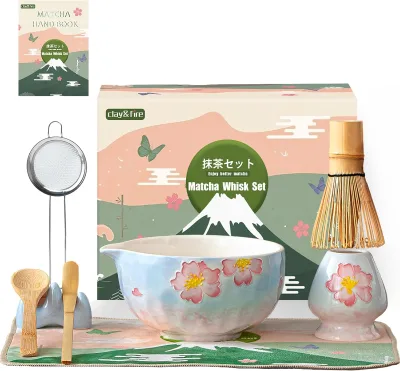
Source Cherry Blossom Porcelain Matcha Bowl and Whisk Set for cafes, homes, and gifts
Explore 30 listings for the Cherry Blossom Porcelain Matcha Bowl and Whisk Set, comparing features like customization, material, and packaging. Buyers can evaluate options from suppliers in China and Andorra to find suitable sets for desktop use or gifting.
Key considerations
Products List


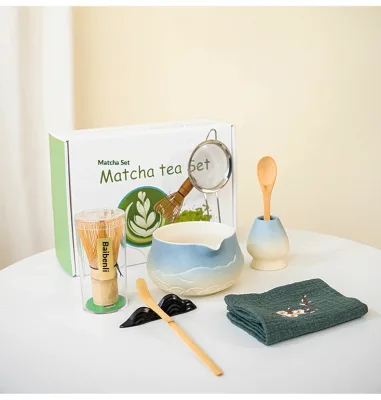
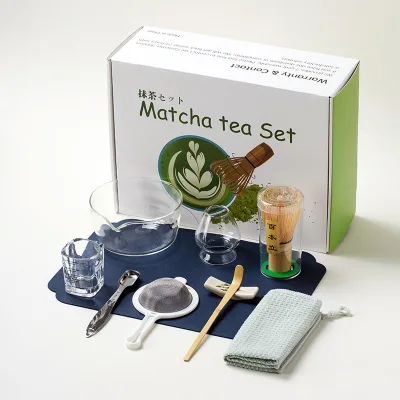
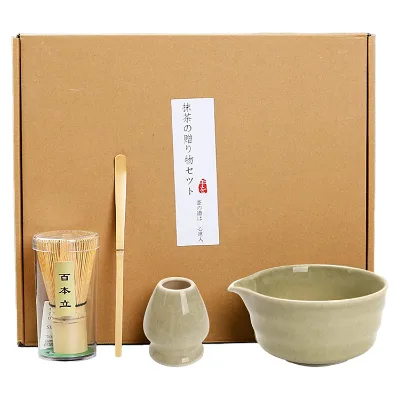
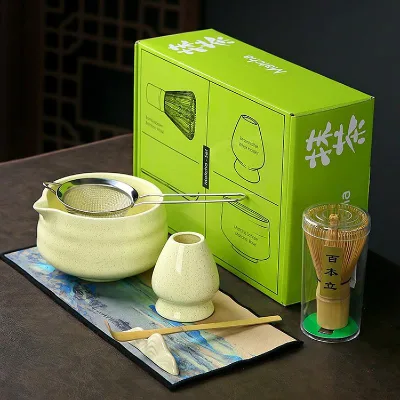
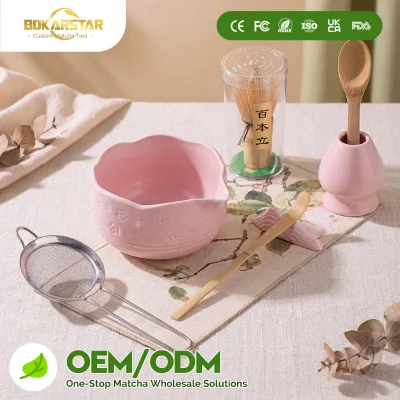
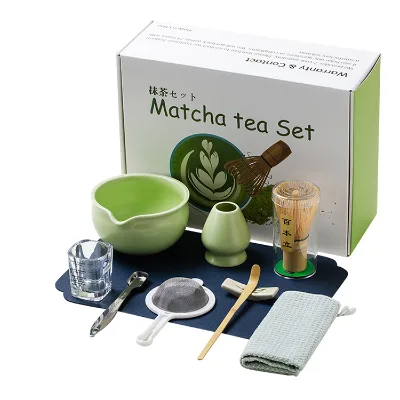


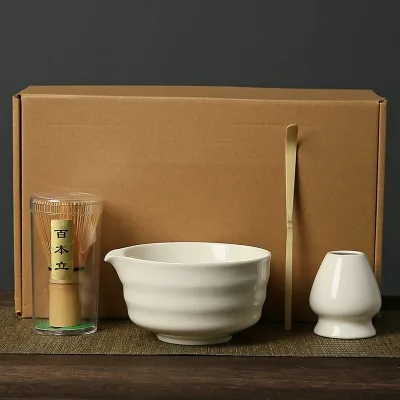
Custom Logo Delicate Handmade Glazed Matcha Bowl Whisk Set Ceramic Matcha Bowl with Spout
$2.99 - $3.09
MOQ: 500 Pieces

Matcha Chasen Set Matcha Tea Set Ceremonial Grade Whisk with Logo Matcha Tea Whisk Set
$8.99 - $9.25
MOQ: 1000 Sets


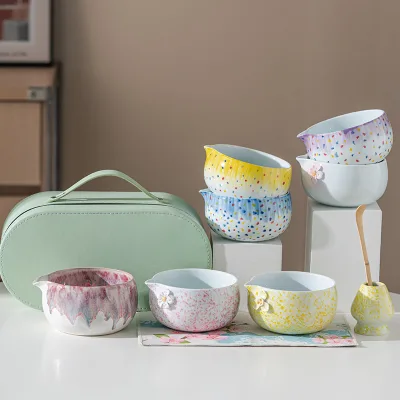

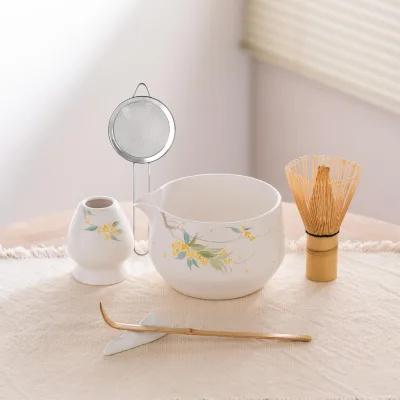





Comprehensive Sourcing Guide
Strategic Sourcing Guide for Cherry Blossom Porcelain Matcha Bowl and Whisk Sets
Understanding Product Specifications and Material Composition
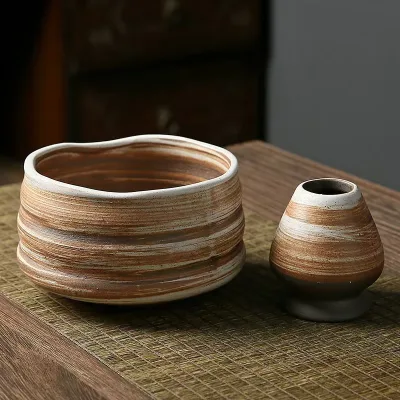
When sourcing a Cherry Blossom Porcelain Matcha Bowl and Whisk Set, the primary focus must be on the intersection of aesthetic design and functional material integrity. Based on available market data, the core material for these sets is consistently identified as ceramic, with a specific subset classified as porcelain. This distinction is critical because porcelain offers a denser, less porous structure compared to standard earthenware, which is essential for maintaining the temperature of hot tea and preventing the absorption of flavors. The observed product attributes indicate that these sets are often categorized under "Japanese Matcha Set" or "Matcha Tea Set," suggesting a design lineage rooted in traditional tea ceremony practices.
The visual specifications for these items often include a "Cherry Blossom" motif, which typically manifests as a "Unicolor" base with specific decorative elements, though some listings also note "Multi Color" options. The physical dimensions of the sets vary, with specific model numbers such as KTC73-188, KTC73-201, and KTC73-207 appearing in the supply chain. Buyers should note that packaging dimensions are significant; for instance, some related items list a single package size of 20x15x15 cm, while others provide standard dimensions like 11.85 x 7.09 x 3.7 inches. These measurements are vital for calculating shipping costs and storage requirements.
The set composition usually includes the bowl and the whisk, known technically as a "Chasen." The whisk component is often made of bamboo, though some product listings for related drinkware mention metal materials, requiring careful verification to ensure the whisk itself is the traditional bamboo variety required for proper frothing. The "Drinkware" category places these items in the broader context of coffee and tea sets, with specific applications noted for "Desktop" and "Home Kitchen" environments. The volume of the bowls is a key functional spec, with some data points indicating a 300 mL capacity, which is standard for a single serving of matcha.
Design Aesthetics and Customization Capabilities
The aesthetic appeal of a cherry blossom matcha set is a primary driver for procurement, particularly for gift markets and hospitality sectors. The product attributes highlight that "Customization" is widely available, allowing buyers to tailor the visual presentation to their brand or event needs. This includes the ability to accept "Customized Logo" applications, which is a standard feature for OEM (Original Equipment Manufacturer) orders. The "OEM: Yes" attribute confirms that suppliers are generally equipped to produce private-label goods, enabling businesses to brand these sets with their own identity.
Color options are diverse, ranging from "Black" and "White" to "Multi Color" and specific "Unicolor" finishes that highlight the cherry blossom design. The "MiddleEast" style attribute suggests that some designs may incorporate regional aesthetic preferences, blending traditional Japanese forms with Middle Eastern decorative motifs. The packaging is another area where customization is prominent, with "Customed" package options available. This is particularly relevant for "Matcha Gift Set" positioning, where the unboxing experience is as important as the product itself.
Buyers should verify the specific customization limits. While "Customized" is a listed attribute, the extent of this customization—whether it involves the shape of the bowl, the density of the cherry blossom pattern, or the handle design—must be confirmed with the supplier. The "Keyword" data includes terms like "Matcha Whisk Set" and "10 PCS Matcha Set," indicating that sets can be ordered as single units or in bulk configurations. The "Best Matcha Tea Sets" designation suggests that high-quality finishes are available, but the term "Best" is a marketing observation rather than a verified technical standard.
Compliance, Certification, and Safety Standards
Ensuring that porcelain and ceramic products meet safety standards is a non-negotiable aspect of B2B procurement, especially for items intended for food contact. While the provided data does not list specific certification bodies or test results, buyers must proactively verify compliance with international food safety standards. The "Clean" feature listed in the attributes implies a focus on hygiene, but this must be substantiated through third-party testing for lead and cadmium leaching, which are common concerns with glazed ceramics.
The origin of the products is a significant factor in compliance. The data indicates that a primary production location is "China," while some metal components or related items may originate from "Andorra." Sourcing from China requires a rigorous vetting process to ensure that the manufacturing facilities adhere to the same safety protocols as those in more regulated markets. Buyers should request certificates of analysis (CoA) or specific food contact compliance documents, such as FDA approval for the US market or LFGB certification for the European Union.
The "Standard" attribute in the data refers to physical dimensions (11.85 x 7.09 x 3.7 inches) rather than regulatory standards. Therefore, buyers cannot rely on the provided text for regulatory compliance and must establish their own verification criteria. This includes checking for the "Eco-Friendly" attribute, which, if claimed, should be supported by evidence regarding the sourcing of materials or the manufacturing process. The "Eco-Friendly" claim is a positive differentiator but requires validation to ensure it is not merely a marketing label without substantive backing.
Cost Drivers and Pricing Dynamics
The pricing structure for cherry blossom porcelain matcha sets is influenced by several variables, including material quality, customization level, and order volume. The observed price range in the market spans from $0.10 to $68.00 USD. This wide disparity reflects the difference between basic, mass-produced sets and high-end, handcrafted, or heavily customized versions. The lower end of the spectrum likely represents bulk orders of standard designs with minimal customization, while the upper end may include premium porcelain, intricate hand-painted cherry blossom details, and custom packaging.
Minimum Order Quantity (MOQ) is a critical cost driver. The observed MOQ range is 1 to 1000 units, with specific listings showing an MOQ of 100 units for certain models and as low as 2 pieces for others. This flexibility allows buyers to test the market with small orders or commit to larger volumes for better unit economics. The "Selling Units" attribute indicates that items can be sold as single units or in sets, which affects the final price per piece. For example, a "10 PCS Matcha Set" might offer a lower per-unit cost compared to purchasing individual bowls and whisks.
Additional cost factors include the "Single gross weight" of 2.0 kg for certain items, which impacts shipping costs, especially for international freight. The "Package" attribute suggests that custom packaging adds to the overall cost. Buyers should also consider the "Logo" customization fee, which may be a one-time setup cost or a per-unit charge. Understanding these cost drivers is essential for budgeting and negotiating effectively with suppliers.
Typical Applications and Market Segmentation
Cherry blossom porcelain matcha sets serve a diverse range of applications, from personal use to commercial hospitality. The "Usage" attribute lists "Restaurant," "Home," and "Coffee" as primary sectors, indicating versatility. In the home sector, these sets are often used for daily tea rituals or as decorative pieces on a "Desktop." The "Gift" attribute highlights their popularity as premium gifts for occasions such as weddings, corporate events, or cultural celebrations.
The "Application" field further specifies "Home Kitchen Hotel Coffee," suggesting that these sets are suitable for high-end hotels and cafes that wish to offer an authentic matcha experience. The "MiddleEast" style attribute points to a specific market segment in the Middle East, where such sets might be used in luxury hospitality venues or as cultural gifts. The "Drinkware" classification places these items in a competitive market where differentiation through design and quality is key.
Buyers should consider the target demographic when selecting a set. The "Unicolor" and "Multi Color" options cater to different aesthetic preferences, while the "Customized" options allow for branding in corporate gifting scenarios. The "Best Matcha Tea Sets" designation suggests that these products are positioned as premium items, appealing to consumers who value quality and tradition.
Supplier Evaluation and Quality Control Protocols
Evaluating suppliers for porcelain matcha sets requires a multi-faceted approach. The "OEM: Yes" and "Customized" attributes indicate that suppliers are capable of handling custom orders, but buyers must verify their production capacity and quality control processes. The "Brand Name" "Bokar" is mentioned in the data, serving as an example of a potential supplier identity, but buyers should not rely on a single brand and should conduct broad market research.
Quality control should focus on the integrity of the porcelain and the functionality of the whisk. Buyers should request samples to check for cracks, glaze consistency, and the durability of the cherry blossom design. The "Eco-Friendly" claim should be verified through documentation. Additionally, the "Logo" customization process must be tested to ensure the branding is clear and does not chip or fade over time.
The "Single package size" and "Single gross weight" data points are useful for logistics planning, but buyers should also verify the supplier's ability to handle fragile items during shipping. Packaging quality is crucial to prevent breakage, especially for porcelain items. The "Package" attribute suggests that custom packaging is available, which can be used to enhance product protection and presentation.
Long-Term Procurement Considerations
Sourcing cherry blossom porcelain matcha sets is not just a one-time transaction but a long-term relationship that requires strategic planning. The "Customization" and "OEM" capabilities allow for scalability, enabling buyers to grow their product line as demand increases. However, maintaining consistency in quality and design is essential for brand reputation.
Buyers should establish clear communication channels with suppliers to ensure that customization requests are understood and executed correctly. The "MOQ" flexibility allows for iterative ordering, but buyers should plan for larger orders to secure better pricing and production slots. The "Lead time" and "Location" factors, such as the "China" origin, should be factored into supply chain planning to avoid delays.
Finally, buyers should monitor market trends and consumer preferences. The "Cherry Blossom" design is seasonal and culturally significant, so timing orders to align with peak demand periods, such as spring or major holidays, can maximize sales. By focusing on quality, customization, and supply chain reliability, buyers can successfully navigate the procurement of these elegant and functional tea sets.
FAQs
What materials are used for the Cherry Blossom Porcelain Matcha Bowl and Whisk Set?
The primary material is ceramic, specifically porcelain, which offers a dense structure ideal for tea temperature retention. Some related drinkware components may be metal, but the traditional whisk is bamboo. Buyers should verify the whisk material to ensure it matches the ceramic bowl's intended use.
Can I customize the logo and packaging for this matcha set?
Yes, customization is available for both logos and packaging, with OEM services confirmed for private labeling. Buyers can request custom logos and tailored packaging designs, though specific limits on design changes must be confirmed with the supplier before ordering.
What is the minimum order quantity for these matcha tea sets?
The minimum order quantity ranges from 2 pieces to 1000 units depending on the specific model and supplier. Some listings require an MOQ of 100 units, while others allow orders as low as 2 pieces, providing flexibility for testing or bulk procurement.
Where are these ceramic matcha sets manufactured?
The primary production location is China, though some metal components or related items may originate from Andorra. Buyers sourcing from China should verify that manufacturing facilities adhere to international safety protocols and food contact standards for ceramic products.
What are the typical dimensions and volume of the matcha bowl?
The bowl volume is typically 300 mL, suitable for a single serving of matcha. Package dimensions vary, with some sets measuring 11.85 x 7.09 x 3.7 inches or 20x15x15 cm, which is critical for calculating shipping costs and storage requirements.
Are these sets considered eco-friendly and safe for food contact?
Some products are labeled as eco-friendly, but this claim requires validation through third-party testing for lead and cadmium leaching. Buyers must request certificates of analysis to ensure compliance with food safety standards like FDA or LFGB before purchasing.