Source Chest Circumference Strap for Support, Therapy, and Recovery
Compare 30 listings for Chest Circumference Strap options from Hebei suppliers. Buyers can evaluate models like HK-C013 and DN-P06, noting features such as ISO13485 certification, textile materials, and customizable sizes for orthopedic support and rehabilitation needs.
Key considerations
Products List
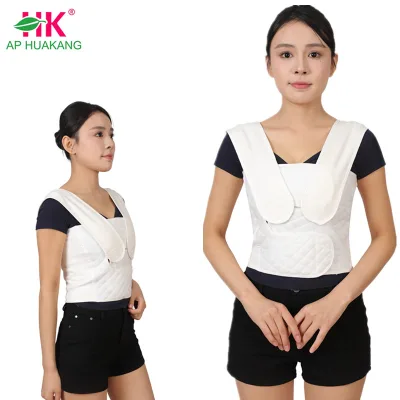
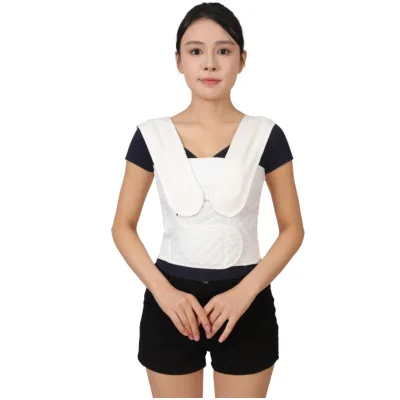


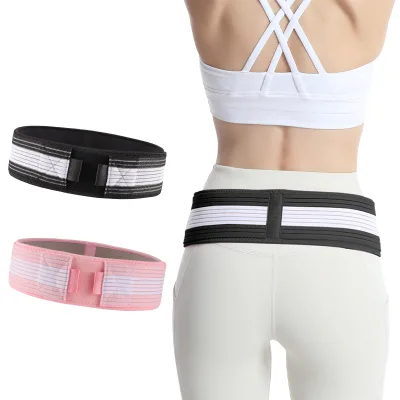
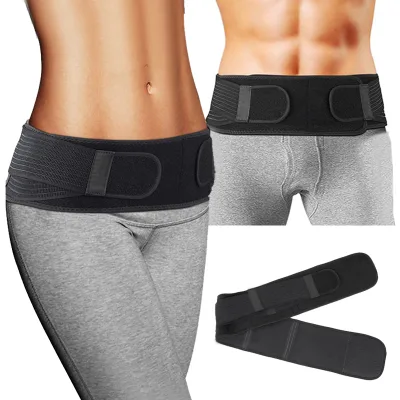
Lumbar Support Waist Brace Belt Elastic and Breathable Lower Back Brace
$12.00 - $15.00
MOQ: 100 Pieces


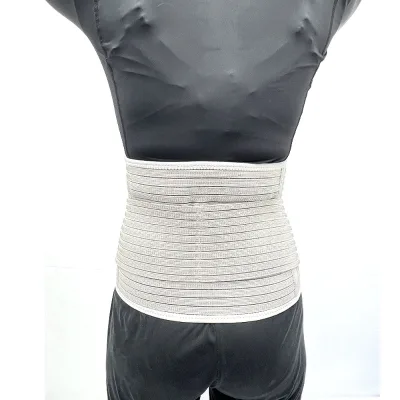


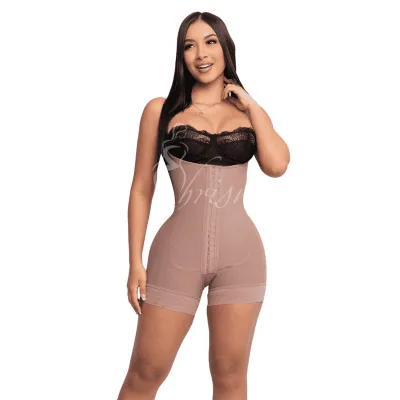


Comprehensive Sourcing Guide
Strategic Sourcing Guide for Chest Circumference Straps in Rehabilitation Markets
The global demand for orthopedic support and rehabilitation supplies has driven a significant expansion in the market for chest circumference straps. These devices are critical components in post-surgical recovery, trauma management, and chronic pain mitigation, offering essential stability to the thoracic region. For procurement professionals, sourcing these items requires a nuanced understanding of material composition, structural integrity, and regulatory compliance. The following guide synthesizes available market data and technical observations to provide a robust framework for evaluating suppliers and selecting the appropriate products for specific clinical or commercial needs.
Technical Specifications and Material Composition
When evaluating chest circumference straps, the primary technical differentiator lies in the material composition and structural design. The observed market data indicates a diverse range of materials, from basic textiles to advanced blends. Suppliers frequently list products constructed from Spandex and Nylon, which provide the necessary elasticity and high tenacity required for effective compression and support. In contrast, other listings specify generic textile materials, which may offer different levels of breathability and durability.
The structural integrity of these straps is often enhanced by the inclusion of stays. High-performance models observed in the market incorporate rigid support elements, such as three ABS plates combined with two spring stays. This configuration is designed to maintain the shape of the garment while providing targeted pressure distribution. The thickness of the material is another critical specification; observations suggest a "Medium" thickness category, which balances flexibility with the rigidity needed for orthopedic support.
Size customization is a prevalent feature in this category. While standard sizing typically includes S, M, L, XL, and XXL, many suppliers offer the ability to customize length and circumference to meet specific patient requirements. The single package dimensions observed in the market, such as 34x16x47 cm, indicate the bulkiness of the packaging, which is a factor to consider for logistics planning. Furthermore, the weight of individual units varies, with some listings noting a weight of 200g, while others specify a single gross weight of 1.0 kg, likely reflecting the inclusion of packaging or heavier structural components.
Compliance, Certification, and Regulatory Standards
Navigating the regulatory landscape is paramount when sourcing medical-grade rehabilitation supplies. The market data highlights ISO13485 as a key quality certificate observed among suppliers. This standard is specifically designed for medical device manufacturers and ensures that the quality management system meets the rigorous requirements for the design, development, production, and distribution of medical devices. Procurement teams should verify that the supplier holds a valid ISO13485 certification, as this is a strong indicator of a commitment to quality control and patient safety.
Beyond specific certifications, buyers must verify the adherence to local and international standards regarding biocompatibility and material safety. While the provided data does not list specific chemical standards, the presence of "Eco-Friendly" features in some product descriptions suggests that manufacturers are increasingly considering environmental impact and material safety. For products intended for direct skin contact, such as chest straps, verifying that the materials do not contain harmful substances is essential.
The shelf life of these products is another compliance-related factor. Observed data indicates a shelf life of five years for certain models, which is a significant metric for inventory management and long-term stockpiling. Buyers should confirm the expiration dating protocols of the supplier to ensure that the products remain effective and safe throughout their intended usage period. Additionally, the "Health Care" application classification confirms that these items are intended for professional or clinical use, necessitating a higher level of scrutiny regarding manufacturing hygiene and traceability.
Cost Drivers and Pricing Dynamics
The pricing structure for chest circumference straps is influenced by several variables, including material complexity, customization levels, and order volume. The observed price range in the market spans from $0.49 to $123.42 USD. This wide disparity reflects the difference between basic textile straps and complex orthopedic devices with integrated stays and custom engineering.
The Minimum Order Quantity (MOQ) is a significant cost driver. While some suppliers offer an MOQ as low as 1 piece, facilitating small-scale trials, others require a commitment of 100 pieces or more. The data shows an observed MOQ range of 1 to 500 units. Buyers must balance the cost per unit against the total capital outlay. Higher MOQs often correlate with lower unit costs, but they also increase inventory holding costs.
Customization is a major factor in pricing. Suppliers that offer OEM/ODM services and logo customization typically charge a premium. The cost structure often includes a base product price plus additional fees for mold development, custom packaging, and branding. For example, the "sample cost + shipping cost" model indicates that initial prototyping or sampling incurs separate charges. Buyers should request a detailed breakdown of these costs to understand the total cost of ownership.
Typical Applications and Clinical Utility
Chest circumference straps serve a variety of applications within the healthcare sector. The primary use case is orthopedic support, where these devices provide stability to the chest wall following trauma or surgery. The inclusion of stays and elastic bands suggests that these products are particularly effective in managing conditions that require immobilization or controlled compression.
The "Abdominal support" classification observed in some listings indicates that the design of these straps may be versatile, potentially serving dual purposes for both thoracic and abdominal support. This versatility is valuable for suppliers looking to streamline their product lines and for buyers seeking multi-functional devices. The "Adults" age group specification confirms that the current market focus is on adult patients, though pediatric adaptations may exist in other product lines.
In addition to medical applications, these straps are used in rehabilitation therapy supplies. The "High Tenacity" and "Elastic" features are crucial for patients undergoing physical therapy, where the device must withstand repeated stretching and movement without losing its supportive properties. The "Eco-Friendly" attribute may also appeal to healthcare facilities aiming to reduce their environmental footprint, although this should be verified against specific clinical requirements.
Supplier Evaluation and Verification
Selecting the right supplier requires a thorough evaluation of their capabilities and track record. The market data indicates that a significant number of suppliers originate from Hebei, China, a region known for its manufacturing base in medical textiles. While this provides access to a large pool of suppliers, it also necessitates rigorous due diligence.
Buyers should prioritize suppliers that demonstrate a clear commitment to quality through certifications like ISO13485. The ability to offer OEM and ODM services is another positive indicator, suggesting that the supplier has the technical capacity to adapt products to specific client needs. The availability of customized logos and packaging further supports the idea that these suppliers are experienced in working with diverse client requirements.
Logistics capabilities are also critical. The observed shipping methods include air and sea transport, offering flexibility based on the urgency of the order. However, buyers must verify the lead times and reliability of these shipping options. The "Single package size" and "Single gross weight" data provided by suppliers can help in calculating freight costs and determining the most efficient shipping method.
Quality Control and Inspection Protocols
Ensuring the quality of chest circumference straps is essential for patient safety and product efficacy. Buyers should implement a robust quality control (QC) protocol that includes pre-production sampling, in-process inspection, and final random inspection. The "Sample cost + shipping cost" model suggests that suppliers are willing to provide samples for evaluation, which is a critical first step in the QC process.
Key quality attributes to verify include the tensile strength of the elastic bands, the durability of the stays, and the comfort of the textile materials. The "High Tenacity" feature mentioned in the data implies that the materials are designed to resist breaking under stress, but this should be confirmed through independent testing if possible. The "Medium" thickness specification should be validated to ensure it meets the required support levels for the intended application.
Packaging quality is another area of focus. The observed packaging methods, such as "1PCS/PE Bag, 500PCS/CTN" or "OPP Bag and Carton," indicate standard practices, but buyers should ensure that the packaging protects the product from moisture, dust, and physical damage during transit. The "Shelf Life" of five years suggests that the materials are stable, but storage conditions must be controlled to maintain this lifespan.
Long-Term Procurement Considerations
Sourcing chest circumference straps is not a one-time transaction but a long-term partnership that requires strategic planning. Buyers should consider the scalability of the supplier's production capacity to meet future demand. The ability to customize products, such as adjusting the length or incorporating specific logos, adds value over time as market needs evolve.
Inventory management is a critical aspect of long-term procurement. With a shelf life of five years, buyers have flexibility in stockpiling, but they must balance this against the risk of obsolescence or changes in medical standards. The wide MOQ range allows for flexible ordering strategies, enabling buyers to start with small orders and scale up as demand grows.
Finally, maintaining a relationship with suppliers who offer continuous improvement and innovation is vital. The presence of features like "Eco-Friendly" materials suggests that the market is evolving towards more sustainable solutions. Buyers should stay informed about emerging trends and technologies to ensure their procurement strategy remains competitive and aligned with the latest industry standards. By focusing on these long-term factors, buyers can secure a reliable supply chain for chest circumference straps that supports their clinical and commercial objectives.
FAQs
What certifications do Chest Circumference Strap suppliers hold?
Suppliers typically hold ISO13485 certification for medical device quality management. This standard ensures rigorous controls for design and production. Buyers should verify valid certificates before ordering to confirm patient safety compliance.
Which materials are used for chest circumference straps?
Products are commonly made from Spandex, Nylon, or generic Textile blends. Some advanced models include ABS plates and steel stays for structural support. Material choice affects elasticity and durability for orthopedic applications.
Can suppliers customize the size and logo of the straps?
Yes, customization is available for size, length, and logo printing. Suppliers accept OEM and ODM services to meet specific client needs. Buyers must confirm minimum order quantities for custom production runs.
How does the minimum order quantity affect pricing?
Minimum order quantities range from one piece to five hundred units. Higher volumes often reduce the unit price significantly. Buyers should balance inventory costs against the lower per-unit cost of larger orders.
Where are these rehabilitation supplies typically manufactured?
Most products originate from Hebei, China, a major manufacturing hub. This location offers access to a large pool of specialized textile and medical device factories. Buyers should consider shipping times from this region.
What is the shelf life of the chest circumference straps?
Certain models have a shelf life of five years. This duration allows for long-term inventory planning and stockpiling. Buyers must ensure proper storage conditions to maintain product integrity over time.