Source Chest Push Frame for Home, Gym, and Park Fitness
Find and compare 30 Chest Push Frame options for home gyms, commercial fitness centers, and public parks. These manual steel units support arm, chest, and back training with adjustable features and customized logos for universal fitness applications.
Key considerations
Products List


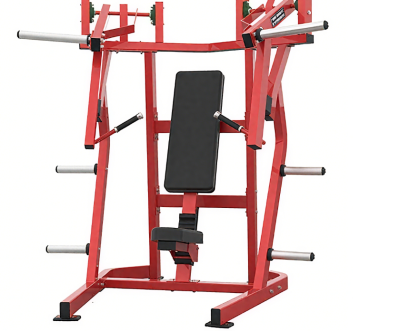
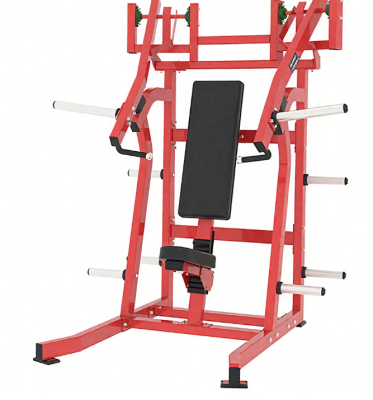
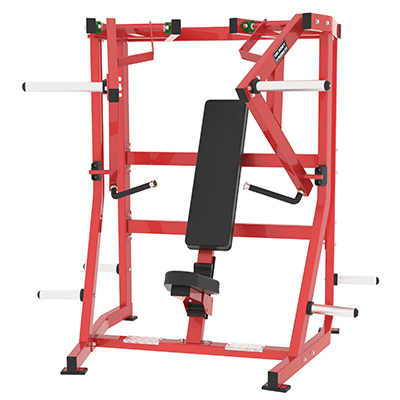
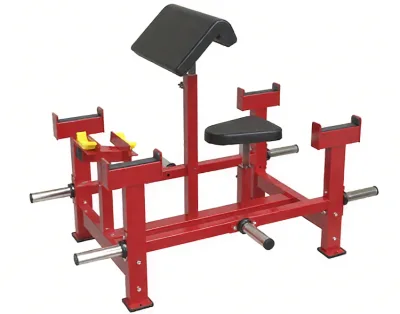
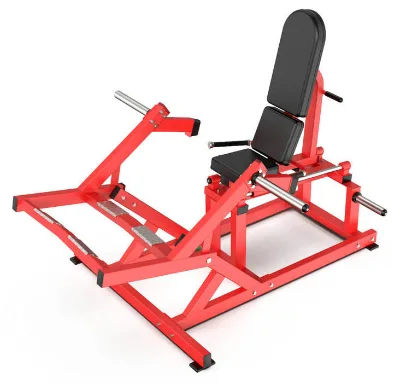
$325.00
MOQ: 1 pieces





Comprehensive Sourcing Guide
Chest Push Frame Sourcing Guide
Sourcing chest push frames requires a nuanced understanding of the diverse product landscape, which ranges from simple manual push-up bars to complex, electrically powered fitness machinery. Buyers must first distinguish between basic upper-body resistance tools and integrated strength training systems, as the procurement strategy, technical verification, and compliance requirements differ significantly between these categories. The core keyword "Chest Push Frame" often encompasses a wide array of equipment, including standalone push-up bars designed for home or park use, as well as larger, multi-functional gymnasium units that target the chest, shoulders, and back through comprehensive fitness exercises.
To navigate this variety effectively, procurement teams should categorize potential suppliers based on the specific power source and application environment of the product. Manual devices, often constructed from durable steel and intended for universal application in homes, gyms, or community parks, present a different risk and cost profile compared to electrically powered, large-loader style machines designed for commercial fitness centers. Understanding these distinctions allows buyers to align their technical specifications with the correct supplier capabilities, ensuring that the final product meets the intended user demographic, whether it be adults, youth, or unisex general fitness users.
Product Scope and Observed Listing Signals
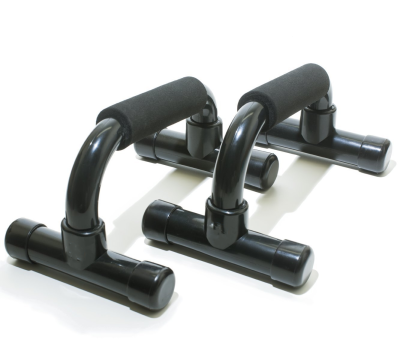
The observed market signals indicate a broad spectrum of product types under the Chest Push Frame category, with notable variations in power sources, materials, and intended usage environments. Some listings highlight manual, steel-constructed push-up bars that are unfolded and designed for waist, abdomen, arm, and chest exercises, often featuring customizable logos and polybag or carton packaging. These items are typically marketed for universal application in settings such as homes, gyms, parks, and communities, emphasizing durability, safety, and adjustability as key features for individual or small-group fitness routines.
In contrast, other signals point toward more substantial, electrically powered fitness equipment that may be classified as large loaders or comprehensive exercise stations. These units often feature significant weight stacks, such as 65kg, 70kg, or 160kg configurations, and are designed for muscle relaxation and comprehensive fitness exercises. The presence of specific model numbers like SA1625, SN006, and SA1605, along with detailed dimensional standards (e.g., 1645x1485x2230mm), suggests a segment of the market focused on heavy-duty, commercial-grade installations that require precise spatial planning and robust structural integrity for long-term use in professional fitness facilities.
Technical Specifications to Verify
When evaluating chest push frames, buyers must rigorously verify the physical dimensions and structural capacity of the equipment to ensure compatibility with their facility’s layout and user base. For manual push-up bars, the focus should be on material thickness, surface finish, and ergonomic design, while for larger electric units, critical verification points include the overall footprint, weight stack capacity, and the stability of the frame under dynamic load. Specifications such as the 1.6t capacity observed in some large loader types or the specific dimensions of 200010901405mm for certain models provide a baseline, but buyers should always request detailed engineering drawings to confirm that the equipment will fit within the designated installation area without compromising safety clearances.
Power source and operational mechanics are equally critical technical differentiators that must be confirmed before placing an order. Manual frames rely on user-generated force and require no electrical infrastructure, making them suitable for outdoor parks or basic home gyms, whereas electrically powered units demand specific voltage requirements, circuit protection, and regular maintenance protocols. Buyers should verify the type of motor or resistance mechanism used in electric models, ensuring that the weight stack adjustment is smooth and safe, and that the control interfaces are intuitive for users of varying fitness levels, from children to adults.
Compliance and Safety Documentation
Safety and regulatory compliance are paramount when sourcing chest push frames, particularly for equipment intended for public or commercial use. Buyers must ensure that all products, whether manual steel bars or complex electric machines, carry appropriate certifications such as CE, ISO, and RoHS, which indicate adherence to European safety, environmental, and quality standards. For manual equipment, verification should focus on structural integrity tests and surface safety to prevent injury during high-repetition exercises, while for electric units, electrical safety certifications and emergency stop functionality must be documented and verified by the supplier.
Documentation requirements should also extend to user safety and operational guidelines, ensuring that each unit comes with comprehensive manuals in the target market’s language. These manuals should detail proper usage techniques, weight limits (such as the observed 200kg max user weight for some units), and maintenance schedules to prolong equipment life. Buyers should request test reports or third-party verification of these safety claims, especially for large-loader style machines that involve significant mechanical movement and weight displacement, to mitigate liability risks and ensure a safe environment for all users.
Cost Drivers and Commercial Terms
The cost structure for chest push frames is influenced by several key factors, including the material composition, power source, and level of customization required. Manual steel push-up bars generally have lower unit costs but may incur higher relative shipping costs due to packaging inefficiencies, whereas electrically powered, heavy-duty units have higher base prices due to complex manufacturing processes, electronic components, and heavier materials. Buyers should analyze the total landed cost, considering not only the unit price but also the packaging type (polybag, carton, or wooden box) and its impact on freight volume and insurance premiums.
Commercial terms, including minimum order quantities (MOQ), lead times, and payment structures, vary significantly across the product range. Some suppliers may offer flexible MOQs for customized logo applications on manual bars, while large electric units might require higher MOQs or longer delivery times, such as within 25 days after receiving a deposit. Buyers should negotiate clear terms regarding port of loading (e.g., Tianjin) and export market capabilities, ensuring that the supplier has the logistical infrastructure to handle international shipping and customs clearance efficiently, thereby avoiding unexpected delays or additional fees.
Supplier Qualification and Quality Control
Supplier qualification for chest push frames requires a thorough assessment of manufacturing capabilities, quality control processes, and after-sales support. Buyers should prioritize suppliers who demonstrate a clear separation between manual and electric product lines, as this indicates specialized expertise and dedicated quality control protocols for each type. Verification of production facilities, including audits of steel fabrication for manual bars and assembly lines for electric units, is essential to ensure consistent quality and adherence to specified standards such as 125016401660 or other custom dimensions.
Quality control measures should include pre-shipment inspections that verify structural integrity, surface finish, and functional performance of all components. For electric units, this includes testing the weight stack mechanism, electrical connections, and safety interlocks. Buyers should also assess the supplier’s ability to provide customized solutions, such as tailored packaging or branding, without compromising the core safety and durability of the product. Establishing a clear communication channel for technical support and spare parts availability is crucial for maintaining long-term operational reliability, especially for complex fitness equipment.
Long-Term Procurement Checks
Long-term procurement success for chest push frames depends on establishing robust performance monitoring and supplier relationship management strategies. Buyers should implement regular feedback loops with end-users to assess the durability and usability of the equipment, particularly for high-traffic areas like gyms and community parks. This feedback should be used to refine future specifications, ensuring that subsequent orders meet evolving user needs and safety expectations. Tracking warranty claims and maintenance records can also provide valuable insights into product reliability and supplier responsiveness.
Additionally, buyers should periodically review supplier performance against key metrics such as delivery accuracy, quality consistency, and compliance with updated regulatory standards. As technology and safety regulations evolve, maintaining an active dialogue with suppliers about new certifications, material innovations, and design improvements is essential. By staying informed about industry trends and maintaining a diversified supplier base, buyers can mitigate risks and ensure a steady supply of high-quality chest push frames that support their fitness objectives and operational goals.
FAQs
What materials are used for chest push frames?
Chest push frames are constructed from steel to ensure durability and safety. This material choice supports heavy usage in home, gymnasium, and park settings while maintaining structural integrity for universal fitness applications.
Can I customize the logo on the equipment?
Yes, customized logos are available for these chest push frames. Buyers can request specific branding to be applied to the product, which is suitable for commercial gymnasiums or community fitness centers requiring unique identification.
What is the maximum user weight capacity?
The maximum user weight capacity for this equipment is 200 kg. This limit ensures safe operation for adults and unisex users during comprehensive fitness exercises targeting the chest, back, and shoulder muscles.
How long is the delivery time after deposit?
Delivery occurs within 25 days after receiving the deposit. This lead time applies to orders shipped from China, specifically from the Shandong region, ensuring timely arrival for global export markets.
Which certifications does the product hold?
The product holds CE, ISO, and RoHS certifications. These standards verify compliance with safety and environmental regulations, making the equipment suitable for export to international markets requiring verified quality assurance.
What is the packaging method for shipping?
Packaging options include polybag with carton or wooden boxes depending on the model. This ensures the equipment arrives safely, protecting the steel frame and components during transit to various global destinations.