Source Children Pajamas for Home, Sleep, and Daily Wear
Explore 30 listings for Children Pajamas featuring cotton and flannel materials with customizable options. Buyers can compare styles, sizes, and features like breathability and anti-wrinkle properties from suppliers in China.
Key considerations
Products List


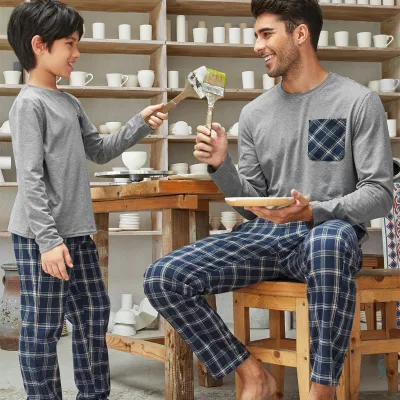
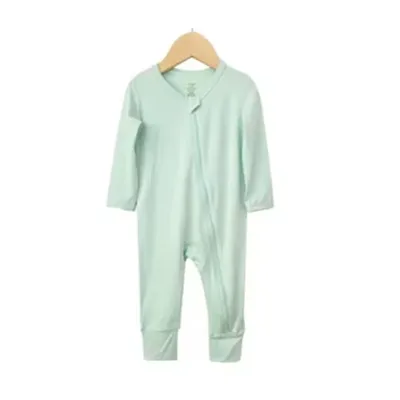
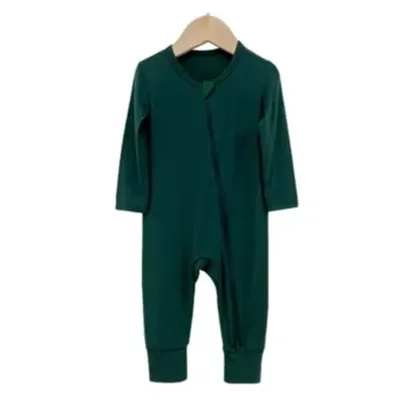


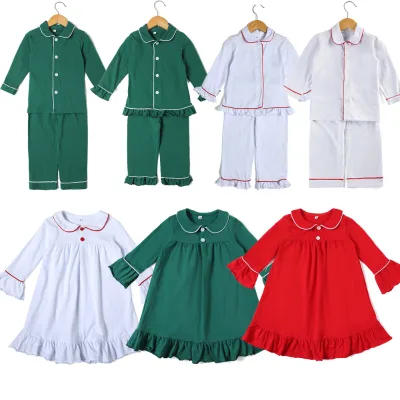

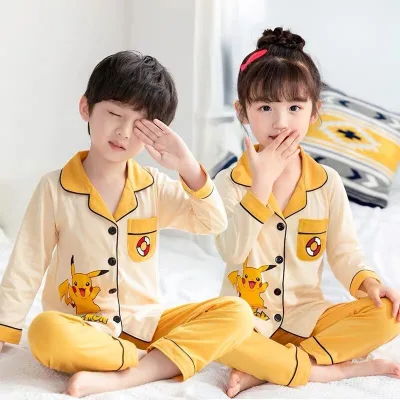


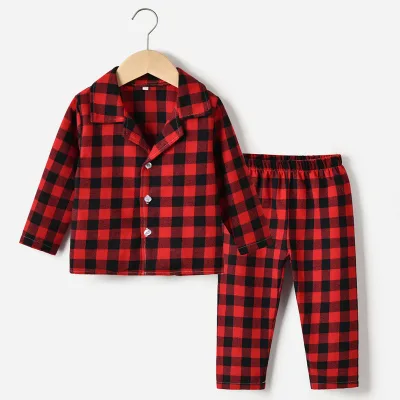
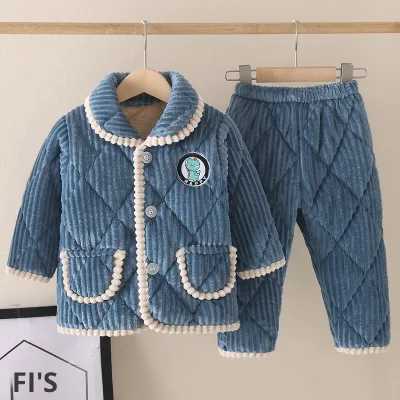
Comprehensive Sourcing Guide
Strategic Sourcing Guide for Children's Pajamas
Understanding Product Specifications and Material Composition
When sourcing children's pajamas, the primary objective is to balance comfort, safety, and durability. Based on the available market data, the core material composition for this category is predominantly cotton. This natural fiber is selected for its breathability and softness against sensitive skin, which is a critical requirement for children's sleepwear. The supply chain data indicates that specific product models, such as those designated by the standard "100% cotton," utilize this material exclusively. However, buyers must also be aware of variations in fabric types, including flannel, which offers a different texture and warmth profile suitable for colder seasons.
The construction method is another vital technical specification. The observed production data highlights "Knitting" as the primary weave type for these garments. Knitted fabrics generally offer superior stretch and flexibility compared to woven alternatives, ensuring that the pajamas do not restrict a child's movement during sleep. The sleeve style is consistently observed as "Long Sleeve," which aligns with the seasonal requirements for Winter and Spring/Autumn usage. This design choice provides necessary coverage and warmth, particularly when paired with the "Standard" thickness observed in the product listings.
Size specifications in the current market range significantly to accommodate the "Children" age group. While some listings reference specific sizing like "2XL," the broader context includes a range of sizes, such as "100-160," which likely corresponds to height measurements in centimeters. This variability necessitates a precise understanding of the target demographic's size chart before placing bulk orders. The product type is uniformly categorized as a "Pajamas Set," often comprising a top and bottom ensemble. This set configuration is preferred for its convenience and matching aesthetic, which is frequently enhanced by "cartoon" patterns. These designs are not merely decorative but serve a functional role in appealing to the specific preferences of the young consumer base.
Seasonal Adaptability and Functional Requirements
The functionality of children's pajamas is heavily dictated by the intended season of use. The market data reveals a clear segmentation between "Winter" and "Spring / Autumn" applications. For winter procurement, the emphasis is on "Warmth" and "Comfortable" attributes. Products designed for this season often utilize thicker knitted fabrics or flannel materials to retain body heat. Conversely, options for Spring and Autumn focus on "Cool" and "Breathable" properties, ensuring the child does not overheat during transitional weather periods. The ability to customize colors and designs allows suppliers to tailor these functional attributes to specific regional climate needs.
Beyond temperature regulation, the functional requirements extend to garment maintenance and longevity. The observed product features include "Anti-Wrinkle," "Anti-Shrink," and "Breathable" characteristics. These are not merely marketing claims but technical specifications that buyers should verify through sample testing. Anti-shrink properties are particularly important for cotton-based garments, as cotton is prone to shrinking after washing. Ensuring that the fabric has been pre-shrunk or treated to resist shrinkage is essential for maintaining the fit and size integrity of the pajamas over multiple wash cycles. Similarly, anti-wrinkle treatments reduce the need for ironing, which is a significant convenience factor for parents and caregivers.
The "Style" of the pajamas also plays a role in their functional acceptance. The market offers both "Casual" and "Classical" styles, allowing buyers to target different consumer preferences. The "Casual" style often aligns with the cartoon patterns and vibrant colors, while "Classical" styles might feature more subdued designs suitable for a broader audience. The "Usage" is consistently defined as "Daily Life," indicating that these garments are intended for regular, everyday wear rather than occasional or specialized use. This high-frequency usage underscores the need for durable construction and high-quality materials that can withstand repeated laundering without degrading.
Cost Drivers and Pricing Dynamics
The pricing structure for children's pajamas is influenced by a complex interplay of material costs, customization levels, and order volumes. The observed price range in the market spans from $0.50 to $20.00 USD. This wide variance suggests that the final cost is highly dependent on the specific product model, the complexity of the design, and the quantity ordered. Lower-priced items in this range likely correspond to basic cotton sets with standard printing methods and minimal customization. In contrast, the higher end of the spectrum may reflect premium flannel materials, intricate cartoon patterns, or extensive customization options such as custom logos and specific color requests.
Minimum Order Quantity (MOQ) is a significant factor in determining the unit cost. The data indicates an MOQ range of 2 to 1000 units. Suppliers with lower MOQs, such as 10 sets or even single items, may charge a higher unit price to cover the overhead of handling small batches. Conversely, suppliers offering high supply abilities, such as 5000 sets per week, are likely to provide more competitive pricing for larger orders. Buyers must balance the need for inventory flexibility with the cost benefits of bulk purchasing. The "Mini Order" attribute noted in some listings suggests that some suppliers are willing to accommodate smaller test orders, which can be useful for verifying quality before committing to a larger production run.
Customization is another major cost driver. The availability of "Customizable" colors, "Accept Customized Logo," and "Printed" methods adds value but also increases production complexity. Suppliers offering these services may have different pricing tiers based on the number of colors used or the complexity of the logo placement. The "Good Quality, Nice Designs and Cheaper Price" attribute observed in the market suggests that some suppliers strive to offer competitive pricing without compromising on design aesthetics. However, buyers should be cautious of claims that seem too good to be true, as they may indicate compromises in material quality or production standards.
Supplier Evaluation and Supply Chain Reliability
Evaluating suppliers for children's pajamas requires a thorough assessment of their production capabilities, location, and reliability. The product origin data points to "China" as the primary manufacturing hub, with specific mentions of "Shanghai" as a key production location. This concentration of manufacturing in specific regions can offer logistical advantages, such as established supply chains and experienced labor forces. However, buyers should verify the specific factory location to ensure it aligns with their logistical preferences and risk management strategies.
The supply type is predominantly "in-Stock Items," which indicates that many suppliers maintain a ready inventory of standard products. This availability can significantly reduce lead times for immediate orders. The "Supply Ability" of 5000 sets per week demonstrates that suppliers have the capacity to handle substantial volume, which is crucial for buyers planning large-scale procurement. Additionally, the "Available Quantity" of 10,000 sets suggests a robust inventory buffer, reducing the risk of stockouts during peak seasons.
Lead time is a critical metric for supply chain planning. The data shows a "7 Days Sample Order Lead Time" support, which is favorable for buyers who need to quickly validate product quality. For bulk orders, the "Delivery Time" is listed as 10 days, though this may vary based on order size and customization requirements. Buyers should confirm these timelines with the supplier, as they can be affected by factors such as raw material availability and production scheduling. The "Packaging Details," such as "1 set/OPP Bag" and "1 Lot/OPP Bag," indicate standard packaging practices that are designed to protect the product during transit. However, buyers should verify if these packaging methods meet their specific branding or sustainability requirements.
Quality Control and Compliance Verification
Ensuring the quality and safety of children's pajamas is paramount, given the direct contact with sensitive skin and the potential for fire safety regulations. While the provided data mentions "Good Quality" and "Nice Designs," buyers must conduct their own rigorous quality control checks. The "Feature" list includes "Breathable" and "Anti-Shrink," which should be verified through physical testing. Buyers should request samples to test for fabric breathability, shrinkage rates after washing, and the durability of the anti-wrinkle treatment.
Compliance and certification are critical areas where buyers must exercise caution. The background information mentions "OEKO-TEX" and "GOTS" as potential standards, but these are not confirmed in the specific product data. Therefore, buyers should not assume that any listed product is certified. Instead, they must explicitly request certification documents from the supplier. For children's sleepwear, compliance with fire safety standards (such as flammability regulations) is often mandatory in many markets. Buyers should verify that the supplier has the necessary testing capabilities and can provide test reports for flammability, chemical safety, and fiber content.
The "Standard" attribute in the data includes "0.3kg" and "100% cotton," which may refer to weight or material composition. Buyers should clarify these specifications to ensure they align with their product requirements. For instance, a weight of 0.3kg might be too light for winter pajamas, while 100% cotton is a desirable trait for breathability but may require specific care instructions. The "Single Gross Weight" of 0.500 Kg and "Single Package Size" of 26x15x6cm provide logistical data that buyers can use to calculate shipping costs and storage requirements. However, these figures should be treated as observations for specific models rather than universal standards for all children's pajamas.
Long-Term Procurement and Strategic Considerations
Sourcing children's pajamas is not a one-time transaction but a strategic partnership that requires long-term planning. The "Customization" availability offers opportunities for buyers to build a unique brand identity through custom logos, colors, and designs. This flexibility can be a significant competitive advantage in the market. However, buyers should establish clear guidelines for customization to ensure consistency across production runs. The "Logo: Accept Customized Logo" attribute suggests that suppliers are open to branding efforts, but the quality of the logo application should be verified to prevent fading or peeling.
Inventory management is another key consideration. With an "Available Quantity" of 10,000 sets and a "Supply Ability" of 5000 sets per week, buyers have the potential to maintain a steady supply. However, they must plan for seasonal fluctuations, particularly for "Winter" and "Spring / Autumn" products. Stocking up on winter pajamas before the cold season begins is essential to avoid stockouts and potential price increases. The "7 Days Sample Order Lead Time" allows for quick adjustments to inventory based on market feedback, enabling buyers to pivot their strategy if certain styles or sizes are underperforming.
Finally, buyers should consider the environmental and ethical implications of their sourcing decisions. While the data does not explicitly mention sustainability certifications, the use of "Cotton" as a primary material suggests a natural fiber option. Buyers should inquire about the sourcing of this cotton, whether it is organic, and the environmental practices of the manufacturing facilities. Establishing a long-term relationship with a supplier who prioritizes quality, compliance, and ethical practices can lead to more stable pricing, better service, and a stronger brand reputation. By focusing on these strategic elements, buyers can build a resilient and successful procurement strategy for children's pajamas.
FAQs
What material is used for these Children Pajamas?
The primary material used is cotton, with some models featuring flannel fabric. This natural fiber ensures breathability and softness against sensitive skin, making it suitable for daily wear.
Can I customize the color and logo on these pajamas?
Yes, customization is available for both colors and logos. Buyers can request specific designs and branding, though this may affect the unit price and production timeline depending on the complexity.
What is the minimum order quantity for these pajamas?
The minimum order quantity ranges from 2 to 1000 sets depending on the supplier. Some vendors accept small test orders of 10 sets, while others require larger bulk commitments for competitive pricing.
How long does it take to receive sample orders?
Sample orders typically have a lead time of 7 days. This allows buyers to quickly verify product quality, fabric feel, and design accuracy before committing to a larger production run.
Which seasons are these pajamas designed for?
These pajamas are designed for Winter, Spring, and Autumn seasons. Winter versions focus on warmth and flannel materials, while Spring and Autumn options prioritize coolness and breathability for transitional weather.
Where are these Children Pajamas manufactured?
The products are manufactured in China, with specific production hubs located in Shanghai. This location offers established supply chains and experienced labor forces for textile production.